

Sauna Benefits and Safe Usage Guide for Beginners

Many people try a sauna for relaxation, but they often wonder what the real health benefits are and how to use it safely.
Regular sauna sessions may support circulation, muscle recovery, and stress relief when used correctly.
In this guide, you’ll learn the proven sauna benefits, the ideal temperature range, how long to stay in a sauna, and simple safety rules every beginner should follow.
A sauna is a small room or enclosed space intentionally heated to high temperatures. The goal is to induce sweating and provide a range of potential health benefits.
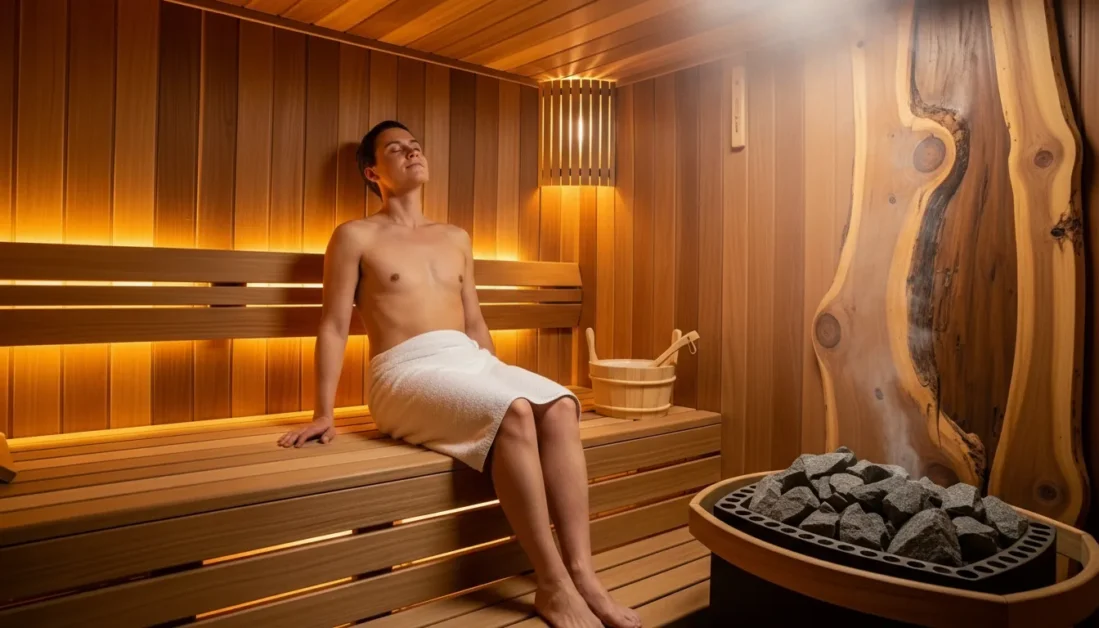
What Are the Main Sauna Benefits?
Sauna use exposes the body to controlled heat therapy. As body temperature rises, circulation increases and sweating begins. This process can produce several wellness benefits.
Many people who start using a sauna regularly notice that the benefits become more noticeable after several sessions rather than immediately.
Common sauna benefits include:
- Improved blood circulation
- Muscle relaxation and recovery
- Reduced stress levels
- Temporary pain relief
- Improved sleep quality
- Skin cleansing through sweating
Regular sauna sessions are also associated with improved cardiovascular function and relaxation after stressful days.
If you want a deeper overview of sauna wellness effects, this guide on sauna benefits and usage explains how sauna therapy fits into a healthy lifestyle.
How a Sauna Affects Your Body
During a sauna session, the body reacts to heat in several stages.
Many first-time sauna users notice the heat builds gradually rather than instantly. The first few minutes feel warm but manageable, then sweating typically increases around the 8–10 minute mark.
Here is what usually happens during a typical sauna session:
First 5 minutes
- Skin temperature rises
- Blood vessels begin to expand
- The body starts preparing to sweat
After about 10 minutes
- Sweating increases noticeably
- Heart rate rises slightly
- Muscles begin relaxing
Around 15 minutes
- Deep sweating occurs
- Circulation improves
- Many people experience deep relaxation
This heat response is why sauna therapy is commonly used after workouts or long days.
Recommended Sauna Temperature
The ideal sauna temperature depends on the type of sauna you are using.
Traditional saunas use higher air temperatures, while infrared saunas heat the body directly at lower temperatures.
Typical sauna temperature ranges:
| Sauna Type | Temperature Range |
|---|---|
| Traditional sauna | 150°F – 195°F (65°C – 90°C) |
| Infrared sauna | 120°F – 140°F (49°C – 60°C) |
Beginners should always start at the lower end of the temperature range.
Beginners sometimes assume hotter always means better, but starting too hot can make the experience uncomfortable and increase dehydration risk.
If you’re unsure about the correct heat level, this guide explains the ideal sauna temperature range and how to adjust it for comfort.
How Long Should You Stay in a Sauna?
Most sauna sessions last between 10 and 20 minutes.
A common mistake beginners make is trying to stay too long during their first visit.
Recommended session times:
- Beginners: 5–10 minutes
- Regular users: 10–20 minutes
- Experienced users: up to 20 minutes with cooling breaks
If the heat ever feels overwhelming, step outside for a cooling break.
Most experienced sauna users alternate between heat sessions and short cooling periods. This helps regulate body temperature and prevents overheating.
To avoid overheating or dehydration, it’s important to know how long you should stay in a sauna based on your experience level.
How Often Should You Use a Sauna?
Frequency depends on personal comfort and overall health.
Many people begin with 1–2 sauna sessions per week, then gradually increase frequency once their body adapts to heat exposure.
Typical sauna use patterns:
- Beginners: 1–2 sessions weekly
- Regular users: 3–4 sessions weekly
- Experienced users: short daily sessions
Over time, most sauna users discover their body adapts to the heat, making sessions feel more relaxing rather than intense.
If you’re building a routine, this guide on how to use a sauna properly explains how experienced sauna users structure their sessions.
Traditional Sauna vs Infrared Sauna
Two of the most common sauna types are traditional and infrared saunas.
Both provide heat therapy benefits, but they operate differently.
| Feature | Traditional Sauna | Infrared Sauna |
|---|---|---|
| Heating method | Heats the air using sauna heater and stones | Uses infrared light to warm the body |
| Temperature | Higher heat (150–195°F) | Lower heat (120–140°F) |
| Sweat response | Induced by hot air | Induced by direct heat penetration |
| Session length | 10–20 minutes | 20–30 minutes |
| Experience | Classic dry heat sauna | Milder heat environment |
Traditional saunas create the classic sauna experience with hot air and steam from sauna stones.
Infrared saunas operate at lower temperatures, which some users find easier to tolerate.
You can learn more about the advantages of infrared heat therapy in this guide to infrared sauna benefits.
Sauna Safety Guidelines
Using a sauna safely is essential, especially for beginners.
From a practical standpoint, most sauna problems happen when people stay too long or forget to hydrate.
Important sauna safety tips include:
- Drink water before and after sessions
- Start with short sessions
- Avoid alcohol before entering the sauna
- Take cooling breaks between sessions
- Exit immediately if you feel dizzy or lightheaded
The easiest way to avoid dehydration is drinking water before and after your sauna session.
For a deeper breakdown of safe sauna practices, read this complete sauna safety guide.
Who Should Be Cautious Using a Sauna
Saunas are safe for most healthy adults, but some individuals should be cautious.
People who should consult a doctor before sauna use include:
- Pregnant women
- People with heart conditions
- Individuals taking medications affecting hydration
- People with uncontrolled high or low blood pressure
- Those prone to heat sensitivity
Older adults may also be more prone to dehydration, so shorter sessions are usually recommended.
If you have any health concerns, it’s always best to speak with a medical professional before beginning regular sauna therapy.
Common Sauna Myths
There are many misconceptions about sauna use.
Understanding these myths helps set realistic expectations.
Myth: Saunas cause major detoxification
Sweating removes small amounts of substances, but the body’s primary detox systems are the liver and kidneys.
Myth: Saunas cause permanent weight loss
Saunas cause temporary water loss through sweat. The weight returns after rehydration.
Myth: Longer sessions are better
Long sessions increase dehydration risk. Shorter, consistent sessions are more beneficial.
Tips for a Better Sauna Experience
A few small habits can make sauna sessions much more comfortable.
Practical sauna tips:
- Bring a towel to sit on for hygiene and comfort
- Start with shorter sessions and build gradually
- Take a cool shower after finishing
- Stay seated or reclined during sessions
- Avoid large meals immediately before entering the sauna
Many experienced sauna users find that alternating heat with cooling breaks improves relaxation and overall comfort.
Choosing the Right Sauna
If you’re considering installing or purchasing a sauna, choosing the right type is important.
Factors to consider include:
- Available space
- Preferred heat level
- Installation requirements
- Operating costs
- Indoor or outdoor placement
Traditional saunas provide the classic high-heat environment, while infrared saunas work well in smaller home setups.
If you’re unsure which option fits your home, this guide on which sauna is right for you explains the key differences.
FAQs:
Can I use a sauna every day?
Most healthy adults can use a sauna daily if sessions remain short and hydration is maintained.
Do I need to shower after a sauna session?
Yes, rinsing off sweat after a sauna session helps cool the body and maintain hygiene.
Is an infrared sauna better than a traditional sauna?
Both provide benefits. Infrared saunas operate at lower temperatures, while traditional saunas provide higher heat and humidity.
Can a sauna help muscle recovery?
Many people use saunas after workouts because heat therapy may help relax muscles and support recovery.
What is the best time to use a sauna?
Many people prefer using a sauna after workouts or in the evening because it promotes relaxation.
Regular heat exposure after workouts may influence recovery and adaptation, which is why researchers have studied muscle growth with sauna use in athletes.
Final Thoughts:
Saunas provide a simple and enjoyable way to relax while supporting circulation, muscle recovery, and stress relief.
When used correctly, regular sauna sessions can become part of a healthy wellness routine.
Start with short sessions, stay hydrated, and gradually allow your body to adapt to the heat. By following basic safety guidelines, sauna bathing can become one of the most relaxing habits in your weekly routine.








6 Comments
Comments are closed.