
Infrared Sauna Benefits That Go Deeper Than Just Sweating
The first time many people try an infrared sauna, they expect extreme heat. What surprises them instead is how gentle it feels, and how strong the after-effects are. You step out relaxed, clear-headed, and oddly refreshed, even though the temperature never felt overwhelming.
That contrast is what makes infrared saunas different. They don’t rely on scorching air. They work by warming your body directly, which changes how your muscles, circulation, and nervous system respond. And that’s where the real benefits come from.
Below is a clear, evidence-based look at how infrared saunas support health, where the claims are solid, and where expectations should stay realistic.
In this article, we will explore the various benefits of infrared saunas, from general health improvements like detoxification and relaxation to more specific advantages such as weight loss and pain relief.

What an Infrared Sauna Actually Does
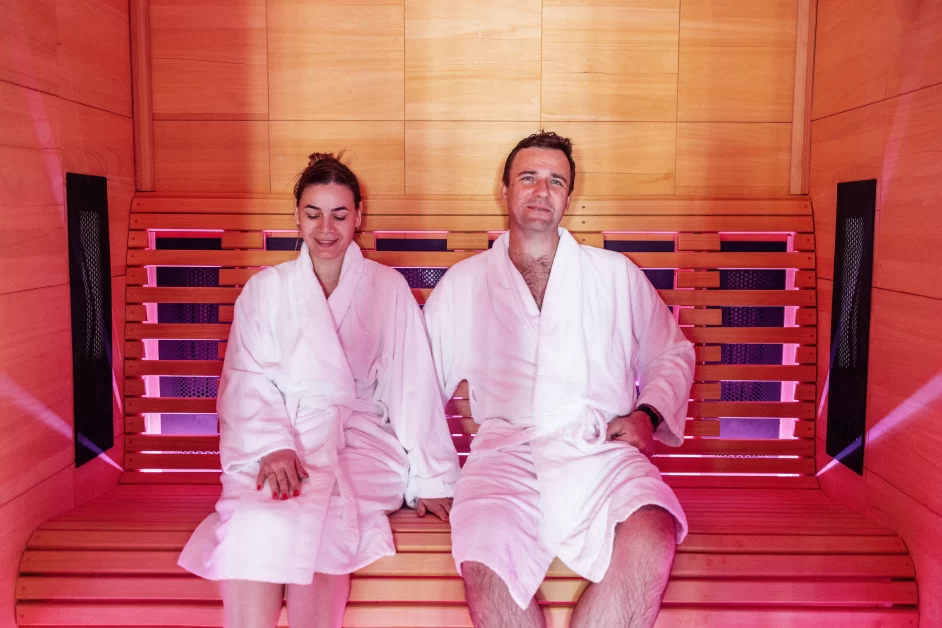
An infrared sauna uses infrared light waves to warm your body directly instead of heating the surrounding air. Your core temperature rises gradually, triggering physiological responses similar to light-to-moderate exercise.
Key differences compared to traditional saunas:
- Lower air temperature, usually around 120–150°F
- Heat penetrates deeper into muscle and joint tissue
- Sessions feel more tolerable, especially for beginners
If you want a deeper breakdown of how this fits into the wider sauna category, this overview of sauna types and setups explains the distinctions clearly.
Core Health Benefits of Infrared Saunas
Detoxification Through Sweat
Sweating is one of the body’s natural elimination pathways. Infrared saunas encourage longer, deeper sweating sessions without extreme heat stress.
What this supports:
- Removal of small amounts of heavy metals through sweat
- Reduction of environmental toxin load over time
- Improved skin clarity from unclogged pores
It’s important to note that the liver and kidneys do most detox work. Infrared saunas support the process, they don’t replace it.

Stress Relief and Nervous System Reset
Infrared heat stimulates the parasympathetic nervous system, the part responsible for rest and recovery.
Regular users often notice:
- Reduced stress and anxiety levels
- Better mood stability
- Easier mental “switch-off” after sessions
This is one reason infrared saunas are often recommended alongside meditation, breathwork, or recovery routines.
Pain Relief for Muscles and Joints
Infrared heat penetrates deeper than surface warmth, increasing blood flow in muscle and connective tissue.
People with chronic discomfort often report:
- Reduced joint stiffness
- Relief from arthritis and lower back pain
- Faster recovery after workouts
This aligns closely with how infrared saunas are used in physical therapy and sports recovery environments.
Improved Circulation and Cardiovascular Support
As your body warms, blood vessels dilate and heart rate increases slightly, similar to brisk walking.
Potential benefits include:
- Improved oxygen delivery to tissues
- Temporary reduction in blood pressure after sessions
- Support for cardiovascular conditioning when used consistently
For people curious about how this compares to other heat-based options, this breakdown of infrared sauna health benefits goes deeper into circulation and heart health.
Can Infrared Saunas Help With Weight Loss?
Infrared saunas don’t burn fat directly, but they can support weight loss efforts.
Here’s how they help:
- Elevated heart rate increases calorie expenditure
- Reduced muscle soreness improves workout consistency
- Stress reduction helps regulate cortisol, which affects fat storage
Most estimates place calorie burn anywhere from 200–400 calories per session depending on body size and duration. That’s comparable to a light cardio workout, not intense exercise.
For a realistic breakdown, tools like a sauna calorie calculator can help set expectations.

Infrared Sauna vs Traditional Sauna
| Comparison Factor | Infrared Sauna | Traditional Sauna |
|---|---|---|
| Heating method | Uses infrared light to heat the body directly | Uses heated air to warm the body |
| Air temperature range | Lower temperatures, usually 120–150°F | Higher temperatures, usually 170–200°F |
| How the heat feels | Gentle, steady warmth that builds gradually | Intense heat that rises quickly |
| Typical session length | Longer sessions are easier to tolerate | Shorter sessions due to higher heat |
| Heat penetration | Reaches deeper into muscles and joints | Mostly heats skin and surface tissues |
| Ease of use | More comfortable for beginners and heat-sensitive users | Better suited for experienced sauna users |
| Best for | Joint pain, relaxation, stress relief, recovery | Traditional sauna experience, intense sweating |
If you’re deciding between options, this guide on choosing the right sauna helps match sauna types to personal needs.
Safety Considerations You Should Know
Infrared saunas are generally safe for healthy adults, but smart use matters.
Who Should Be Cautious
- Pregnant individuals
- People with heart conditions or blood pressure issues
- Anyone with acute illness or infection
Practical Safety Tips
- Drink water before and after sessions
- Start with 10–15 minutes and build gradually
- Exit immediately if you feel dizzy or unwell
- Avoid alcohol before use
A full overview of precautions is covered in this practical guide to sauna safety basics.
Can Infrared Saunas Improve Sleep?
Many people start using an infrared sauna for relaxation or recovery, then discover that better sleep becomes one of the biggest benefits.
As your body cools down after a sauna session, it may support the natural sleep process. This cooling effect is similar to the body’s normal temperature changes before bedtime.
Many regular users report:
- Falling asleep faster
- Fewer nighttime awakenings
- Deeper, more restful sleep
- Feeling more refreshed in the morning
Some users find that using an infrared sauna 1 to 2 hours before bed provides the best results. In everyday sauna use, consistency usually matters more than session length.
If sleep improvement is one of your goals, consider tracking your sleep quality for several weeks to see how your body responds.
Infrared Sauna Benefits for Skin Health
Improved circulation doesn’t just help muscles and recovery. It may also benefit the skin.
When blood flow increases, more oxygen and nutrients reach skin tissues. Combined with sweating, this can help support a healthier appearance over time.
Potential skin-related benefits include:
- Improved skin tone
- Temporary increase in skin hydration
- Reduced pore congestion
- Healthier overall complexion
Many first-time sauna users notice their skin feels smoother immediately after a session. Longer-term improvements typically come from consistent use rather than occasional sessions.
It’s important to keep expectations realistic. Infrared saunas are not a replacement for proper skincare, but they can complement a healthy skincare routine.
Is an Infrared Sauna Good for High Cortisol?
Cortisol is often called the body’s stress hormone. While infrared saunas do not directly treat high cortisol levels, they may support relaxation and stress management.
The calming environment, heat exposure, and post-session relaxation response can help many people feel less stressed after regular use.
People commonly combine infrared sauna sessions with:
- Deep breathing exercises
- Meditation
- Stretching
- Recovery routines
One pattern that often appears is that users who sauna consistently report feeling calmer and sleeping better, both of which may indirectly support healthy stress management.
Experiences From Regular Users
Across wellness forums and long-term users, a few patterns show up consistently:
- Sleep improves, especially when sessions are done in the evening
- Mood stabilizes, with less daily stress buildup
- Skin looks clearer, likely due to improved circulation and sweating
People using infrared saunas for chronic pain often report the biggest quality-of-life improvements rather than dramatic medical changes.
How to Get the Most Out of Infrared Sauna Sessions
Experienced users tend to agree on a few simple habits:
- Consistency matters more than intensity
- Hydration improves how you feel afterward
- Lower temperatures used longer beat short, extreme sessions
- Calm music or breathwork amplifies relaxation
If you’re pairing sauna use with recovery or workouts, timing can matter too. Many find benefits using it after exercise rather than before.
Potential Downsides of Infrared Saunas
Infrared saunas offer many benefits, but they aren’t perfect.
Some limitations include:
- Dehydration if fluid intake is neglected
- Dizziness from prolonged sessions
- Higher purchase costs for home units
- Slower heating compared to traditional saunas
- Not suitable for everyone with certain medical conditions
A common mistake beginners make is assuming longer sessions produce better results. In practice, moderate and consistent use is usually more effective than pushing session length too far.
Beginner Infrared Sauna Session Checklist
Use this simple checklist before every session:
Before Your Session
- Drink 12 to 16 ounces of water
- Avoid alcohol
- Remove jewelry and metal accessories
- Set a comfortable temperature
During Your Session
- Start with 10 to 15 minutes if you’re new
- Listen to your body
- Exit if you feel dizzy or uncomfortable
After Your Session
- Rehydrate
- Cool down gradually
- Shower if desired
- Track how you feel afterward
Many users discover that following a simple routine helps them get more consistent results than constantly changing session length or temperature.
If you’re intrigued by the benefits of infrared saunas, why not try them? Explore the resources on Hot Tub Patio for more information on how to get started, and discover how an infrared sauna can become a part of your journey toward better health and relaxation.
What is the downside to an infrared sauna?
The most common downsides are dehydration, dizziness from excessive use, and the cost of purchasing a home unit. Most risks can be reduced through proper hydration and reasonable session lengths.
Does an infrared sauna really have benefits?
Research suggests infrared saunas may support relaxation, circulation, muscle recovery, and cardiovascular health. Results vary from person to person.
Is sauna good for high cortisol?
An infrared sauna may help reduce feelings of stress and promote relaxation, which can support overall stress management. It is not a medical treatment for cortisol-related conditions.
Can infrared saunas cause cancer?
There is currently no evidence that properly manufactured infrared saunas cause cancer. Infrared heat uses non-ionizing radiation, which differs from harmful forms of radiation such as X-rays.
FAQs
Can I use an infrared sauna every day?
Yes, many people do, as long as sessions are moderate and hydration is maintained.
Do I need to shower right after an infrared sauna?
It’s a good idea to rinse off sweat and toxins shortly after your session.
Is it okay if I don’t sweat much at first?
Yes, sweating often increases as your body adapts over multiple sessions.
What’s the best session length for beginners?
Most beginners start with 10–15 minutes and slowly increase over time.