
5 Essential Lessons I Learned Choosing the Right Sauna Heater

I thought picking a sauna heater was just about size and price.
Turns out, one small choice almost ruined my entire sauna experience, and that’s when I realized what actually matters.
Are you considering getting a sauna heater but don’t know where to start? I’ve been there. When I first decided to add a sauna to my home, I was overwhelmed by the choices and information available. After much research, trial, and error, I finally found the perfect sauna heater for my needs.
What This Guide Covers, Fast:
If you’re thinking about buying a sauna heater, this breaks down:
- The real differences between heater types
- How to size and choose one without guessing
- Which models actually hold up in real homes
- Installation mistakes that cost people money
- Maintenance habits that quietly extend heater life
Everything here is based on lived experience, not sales brochures.

Understanding the Main Types of Sauna Heaters
Before buying anything, you need to know how each heater type behaves in real use, not just on paper.
Electric Sauna Heaters
Electric heaters are the most common choice for home saunas.
Why people choose them
- Simple installation
- Fast heat-up, usually 30–40 minutes
- Low daily maintenance
What surprised me
Electric heaters feel convenient, but power requirements matter more than most people realize. Choosing the wrong size or underestimating electrical needs causes performance issues later.
If you’re planning a standard home setup, learning how modern sauna systems are designed makes this choice clearer. A helpful overview is available in this guide on sauna heater basics and layouts.
Check out for more about infrared saunas.
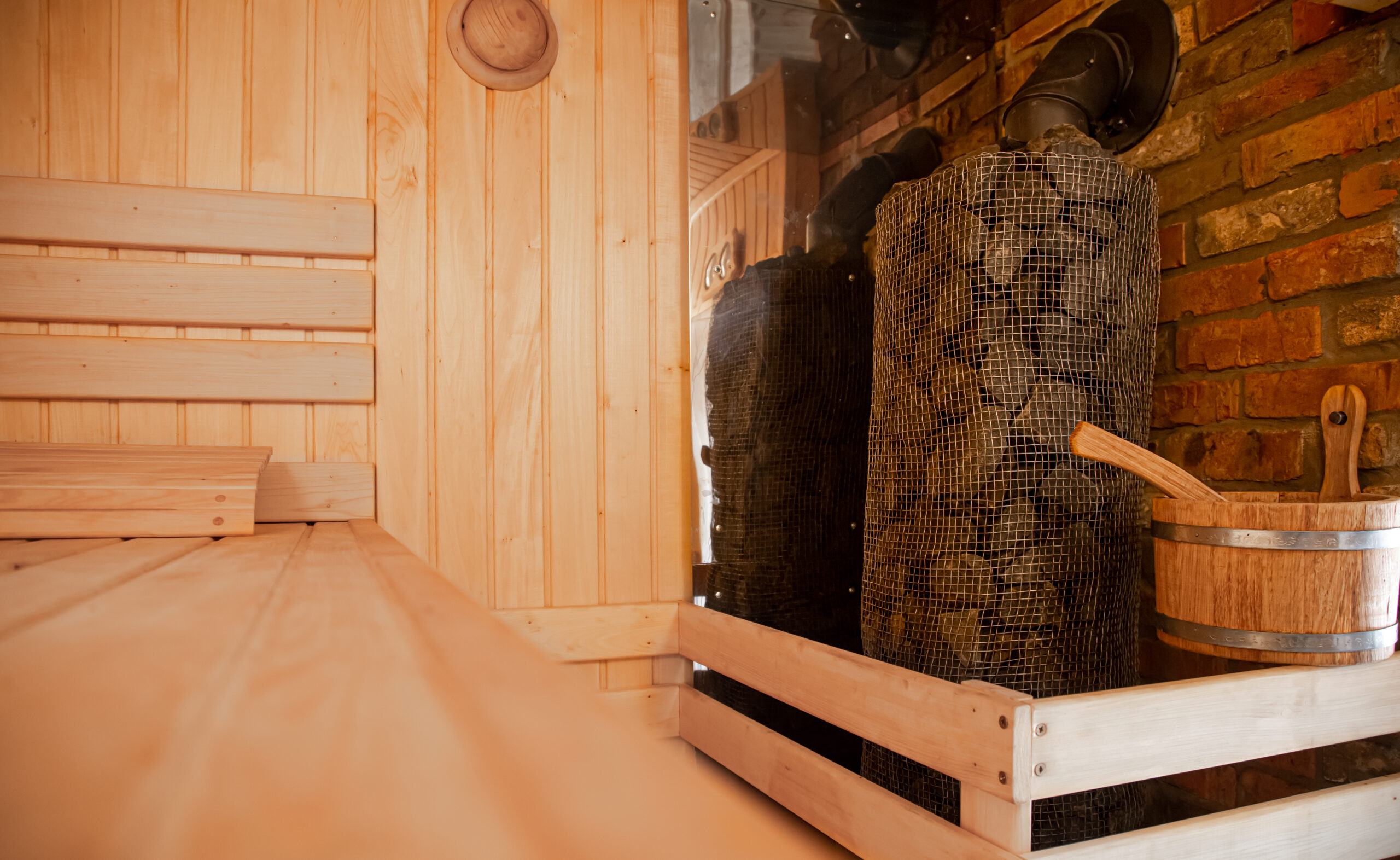
Wood-Burning Sauna Heaters
This is the classic sauna experience.
What makes them special
- Deep, soft heat
- Natural humidity control
- A sensory experience you can’t replicate electrically
What most guides don’t mention
Maintenance isn’t just ash cleanup. Chimney clearance, airflow, and firewood quality directly affect how evenly your sauna heats.
Wood-burning heaters make sense if you value ritual over convenience and have outdoor or well-ventilated space.
Infrared Sauna Heaters
Infrared heaters heat your body directly instead of heating air.
Why people like them
- Lower operating temperatures
- Energy-efficient
- Comfortable for longer sessions
The tradeoff
They don’t deliver traditional sauna steam or high heat. That matters more than expected if you’re chasing the classic sauna feel.
If you’re curious how infrared differs in daily use, this breakdown of infrared sauna systems explains the experience clearly.
Gas Sauna Heaters
Gas heaters are less common but powerful.
Where they shine
- Fast heat-up
- Lower long-term operating cost
- Reliable for larger saunas
What to watch
Installation is more complex and almost always requires professional setup. Gas access determines whether this option even makes sense.
5 Essential Lessons I Learned Choosing the Right Sauna Heater
Choosing the right sauna heater isn’t about specs alone. It’s about how heat feels, how often you use it, and how much effort you want to put into upkeep. When those align, everything else falls into place.
1. Heater type matters more than brand
I focused too much on brand names early on. What actually shaped my experience was the heater type itself.
Electric felt convenient, wood-burning felt immersive, infrared felt gentle. Once you choose the right type for your lifestyle, brand selection becomes much easier.
2. Sizing mistakes ruin performance quietly
A heater that’s even slightly underpowered never quite feels right.
The sauna warms up unevenly, sessions feel rushed, and you keep cranking settings higher. Matching heater output to room volume is non-negotiable.
3. Installation quality affects daily comfort
A perfectly good heater can perform poorly if:
- Clearances aren’t respected
- Ventilation is off
- Electrical or gas connections aren’t ideal
This isn’t just about safety. It directly impacts heat consistency and how relaxed you feel inside the sauna.
4. Maintenance decides lifespan, not price
Expensive heaters don’t last longer if they’re ignored.
Simple habits like cleaning elements, checking connections, and keeping vents clear add years to a heater’s life, regardless of type.
5. The “best” sauna heater is personal
What worked best for me might not work for you.
Daily users often prefer electric or infrared.
Weekend ritual lovers lean toward wood-burning.
Large spaces benefit from gas or higher-output electric units.
How to Choose the Right Sauna Heater Without Regret
This is where most people go wrong, myself included.

The Factors That Actually Matter
Sauna room size
Heater capacity must match cubic footage. Undersized heaters struggle forever, oversized heaters cycle inefficiently.
Heating speed
If quick sessions matter to you, electric and gas heaters perform best.
Energy use
Infrared and gas heaters generally cost less to run over time.
Total cost
Upfront price rarely reflects lifetime cost. Electrical upgrades, fuel supply, and maintenance add up.
A deeper look at how heater size matches sauna volume can save you expensive mistakes. This sauna heater sizing calculator breaks it down clearly.
Top Sauna Heater Models
After comparing specs, reviews, and real feedback, these models consistently surfaced.
Model A: Harvia KIP 8KW, 240V-1PH Electric Sauna Heater
Features:
- 8KW Output: Ideal for home use.
- 240V-1PH, 33.3 AMPS: Powerful and efficient.
- Covers 247-424 cu. Ft.: Perfect for most residential saunas.
- Built-In Controls: Easy operation.
- Stainless Steel: Durable and stylish.
- Includes Sauna Stones: Complete sauna experience.
- Curbside Delivery: Additional arrangements are required for final placement.
Pros:
- Quick Heating: Efficient and decisive.
- Durable: High-quality stainless steel construction.
- User-Friendly: Integrated controls for convenience.
- Complete Package: Includes sauna stones.
- Perfect for Homes: Designed for residential use.
Cons:
- High Power Needs: Requires 240V and 33.3 AMPS.
- Delivery Limitations: Curbside delivery only.
- Pricey: Costs $999.00.
- Professional Installation: May be needed.
Why I Liked It:
The Harvia KIP 8KW heater impressed me with its efficiency and ease of use. The built-in controls and durable design are great, and the included sauna stones add authenticity. Despite the power requirements and price, its performance and reliability make it an excellent choice for home saunas.
Model B: Harvia M3 Wood-Burning Sauna Heater
- Features: Stainless steel construction, glass door for fire viewing, efficient air circulation
- Pros: Authentic sauna experience, durable build, aesthetically pleasing
- Cons: Requires regular maintenance and firewood supply
- Why I Liked It: The classic feel of a wood-burning heater with the bonus of watching the fire through the glass door added a cozy touch to my sauna sessions.
Model C: JNH Lifestyles Infrared Sauna Heater
Why it stands out
- Gentle, penetrating warmth
- Low EMF output
- Energy-efficient sessions
Limitations
Slower warm-up and no steam effect.
Summary Table of Top Models
| Feature | Finnleo Pure 2.0 | Harvia M3 Wood-Burning | JNH Lifestyles Infrared |
|---|---|---|---|
| Type | Electric | Wood-Burning | Infrared |
| Heat-Up Time | Fast | Moderate | Slow |
| Energy Efficiency | High | Low | High |
| Installation | Easy | Moderate | Easy |
| Maintenance | Low | High | Low |
| Cost | High | Moderate | Moderate |
| Unique Features | Digital controls | Glass door | Low EMF |
Where Buying the Heater Matters More Than You Think
Not all sellers are equal.
Online retailers
- Wider selection
- Easier price comparison
- Reviews offer real usage insight
Specialty sauna stores
- Expert guidance
- Better post-sale support
- Higher upfront cost but fewer mistakes
If you’re unsure which heater category fits your lifestyle, this guide on choosing the right sauna type helps narrow it down.
Installing a Sauna Heater Without Costly Errors
Installation mistakes are one of the biggest regret points.
What Matters Most During Installation
- Correct wall clearance
- Proper electrical or gas connections
- Manufacturer spacing rules
- Ventilation planning
Many people underestimate safety spacing and airflow needs. Reviewing basic sauna safety guidelines before installation prevents long-term problems.
Professional electrical or gas installation isn’t optional for most systems. It protects both performance and warranty coverage.
Maintenance Habits That Extend Heater Life
Most heater failures aren’t manufacturing defects, they’re neglect.
Simple Maintenance That Works
Electric
- Keep elements clean
- Check wiring annually
Wood-burning
- Clean ash regularly
- Inspect chimney airflow
Infrared
- Wipe panels gently
- Avoid chemical cleaners
Gas
- Inspect burners and vents
- Check for leaks periodically
Knowing how long sessions affect components also helps preserve heaters. This guide on ideal sauna session duration explains why.
Real Experiences From Sauna Heater Owners
Electric user
Daily recovery sessions, fast heat-up, minimal effort.
Wood-burning owner
More upkeep, but unmatched atmosphere and relaxation.
Infrared user
Gentle heat helped joint pain and stress without overheating.
Patterns were clear. Satisfaction matched expectations, not price.
Key Takeaways Before You Buy
- Heater type shapes your entire sauna experience
- Sizing mistakes cause endless frustration
- Installation quality matters as much as the heater itself
- Maintenance habits quietly double lifespan
A sauna heater isn’t just equipment. It’s the heart of the sauna.
Common Sauna Heater Questions
Can I install a sauna heater myself?
Some electric models allow partial DIY work, but professional wiring or gas installation is strongly recommended.
Do I need a powerful heater for a small sauna?
No. Oversizing wastes energy and creates uneven heating.
Is infrared better for daily use?
Many people prefer infrared for frequent, longer sessions due to lower heat intensity.
What’s the safest heater type?
All types are safe when installed correctly and maintained regularly.




One Comment