
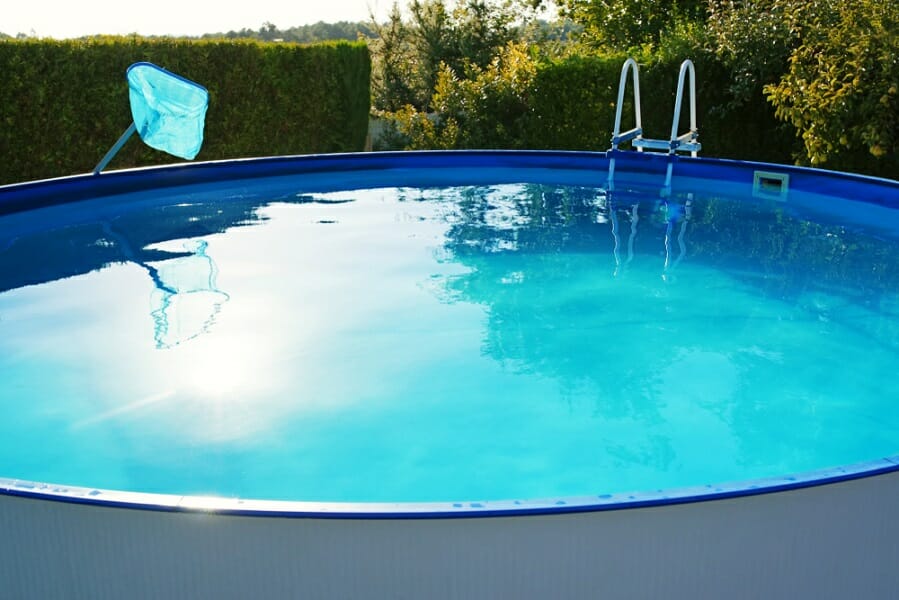
How to Inflate an Intex Portable Spa: Pressure Checks, Setup & Leak Fixes

To inflate an Intex portable spa safely, use the supplied control-base blower and hose (or the exact equipment specified in your model’s manual), then stop when the spa wall feels firm to the touch—not hard. Do not use a high-pressure air compressor. Intex PureSpa models vary, so use this as a practical guide alongside the manual for your exact model.
Quick answer: the correct way to inflate an Intex spa
- Set the spa on a clean, level surface with the ground cloth or base protection recommended for your model.
- Unpack it fully, smooth it out, and inspect the wall, seams, air valve, hose, and control-base connections before adding air.
- Connect the supplied inflation hose to the control base and the spa’s air valve exactly as shown in your owner’s manual.
- Turn on the inflation function and watch the wall as it rises. On models with a spring-style air valve, the valve pin normally needs to be in the raised position for inflation—confirm this in your manual.
- Stop when the wall is firm but still has a little give when pressed. It should not be drum-tight or rigid.
- Use the supplied pressure gauge if your kit includes one. Follow the indicator and instructions for your specific model rather than using a generic PSI number from the internet.
- Disconnect the hose and refit the cap securely. Do not force or overtighten the cap, which can damage the valve assembly.
Before you start: avoid the setup mistakes that cause trouble later
- Clear the surface first. Stones, screws, twigs, and rough edges can puncture the liner or create a slow leak.
- Use the included blower, not a high-pressure compressor. Intex instructions warn against high-pressure inflation because it can overinflate and damage the spa.
- Check the manual for your model. Hose ports, valve styles, pressure indicators, and the order of setup can differ between PureSpa generations.
- Do not chase a perfectly rigid wall. Overinflation is a more common mistake than underinflation, especially on a warm day.
How firm should an Intex inflatable hot tub be?
A correctly inflated spa wall feels firm and supportive when you press it with your palm, but it is not rock-hard. Intex manuals commonly describe the target as “firm to the touch but not hard.” That feel matters more than a universal pressure number because models use different wall designs and supplied gauges.
If your kit includes an Intex pressure gauge, use it as the deciding check. Some models show a green indicator when the wall is at the recommended inflation level. If your model does not have that gauge or the marking differs, follow its manual rather than assuming another PureSpa’s setting applies to yours.
The spa feels soft after inflation: normal temperature change or a leak?
Air pressure changes when the air temperature changes. A spa inflated in warm sun can feel softer after a cool evening, while one topped up on a cool morning can become too tight as temperatures rise. Let the spa settle and check it again in similar conditions before adding more air.
It is more likely a leak if the wall repeatedly loses firmness over a short time, needs frequent top-ups, or has one noticeably soft area. Start with the simplest checks:
- Make sure the air-valve cap is fully seated and the hose was removed cleanly.
- Inspect the valve and seams for damage; do not overtighten parts that are meant to seal by hand.
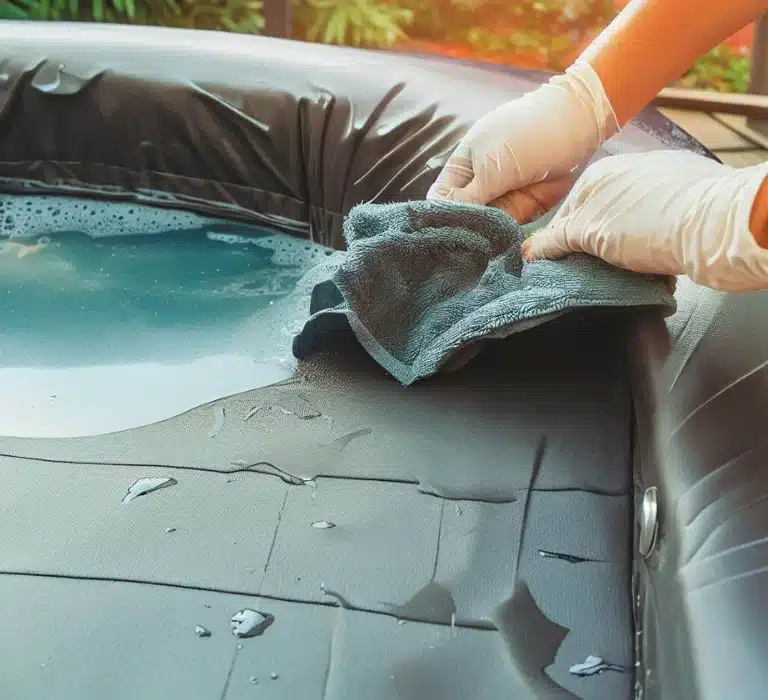
- With the spa empty and dry, apply a little soapy water around suspected seams or the valve. Steady bubbles can reveal escaping air.
- Clean and dry the spot before using the supplied repair patch, following its instructions exactly.
Stop using the spa and contact Intex or a qualified service provider if the valve is broken, an internal air chamber appears damaged, or a repair will not hold. For a fuller leak-finding walkthrough, see our guide to finding an inflatable hot-tub leak.
If your Intex spa will not inflate
- Recheck the hose path. A loose connection at the control base or air valve can prevent the wall from filling properly.
- Check the valve position. On models with a push-pin valve, an incorrect pin position can block inflation or let air escape as soon as the hose is removed.
- Confirm the control base is set to inflate. Do not dismantle the electrical unit or attempt to bypass its safety features.
- Look for an obvious obstruction or damage. If the blower runs but the spa does not gain air, stop and consult the troubleshooting section of the model-specific manual.
Common questions
Can I use an air compressor to inflate an Intex PureSpa?
Do not use a high-pressure air compressor. Use the supplied inflation equipment or the compatible equipment listed in your manual. A compressor can overinflate the wall quickly and may damage the spa.
How long does inflation take?
Time varies by model, ambient temperature, and the condition of the blower. Use wall firmness and your model’s supplied gauge or indicator—not the clock—as the signal to stop.
Is air escaping from the control base normal?
Some Intex models vent a small amount of air from the control unit during inflation as part of their pressure-control design. Check your manual. Air escaping from the spa wall, valve, or seam is not something to ignore.
Should I top up the air after filling the spa with water?
Only add air if the wall is genuinely underinflated after the spa has settled and your model’s instructions allow it. Temperature shifts can change how firm the wall feels, so avoid repeatedly topping it up just to make it rigid.
Where to find the right instructions for your model
Model-specific instructions always take priority over a general guide. Find owner manuals, troubleshooting help, and support options through Intex Support. Keep the model number from the spa or control base handy when looking up the manual.





One Comment
Comments are closed.