
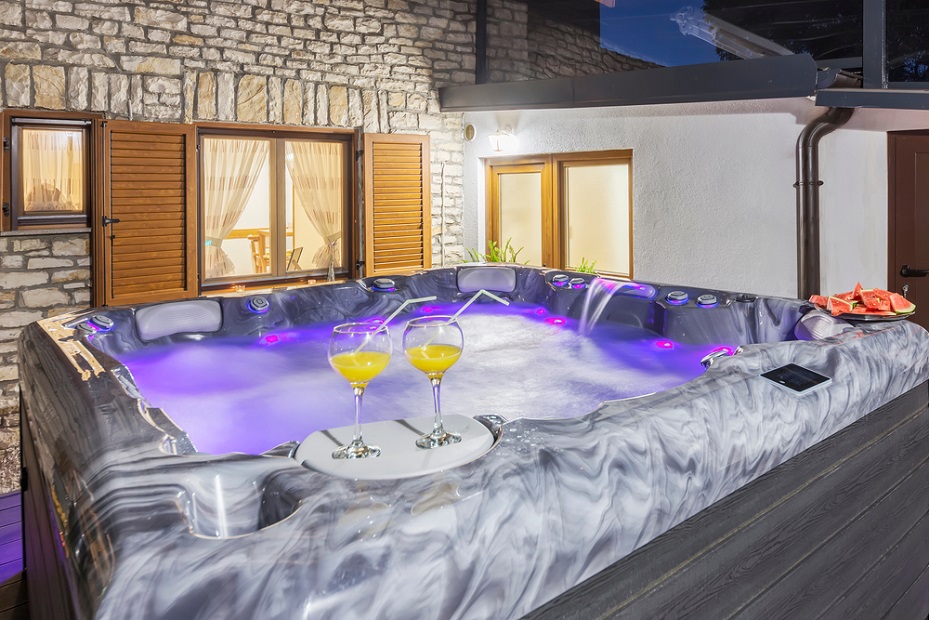
Salt Water Hot Tub Brands: What You Need to Know Before Buying

Finding the right saltwater hot tub feels a lot easier once you understand how the systems work and which brands actually make good ones.
The big difference comes down to how each brand sanitizes the water, how much the parts cost long-term, and how often you’ll need to replace things. Once you see the breakdown, you’ll know exactly which brand fits your budget and your lifestyle.
A saltwater hot tub uses dissolved salt to create soft, low-chemical water that feels smoother on your skin than regular chlorine tubs. Most systems convert salt into chlorine automatically, which means less work for you.
Best brand for true salt systems: Hot Spring and Caldera
Best budget option: Intex (inflatable and entry level)
Best mineral system (not true salt): Master Spas EcoPur
Best UV/ozone combo (not salt): Jacuzzi and Sundance
Typical yearly cost for a salt system:
About 120 to 250 dollars depending on cartridges and water quality.
Who it’s best for:
Anyone who wants gentler water, fewer chemicals, and less weekly maintenance.
We’ll help you understand the differences, weigh the pros and cons, and provide tips on maintaining your tub so you can enjoy a relaxing soak without the stress.
How Salt Water Hot Tubs Work (Simple Breakdown)
Saltwater tubs run on mostly simple chemistry. You add a small amount of salt to the water, usually around 1500 to 2000 ppm, which is way lower than ocean water. The system’s cartridge or cell turns that salt into chlorine automatically. That’s what keeps the water clean.
Here’s what actually happens:
• The water passes through a titanium cartridge or electrolytic cell.
• Salt turns into low-level chlorine.
• The chlorine sanitizes the tub.
• The chlorine returns to salt again.
It’s a cycle that repeats over and over.
Why it feels better on your skin:
The water has fewer harsh chemicals, so it feels silky instead of sharp or dry. A lot of people with eczema or sensitive skin prefer saltwater tubs for that reason.
Things that sometimes go wrong:
• Cartridges stop producing chlorine
• Scaling builds up on the cell
• “Low salt” warning pops up
• Corrosion can happen if the tub uses cheap metals
But when you take care of it, the water stays fresh with almost no effort.
When talking about choosing the right saltwater brand based on backyard space: it helps to double-check your available space using this hot tub size and dimensions guide.
Best Salt Water Hot Tub Brands (Full Comparison)
These are the brands people ask about the most. Some make true saltwater systems. Some make mineral or UV systems that get lumped into the “saltwater” category online, even though they’re totally different. Here’s the clean breakdown.
Brand Comparison Table
| Brand | System Type | Lifespan | Yearly Cost | Best For |
|---|---|---|---|---|
| Hot Spring | FreshWater Salt System | 3 cartridges per year | 120 to 180 dollars | Low-maintenance owners who want soft water |
| Caldera | FreshWater Salt System | 3 cartridges per year | 120 to 180 dollars | Same as Hot Spring, focused on comfort |
| Master Spas | EcoPur Mineral System (not true salt) | 3 to 4 cartridges per year | 150 to 200 dollars | Users with sensitive skin or low chemical tolerance |
| Jacuzzi | UV-C + Ozone (not salt) | UV bulb yearly | 80 to 150 dollars | People who want chemical reduction without salt |
| Sundance | UV-C + Ozone (not salt) | UV bulb yearly | 80 to 150 dollars | Similar to Jacuzzi, same parent company |
| Intex | Basic saltwater cell | Replace cell every 3–5 years | 40 to 80 dollars | Budget inflatables and starter tubs |
Hot Spring Spas (FreshWater Salt System)
Hot Spring is the top pick if you want a real saltwater hot tub. Their FreshWater system uses a small titanium cartridge that produces chlorine automatically. Most owners only check their water once a week.
What people like:
• Water feels insanely soft
• Cartridges last about four months
• Uses less chlorine than any other brand
• High reliability
• Strong warranty support
Real-world yearly cost: Most owners spend about 150 dollars a year on cartridges.
Best for you if: You want the easiest salt system with the smoothest water feel.
Caldera Spas (FreshWater Salt System)
Caldera uses the same core salt technology as Hot Spring, but the tubs are shaped differently. Caldera focuses more on comfort, deep seats, and massaging jet patterns.
Things to know:
• Same cartridge lifespan
• Same maintenance routine
• Super comfortable seating
• Calm water feel that doesn’t dry your skin
Best for you if: You want Hot Spring’s salt system with a more spa-like seat design.
Master Spas (EcoPur Mineral System)
This system gets mistaken for saltwater all the time, but it’s really a mineral purification system. It uses copper and zinc to cut down chlorine by up to 60 percent. The water feels smoother, but it’s not a true saltwater chlorine generator.
What owners like:
• Great for sensitive skin
• Low chlorine smell
• Easy cartridge swaps
Best for you if: You want low-chemical water without paying for a true salt system.
Jacuzzi (UV-C + Ozone, Not Salt)
Jacuzzi uses a high-end UV system that kills bacteria with light. It’s not salt, but the water still feels softer than a basic chlorine tub.
What to know:
• You still need a little chlorine
• UV bulbs last about a year
• Water stays clear with almost no smell
Best for you if: Salt concerns you, but you still want reduced chemicals.
Sundance Spas (UV-C + Ozone, Not Salt)
Sundance is owned by the same parent company as Jacuzzi, so the technology is pretty similar.
People choose it for:
• Strong jets
• Comfortable shaping
• Clean water with low chemical touch
Best for you if: You prefer traditional tubs with upgraded sanitizing tech.
Intex (Entry-Level Salt Systems)
Intex makes inflatable and budget-friendly tubs. Their salt systems work, but not like premium models.
Things to expect:
• Cells need cleaning often
• Replacement parts are cheaper
• Good starter choice
• Not meant for long-term daily soaking
Best for you if: You want the cheapest path into saltwater soaking. Check out Jacuzzi J-16 POWERPRO Swim Spa Built-In Hot Tubs.
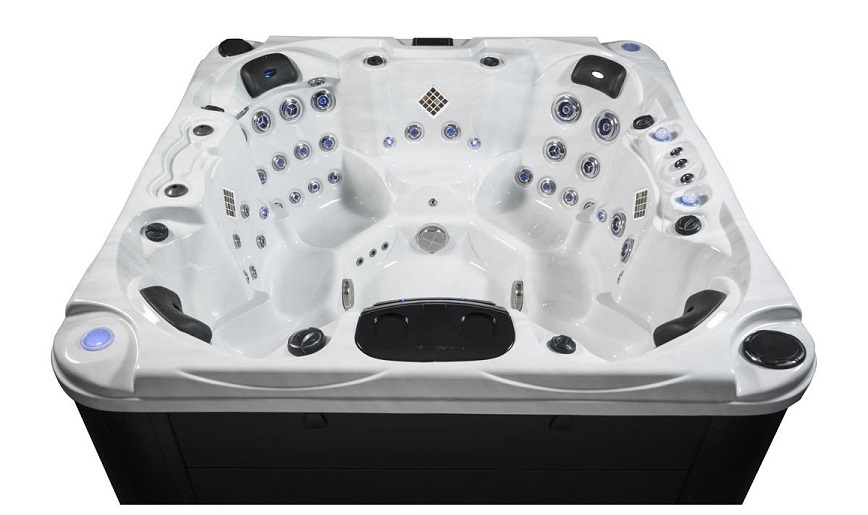
What Minerals are Used in Saltwater Hot Tubs
Saltwater hot tubs primarily use sodium chloride (NaCl) – regular table salt – to naturally sanitize the water. Here’s a quick overview:
- Sodium chloride (NaCl): The main mineral added to saltwater hot tub water. The saltwater passes through an electrolytic cell, which converts the salt into chlorine, which sanitizes the tub.
- Magnesium: Many salt systems also add a small amount of magnesium chloride to help balance the pH levels.
- Mineral cartridges: Some systems use mineral cartridges that release helpful minerals like magnesium, potassium, and calcium into the water. This provides added benefits for your skin.
- Bromide: Bromide may be added and work with the salt’s chloride to create hypobromous acid, an effective sanitizer.
- Trace minerals: Some salt systems add helpful trace minerals to the water, mimicking natural spring water. These can include zinc, silver, copper, and others that may have therapeutic benefits.
If your water keeps drifting out of range, this quick hot tub pH balance guide shows the exact steps to fix it fast.
Types of Salt Systems for Hot Tubs
- Chlorine Generators: Real salt systems, convert salt into chlorine automatically.
Best water feel. - Bromine Generators: Similar idea, but produces bromine instead of chlorine.
Good for people allergic to chlorine. - Mineral Systems: Use copper, zinc, magnesium.
Low chemical, but not actual saltwater. - UV-C Systems: Uses UV light to kill bacteria.
Still needs low chlorine. - Ozone Systems: Injects ozone to break down contaminants.
Pairs well with UV. - Hybrid Systems: Combine mineral + UV + ozone.
Popular for convenience.
Costs: Upfront, Annual, and Long-Term
Upfront Cost
Most salt-capable hot tubs cost 8000 to 18000 dollars depending on brand and size.
Intex models start around 700 to 1300 dollars.
Annual Maintenance Cost
• FreshWater salt cartridges: 120 to 180 dollars
• Mineral systems: 150 to 200 dollars
• UV-C bulbs: 80 to 150 dollars
• Electrolytic cell (Intex): 40 to 80 dollars every few years
Long-Term Ownership Cost
Over 5 years:
• FreshWater system: about 750 dollars
• Mineral systems: 800 to 1000 dollars
• UV-C + Ozone: 500 to 700 dollars
• Intex: around 150 to 300 dollars
Saltwater tubs save money on chemicals but cost more for cartridges.
Salt systems usually keep the water stable, but every so often you’ll still need a quick chlorine shock treatment to clear things up.
Pros and Cons of a Saltwater Hot Tub
Pros:
- Gentler on skin & eyes – Salt water’s soft, silky feel is less irritating than traditional chlorine.
- Natural sanitation – Salt converts to chlorine to sanitize the water instead of adding straight, harsh chemicals.
- Lower maintenance – Salt water systems automate sanitation, reducing manual dosing.
- Health benefits – Salt and mineral-enriched water hydrates skin and may help respiratory issues.
- Cost savings – Salt is inexpensive compared to buying chlorine or bromine.
- Less chemicals – Salt reduces the need for handling and storing traditional sanitizing chemicals.
Cons:
- Higher initial cost – Salt water hot tub systems cost more upfront than basic models.
- Cleaning requirements – Salt cells and mineral cartridges need periodic rinsing/replacing.
- Potential corrosion – Salt can be corrosive to metals, so corrosion-resistant parts are required.
- Electrical requirements – Salt systems need an electrical hookup, which can add installation costs.
- No residual effect – Unlike chlorine, salt alone doesn’t have a lasting sanitizing impact when inactive.
- Limited availability – Fewer brands offer saltwater hot tub options than traditional chlorine tubs.
Real-World Examples and Case Studies
Example 1: Hot Spring owners report their cartridges lasting 3 to 6 months depending on how often they soak and how balanced their water stays.
Example 2: Budget heaters made with lower-grade metals sometimes corrode after 3–5 years in cheap saltwater systems.
Example 3: Mineral systems like EcoPur reduce chlorine use by 60 to 70 percent in real user tests.
Example 4: Intex cell plates often scale up after 4 to 6 weeks, causing low chlorine output until cleaned.
Common Problems and What to Expect
- Low chlorine
Usually caused by a dirty cell or old cartridge. - Scaling
Happens when calcium is high. Easy fix with balancing. - Corrosion
Only an issue on tubs with cheap heaters or jets. - Cloudy water
Often means the cartridge is near end-of-life. - Salt level alerts
Caused by draining water or splash-out.
If you’re unsure how much salt or balancing chemicals to add, the hot tub chemical dosage calculator does the math for you.
Saltwater Hot Tub Maintenance Timeline
| Timeframe | What You Need To Do |
|---|---|
| Weekly | Check chlorine level, Test pH and alkalinity |
| Monthly | Rinse filters, Clean salt cells |
| Every 3–4 Months | Replace cartridges |
| Yearly | Deep clean the hot tub, Replace UV bulb (if your system uses one) |
Saltwater System Lifespan Score: How Long Each Brand Lasts
If you’re trying to figure out which saltwater system will hold up the longest, it helps to see how each brand performs over time. Some systems run for years with barely any issues, while others need more frequent cleaning or part replacements.
Lifespan Score Overview
| Brand | Lifespan Score (1–10) | What to Expect |
|---|---|---|
| Hot Spring | 9/10 | FreshWater cartridges usually last 3 to 4 months with stable chlorine output. Systems stay reliable for years with minimal issues. |
| Caldera | 9/10 | Same FreshWater technology as Hot Spring, so the lifespan and overall reliability are nearly identical. |
| Master Spas | 7/10 | EcoPur mineral cartridges last around 4 months. Lower maintenance overall but not a true salt system, so longevity depends more on water balance. |
| Jacuzzi | 8/10 | UV-C bulbs typically last 12–18 months. Very consistent performance and fewer mechanical parts that wear out. |
| Sundance | 8/10 | Uses the same UV-C tech as Jacuzzi. Good long-term stability and simple upkeep. |
| Intex | 5/10 | Basic salt cells work well at first but clog faster, especially in hard water. Cells often need replacing every 3–5 years. |
Why These Scores Matter
Think of this like a quick durability check before you commit to a brand. A higher score usually means:
• fewer part replacements
• more consistent sanitizing
• lower long-term costs
• less time spent troubleshooting
If ease and longevity matter more to you than upfront price, Hot Spring and Caldera usually give the best long-term value. If you’re looking for something budget-friendly but understand it comes with shorter-lasting parts, Intex can still be a solid starter option.
Saltwater vs Traditional Chlorine: Real Numbers That Matter
| Category | Saltwater System | Traditional Chlorine |
|---|---|---|
| Chlorine Use | 60–75 percent less manual chemical dosing | Weekly chlorine additions required |
| Average Weekly Maintenance Time | 3–5 minutes | 10–15 minutes |
| Cartridge/Chemical Cost Per Year | 120–180 dollars | 250–450 dollars |
| Water Feel | Soft, silky, gentle on skin | Harsher, can dry skin or irritate eyes |
| Odor | Low to none | Noticeable chlorine smell |
| Water Balancing Frequency | Less frequent due to stable output | More frequent pH swings |
| Long-Term Equipment Wear | Low if parts are corrosion-resistant | Lower risk of corrosion but more chemical stress |
Why These Numbers Matter
Saltwater systems win in the categories that most people care about: comfort, maintenance time, and long-term cost. You’re not dumping in chlorine every week, the water feels smoother, and the experience is easier on your skin and eyes.
Traditional chlorine tubs still work fine, especially for budget setups, but they need more hands-on care. pH jumps around more often, and you’ll go through chemicals faster.
FAQs
Final Thoughts:
Choosing the right saltwater hot tub for your backyard oasis can be a daunting task. By taking the time to consider your needs, budget, and available space, you can find the perfect hot tub that will provide you with years of relaxation and enjoyment.
So why wait? Visit Hot Tub Patio today and start exploring the possibilities! What are you waiting for? Shop now and soak in the benefits of a saltwater hot tub from Hot Tub Patio!






2 Comments