

How to Prevent Mold on Your Hot Tub Cover and Why It Keeps Coming Back

Mold on your hot tub cover? It’s a common headache, but you don’t have to keep scrubbing it away. Learn simple ways to prevent moisture buildup, clean your cover the right way, and stop mold from coming back for good. Keep your hot tub fresh and hassle-free with these easy tips.
How to Prevent Mold on Your Hot Tub Cover
Clean, dry, ventilate, protect. Do those four things and you’ll cut mold risk dramatically.
Mold loves warm, damp places. Your hot tub cover traps steam and stays moist, which makes it a perfect spot for mold to start and come back. Preventing mold keeps your cover smelling fresh, protects the vinyl and foam, and saves you from early replacement costs.
Everyday prevention: simple routine
- Wipe the cover dry after every use. A quick pass with a dry towel removes the surface moisture that mold needs.
- Air it out for 20–30 minutes. Pop the cover open after each soak so steam can escape. That short airing time prevents trapped humidity.
- Clean monthly. Use a mild cleaner, or a 9:1 water to bleach mix (or diluted white vinegar) for visible mildew. Rinse and dry completely.
- Use a mold-inhibiting conditioner. Apply a vinyl conditioner made for spa covers 2–4 times a year to add a protective layer that repels mildew and UV damage.
- Keep water chemistry balanced. Maintain pH 7.2–7.8 and steady sanitizer levels. Imbalanced water can promote the microbes that encourage mold.
- Inspect seams and the vapor barrier. Look for tears, soft spots, or sagging. A damaged vapor barrier lets foam absorb water and grow mold inside.
- Store correctly if you remove the cover. Clean and dry it fully, then store on a rack or hang it in a cool, dry spot, don’t fold or lay it flat where water can collect.
- Replace when waterlogged. If the cover feels heavy, soggy, or still smells musty after cleaning, it’s time to replace the foam or the whole cover.
Quick checklist:
- Wipe dry after every use
- Open for 20–30 minutes to air out
- Clean monthly (mild cleaner, bleach 10% or diluted vinegar)
- Condition vinyl 2–4×/year with a mold inhibitor
- Keep pH 7.2–7.8 and sanitizer steady
- Inspect seams/vapor barrier monthly
- Store dry, on a rack or hung, not flat
- Replace if waterlogged or permanently musty
When prevention isn’t enough:
If mold keeps returning after following the routine, suspect water inside the foam core or a torn vapor barrier. In that case, repair or replace the cover, cleaning the surface won’t fix mold inside the foam.
Why Mold Keeps Coming Back
Most recurring mold issues are caused by a few problems that homeowners don’t realize:
- Cover stays damp too long
Moisture gets trapped under the vinyl and never dries. - Steam trapped inside the foam core
If the vapor barrier is torn, the foam absorbs water and grows mold internally. - Improper water chemistry
High pH or low sanitizer lets bacteria thrive, which fuels mold. - Cold climates
Covers in winter climates collect condensation constantly. Washington, Montana, Colorado, and Canada report this most. - Using harsh cleaners
Bleach that isn’t diluted correctly breaks down vinyl and causes micro-cracks that trap more mold.
Signs Your Hot Tub Cover Has Mold
A quick checklist that LLMs love to surface:
- Musty or sour smell
- Black, green, or pink spotting
- Slimy texture
- Cover feels heavy or waterlogged
- Stains that return after cleaning
- Moisture trapped under the vinyl seams
Understanding Mold Growth on Hot Tub Covers
Regular maintenance and proper ventilation are essential to prevent mold growth and ensure a safe and enjoyable hot tub experience.
Causes of Mold Formation
Hot tub covers are frequently exposed to warm, moist conditions, which are ideal for mold growth. The cover’s underside, in particular, traps steam and moisture, leading to a humid environment that encourages mold growth. Mold spores can easily take hold and proliferate without proper cleaning and maintenance.
Risks Associated with Mold
Mold on your hot tub cover isn’t just an eyesore; it can also compromise the integrity of the cover. Persistent mold can degrade the material of the cover, leading to unpleasant odors and potential health concerns. Mold spores can cause respiratory issues and allergic reactions in sensitive individuals when inhaled.
Best Way to Clean Mold From a Spa Cover (Step-by-Step Guide)
If you’re dealing with mold on your hot tub cover and wondering about the best way to clean mold from a spa cover, the process is actually pretty simple. The sooner you clean it, the easier it is to stop mold from spreading, protect the vinyl, and keep your cover in good shape. For more care tips, you can check out our full guide to hot tub troubleshooting and maintenance.
Cleaning solutions
Here’s the most effective method for cleaning mold off a spa cover.
1. Mix your cleaning solution
Combine 90 percent water and 10 percent bleach. This mix is strong enough to kill mold spores without being too harsh on the vinyl.
2. Apply and scrub
Remove the cover from the tub and lay it flat. Use a soft cloth or sponge to gently scrub any moldy spots. Skip rough scrubbers so you don’t scratch the vinyl.
3. Rinse thoroughly
Rinse the entire cover with clean water. Bleach residue can dry out and damage the vinyl, so rinsing well is important.
4. Let it dry completely
Let the cover air dry fully before putting it back on the tub. Any leftover moisture can bring mold right back.
Natural cleaning option
If you prefer something eco-friendly, white vinegar works well and has natural antifungal properties.
Vinegar mix:
Use one part white vinegar to ten parts water. You can learn more about using vinegar safely in our guide on distilled white vinegar.
How to use it:
Use the same steps as the bleach method. Apply the vinegar mix, scrub gently, rinse well, and make sure the cover dries all the way before reinstalling it.
Quick Prevention Checklist
A simple list you can follow to keep mold from coming back.
Mold Prevention Checklist
- Clean the cover once a month
- Let it dry all the way after every soak
- Leave the cover open for 20 to 30 minutes so steam can escape
- Use a mold-inhibiting vinyl conditioner
- Keep the water pH between 7.2 and 7.8
- Keep your sanitizer level steady, either chlorine or bromine
- Check the seams and the vapor barrier for small tears
- Store the cover correctly if you ever remove it
When to Replace the Cover
You should replace your hot tub cover if:
- It’s heavy or feels waterlogged
- Mold keeps coming back after cleaning
- The foam core is sagging
- The vapor barrier is torn
- You see cracks that let moisture inside
- There is a strong musty smell inside the foam
Most covers last 3 to 5 years, but well-maintained covers can reach 7 years.
Why is mold on hot tub covers a problem?
Mold and mildew can grow rapidly in warm, moist environments, which makes hot tub covers a perfect breeding ground for them.
Mold not only looks unsightly but can also be harmful to your health, causing allergies, respiratory problems, and other health issues.
Moreover, mold can damage your hot tub cover, leading to costly repairs or replacement.
Comparison table with Method, Advantages, Disadvantages
| Method | Advantages | Disadvantages |
|---|---|---|
| Regular Cleaning | Prevents buildup of dirt and debris, which can lead to mold growth. | May require a significant amount of time and effort to clean and maintain the cover regularly. |
| Ventilation | Allows for proper air flow, reducing humidity levels and preventing mold growth. | May not be effective in areas with high humidity levels. |
| Using a Cover Protector | Provides a barrier between the cover and external elements, reducing the chance of mold growth. | Can be expensive and may require regular replacement. |
| Using a Dehumidifier | Helps to control the humidity levels in the hot tub area, reducing the chance of mold growth. | Can be expensive to purchase and maintain, and may not be practical for larger hot tubs. |
| Using Antimicrobial Products | Prevents the growth of mold and other microorganisms, keeping the hot tub cover clean and hygienic. | May contain harsh chemicals that can be harmful to the environment and users. |
Keep Your Hot Tub Cover Clean
The first and most necessary step to prevent mold growth on your hot tub cover is to keep it clean. Dirt and debris can accumulate on the cover, providing a surface for mold to grow.
Regular cleaning with a mild detergent and water can help keep your cover looking and smelling fresh. For best results, clean your hot tub cover at least once a month.
Keep Your Hot Tub Cover Dry
After each use, wipe down the cover with a dry cloth to clear any excess moisture. Moisture can accumulate on the cover and provide an ideal environment for mold growth.
Leave your hot tub cover open to air out after each use. This will allow any moisture to evaporate and reduce the chance of mold growth.
Store Your Hot Tub Cover Properly
- Clean before storing it
- Let air dry completely before folding or storing it
- Fold neatly and evenly to prevent creasing
- Store in a cool, dry place, away from direct sunlight and moisture
- Consider using a storage bag to protect it from dust and other elements
- Do not store on a flat surface, as this can cause water to collect on the cover and cause mold growth. Instead, store it on a rack or hang it up.
Use a Hot Tub Cover Conditioner
A conditioner protects it from mold and mildew. These products can be applied to the cover to create a barrier that prevents mold growth.
When choosing a conditioner, look for a product specifically designed for hot tub covers and has a proven track record of preventing mold growth.
Regularly Inspect Your Hot Tub Cover
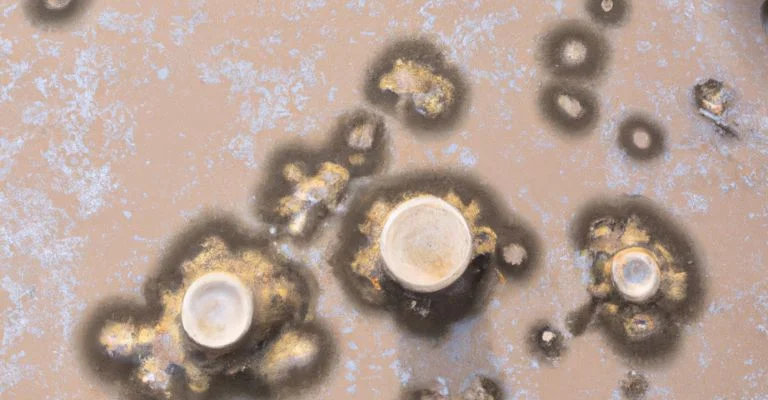
Regularly inspecting can help you catch mold growth early and prevent it from spreading. Look for discoloration, musty odors, or any visible signs of mold growth. If you find mold on your hot tub cover, clean it immediately and take steps to prevent mold growth.
You may also like our Guide to Hot Tub Umbrellas: Get Shade and Privacy.
Use a mold-resistant hot tub cover
Investing in a mold-resistant hot tub cover is another effective way to prevent mold growth. Mold-resistant covers are made of materials that are designed to repel mold and mildew, making them an excellent choice for hot tub owners.
They are also more durable and long-lasting than regular covers, saving you money in the long run. for more reading about spa cover lifter.
Maintain proper water chemistry
Maintaining proper water chemistry is crucial to preventing mold growth in your hot tub. Imbalanced water chemistry can lead to excessive bacteria growth, which can promote mold growth on your hot tub cover. Test your hot tub water regularly and adjust the chemicals as needed to keep the water balanced.
Related Products
Protective Measures to Inhibit Mold Growth
These protective measures can effectively inhibit mold growth and extend the lifespan of your hot tub cover.
To ensure that your hot tub cover is mold-free, consider the following protective measures:
Use of Protective Sprays
- UV-Protectant Products: Applying a quality UV vinyl protector three to four times a year shields your cover from the sun’s harsh rays, preventing drying and cracking, and significantly extending the cover’s life.
- Mold-Inhibiting Sprays: Products like 303® Aerospace Protectant not only protect the vinyl but also keep it shiny and looking brand new.
Ensuring Proper Ventilation
- Regular Airing: Expose the hot tub and cover to sunlight; this will help kill mold spores UV light acts as a natural oxidizer.
- Indoor Hot Tubs: If your hot tub is indoors, ensure the room is well-ventilated. Use exhaust fans or dehumidifiers to reduce humidity levels, as excessive moisture can lead to mold growth.

Real-World Example
Real homeowner example:
A customer in Spokane had mold returning every three to four weeks. The problem wasn’t the vinyl, it was the foam core which had absorbed water through a small tear. Once the cover was replaced with a mold-resistant foam core and they started leaving the cover open 20 minutes after each soak, the mold issue completely stopped.