

What Does a Hot Tub Experience Feel Like? A Beginner’s Guide

If you’ve never used a hot tub before, you might wonder what the experience actually feels like. Many people hear about the relaxation and health benefits, but the real experience is something you understand best once you step into warm bubbling water.
A hot tub combines warm water, gentle buoyancy, and massage jets to help your body relax and your mind unwind. Whether you’re soaking after a long day, recovering from exercise, or just enjoying time outdoors, a hot tub session can feel incredibly refreshing.
In this guide, you’ll learn what a hot tub experience feels like, the physical and mental benefits, how long to stay in the water, and simple tips to make every soak comfortable and safe.
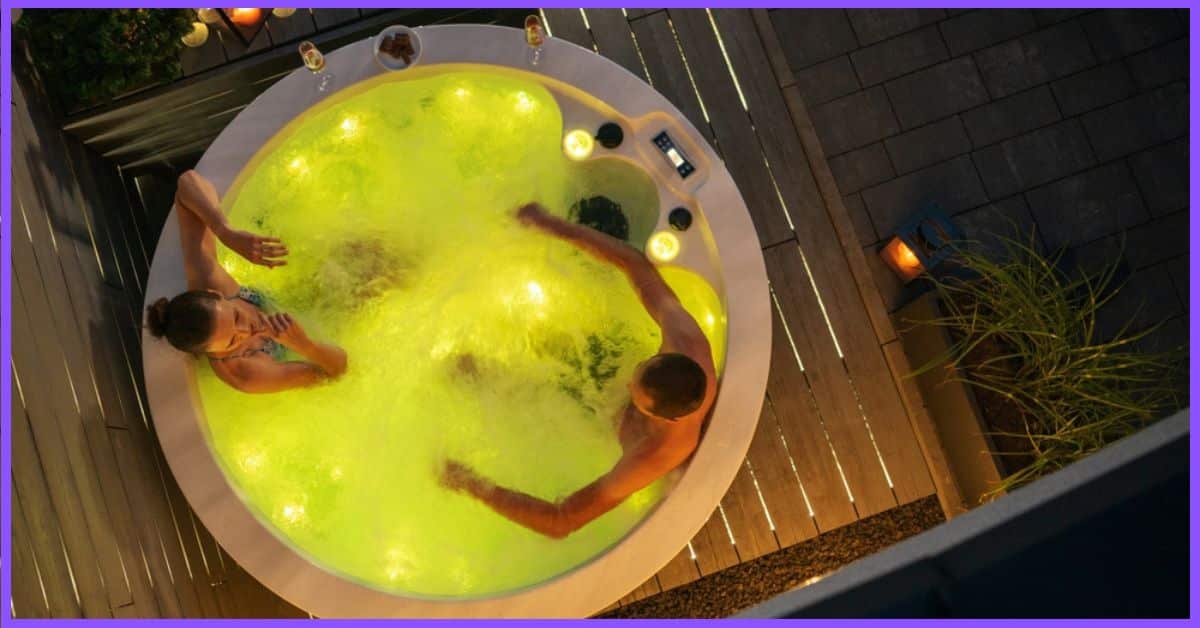
What a Hot Tub Experience Feels Like
The moment you step into a hot tub, you usually notice how quickly your body begins to relax. Warm water surrounds you, and within minutes your muscles start to loosen.
Warm Water Relaxation
Hot tub water is usually heated between 100°F and 104°F. That warmth immediately helps your body release tension and relax tight muscles.
Many people describe the feeling as similar to a warm bath, but more powerful because your whole body is supported by water.
Hydrotherapy Jet Massage
Jets are one of the best parts of the hot tub experience. These small nozzles push water under pressure to create a massage effect.
The jets are often placed around:
- your lower back
- shoulders
- feet
- calves
This targeted pressure helps loosen tight muscles and can relieve soreness after exercise.
Calm Atmosphere and Mood Lighting
Most modern hot tubs include soft LED lighting and gentle bubbling sounds. Combined with outdoor surroundings, this creates a calm environment that helps you mentally unwind.
Many people enjoy using their hot tub in the evening when the lights and steam create a peaceful atmosphere.
Feeling Weightless in Water
One of the reasons hot tubs feel so relaxing is buoyancy. Water supports your body weight, reducing pressure on joints and muscles.
This “weightless” sensation can make sitting or reclining feel much easier than resting on a chair or couch.
If you enjoy soaking regularly, you may also want to explore more ideas for relaxing in a hot tub and creating a calm backyard spa routine.
Physical Benefits of Using a Hot Tub
Beyond relaxation, hot tubs can also provide several physical benefits when used safely.
Muscle Relaxation and Pain Relief
Warm water helps improve blood flow, which allows muscles to relax faster.
Many people use hot tubs after:
- workouts
- long workdays
- outdoor activities
The combination of heat and water pressure can help reduce stiffness and muscle soreness.
Improved Circulation
Heat naturally expands blood vessels. This allows blood to circulate more easily through your body.
Better circulation can help your muscles recover faster and may reduce mild aches.
Joint Pressure Relief
Because water supports your body weight, it reduces pressure on joints. This makes hot tubs especially helpful for people dealing with:
- joint stiffness
- arthritis discomfort
- lower back tension
You can learn more about the wellness side of soaking in this guide on hot tub health benefits.

Mental and Emotional Benefits of a Hot Tub Session
Hot tubs are not only good for your body. They also provide mental relaxation that many people look forward to at the end of the day.
Stress Relief and Relaxation
Warm water naturally calms your nervous system. Sitting quietly in a hot tub can help reduce stress and allow your body to unwind after a busy day.
Even a short 15-minute soak can make a noticeable difference in how relaxed you feel.
Better Sleep After a Soak
Many people find that using a hot tub in the evening improves their sleep.
The warm water raises your body temperature slightly. When you leave the tub, your body begins cooling down, which can signal your brain that it’s time to sleep.
Time to Disconnect and Recharge
A hot tub session can also be a great time to disconnect from screens and daily distractions.
Whether you’re soaking alone or with friends, the peaceful environment often helps people slow down and relax.
Ideal Hot Tub Temperature for Comfort
Water temperature plays a big role in your overall hot tub experience.
Recommended Temperature Range
Most hot tubs are set between:
- 100°F to 104°F
This range provides enough warmth to relax muscles while staying safe for short soaking sessions.
Temperature for First-Time Users
If you’re new to hot tubs, start with a slightly lower temperature around 98°F to 100°F.
This helps your body adjust to the heat without feeling overwhelmed.
Temperature Differences for Winter vs Summer
During colder months, many people prefer warmer water. In the summer, slightly cooler temperatures can feel more comfortable.
You can explore the recommended ranges in this guide to the best hot tub temperature.
How Long Should You Stay in a Hot Tub?
A hot tub session doesn’t need to be long to feel relaxing.
Recommended Soak Time
Most experts recommend staying in a hot tub for 15 to 30 minutes at a time.
This allows you to enjoy the relaxation benefits without overheating.
Signs You Should Exit the Hot Tub
Pay attention to how your body feels. You should leave the tub if you notice:
- dizziness
- excessive sweating
- feeling lightheaded
- rapid heartbeat
Taking breaks helps your body cool down safely.
Tips to Extend Your Soak Comfortably
If you want to stay longer, try these simple tips:
- drink water regularly
- take short cooling breaks
- keep the water slightly cooler
For more detailed guidance, see this explanation of how long you should stay in a hot tub.
Safety Tips for First-Time Hot Tub Users
Hot tubs are very safe when used correctly, but beginners should keep a few basic guidelines in mind.
Stay Hydrated
Warm water can cause mild dehydration because your body sweats while soaking. Drinking water before and after your session helps prevent this.
Avoid Alcohol While Soaking
Alcohol combined with heat can increase the risk of dizziness or fainting. It’s safer to enjoy your hot tub without alcohol.
Monitor Water Temperature
Water that is too hot can raise your body temperature quickly. Always check the temperature before entering.
Supervise Children
Children should only use hot tubs under adult supervision, and the water temperature should be kept slightly lower.
For more detailed guidelines, review these safety precautions when using hot tubs.
How to Create the Perfect Hot Tub Experience at Home
A few small upgrades can make your hot tub sessions even more enjoyable.
Add Relaxing Lighting
Soft outdoor lighting or LED spa lights can create a peaceful atmosphere in your backyard.

Use Aromatherapy Scents
Spa fragrances designed for hot tubs can add a calming scent to the water without affecting water chemistry.
Play Relaxing Music
Many hot tub owners use waterproof speakers to play calming music while they soak.
Choose the Right Time of Day
Morning soaks can feel energizing, while evening sessions help your body relax before sleep.
Adding simple upgrades like these hot tub accessories can make your backyard spa experience even better.
Common Mistakes First-Time Hot Tub Users Make
New hot tub users sometimes make a few simple mistakes that can affect their comfort.
Common examples include:
- setting the water temperature too high
- staying in the tub for too long
- forgetting to drink water
- not maintaining proper water balance
Keeping your water clean and balanced helps your hot tub stay safe and enjoyable. If you’re new to spa care, the hot tub water care guide explains the basics.
Why People Love the Hot Tub Experience
For many homeowners, a hot tub becomes one of their favorite places to relax.
It offers a unique combination of:
- physical relaxation
- stress relief
- social time with family or friends
- quiet moments outdoors
Whether you use it daily or only on weekends, a hot tub can turn an ordinary backyard into a relaxing personal retreat.
Frequently Asked Questions
What does a hot tub feel like for the first time?
Most people describe their first hot tub experience as deeply relaxing. Warm water surrounds your body while jets massage your muscles, creating a calming and weightless sensation.
How long should a beginner stay in a hot tub?
Beginners should start with about 10 to 15 minutes. Once your body gets used to the heat, you can gradually extend sessions to around 20 to 30 minutes.
What temperature should a hot tub be set to?
Most hot tubs are set between 100°F and 104°F. Beginners may prefer starting closer to 98°F or 100°F.
Is it safe to use a hot tub every day?
Yes, many people safely use hot tubs daily. Keeping soak sessions short and maintaining proper water chemistry helps ensure safe use.
Can hot tubs help relieve stress?
Yes. Warm water, buoyancy, and hydrotherapy jets all help relax muscles and calm the nervous system, which can reduce stress and tension.




4 Comments