
Cold Plunge Pool vs Hot Tub: Which Is Better for Summer?

When summer hits and temperatures climb, your backyard setup starts to matter a lot more. You want something that helps you cool down, relax, and actually enjoy being outside, not something that makes you feel overheated.
That’s where the big question comes in. Should you go with a cold plunge pool or stick with a hot tub?
Both have their place. But they serve very different purposes, especially during warmer months. In this guide, you’ll get a clear, no-confusion comparison so you can decide what actually fits your lifestyle this summer.
Cold Plunge Pool vs Hot Tub: Quick Answer
If you just want the short version:
- Cold plunge pool is best for cooling off, recovery, and beating the heat
- Hot tub is better for relaxation, stress relief, and evening use
- In summer, many people use cold plunge during the day and hot tub at night
That combo gives you the best of both worlds.
What Is a Cold Plunge Pool?
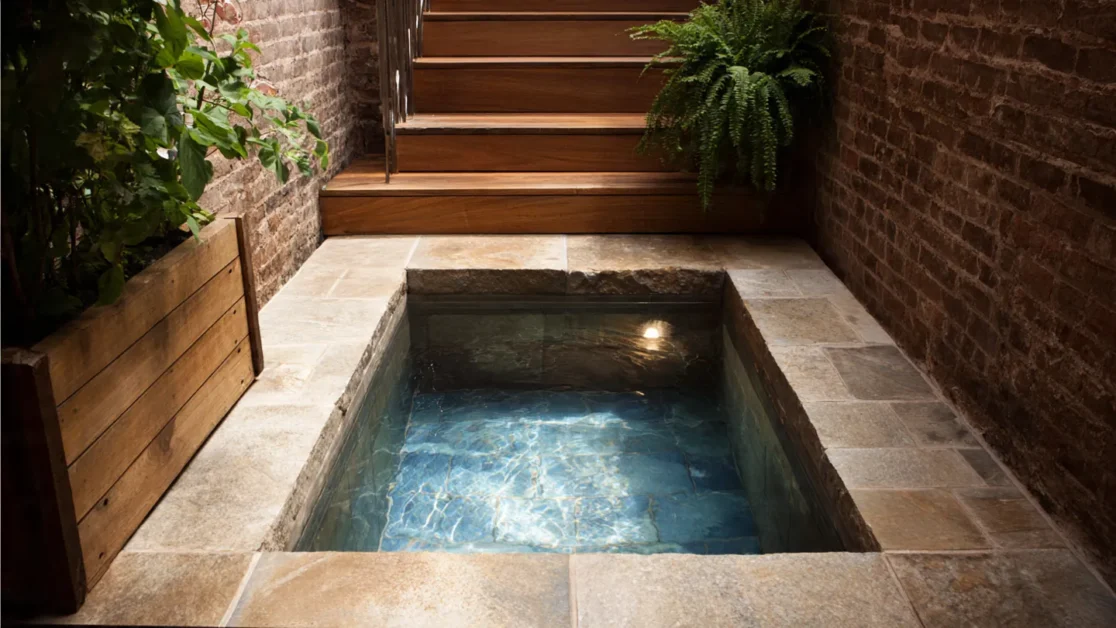
A cold plunge pool is exactly what it sounds like, a small pool filled with cold water designed for short, refreshing dips.
How a Cold Plunge Works
Cold plunge pools usually stay between 50°F and 59°F. You only stay in for a few minutes at a time.
That sudden cold exposure:
- boosts circulation
- wakes up your body
- helps reduce muscle soreness
Why People Use Cold Plunges in Summer
This is where cold plunges really shine.
- You cool down instantly on hot days
- It feels refreshing instead of overwhelming
- Great after workouts or yard work
If you’ve been exploring plunge pool and cold plunge setups, this is exactly why they’ve become so popular lately.
What Is a Hot Tub?
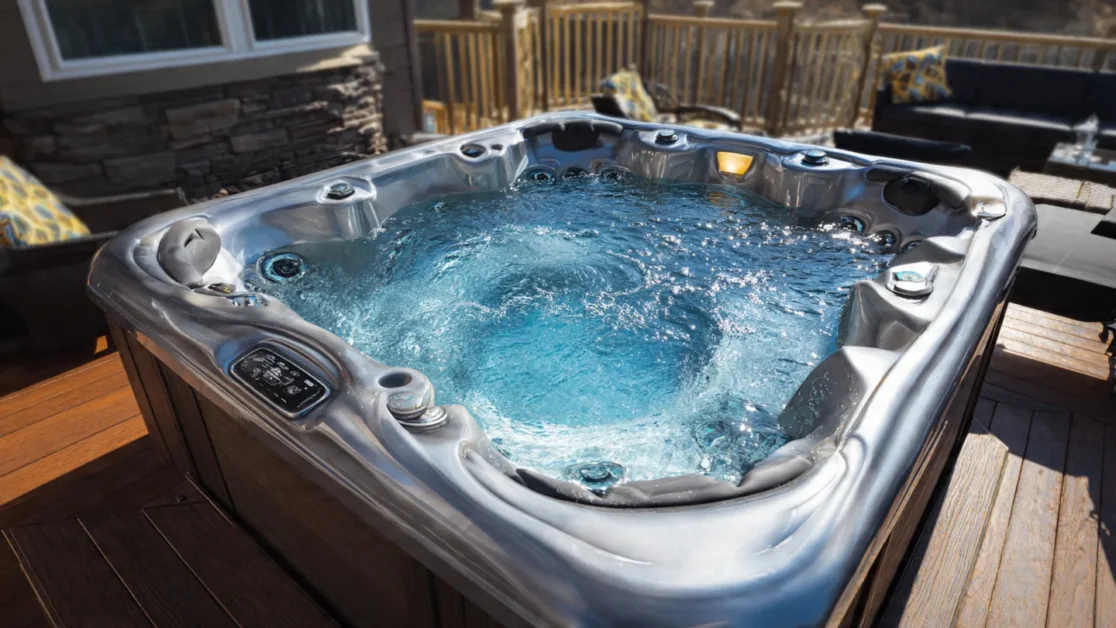
A hot tub is designed for comfort and relaxation, with warm water and massage jets.
How a Hot Tub Works
Hot tubs typically run between 98°F and 104°F. The jets move water around your body, creating a soothing massage effect.
You can stay in much longer than a cold plunge, usually 15 to 30 minutes.
Why People Still Use Hot Tubs in Summer
Even in summer, hot tubs don’t lose their value.
- Perfect for evenings when temperatures drop
- Helps relieve muscle tension
- Great for social time with friends or family
If you enjoy unwinding, you’ll probably relate to this idea of relaxing in a hot tub after a long day.
Cold Plunge vs Hot Tub: Key Differences
Let’s break it down in a simple way so you can see what really matters.
Temperature and Body Response
- Cold plunge shocks your system and wakes you up
- Hot tub relaxes your muscles and slows you down
They do almost opposite things, and that’s the point.
Health Benefits Comparison
- Cold plunge:
- reduces inflammation
- helps recovery
- boosts energy
- Hot tub:
- relieves stress
- improves sleep
- soothes sore muscles
Usage Time and Comfort
- Cold plunge: short sessions, usually a few minutes
- Hot tub: longer, more comfortable soaking
Energy and Running Costs
- Cold plunge can be cheaper if naturally cooled
- Hot tubs require heating, which increases cost
You can estimate your setup using tools like a hot tub running cost calculator to get a clearer picture.
Which Is Better for Summer?
This really depends on how you plan to use it.
Best Choice for Hot Weather
Cold plunge wins here, no question.
It helps you cool down fast and actually enjoy being outside when it’s hot.
Best Choice for Relaxation
Hot tub still wins.
Especially in the evening when the temperature drops, it becomes the perfect way to unwind.
Best Choice for Families and Guests
Hot tubs are more social.
People can sit, talk, and relax together without jumping in and out quickly.
Best Setup for Maximum Enjoyment
Honestly, the best setup is using both.
Cold plunge during the day
Hot tub at night
That balance is becoming really popular for a reason.
Can You Use a Hot Tub in Summer Without Overheating?
Yes, you just need to adjust how you use it.
Lowering Water Temperature
Drop your hot tub temperature to around 95°F or lower. That makes a big difference.
Best Time to Use
- Early morning
- Late evening
Avoid peak afternoon heat.
Simple Cooling Tips
- Keep your tub shaded
- Remove the cover before use
- Let water cool slightly between sessions
You can also explore more energy-efficient hot tub solutions to manage temperature and costs better.
Can You Turn Your Hot Tub Into a Cold Plunge?
A lot of people try this, and sometimes it works.
When This Works
If your hot tub allows lower temperature settings, you can cool it down.
Limitations
- It takes time to cool
- Most hot tubs don’t go very cold
- Not designed for true plunge temps
Alternative Options
- Dedicated cold plunge tubs
- DIY setups with ice or chillers
Cold Plunge vs Hot Tub: Cost Comparison
Money matters, especially if you’re planning a new setup.
Upfront Cost
- Cold plunge can be cheaper, especially DIY
- Hot tubs cost more upfront
Monthly Cost
- Hot tubs cost more due to heating
- Cold plunge costs vary depending on cooling method
Maintenance Differences
Both require:
- water care
- cleaning
- basic chemical balance
If you’re unsure about costs, a hot tub cost calculator can help you estimate everything.
Common Mistakes to Avoid
A few things that trip people up:
- Staying too long in cold water
- Using hot tubs during peak heat
- Forgetting to hydrate
- Not adjusting temperature for the season
These small mistakes can ruin the experience quickly.
Who Should Choose a Cold Plunge?
A cold plunge is a better fit if you:
- live in a hot climate
- want quick cooling
- focus on fitness or recovery
Who Should Choose a Hot Tub?
A hot tub is better if you:
- want relaxation and comfort
- enjoy social soaking
- plan to use it year-round
If you’re still deciding, this hot tub buying guide for first-time owners can help you choose the right setup.
Best Option: Using Both Together
This is where things get interesting.
Alternating between hot and cold, often called contrast therapy, is becoming really popular.
Simple routine:
- Sit in hot tub for 10–15 minutes
- Switch to cold plunge for 2–3 minutes
- Repeat if comfortable
It boosts circulation and gives you both relaxation and recovery benefits.
Conclusion
There’s no one perfect answer here.
If your goal is to stay cool during summer days, a cold plunge pool is hard to beat. It’s refreshing, energizing, and perfect for hot weather.
But hot tubs still have their place. Especially in the evening, they offer a level of comfort and relaxation that cold water just can’t match.
If you can, having both gives you the best experience. If not, just choose based on how you actually want to use your backyard this summer.
Frequently Asked Questions
Is a cold plunge better than a hot tub in summer?
For daytime use in hot weather, yes. Cold plunges help you cool down quickly, while hot tubs are better for evenings.
Can I use my hot tub in hot weather?
Yes, just lower the temperature and use it during cooler parts of the day like mornings or evenings.
What temperature should a cold plunge be?
Most cold plunges stay between 50°F and 59°F for safe and effective use.
Can I switch between hot tub and cold plunge?
Yes, alternating between hot and cold is common and can improve circulation and recovery.
Which is cheaper to run in summer?
Cold plunges are usually cheaper, especially if you don’t need active cooling. Hot tubs cost more due to heating.