
Hot Tub Buying Guide for First Time Buyers

Buying a hot tub sounds exciting until you start researching them. Suddenly you’re comparing jet counts, electrical setups, insulation types, monthly costs, and dozens of brands that all claim to be the best. If you’re researching hot-tub terms in Spanish, our hot tub in Spanish guide is a helpful companion. Before choosing a sauna, compare local options in our Norman infrared sauna buying guide and learn how to build a low-cost setup with our DIY home sauna guide. For the basics of spa equipment, see what a hot tub is and how it works.
If you’re feeling overwhelmed, you’re not alone.
This hot tub buying guide breaks everything down in simple terms so you can choose the right hot tub for your backyard, budget, and lifestyle. You’ll learn what actually matters, what many first time buyers regret overlooking, and how to avoid expensive mistakes before you buy.
If you’re still learning the basics, this beginner friendly guide to understanding how hot tubs work can help you feel more confident before shopping.
Is Buying a Hot Tub Worth It?
For many homeowners, yes. A hot tub can become one of the most used parts of your backyard.
People buy hot tubs for:
- stress relief
- muscle recovery
- family time
- better sleep
- backyard entertainment
- year round relaxation
Many owners use their tub far more during cold weather than summer. Sitting in 102°F water on a cold evening is hard to beat.
Still, hot tubs aren’t perfect for everyone.
Will You Regret Buying a Hot Tub?
Some people do regret buying a hot tub, but it usually comes down to unrealistic expectations.
A common mistake first time buyers make is assuming hot tubs are maintenance free. They do require regular water care, cleaning, and electricity.
You may regret your purchase if:
- you buy the wrong size
- your electrical costs are very high
- you ignore maintenance
- you buy a poorly insulated cheap model
- you rarely use it
On the other hand, many homeowners say their hot tub becomes part of their weekly routine once they get comfortable with maintenance.
If you want a realistic look at ownership costs, this guide on how much a hot tub costs to run monthly is worth checking before you buy.
What to Know Before Buying a Hot Tub
Before you compare brands or features, think about your backyard setup first.
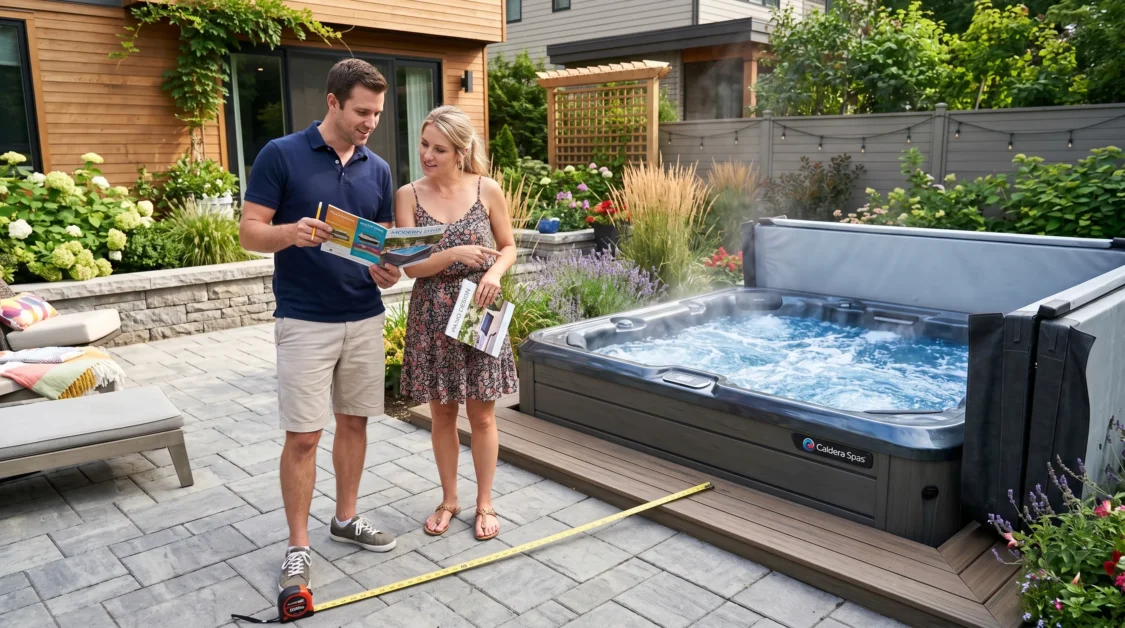
Space Requirements
Most standard hot tubs need:
- a flat surface
- strong foundation
- electrical access
- room for maintenance access
- enough walking space around the tub
Even a small 4 person tub can take up a surprising amount of patio space once steps and cover clearance are included.
Electrical Requirements
This catches many first time buyers off guard.
Most full size acrylic hot tubs need:
- 220V connection
- dedicated breaker
- GFCI protection
- professional electrician installation
Plug and play models use 110V outlets, but they usually heat slower and have weaker jet performance.
Before installation, read these common hot tub wiring mistakes homeowners make.
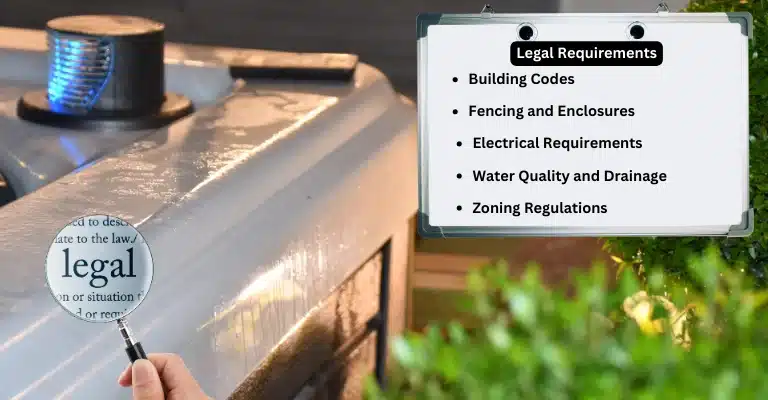
Do You Need a Permit?
In many U.S. cities, yes.
Permit requirements vary depending on:
- electrical work
- deck installation
- fencing rules
- local safety codes
Always check local regulations before delivery day.
Types of Hot Tubs Explained
Not every hot tub fits every homeowner.
Inflatable Hot Tubs
Inflatable models are cheaper and easier to install.
They’re popular with:
- renters
- beginners
- smaller budgets
- temporary setups
Pros:
- affordable
- portable
- simple setup
Cons:
- shorter lifespan
- weaker insulation
- less powerful jets
If you’re considering one, this full guide to inflatable hot tubs for beginners covers the pros and cons in detail.
Plug and Play Hot Tubs
These use standard 110V outlets and don’t need major electrical upgrades.
They’re easier to install but usually:
- heat slower
- have lower jet power
- struggle in colder climates
Acrylic Portable Hot Tubs
This is the most common premium style.
They offer:
- stronger hydrotherapy jets
- better insulation
- longer lifespan
- more seating options
These are usually the best long term investment for homeowners.
Saltwater Hot Tubs
Saltwater systems use generators to create sanitizer automatically.
Many owners like them because:
- water feels softer
- there’s less chemical smell
- maintenance can feel simpler
But they also cost more upfront.
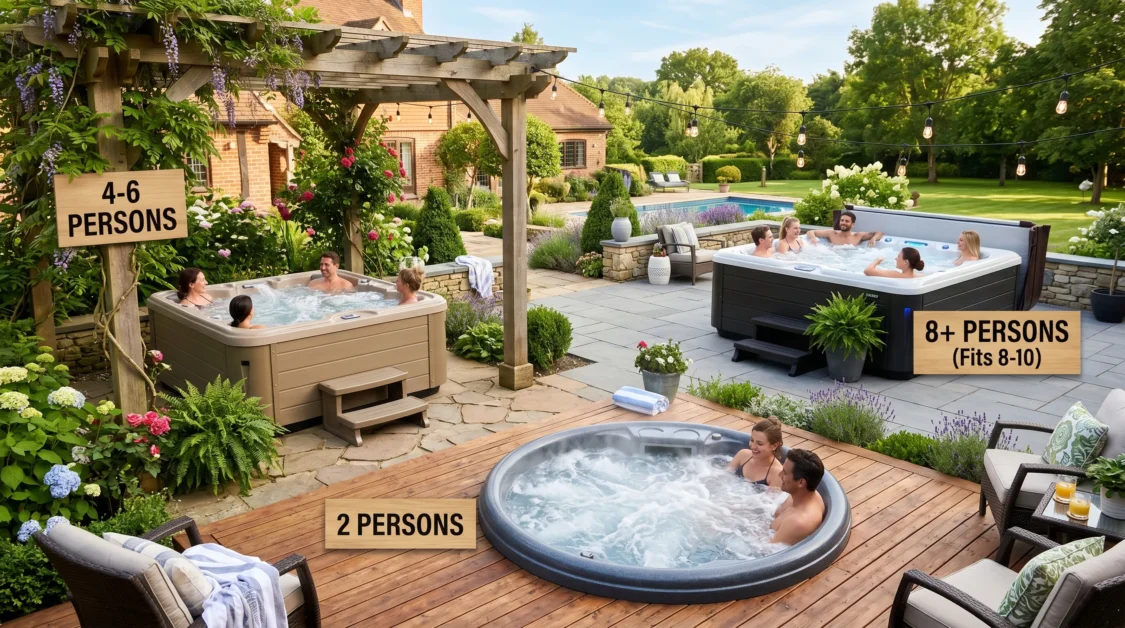
How to Choose the Right Hot Tub Size
Bigger isn’t always better.
A common mistake is buying a large tub for “future guests” that rarely come over.
Small Hot Tubs
2 to 4 person tubs work well for:
- couples
- small patios
- lower electricity costs
Medium and Large Hot Tubs
5 to 7 person tubs are better for:
- families
- entertaining
- larger backyards
Remember that advertised seating capacity is usually tight.
A “6 person” hot tub may feel crowded with 6 adults.
Use this hot tub size calculator if you’re unsure what size fits your space and usage needs.
Important Features That Actually Matter
Some features are useful. Others are mostly marketing.
Jet Quality Matters More Than Jet Count
Don’t get distracted by tubs claiming 80 or 100 jets.
A smaller number of high quality jets often performs better than dozens of weak ones.
Look for:
- adjustable jets
- targeted therapy seats
- strong water pressure
- comfortable placement
Energy Efficiency
Poor insulation can make your electricity bill painful during winter.
Look for:
- full foam insulation
- quality covers
- energy efficient pumps
- insulated cabinets
These energy efficient hot tub solutions can save a surprising amount of money long term.
Filtration System
A good filtration system makes maintenance easier.
Look for:
- easy filter access
- multi stage filtration
- circulation pumps
Smart Controls
Many newer tubs now include:
- WiFi controls
- smartphone apps
- scheduling systems
- remote temperature control
Nice to have? Yes.
Necessary? Not really.
Best Hot Tub Brands to Consider
The best hot tub brand depends on your budget and priorities.
Premium Brands
These usually offer:
- excellent insulation
- better warranties
- stronger dealer support
Popular names include:
- Jacuzzi
- Hot Spring
- Sundance Spas
- Bullfrog Spas
Mid Range Brands
These balance price and performance well for many homeowners.
Budget Brands
Cheaper tubs can work fine, but quality varies a lot.
A common frustration with low end models is:
- weak insulation
- shorter lifespan
- harder warranty support
- pump failures
Before buying, spend time researching reviews from real owners instead of relying only on showroom sales pitches.
You can compare more options inside this hot tub brand buying section.
How Much Does a Hot Tub Cost?
This is one of the biggest buyer questions.
Purchase Price
Typical U.S. price ranges:
- inflatable hot tubs: $300 to $1,500
- plug and play tubs: $2,000 to $5,000
- acrylic hot tubs: $5,000 to $15,000+
Luxury models can go much higher.
Installation Costs
Many first time buyers forget about:
- electrical upgrades
- concrete pads
- crane delivery
- permits
Installation alone can add thousands of dollars.
Monthly Costs
Most homeowners spend:
- $20 to $80 monthly on electricity
- additional money on chemicals and maintenance
Cold climates increase operating costs.
You can estimate expenses with this hot tub electricity usage calculator.

Hidden Costs Buyers Forget
This is where many first time owners get surprised.
Replacement Covers
Quality covers usually need replacement every few years.
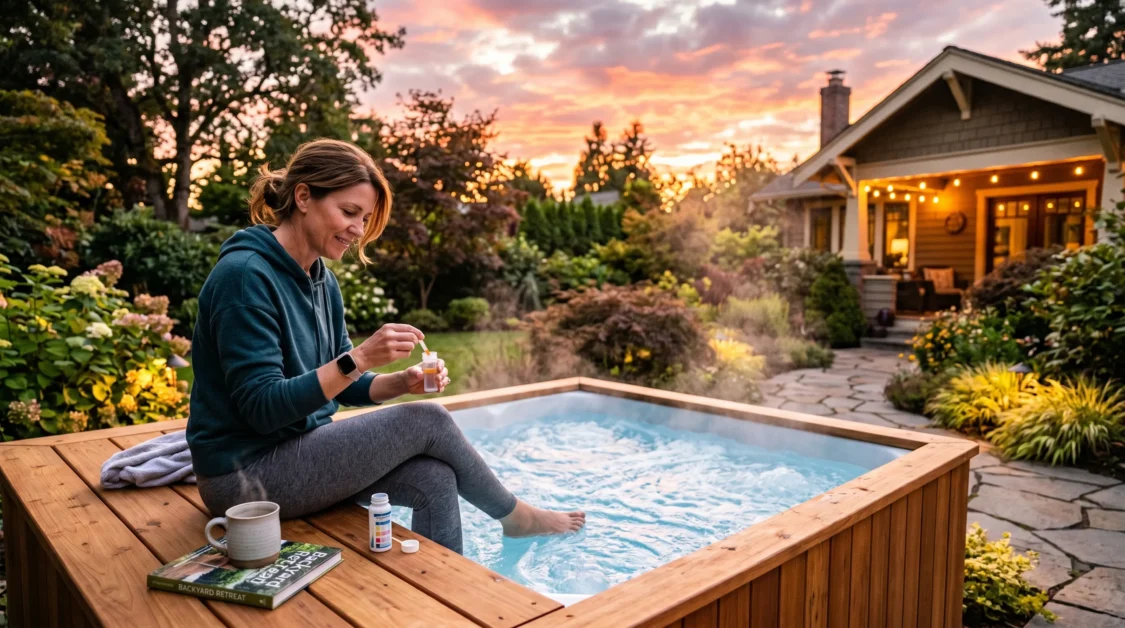
Chemicals and Water Care
You’ll regularly buy:
- sanitizer
- shock
- pH adjusters
- test strips
Learning basic water care early makes ownership much easier.
This beginner guide to hot tub water chemistry explains the basics without overwhelming technical language.
Repairs
Eventually:
- pumps wear out
- heaters fail
- covers crack
- jets clog
A quality tub usually reduces repair headaches long term.
Inflatable vs Hard Shell Hot Tubs
This comparison comes up constantly in buying guides and Reddit discussions.
| Feature | Inflatable | Hard Shell |
|---|---|---|
| Upfront Cost | Lower | Higher |
| Lifespan | Shorter | Longer |
| Jet Power | Moderate | Strong |
| Energy Efficiency | Lower | Better |
| Installation | Easy | More involved |
| Winter Performance | Limited | Better |
Inflatable models are great for testing whether hot tub ownership fits your lifestyle.
Hard shell tubs are usually the better long term investment.
Wet Testing Before Buying
If possible, always wet test a hot tub before buying.
A tub can look great in a showroom but feel uncomfortable once you’re sitting in it.
During a wet test, check:
- seat comfort
- jet pressure
- foot room
- noise levels
- ease of controls
Many buyers skip this step and regret it later.
Common Mistakes First Time Buyers Make
Buying Based Only on Price
Cheap tubs often become expensive later through repairs and high energy costs.
Ignoring Insulation
This matters more than flashy lighting or speakers.
Choosing the Wrong Size
Too small feels cramped. Too large wastes money and energy.
Underestimating Maintenance
Hot tubs are easier to maintain once you learn the basics, but they still require attention.
Following a simple hot tub maintenance routine for beginners helps prevent most common problems.
Best Time of Year to Buy a Hot Tub
The best deals usually happen:
- late fall
- winter clearance periods
- holiday sales
- showroom floor model events
Many buyers save money by shopping after peak summer demand slows down.
This guide explains the best time of year to buy a hot tub and what discounts to watch for.
Hot Tub Maintenance Reality Check
Many people ask if hot tubs are hard to maintain.
Honestly, once you learn the basics, they’re pretty manageable.
Weekly tasks usually include:
- testing water
- adjusting chemicals
- rinsing filters
- checking water level
Every few months:
- drain and refill the tub
- deep clean filters
- wipe surfaces
Most owners spend far less time maintaining their tub than they originally feared.
Final Thoughts on Choosing the Right Hot Tub
The best hot tub isn’t always the biggest or most expensive model.
It’s the one that fits:
- your backyard
- your budget
- your climate
- your lifestyle
If you focus on comfort, insulation, reliable construction, and realistic ownership expectations, you’ll avoid most beginner mistakes.
Take your time, compare carefully, and don’t let flashy showroom features distract you from the basics that really matter.
Frequently Asked Questions
What should I look for when buying a hot tub?
Focus on insulation, jet quality, seating comfort, warranty support, and energy efficiency before flashy extras like lighting or speakers.
How much should I spend on a good hot tub?
Most homeowners spend between $5,000 and $12,000 for a reliable acrylic hot tub with good insulation and warranty coverage.
Are inflatable hot tubs worth it?
Yes, especially for beginners or smaller budgets. They’re affordable and easy to set up, though they usually don’t last as long as hard shell models.
What hot tub brands should I avoid?
Instead of focusing only on brand names, pay attention to warranty support, dealer reputation, insulation quality, and long term owner reviews.
How much does a hot tub add to your electric bill?
Most hot tubs add about $20 to $80 monthly depending on insulation quality, weather, electricity rates, and usage habits.
Do hot tubs require a lot of maintenance?
Not usually. Most owners spend a few minutes each week testing water and cleaning filters.
Can I put a hot tub on my patio?
Yes, if the patio can safely support the weight of the filled tub and meets installation requirements.
Is a saltwater hot tub better than chlorine?
Some owners prefer saltwater because it feels softer on skin, but it also costs more upfront and still requires maintenance.
How long do hot tubs usually last?
A quality hot tub can last 10 to 20 years with proper care and maintenance.
What size hot tub is best for a family?
Most families are comfortable with a 5 to 7 person hot tub that offers open seating and enough legroom.