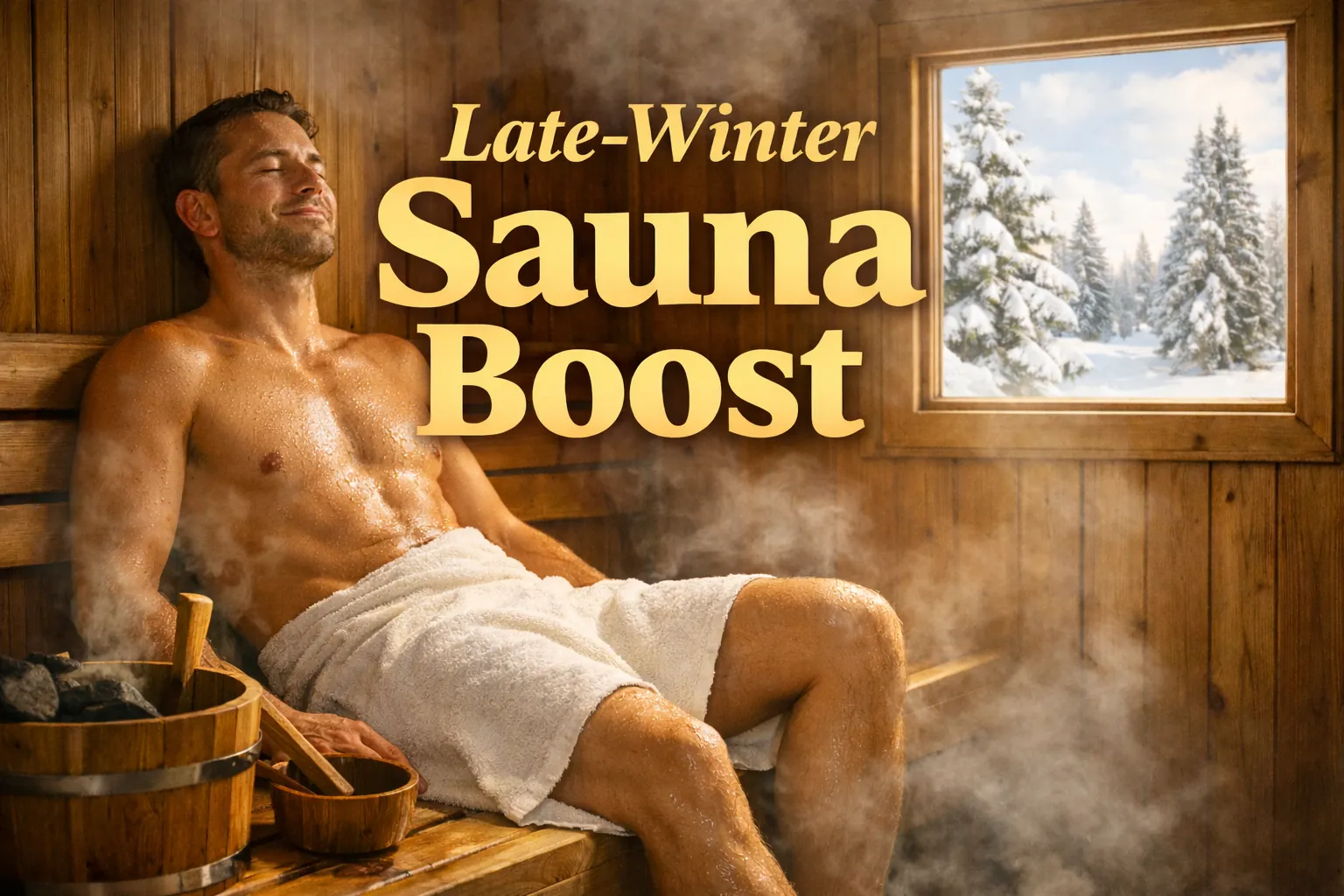
Why Sauna Baths Are the Perfect Late-Winter Wellness Boost

Late winter can feel heavy on the body. Cold weather lingers, energy levels drop, and many people start feeling the effects of months spent indoors.
This is exactly when sauna baths become especially valuable. Heat therapy warms the body, relaxes muscles stiff from winter, and creates a calm reset before spring arrives.
In this guide, you’ll learn why sauna sessions work so well during the final weeks of winter, what health benefits they offer, and how to safely build a simple sauna routine that supports overall wellness.
Why Sauna Baths Are So Effective in Late Winter
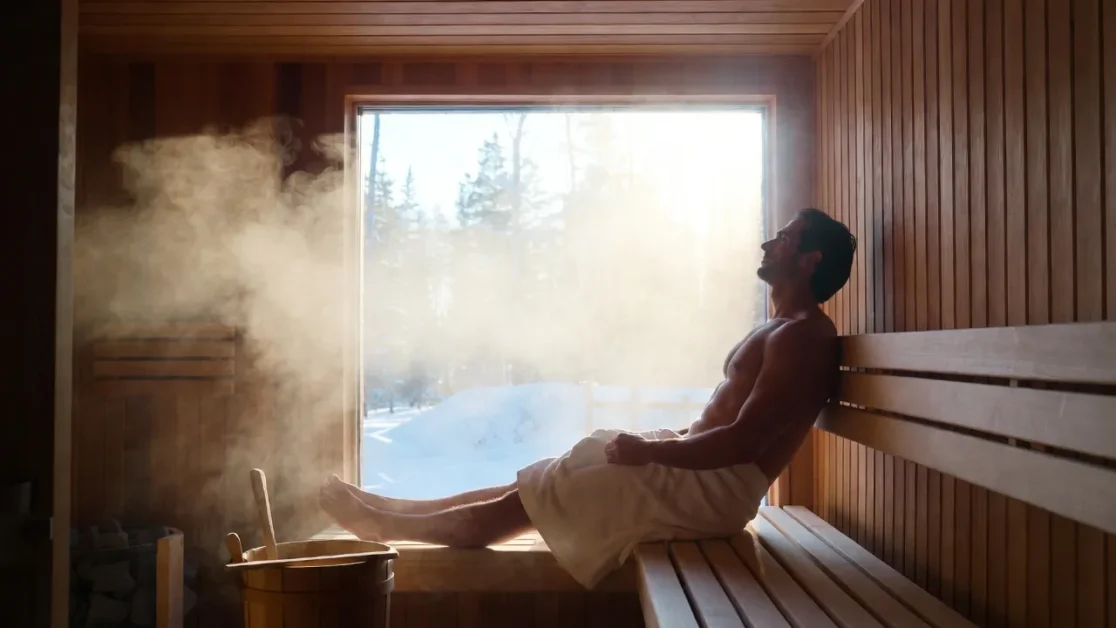
Sauna baths are particularly effective in late winter because heat therapy improves circulation, relaxes muscles that tighten during cold weather, and encourages deep relaxation after months of seasonal stress.
When people spend most of winter indoors, physical activity often drops and stiffness increases. A sauna session gently warms the body from the inside out, helping restore comfort and mobility.
Many people also notice that the calming heat creates a mental reset. In everyday sauna use, the warmth helps people slow down and relax after long winter days.
If you’re new to sauna routines, this overview of sauna benefits and usage explains how regular sessions support overall wellness.
Late-Winter Sauna Benefits at a Glance
| Sauna Benefit | Why It Helps in Late Winter |
|---|---|
| Improved circulation | Heat expands blood vessels and warms the body after cold exposure |
| Muscle relaxation | Sauna heat helps loosen tight muscles caused by winter inactivity |
| Stress relief | Warm sessions calm the nervous system and promote relaxation |
| Respiratory comfort | Heat and humidity can help soothe dry winter airways |
| Better sleep | Evening sauna sessions often improve relaxation before bedtime |
From a practical standpoint, many experienced sauna users notice that these benefits become more noticeable after several consistent sessions.
Why Late Winter Is the Perfect Time for Sauna Therapy
Cold weather affects the body in several ways. Muscles tighten, circulation slows slightly, and many people experience fatigue from shorter daylight hours.
Sauna heat therapy helps counter these seasonal effects.
In most home sauna setups, temperatures typically range between 150°F and 195°F depending on the type of sauna. This level of heat encourages the body to warm up gradually and begin sweating.
Over time, regular sauna sessions help the body feel more relaxed and energized. If you’re curious about optimal heat levels, this guide on sauna temperature explains how different ranges affect the experience.
How Sauna Baths Help the Body Recover From Winter Stress
Sauna bathing supports several natural wellness processes. Many of these benefits become more noticeable during colder months when the body spends less time outdoors.
Improved circulation
Heat exposure encourages blood vessels to expand, which improves circulation throughout the body.
Many first-time sauna users notice that the skin warms quickly during the first few minutes. After about 10 minutes, circulation increases and sweating usually becomes more noticeable.
Muscle relaxation and recovery
Winter weather often leads to tight muscles and reduced activity. Sauna heat helps relax muscle fibers and may reduce stiffness.
Many athletes also use saunas for recovery. If you’re curious how heat sessions fit into training routines, this article about sauna before or after workout explains the timing.
Stress relief and relaxation
Sauna sessions naturally encourage relaxation. The warm environment signals the nervous system to slow down and release tension.
Many regular sauna users describe a calm, relaxed feeling that lasts well after the session ends.
Immune and Respiratory Comfort During Late Winter
Late winter often overlaps with cold and flu season. Dry indoor air and temperature swings can make respiratory discomfort more noticeable.
Sauna heat helps warm the airways and encourages sweating, which supports the body’s natural cooling and detox processes.
Some people also report that regular sauna sessions help them feel more relaxed and resilient during colder months. While saunas aren’t a cure for illness, many people use them as part of a broader wellness routine.
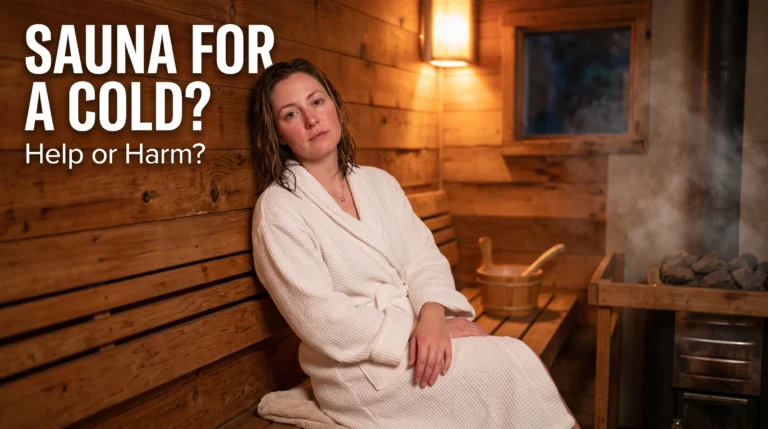
This guide explores whether sauna use during a cold and how they may support seasonal comfort.
Best Types of Saunas for Winter Wellness
Different sauna styles offer slightly different experiences. All can support late-winter wellness, but each works a bit differently. For related planning, see How to Create the Perfect Indoor Sauna Nook.
Traditional sauna
A traditional sauna uses a heater and sauna stones to generate dry heat.
These saunas reach higher temperatures and produce an intense warming effect that many people enjoy during cold weather.
If you want to understand how these systems work, this guide on traditional sauna explains the setup.
Infrared sauna
Infrared saunas heat the body directly rather than heating the air as much.
Many beginners prefer infrared sauna sessions because the heat feels gentler while still encouraging sweating and relaxation.
Steam sauna
Steam saunas introduce humidity along with heat. This environment can feel soothing during dry winter months when the air tends to irritate the throat and sinuses.
Each sauna type offers slightly different benefits, but the goal remains the same: warming the body and promoting relaxation.
Why Sauna Baths Feel Especially Good in Cold Weather
One reason sauna baths feel so satisfying in winter is the contrast between cold outdoor air and warm indoor heat.
If you’ve ever used a sauna during a cold day, you’ve probably noticed how quickly the body relaxes once the warmth builds.
During the first few minutes of a sauna session, the heat usually feels mild. After several minutes, the warmth spreads throughout the body and sweating begins.
Many experienced sauna users alternate between heat and cooling breaks, which creates a refreshing cycle that leaves the body feeling energized.
How to Use a Sauna Safely During the Winter Months
Using a sauna safely is simple once you understand a few basic guidelines.
A safe sauna routine
- Start with a 10–15 minute sauna session
- Drink water before and after the session
- Take a short cooling break between rounds
- Repeat the session if comfortable
Many beginners expect the heat to feel intense immediately, but sauna warmth usually builds gradually.
For detailed safety advice, this guide on sauna safety covers common precautions and best practices.
A Simple Late-Winter Sauna Routine
Consistency matters more than long sessions.
A simple routine might look like this:
- 2 to 3 sauna sessions per week
- 10 to 15 minutes per session
- cooling breaks between rounds
- hydration before and after sessions
Many people notice that after several consistent sauna sessions, relaxation improves and the body adapts to the heat more comfortably.
Regular sauna use can become a calming weekly habit during the colder months.
Common Sauna Mistakes People Make in Winter
A few beginner mistakes can reduce the benefits of sauna sessions.
Common issues include:
- staying too long during the first session
- not drinking enough water
- entering the sauna immediately after extreme cold exposure
- assuming hotter always means better
Many first-time users underestimate how important hydration is. Drinking water before and after sauna sessions helps prevent fatigue.
Learning proper sauna habits early helps create a more enjoyable experience.
Practical Tips for Getting the Most Out of Late-Winter Sauna Sessions
A few simple habits can make sauna sessions more comfortable and effective.
Helpful tips include:
- bring a towel to sit on for comfort
- stretch lightly after the session
- allow time for cooling down
- use sauna sessions in the evening for relaxation
Many experienced sauna users discover that the calming effect improves when sauna sessions become part of a regular routine.
Who Benefits Most From Late-Winter Sauna Use
Sauna baths can benefit many different people, especially during the colder months.
Those who often see the most benefits include:
- people with sedentary winter routines
- athletes recovering from workouts
- individuals dealing with winter fatigue
- people living in colder climates
In everyday sauna use, the warmth helps restore comfort and relaxation that winter weather often takes away.
FAQs:
Can I use a sauna every day in winter?
Yes, many people use saunas several times per week, but beginners should start with shorter sessions and gradually increase frequency.
Do I need to drink water before sauna sessions?
Yes. Hydration before and after sauna use helps replace fluids lost through sweating.
Is it okay if I stay longer than 15 minutes?
Beginners should limit sessions to about 10–15 minutes and increase gradually as their body adapts.
Can sauna baths help winter fatigue?
Many people report improved relaxation and energy levels after regular sauna sessions during colder months.
What’s the best way to cool down after a sauna?
Stepping into cooler air, taking a lukewarm shower, or resting for a few minutes helps the body return to a normal temperature.
Conclusion
Late winter is the perfect time to enjoy the wellness benefits of sauna baths. As the body adjusts to months of cold weather, sauna heat helps improve circulation, relax muscles, and promote deep relaxation.
Regular sauna sessions can become a simple seasonal routine that supports both physical comfort and mental well-being. With safe habits and consistent use, sauna therapy offers a warm and calming way to transition from winter into spring