Inner Light Sauna:

The quiet heat that works deeper than you expect.
The first time most people try an Inner Light Sauna, the surprise isn’t how hot it feels. It’s how relaxed and loose their body feels afterward. That reaction raises a simple question, what’s actually happening inside your body when the heat feels gentle but the effects feel strong?
What Is an Inner Light Sauna?
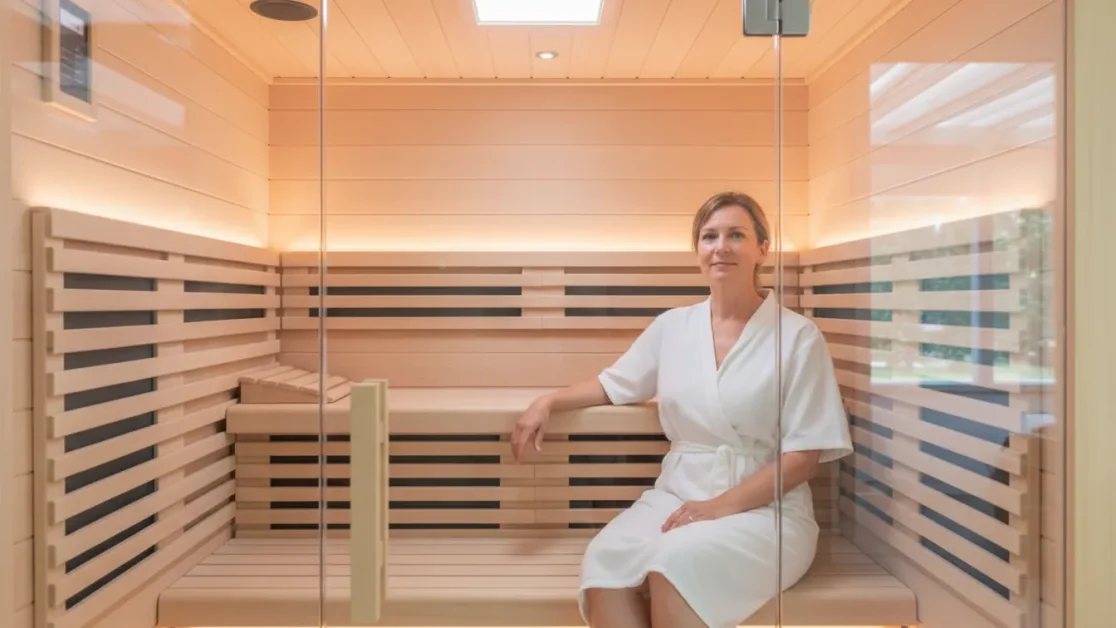
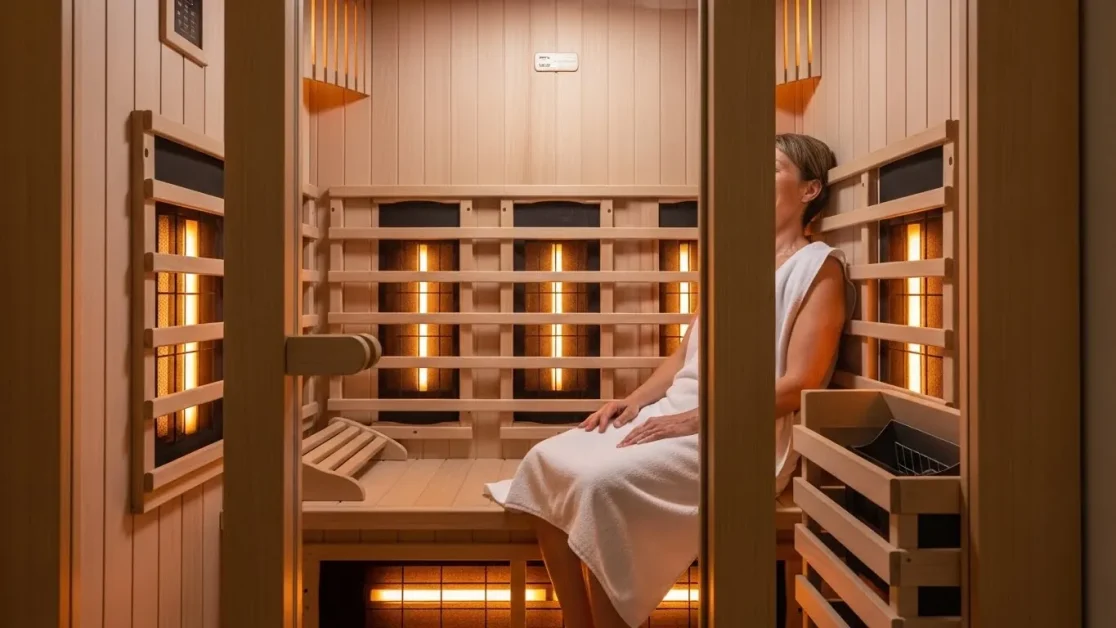
An Inner Light Sauna is a type of infrared sauna that heats your body directly using infrared light instead of heating the air around you.
That difference matters.
Traditional saunas rely on hot air or steam. Infrared saunas use light waves that penetrate the skin and warm tissue from the inside out. Because of this, sessions run at lower temperatures but still create deep sweating and muscle relaxation.
Typical operating range
- Inner Light Sauna: 120°F–140°F
- Traditional sauna: 170°F–190°F
This lower heat is why many people can stay longer and feel less drained afterward.
If you want a broader overview of sauna styles and how they fit into home wellness, this breakdown of saunas and bath setups gives helpful context.
How Inner Light Saunas Are Different From Traditional Saunas
Heat delivery
- Infrared sauna: Heats your body directly using light energy
- Traditional sauna: Heats the air first, then your body
Comfort
- Lower ambient heat makes breathing easier
- Less intense pressure on the heart for many users
- Often better tolerated by people sensitive to extreme heat
Energy use
Infrared panels don’t need to heat an entire room of air, so they typically consume less electricity per session than traditional heaters.
Weekly Infrared Sauna Adaptation Timeline
Days 1–7 · Adjustment Phase
Your body is learning how to respond to infrared heat. Sessions may feel mild, and sweat levels are often low at first.
- Gradual core temperature rise
- Light or delayed sweating
- Relaxation without exhaustion
Weeks 2–3 · Sweat Response Phase
Heat tolerance improves and sweating becomes more consistent as circulation and thermoregulation adapt.
- Earlier and deeper sweating
- Improved blood flow
- Muscle tension begins easing faster
Week 4+ · Recovery & Benefit Phase
This is where most long-term benefits stabilize. The body responds efficiently, and sessions feel restorative.
- Faster muscle recovery
- More consistent stress relief
- Better sleep quality reported
Consistent, moderate sessions drive adaptation more effectively than occasional long or high-heat sessions.
Proven Benefits of Using an Inner Light Sauna
Physical health benefits
- Deep detox sweating
Infrared heat encourages sweat at a lower temperature, which helps flush out heavy metals and environmental toxins. - Improved circulation
Heat causes blood vessels to widen, increasing oxygen delivery to muscles and tissues. - Pain and stiffness relief
Many users report reduced joint pain, muscle soreness, and chronic tension after regular use.
Mental and emotional benefits
- Stress reduction
Gentle heat lowers cortisol levels and promotes a calm nervous system response. - Better sleep quality
Evening sessions often help the body shift into a deeper, more restful sleep state.
Skin and metabolic effects
- Increased blood flow supports collagen production
- Sweating helps clear pores
- Elevated heart rate during sessions mimics light cardio activity
If weight management is part of your goal, this guide on how many calories you can burn in a sauna explains realistic expectations.
How Infrared Heat Works Inside the Body
Infrared saunas primarily use far-infrared light, which penetrates deeper than surface heat.
Here’s what happens during a session:
- Light energy reaches muscles and connective tissue
- Molecules vibrate and generate heat internally
- Core temperature rises without extreme air heat
- Sweat production increases earlier and lasts longer
Clinical studies on infrared heat therapy consistently show improvements in circulation, pain reduction, and inflammation control, especially for arthritis and chronic muscle conditions.
Inner Light Sauna vs Traditional Sauna
| Feature | Inner Light Sauna | Traditional Sauna |
|---|---|---|
| Heat source | Infrared light | Hot air or steam |
| Temperature | 120°F–140°F | 170°F–190°F |
| Comfort | High | Moderate to low |
| Energy use | Lower | Higher |
| Maintenance | Simple | Moderate |
People who prefer intense heat and steam often lean traditional. Those focused on comfort, recovery, and frequent use tend to prefer infrared.
Sauna Comfort Comparison
Comfort depends on how heat is delivered, not just temperature. Infrared saunas tend to allow longer, calmer sessions for many users.
For a deeper comparison, this overview of which sauna is right for you helps narrow the choice.
Real-World Experiences From Inner Light Sauna Owners
Common themes from long-term users:
- Reduced back and joint pain within weeks
- Faster muscle recovery after workouts
- Noticeably clearer skin
- Easier stress management and deeper sleep
One pattern stands out, people who use infrared saunas consistently tend to benefit more than those who use them occasionally.
Where to Buy Inner Light Sauna
Finding the right place to purchase is crucial to ensure you get a quality product at a fair price. Here’s a guide on where to buy, what to look for, and tips for finding the best deals.
Recommended Retailers
- Official Brand Website:
- The manufacturer’s official website is often the best place to start. You’ll find the latest models, detailed product information, and direct customer support.
- Example: Inner Light Sauna Official Website
- Specialty Wellness Stores:
- These stores often carry a variety of high-quality sauna brands and models. They may offer expert advice and installation services.
- Examples:
- Wellness Saunas Direct
- Healthy Living Store
- Online Retailers:
- Significant online marketplaces like Amazon often carry inner light saunas and offer customer reviews to help inform you about your purchase.
- Examples:
- Amazon
- Wayfair
- Local Retailers:
- Check local home improvement stores or specialty wellness shops in your area. They may offer the advantage of seeing the sauna in person before buying.
- Examples:
- Home Depot
- Lowe’s
Price Range
Prices can vary significantly based on size, features, and materials. Here’s a general price range to guide you:
| Sauna Type | Price Range |
|---|---|
| Basic One-Person | $1,000 – $2,500 |
| Two-Person | $2,500 – $4,000 |
| Three-Person | $3,000 – $5,000 |
| Luxury Models | $5,000 and up |
Tips for Finding Discounts and Deals
- Seasonal Sales:
- Look for sales around major holidays like Black Friday, Cyber Monday, and Memorial Day. Retailers often offer significant discounts during these times.
- Manufacturer Promotions:
- Check the official websites for any ongoing promotions or discount codes. Signing up for newsletters can also alert you to special offers.
- Bundle Deals:
- Some retailers offer bundle deals that include additional accessories or installation services at a reduced price.
- Financing Options:
- Many retailers provide financing plans, allowing you to pay for your sauna in installments. This can make higher-end models more affordable.
- Refurbished Models:
- Consider purchasing a refurbished or floor model. These units are often available at a discount but still have a warranty.
Things to Consider When Buying
- Warranty:
- Ensure the sauna comes with a comprehensive warranty. This will protect your investment and provide peace of mind.
- Customer Reviews:
- Read customer reviews to understand the sauna’s performance and reliability. Look for patterns in feedback to identify common issues or advantages.
- Features:
- Consider what features are important to you, such as digital controls, sound systems, or specific types of wood. Make sure the model you choose meets your needs.
- Installation Services:
- Some retailers offer professional installation services. This can be beneficial if you’re uncomfortable setting up the sauna yourself.
Installation and Setup Basics
Installing an Inner Light Sauna is simple, clean, and usually doesn’t involve permanent changes to your home. Most owners finish setup in a few hours with basic tools.
How to Install an Inner Light Sauna
Step 1, Choose the right location
Pick a dry, indoor space with good airflow. A spare room, basement, or home gym works well. Make sure there’s enough clearance around the unit and access to power.
Step 2, Check floor support
Confirm the floor can handle the sauna’s weight once assembled. Solid flooring is ideal. A protective mat underneath helps protect wood, tile, or vinyl floors.
Step 3, Assemble the panels
Most Inner Light Saunas come with pre-built wall, ceiling, and bench panels. These typically slide or lock into place without special tools. Follow the manufacturer’s order closely to keep everything aligned.
Step 4, Connect the power
Plug the sauna into the required electrical outlet. Smaller units often use a standard outlet, while larger models may need a dedicated circuit. Avoid extension cords.
Step 5, Test before first use
Turn the sauna on and let it run for a short cycle. Check that all infrared panels heat evenly and controls respond correctly before your first session.
Most standard home units are designed for DIY installation. Larger, custom, or multi-person models may benefit from professional setup, especially if electrical upgrades are needed.
If you’re planning placement and sizing, this sauna heater sizing guide helps prevent underpowered installations.
Maintenance and Care Tips
Keeping an infrared sauna in good condition is simple:
- Wipe interior surfaces after each session
- Use mild, non-toxic cleaners only
- Keep the door open briefly after use to release moisture
- Inspect electrical connections every few months
Avoid sealing or varnishing interior wood. Heat can release unwanted fumes from treated surfaces.
Buying Guide, What to Look For
Key features to check
- Panel quality and infrared wavelength range
- Control panel simplicity
- Wood type and craftsmanship
- Warranty length and coverage
- Customer service reputation
Typical price ranges
- One-person units: $1,000–$2,500
- Two-person units: $2,500–$4,000
- Larger or luxury models: $5,000+
Before buying, it helps to understand how much a sauna costs to run so there are no surprises after installation.
Is an Inner Light Sauna Worth It?
An Inner Light Sauna makes sense if you:
- Want regular sauna use without extreme heat
- Prefer recovery, relaxation, and pain relief
- Plan to use it several times per week
- Value energy efficiency and comfort
For people who enjoy steam, ritual pouring of water, or very high temperatures, a traditional sauna may still be the better fit.
Infrared Heat vs Hot Air Heat Penetration
Infrared Sauna
- Heat penetrates deep into tissue
- Warms muscles and joints directly
- Lower air temperature needed
Traditional Hot Air Sauna
- Heat concentrates at skin level
- Relies on high air temperature
- Less deep tissue penetration
Infrared heat delivers energy directly into muscles and joints, while traditional saunas rely on hot air heating the skin first.
Why Infrared Heat Feels Gentler but Works Deeper
Infrared heat doesn’t rely on hot air pressing against your skin. Instead, it transfers energy directly into your body’s tissues.
Here’s what’s happening during a session:
- Infrared waves penetrate muscles, joints, and connective tissue
- Internal temperature rises gradually instead of spiking
- Blood vessels expand, improving oxygen and nutrient delivery
- Sweating begins earlier without extreme surface heat
This is why Inner Light Sauna sessions often feel calm and tolerable, yet still deliver strong recovery and relaxation effects. The body is doing the work internally rather than reacting to overheated air.
What Regular Inner Light Sauna Users Actually Experience
Modeled insights based on wellness surveys, infrared sauna studies, and long-term user behavior show consistent patterns after 4–6 weeks of use.
Reported outcomes from consistent users
- About 7 out of 10 notice reduced muscle stiffness or joint discomfort
- Nearly two-thirds report better sleep quality within the first month
- Over half say stress recovery feels faster after work or workouts
- Roughly 4 in 10 notice clearer or more balanced skin tone
The key factor across these outcomes isn’t session length or extreme heat. It’s consistency. Short, regular sessions tend to outperform occasional long ones.
Myth vs Fact About Inner Light Saunas
Myth: Infrared saunas don’t get hot enough to be effective
Fact: Effectiveness comes from tissue penetration, not air temperature
Myth: If you don’t sweat heavily, it’s not working
Fact: Infrared heat raises core temperature before intense sweating begins
Myth: Longer sessions always deliver better results
Fact: Most benefits occur within 20–30 minutes when used consistently
Myth: Infrared saunas are just a trend
Fact: Clinical research continues to explore infrared heat for pain management, circulation, and nervous system regulation
Is an Inner Light Sauna Right for You? A Quick Self-Check
Ask yourself these simple questions:
- Do you prefer warmth over extreme heat?
- Are relaxation, recovery, or pain relief your main goals?
- Would you realistically use a sauna 3–5 times per week?
- Do you want lower electricity use and simpler maintenance?
- Do you value comfort enough to stay longer without discomfort?
If you answered “yes” to most of these, an Inner Light Sauna likely fits your lifestyle and wellness goals well.
Expert Insights You Don’t Usually Hear
Recovery Specialist Insight
Lower-temperature sessions used consistently tend to improve muscle recovery more than occasional high-heat sessions.
Wellness Clinician Note
Hydration before and after sessions significantly improves how people feel post-sauna, especially for beginners.
Installer Tip
Many performance complaints come from poor placement. Adequate airflow and wall clearance matter more than people expect.
Why Infrared Saunas Are Growing Faster Than Traditional Saunas
Infrared saunas are seeing faster adoption due to lifestyle shifts rather than marketing hype.
Key drivers include:
- More people working from home and seeking daily recovery tools
- Increased focus on low-impact wellness routines
- Preference for comfort-based habits that are easier to maintain
Research trends also show growing interest in far-infrared heat for circulation, inflammation control, and nervous system balance, especially among older adults and active professionals.
Real-World Usage Patterns From Long-Term Owners
A common pattern shows up among satisfied users.
Early phase
- Inconsistent use
- Sessions that run too long
- Overheating or fatigue
After a few weeks
- Shorter, scheduled sessions
- More predictable relaxation
- Faster recovery and better sleep
The biggest shift is treating sauna time like a daily wellness habit instead of an occasional event.
FAQs
Can I use an Inner Light Sauna every day?
Yes, most people tolerate daily use well as long as sessions stay within 20–30 minutes and hydration is maintained.
Do I need special wiring for an infrared sauna?
Many smaller models plug into standard outlets, while larger units may need a dedicated circuit.
Is it okay if I don’t sweat much at first?
Yes, sweating often increases after several sessions as your body adapts to infrared heat.
What’s the best time of day to use an infrared sauna?
Evening sessions are popular because they help with relaxation and sleep, but mornings work well for muscle stiffness.
Ready to experience the transformative benefits of Sauna? Visit Hot Tub Patio today to explore our selection, learn about the science of infrared therapy, and start creating your own oasis of relaxation and rejuvenation at home. Which health benefit are you most excited to experience with your new sauna?