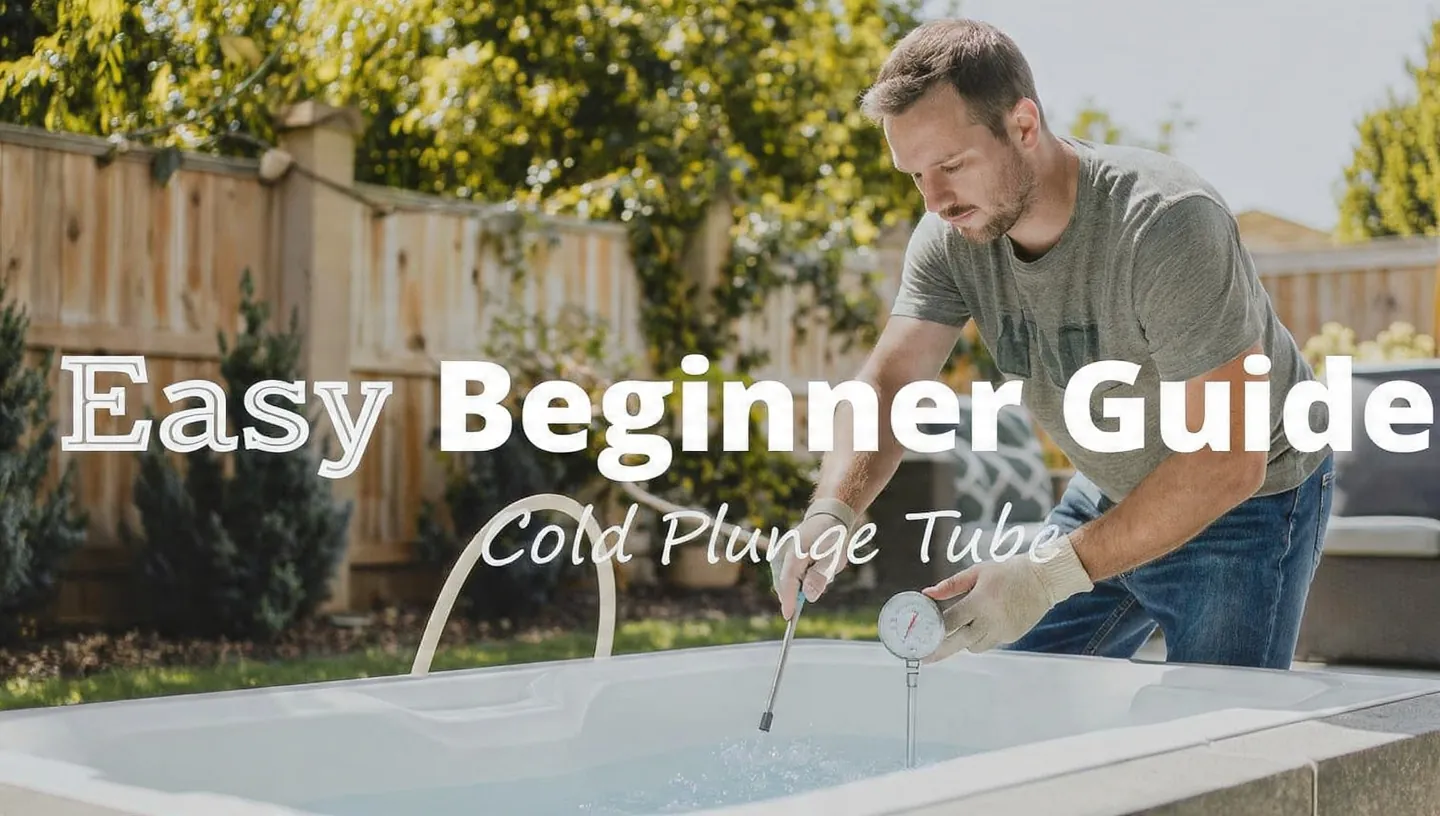
How to Set Up a Cold Plunge Pool at Home (Beginner Guide)

Thinking about setting up a cold plunge pool at home but not sure where to start? You’re not alone. A lot of people love the idea of cold plunging, but get stuck when it comes to setup, cost, and what you actually need.
The good news, it’s way simpler than it looks. You don’t need a fancy system to get started. With the right setup, even a basic backyard space can turn into a refreshing cold plunge spot.
In this guide, I’ll walk you through everything step by step, from choosing your setup to keeping your water clean and safe.
What Is a Cold Plunge Pool and Why People Use It
A cold plunge pool is a small tub or pool filled with cold water, usually kept between 50°F and 59°F. It’s designed for short dips, not long soaks like a hot tub.
Most people use it for a few key reasons:
- muscle recovery after workouts
- reducing inflammation
- boosting energy and focus
- cooling off during hot weather
If you’ve already explored different setups, this plunge pool and cold plunge guide gives a broader look at how these systems compare.
Choosing the Right Cold Plunge Setup for Your Home
Before you start buying anything, it helps to know your options. Not every setup needs to be expensive.
Budget DIY Setup
This is the easiest way to start.
- stock tanks
- large tubs
- chest freezer conversions
You can fill it with water and add ice when needed. It’s simple, affordable, and perfect for beginners.
Mid-Range Portable Options
These are ready-made cold plunge tubs.
- inflatable plunge tubs
- plug-and-play systems
- compact backyard units
They’re easier to manage and often look better in a patio setup.
High-End Cold Plunge Systems
If you want convenience, this is where you go.
- built-in chillers
- filtration systems
- precise temperature control
These cost more but require less manual work.
Indoor vs Outdoor Setup
- Outdoor: easier drainage and more space
- Indoor: more privacy, but needs ventilation
If you’re planning a backyard setup, these hot tub patio design ideas can help you create a clean and functional space.
What You Need Before You Start
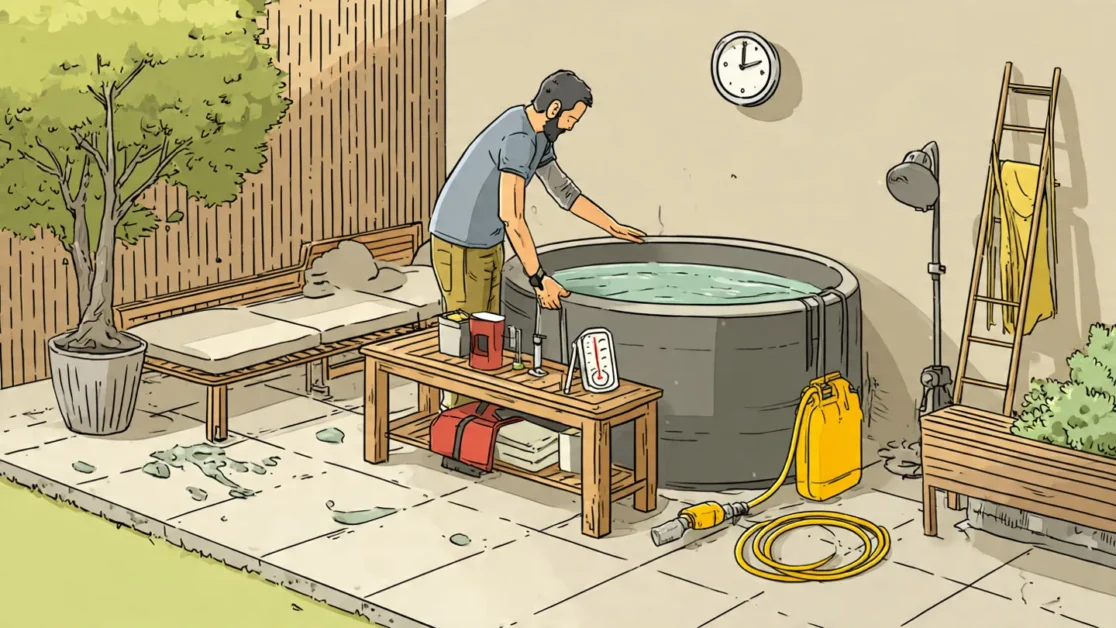
You don’t need much, but a few basics make everything easier:
- flat, stable surface
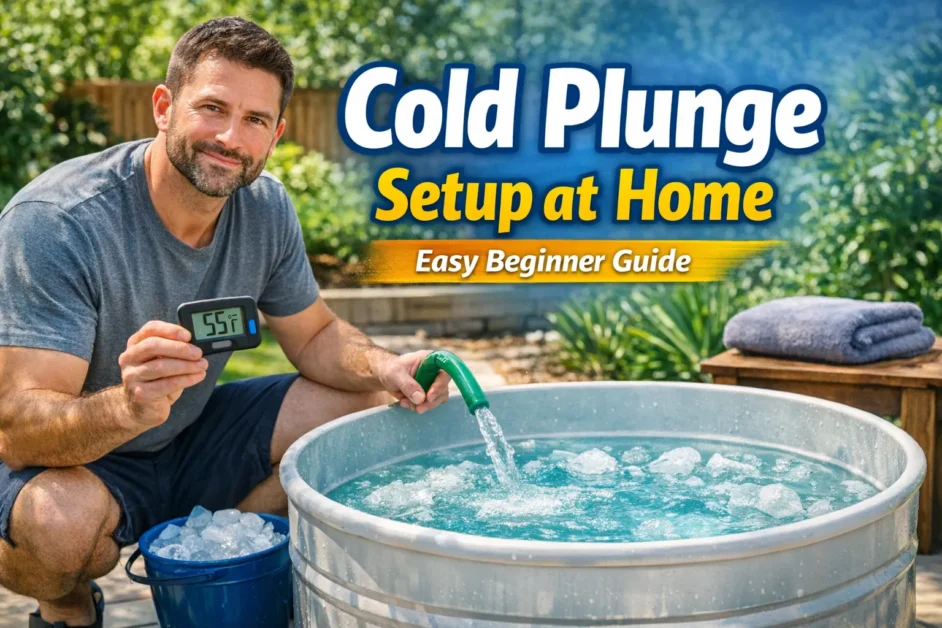
- access to water (garden hose works fine)
- drainage plan
- thermometer
- optional: cover, steps, filtration system
A solid base matters more than people think. If your surface isn’t stable, you’ll run into problems fast.
Step-by-Step — How to Set Up a Cold Plunge Pool
This is where everything comes together. Keep it simple and follow these steps.
Step 1 — Pick the Right Location
Choose a spot that is:
- level and stable
- easy to access
- not in direct sunlight all day
Shade helps keep your water colder for longer.
Step 2 — Prepare the Base
A good base prevents shifting and damage.
Options include:
- concrete pad
- pavers
- reinforced deck
If you’re unsure, this best base for hot tub guide applies to plunge setups too.
Step 3 — Fill With Water
Use a standard garden hose.
- Fill to a comfortable sitting level
- Leave some space for displacement
No need to overthink this part.
Step 4 — Cool the Water
This is where beginners usually hesitate.
You’ve got two main options:
- Ice method: simple but ongoing cost
- Chiller system: upfront cost but consistent temperature
Start with ice if you’re just testing things out.
Step 5 — Test and Adjust Temperature
Aim for 55°F to 60°F if you’re new.
Going too cold too fast is a common mistake. Ease into it so your body can adapt.
Step 6 — Add Basic Sanitation
If you’re reusing water, you’ll need light sanitation.
- small amount of chlorine or bromine
- simple test strips
If you’re unsure about water balance, this hot tub water chemistry guide explains it in a simple way.
How to Keep Your Cold Plunge Clean and Safe
Clean water makes a big difference in your experience.
How Often to Change the Water
- Daily users: every 2–3 days
- Occasional use: once a week
Basic Sanitation Options
- chlorine (most common)
- bromine
- natural alternatives
Preventing Buildup
- rinse off before entering
- keep the tub covered
- avoid lotions and oils
Simple Maintenance Routine
- check water clarity
- test sanitizer levels
- wipe down surfaces
If you want a deeper system, this hot tub water maintenance guide gives a solid routine you can adapt.
Common Mistakes Beginners Make
You’ll save yourself a lot of frustration by avoiding these:
- making water too cold too quickly
- skipping sanitation
- placing the tub on uneven ground
- ignoring drainage setup
- overcomplicating the system
Most setups work best when they stay simple.
How Much Does It Cost to Set Up a Cold Plunge Pool?
This depends on how far you want to go.
Budget Setup
- $50 to $300
- DIY tub + ice
Mid-Range Setup
- $300 to $1,500
- portable plunge systems
Premium Systems
- $2,000 to $10,000+
- built-in chillers and filtration
Ongoing Costs
- water
- ice or electricity
- maintenance supplies
You can estimate your ongoing expenses using this hot tub cost calculator to get a realistic idea.
Tips to Make Your Cold Plunge More Enjoyable
Cold plunging gets easier with a few small tweaks.
- start with 30–60 seconds
- focus on steady breathing
- use a timer
- keep a towel nearby
- stay consistent
If you already have a hot tub, combining both can take things to another level. Many people enjoy switching between hot and cold for better recovery.
If you’re trying to decide between cold and hot therapy, this cold plunge pool vs hot tub comparison guide breaks down the key differences in a simple way.
Is It Safe to Use a Cold Plunge at Home?
For most people, yes, but you still need to be smart about it.
Who Should Be Careful
- people with heart conditions
- complete beginners
- anyone sensitive to cold exposure
Safe Temperature and Time
- 50°F to 60°F
- 1 to 5 minutes
When to Stop Immediately
- dizziness
- trouble breathing
- extreme discomfort
If you’re unsure, reviewing basic hot tub safety guidelines can give you a better understanding of safe water use in general.
Cold Plunge vs Hot Tub — Should You Have Both?
A lot of homeowners are now combining both setups.
Cold plunge:
- energizing
- great for daytime
Hot tub:
- relaxing
- ideal for evenings
Switching between them, often called contrast therapy, helps improve circulation and recovery.
If you’re still comparing options, this hot tub buying guide for beginners can help you decide what fits your space best.
Final Thoughts — Start Simple and Build From There
You don’t need a perfect setup to get started. In fact, most people begin with something simple and upgrade later.
Start with a basic tub, test what works for you, and adjust over time. The key is consistency, not complexity.
Once you get into the habit, cold plunging becomes one of the easiest ways to refresh your body and make better use of your backyard space.
Frequently Asked Questions
How cold should a cold plunge pool be?
Most cold plunge pools stay between 50°F and 59°F for safe and effective use.
Can I use a regular tub as a cold plunge?
Yes, many beginners start with a simple tub or stock tank filled with cold water and ice.
How long should I stay in a cold plunge?
Start with 30–60 seconds and gradually build up to 2–5 minutes.
Do I need chemicals for a cold plunge?
If you reuse water, yes. Small amounts of sanitizer help keep it clean and safe.
How often should I change the water?
Every 2–7 days depending on how often you use it.
Can I keep a cold plunge outside year-round?
Yes, but you may need insulation or temperature adjustments depending on your climate.