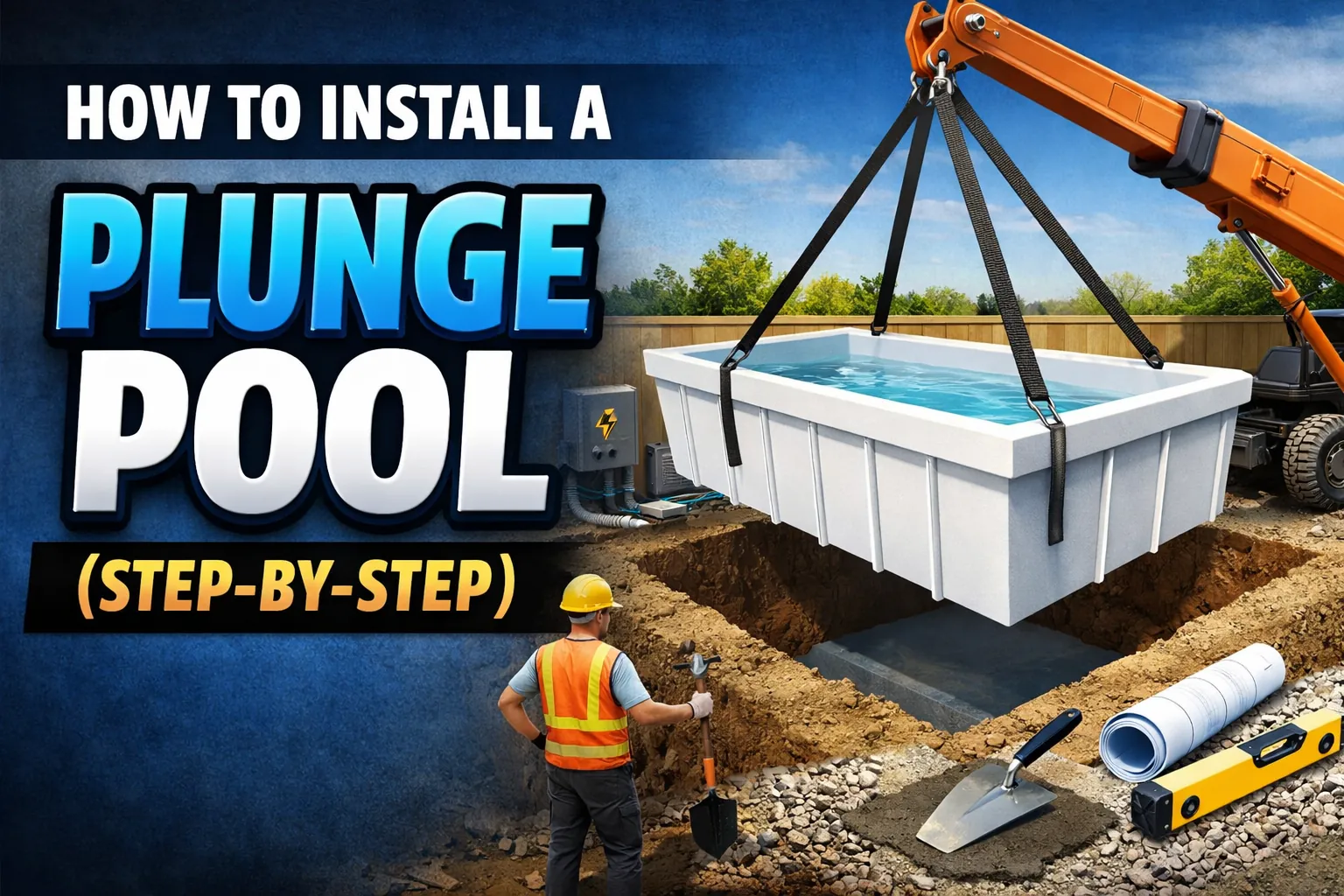
How to Install a Plunge Pool (Step-by-Step)

Installing a plunge pool sounds complicated at first. Excavation, plumbing, electrical, drainage, insulation, it can feel like a lot. But when you break it down into clear steps, it’s actually a manageable project, especially if you’re working with a prefab unit.
If you’re planning a compact cold plunge for recovery or a heated backyard relaxation zone, the key is knowing what happens before, during, and after installation.
When you understand the process upfront, you avoid costly mistakes and finish with a setup that works smoothly from day one.
Let’s walk through exactly how to install a plunge pool, step by step.
Thinking about adding one yourself? Here’s a simple breakdown of what the process looks like, whether you’re going prefab or custom.
What You Need Before Installing a Plunge Pool
Before you start digging or ordering equipment, there are a few things you’ll want locked in. Skipping this prep stage is where most installation headaches begin.
Here’s what to sort out first:
➡️ Clear measurements of your space
Measure length, width, and depth clearance. Don’t forget access paths for delivery or machinery.
➡️ Confirmed water source and drainage plan
Know how you’ll fill the pool and where water will safely drain when it’s emptied.
➡️ Electrical capacity check
Make sure your panel can handle the additional load, especially if you’re adding a heater or chiller.
➡️ Ground condition assessment
Soft soil, slope, or poor compaction can cause shifting later. Level, stable ground is non-negotiable.
➡️ Permit verification
Some areas treat plunge pools like hot tubs, others like small pools. Always check local requirements before you begin. You can review general residential code standards through the International Code Council (ICC) and then confirm specifics with your city or county building department.
Getting these basics handled upfront keeps your installation smooth and prevents delays once the pool arrives.
Now that you’ve covered the groundwork, let’s choose the right location.
Plunge Pool vs Cold Plunge: Know What You’re Installing
Before you finalize your setup, make sure you’re clear on the type of plunge pool you actually want.
Some people want a refreshing cool soak. Others want a true cold therapy setup under 55°F. And some want heating flexibility.
If you’re still deciding, our full plunge pool and cold plunge guide breaks down temperature ranges, benefits, and setup differences so you don’t install the wrong system.
This matters more than most people realize. Plumbing, insulation, and electrical needs all change depending on temperature goals.
In-Ground or Above-Ground Plunge Pool?
Installation complexity changes fast depending on the build style.
Above-ground or semi-recessed models:
➡️ Faster installation
➡️ Less excavation
➡️ Lower overall cost
➡️ Easier access to plumbing
In-ground builds:
➡️ Cleaner built-in look
➡️ Higher property value appeal
➡️ Longer construction timeline
➡️ More structural planning
If you want a deeper look at design styles and structural options, our complete plunge pool guide walks through layouts, costs, and backyard planning ideas.
Choosing the right style upfront saves you from expensive redesigns later.
How Much Does It Cost to Install a Plunge Pool?
Let’s talk real numbers, because this is where most people pause.
Plunge pool installation costs vary widely depending on whether you’re going prefab, custom in-ground, or adding heating and chilling systems.
Here’s a realistic breakdown:
Prefab Plunge Pool Installation
➡️ Pool unit: $3,000 – $12,000
➡️ Site prep and base: $500 – $2,500
➡️ Electrical setup: $800 – $2,000
➡️ Plumbing and drainage: $500 – $1,500
Typical total: $5,000 – $18,000
Prefab models are faster and usually the most budget-friendly option.
Custom In-Ground Plunge Pool
➡️ Excavation: $2,000 – $6,000
➡️ Concrete shell or fiberglass install: $8,000 – $25,000
➡️ Electrical and heater/chiller system: $1,500 – $4,000
➡️ Permits and inspections: $500 – $2,000
➡️ Landscaping and decking: $2,000 – $10,000
Typical total: $15,000 – $45,000+
Custom builds cost more but offer full design flexibility and long-term property value appeal.
Ongoing Operating Costs
Installation is only part of the equation.
Plan for:
➡️ Electricity for heater or chiller
➡️ Water refills
➡️ Chemicals and filtration
➡️ Seasonal maintenance
On average, most owners spend $30–$100 per month, depending on climate and usage.
What Drives the Final Price?
Your total cost mainly depends on:
➡️ Above-ground vs in-ground
➡️ Heated vs cold-only
➡️ Climate zone
➡️ Electrical panel capacity
➡️ Decking and finish choices
The biggest cost jump usually comes from excavation and concrete work, not the pool itself.
If you want to keep your project under control, decide early whether you’re prioritizing speed, design, or long-term value.
How Long Does It Take to Install a Plunge Pool?
This depends heavily on whether you’re installing a prefab unit or building a custom in-ground setup.
Let’s break it down clearly.
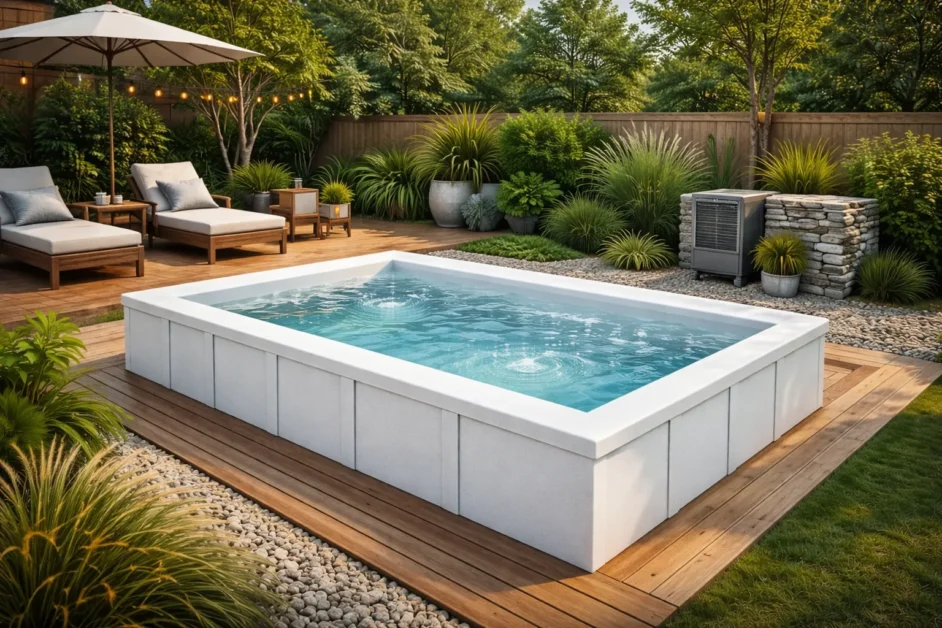
Prefab Plunge Pool Timeline
Most prefab installations move fast because the shell is prebuilt.
Typical timeline:
➡️ Site prep: 1–2 days
➡️ Electrical setup: 1 day (if scheduled properly)
➡️ Delivery and placement: Same day
➡️ Fill and startup: 1 day
Total time: 2–5 days
The biggest delay usually comes from waiting on an electrician or permit approval, not the pool itself.
Custom In-Ground Plunge Pool Timeline
Custom builds take longer because excavation and curing time are involved.
Typical timeline:
➡️ Design and permits: 2–4 weeks
➡️ Excavation and base prep: 2–5 days
➡️ Shell installation or concrete pour: 3–7 days
➡️ Concrete curing (if applicable): 7–14 days
➡️ Plumbing and electrical: 3–5 days
➡️ Final inspection and startup: 2–3 days
Total time: 6–10 weeks on average
Weather delays, inspection backlogs, and contractor scheduling can extend this.
What Slows Down Installation?
Most delays come from:
➡️ Permit approvals
➡️ Electrical panel upgrades
➡️ Rain during excavation
➡️ Concrete cure time
➡️ Contractor scheduling conflicts
Planning these variables ahead of time can shave weeks off your project.
Plunge Pool Installation Comparison (Quick Overview)
If you want to see everything side by side, this makes the decision easier.
| Feature | Prefab Plunge Pool | Custom In-Ground Plunge Pool |
|---|---|---|
| Install Time | 2–5 days | 6–10 weeks |
| Average Cost | $5,000–$18,000 | $15,000–$45,000+ |
| Excavation Required | Usually no | Yes |
| Electrical Setup | Often 110V or 220V | Typically 220V+ |
| Design Flexibility | Limited to model | Fully customizable |
| Property Value Impact | Moderate | Higher long-term appeal |
| Installation Complexity | DIY-friendly in many cases | Professional recommended |
| Maintenance Access | Easier access | Must plan service space carefully |
Which Option Is Right for You?
Choose prefab if:
➡️ You want fast installation
➡️ You prefer lower upfront cost
➡️ You don’t want major excavation
Choose custom in-ground if:
➡️ You want a built-in luxury look
➡️ You’re already redesigning your backyard
➡️ Long-term home value matters to you
Common Mistakes to Avoid When Installing a Plunge Pool
Most plunge pool problems don’t happen because of the pool itself. They happen because of shortcuts during installation.
Here are the biggest mistakes homeowners make, and how you avoid them.
1. Skipping a Proper Base
Plunge pools are heavier than most people expect once filled.
If the base isn’t level and compacted properly, you can end up with:
➡️ Uneven water lines
➡️ Shell stress cracks
➡️ Plumbing strain
➡️ Long-term structural shifting
A reinforced concrete slab or properly compacted gravel base isn’t optional. It’s foundational.
2. Underestimating Electrical Requirements
Heaters and chillers draw serious power.
One common mistake is assuming your panel can handle it without checking capacity first.
This can lead to:
➡️ Tripped breakers
➡️ Costly panel upgrades mid-project
➡️ Safety hazards
Always confirm electrical load before delivery day.
3. Poor Drainage Planning
Water has to go somewhere.
Without proper grading or a drainage route, you risk:
➡️ Flooding nearby landscaping
➡️ Water pooling near foundations
➡️ Soil erosion
Cold plunge systems that drain frequently especially need smart water management.
Think about drainage before excavation begins.
4. Installing Too Tight for Future Repairs
A tight install looks sleek. Until something breaks.
If you don’t leave access room for:
➡️ Pump maintenance
➡️ Chiller servicing
➡️ Plumbing connections
➡️ Filter replacement
You may have to remove decking just to fix a small issue.
Leave space. Future you will thank you.
5. Ignoring Climate and Insulation Needs
Even cold plunge tubs need insulation.
In colder regions, poor insulation can:
➡️ Freeze plumbing
➡️ Overwork heaters or chillers
➡️ Increase energy costs
➡️ Shorten equipment lifespan
Match insulation and equipment to your climate from the start.
How to Install a Plunge Pool (Step-by-Step)
Step 1: Pick the Right Location
Choosing your spot is more than just finding empty space.
You want:
➡️ Level ground with proper drainage
➡️ Easy access to water and electricity
➡️ At least 3 feet of clearance on all sides
➡️ Delivery access for machinery if needed
Why this matters:
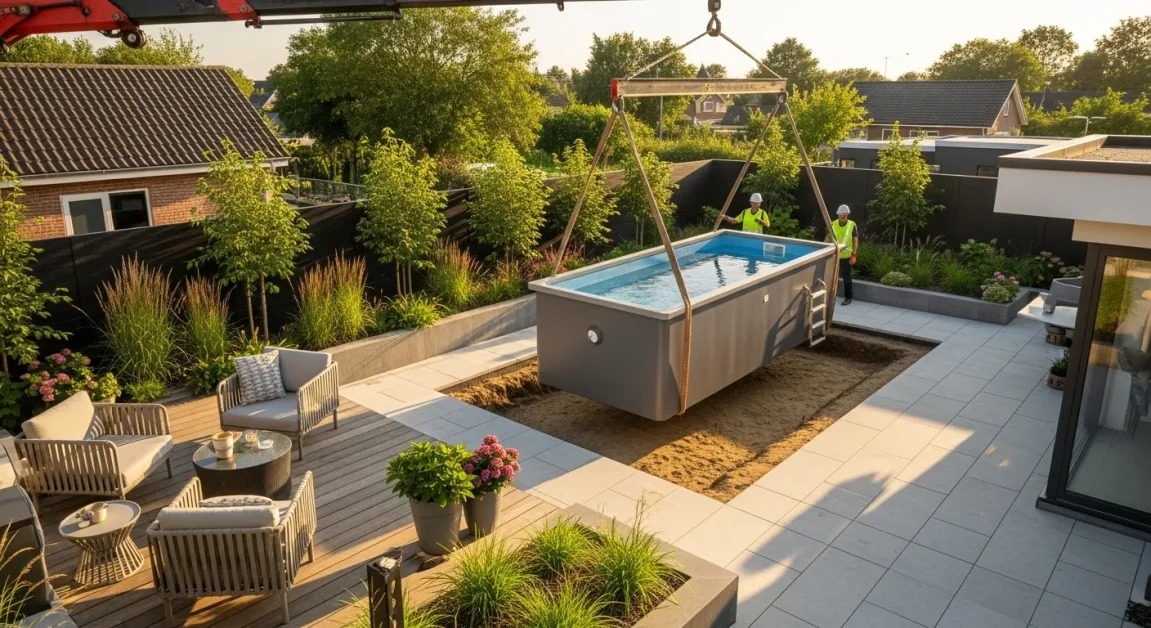
If the ground slopes toward your house, runoff can cause foundation issues. If access is tight, you may need a crane, which adds cost fast.
Also think about privacy, wind exposure, and sun. Cold plunge users may prefer shade. Heated plunge owners often want sun exposure to reduce heating demand.
Pick the right spot now, and everything else becomes easier.
Step 2: Choose Your Plunge Pool Type
Before ordering anything, decide what you’re installing.
Your main options:
➡️ Prefab fiberglass or acrylic plunge pool
➡️ Custom concrete in-ground build
➡️ Dedicated cold plunge tub with chiller
➡️ Heated plunge with dual temperature control
Prefab units are fastest and most predictable. Custom builds give you design flexibility but require more planning.
Temperature goals matter here. A true cold plunge under 55°F requires different insulation and chiller specs than a simple cool-water soaking tub.
Lock this decision in before moving forward.
Step 3: Prepare and Stabilize the Base
This is where structural integrity is determined.
Most installations require one of the following:
➡️ Reinforced concrete slab (most stable)
➡️ Compacted gravel base with pavers
➡️ Engineered deck rated for weight
Remember, even a small plunge pool can weigh several thousand pounds when filled.
The base must be:
➡️ Level
➡️ Properly compacted
➡️ Rated for the total filled weight
Skipping proper compaction can lead to shifting, cracked shells, and stressed plumbing connections.
Take your time here. It’s the foundation of the entire project.
Step 4: Install Plumbing and Electrical Systems
Now you prepare the infrastructure before the pool goes in.
Plumbing typically includes:
➡️ Fill line access
➡️ Drainage line or pump-out route
➡️ Filtration system connections
Electrical setup depends on your system:
➡️ 110V plug-and-play (some prefab models)
➡️ 220–240V dedicated line
➡️ GFCI breaker and disconnect panel
This is where many DIY projects go wrong.
If your plunge pool includes a heater or chiller, use a licensed electrician. Incorrect wiring isn’t just expensive, it’s dangerous.
Confirm everything is inspected and ready before placing the shell.
Step 5: Position and Set the Pool
Now comes the physical installation.
For prefab units:
➡️ Lower the shell carefully into position
➡️ Double-check level alignment
➡️ Connect plumbing and electrical
➡️ Seal fittings and check connections
For in-ground builds:
➡️ Set shell or form concrete structure
➡️ Backfill carefully
➡️ Allow proper curing time
Before filling, verify:
➡️ Level on all sides
➡️ No visible plumbing stress
➡️ All electrical connections secured
Small misalignments now can become major repairs later.
Step 6: Fill, Test, and Balance the Water
Once everything is secured, you’re ready to fill.
After filling:
➡️ Run the pump and filtration system
➡️ Check for leaks
➡️ Test pH and alkalinity
➡️ Add sanitizer
➡️ Allow circulation for several hours
Do not skip the water balance stage.
Even cold plunge systems require clean, balanced water to prevent bacterial growth and equipment damage.
Only once the system runs smoothly and water is balanced should you take your first dip.
Drainage Planning Most People Forget
Here’s something DIY installers overlook.
Where does the water go when you drain it?
You’ll need:
➡️ A safe drainage area
➡️ Proper grading
➡️ Local compliance with runoff rules
➡️ Consideration for landscaping erosion
Cold plunge systems that change water frequently especially need smart drainage planning.
Think about this before excavation begins, not after.
Insulation and Energy Efficiency
Even cold plunge tubs need insulation.
Why? Because:
➡️ It stabilizes water temperature
➡️ Reduces chiller workload
➡️ Prevents freeze damage in winter
➡️ Lowers long-term operating cost
If you’re installing in colder climates, proper insulation isn’t optional, it’s protection.
Long-Term Access for Repairs
When lowering your shell into place, leave room for service panels.
Future you will appreciate:
➡️ Easy pump access
➡️ Chiller maintenance space
➡️ Plumbing repair clearance
➡️ Filter access without removing decking
Tight installations look sleek. But they can turn simple fixes into expensive tear-outs.
Plan for access from day one.
Should You Combine a Hot Tub and Plunge Pool?
This is where things get interesting.
A lot of homeowners now install a hot and cold combo setup for contrast therapy. Think warm soak followed by cold immersion.
Benefits include:
➡️ Muscle recovery
➡️ Improved circulation
➡️ Athletic performance support
➡️ Spa-style backyard experience
If that sounds appealing, explore what’s possible with a plunge pool hot tub combo before you commit to a single system.
Installing both at the same time can reduce plumbing redundancy and simplify electrical planning.
FAQs
Can I install a plunge pool myself?
Yes, if it’s a prefab or plug-and-play model with minimal electrical needs. In-ground builds or 240V systems usually require professional help.
Do I need a permit to install a plunge pool?
In many areas, yes. Local codes may require permits for electrical work, fencing, or excavation, so always check before starting.
How long does it take to install a plunge pool?
Prefab plunge pools can take 2 to 3 days. Custom in-ground builds typically take 6 to 10 weeks depending on design and weather.
What’s the best base for a plunge pool?
A reinforced concrete slab is the most stable option. Compacted gravel or engineered decking can work if properly rated for weight.