

Using an Electric Massager with a Pacemaker: Essential Tips You Need to Know

If you have a pacemaker, you already know it’s there to keep your heart’s rhythm steady and reliable. It works by sending small electrical impulses to your heart when it detects an irregular beat. While this technology is life-saving, it’s also sensitive to outside electrical signals and strong vibrations.
That’s where electric massagers can get tricky. Some use magnetic fields, electrical pulses, or intense vibration, all of which might interfere with how your pacemaker works. Even if the risk seems small, it’s not something you want to gamble with.
This information is only for your information. If you need medical advice or diagnosis, consult a professional.

With the proper precautions in place, you can enjoy the benefits of massage therapy without risking your pacemaker’s functionality.
Pacemakers, critical for heart rhythm, and electric massagers, known for relieving muscle tension, prompt many to wonder if they can mix safely. If you have a pacemaker, consulting your doctor, a necessary first step, ensures safe and beneficial use.
While the risk of direct interference is low, the massage could, like a double-edged sword, indirectly affect your heart rate and pacemaker function.
Why Electric Massagers Can Be Risky with a Pacemaker
Pacemakers are designed to pick up and respond to your heart’s electrical activity. The problem is, some massagers give off their own signals or movements that can confuse or interfere with that process. Here’s how:
- Electrical interference
Devices like TENS units or EMS massagers send out electrical pulses to stimulate muscles. The pacemaker might mistake those signals for heart activity, which could cause it to misfire or not deliver the pacing you need. - Magnetic interference
Some massagers have built-in magnets or use magnetic therapy features. Strong magnetic fields can temporarily change how your pacemaker works or even switch it into a different mode until the magnet is removed. - Vibration intensity
High-powered percussive massagers and deep tissue devices create strong vibrations. If you use them too close to your chest, they might physically jostle the pacemaker or disrupt the leads (wires) that connect it to your heart.
Can You Use an Electric Massager With a Pacemaker
If you’re unsure about using an electric massager, consult your doctor, who can assist you in making the best decision for your health. Electric Massagers are generally safe for most people, but they can produce weak magnetic fields that may interfere with your pacemaker’s function in rare cases.

Although serious malfunctions are uncommon, it’s better to be safe than sorry. To minimize the risks:
- Get your doctor’s thumbs-up: Before enjoying a massage, seek their advice. They’ll assess your situation and determine if electric massagers are suitable for you.
- Pick the right tool: If your doctor says, “Go for it,” choose massagers labeled “pacemaker-friendly.” These emit minimal magnetic fields, keeping interference at bay.
- Keep your distance: At least 6 inches between the massager and your pacemaker area (chest and abdomen). This further reduces magnetic field influence.
- Listen to your body: Pay close attention to your heart rate and rhythm while using the massager. If you experience any unusual changes, stop immediately and consult your doctor.
Understanding Pacemakers
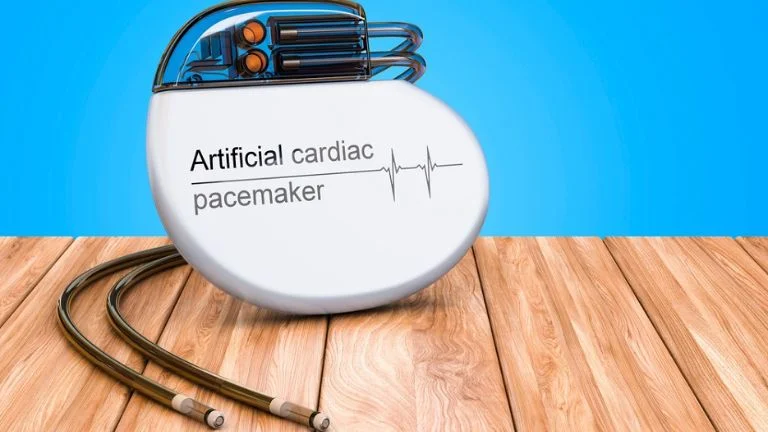
A pacemaker, a small device implanted in the chest, helps control abnormal heart rhythms. This device, a lifeline for those with heart rhythm disorders, usually uses electrical pulses to prompt the heart to beat.
Pacemakers, acting as personal conductors, monitor your heartbeat and emit electrical impulses, when necessary, to regulate your heart’s rhythm, ensuring your heart’s orchestra plays in perfect harmony.
A stitch in time for those with heart rhythm disorders, these devices are critical for maintaining a steady and safe heartbeat.

The Concerns with Electric Massagers
Electric massagers, known for generating electromagnetic fields, could interfere with a pacemaker’s operation, leading to irregular heart rhythms—a risk that’s crucial to understand for anyone considering their use.
Experts, advising caution, note that certain types of electric massagers can disrupt pacemaker functionality, making it a scenario where the soothing vibrations could, more harm than good, bring unintended consequences.
Important Safety Tips for Using Your Massager
Before you begin:
- Read the instructions carefully: They often contain specific guidelines for safe use based on the model and features of your massager.
- Pacemaker alert: If you have a pacemaker or any other electrical implant, consult your doctor before using this massager.
General Safety Practices:
- Start low and slow: Initially, use the lowest intensity setting and gradually increase as tolerated.
- Listen to your body: Stop using the massager if you experience any discomfort, pain, dizziness, or lightheadedness.
- Handle with care: Wash your hands before and after use, and avoid touching hot parts like electrodes, cords, or the power plug.
- Keep it safe: When plugged in, don’t leave the massager unattended, and keep it out of reach of children and pets.
- Mind the environment: Avoid using the massager near water or in wet environments.
- Damaged? Don’t use: Always inspect the massager for damage before use. If you find any cracks, frayed wires, or malfunctioning parts, stop using it immediately and get it repaired or replaced.
Alternative Placement Ideas:
- Arms and shoulders: Relax muscle tension in these commonly strained areas.
- Calves and feet: Soothe tired legs and improve circulation.
- Hands and forearms: Ease stiff joints and boost hand dexterity.
Remember: Your well-being is our priority. Follow these safety tips to use your massager responsibly and enjoy a relaxing, rejuvenating experience.
Critical Considerations for Pacemakers and Electric Massagers:
- Pacemaker Placement Warning: If you have a pacemaker, DO NOT use an electric massager on your back or chest. This area is closest to the device and risks interference.
- Safe Alternatives: Consider non-electric massagers like foam rollers, massage balls, or hand-held rollers that work without electricity.
- General Safety: Follow these safety precautions for other areas: Use low-intensity settings and gradually increase.
- Keep hands and feet away from the massager while in use.
- Unplug when not in use.
- Avoid water and wet surfaces.
- Stop using it if damaged, overheated, or emits unusual sounds/smells.
- Safe Massager Types: Some types of massagers are usually considered safe for pacemakers with proper distance:
- Foot massagers
- Hand massagers
- Neck massagers
- Leg massagers (avoid areas near a pacemaker)
To learn more about devices that may interfere with ICDs and pacemakers, visit the American Heart Association’s informative page. It provides valuable insights and precautions to help you better understand and manage these medical devices.
READ MORE Devices that May Interfere with ICDs and Pacemakers.
Expert Opinions
Medical Advice: “We recommend patients with pacemakers consult their cardiologist before using any electric massager,” says Dr. Jane Smith, a renowned cardiologist.
Patient Experiences: John Doe shares, “After consulting with my doctor, I found a gentle electric massager that works for me without affecting my pacemaker.”
Product Recommendations
Review of Pacemaker-Safe Electric Massagers: The perfect balance between relaxation and safety with our top massage gun picks for 2024. Designed with pacemaker users in mind, these selections prioritize low EMF output without compromising on power and versatility.
1. Opove Apex Massage Gun Ultimate Precision and Power
Features:
- Low EMF Output: Less than 0.5 milligauss, ensuring safety for pacemaker users.
- Adjustable Speeds: 1800 to 3200 RPM across three settings.
- Customizable Experience: Six interchangeable head attachments.
- Quiet Operation: 45 to 55 decibels.
- Powerful: 50 pounds stall force.
- Long Battery Life: 3.5 hours. Find your perfect massage with the Opove Apex.
2. RENPHO Power Budget-Friendly Excellence
Features:
- Safe EMF Levels: Less than 1 milligauss, ideal for sensitive users.
- Versatile Speeds: 1400 to 3200 RPM across five settings.
- Diverse Attachments: Six head options for targeted relief.
- Decent Battery Life: 2.5 hours.
- Moderate Noise: 60 to 70 decibels.
- Robust: 55 pounds stall force. Experience affordable luxury with RENPHO Power.
3. Therabody Theragun Prime Therapeutic Precision
Features:
- Acceptable EMF Output: Less than 1.5 milligauss.
- Custom Speeds: 1750 to 2400 RPM across five settings.
- Ergonomic Design: Four head attachments for focused therapy.
- Quiet Use: 40 to 50 decibels.
- Long-lasting: 2 hours of battery life.
- Powerful Performance: 60 pounds stall force. Unlock deeper muscle relief with Theragun Prime.
Features to Look For: Low EMF Output: Essential for reducing potential interference with pacemakers. Adjustable Settings: Allows for personalized intensity control.
Alternatives to electric massagers for individuals
Electric massagers might not be better than the best option due to potential interference with the device. But fear not; several safe and effective alternatives await!
Non-Electric Massagers: Embrace the power of mechanical marvels! These massagers work without electricity, relying on suitable old-fashioned methods like rolling balls or knobs to knead away tension. Popular choices include:
- Foam rollers: Great for self-massage of larger muscle groups like quads and hamstrings.
- Massage balls: Target trigger points and smaller areas with focused pressure.
- Hand-held massagers: Offer a range of intensities and attachments to customize your massage experience.
Relaxation Techniques Beyond Massage:
Sometimes, relaxation goes beyond physical touch. Explore these mind-body techniques to achieve inner peace and relieve stress:
- Yoga: Combine movement, breath, and mindfulness for a holistic approach to well-being. Find a Registered Yoga School (Yogaalliance Directory)
- Meditation: Train your mind to focus and find inner calm, reducing tension and anxiety.
- Deep breathing exercises: Simple yet powerful, deep breaths activate the relaxation response and ease tension.
- Progressive muscle relaxation: Systematically tense and release muscle groups, flushing away stress and promoting deep relaxation.
- Hot or cold packs: Soothe sore muscles and joints with the therapeutic properties of temperature therapy.
⚡ Pacemaker Safety with Electric Massagers
⚠️ Avoid Sensitive Areas
Never use massagers directly over your chest, abdomen, or near your pacemaker to prevent electromagnetic interference.
🛒 Choose Safe Models
Look for massagers specifically designed for pacemaker users with low-frequency settings to minimize risks.
👂 Listen to Your Body
Stop immediately if you experience discomfort, palpitations, or heart rate changes and consult your doctor.
👨⚕️ Consult Your Doctor
Always get personalized medical advice before using any electric massager with your pacemaker.
💡 Remember: Safety first! When in doubt about any device, consult your cardiologist before use.
Check Restrictions After Pacemaker Surgery: Learn the Do’s and Don’ts.
⚖️ Electric Massager: Pros & Cons
⚖️ While electric massagers offer convenient therapeutic benefits, they’re not a substitute for professional medical care when dealing with serious injuries or conditions.
Types of Massagers and Their Safety Concerns
Not all massagers are made equal when it comes to pacemaker safety. Some are safer than others, and knowing the difference can help you avoid unwanted risks. Here’s a quick rundown:
| Massager Type | Safe or Risky? | Why |
|---|---|---|
| Handheld Percussive | Risky near chest | Strong vibrations can shake the pacemaker or its leads. |
| TENS or EMS Units | Generally unsafe | Send electrical impulses that can interfere with pacing. |
| Magnetic Massagers | Avoid | Magnetic fields can alter pacemaker function temporarily. |
| Manual Massagers | Safe | No electrical or magnetic parts, just physical pressure. |
The Nooro Massager: Tool for Muscle Relief and Relaxation
Enhance your relaxation and muscle relief safely with the Nooro Massager, a versatile, handheld device perfect for those with pacemakers seeking stress reduction and pain alleviation in areas like the neck, shoulders, back, and legs.
The Nooro Massager is ideal for athletes, fitness enthusiasts, and anyone battling chronic tension, offering a range of attachments targeted to broad coverage and optional heat or cold therapy.
Check benefits and user experiences with Nooro Knee Massager Reviews, making it a safe and effective complement to your wellness toolkit.
Therefore, it is recommended that individuals with pacemakers consult with their healthcare provider before using an electric massager to ensure that it is safe for them to do so.
General List of Things to Avoid With a Pacemaker
Being aware of devices and activities that could interfere with a pacemaker operation is a requirement of living with a pacemaker. Even though most modern pacemakers are designed to avoid interference, some electronics and tools can still pose risks. A quick reference table is below to assist you in staying safe:
Devices and Activities to Avoid
Device/Activity | Potential Risk | Safety Tips |
|---|---|---|
TENS Machines | Electrical pulses may disrupt pacemaker signals. | Consult your doctor before use. Avoid placing electrodes near the chest. |
Magnetic Therapy Devices | Magnets can interfere with pacemaker programming. | Keep devices at least 6 inches away from the pacemaker. |
Vibration Platforms/Machines | Strong vibrations may affect pacemaker sensors. | Use cautiously and consult your cardiologist first. |
Electric Massagers (e.g., Massage Guns) | Electrical or magnetic fields may cause interference. | Avoid direct placement over the pacemaker area. |
Metal Detectors (Airport Security) | Magnetic waves can potentially affect pacemakers. | Inform security staff and request a hand inspection. |
High-Voltage Power Tools | Electromagnetic fields may disrupt function. | Avoid prolonged use or keep tools at a safe distance. |
Welding Equipment | Strong electromagnetic interference. | Avoid usage without professional guidance. |
Cell Phones/Tablets | Radiofrequency signals can interfere at close range. | Keep devices at least 6 inches away from your chest. |
Electric Blankets and Heating Pads | Electromagnetic fields may cause minor interference. | Use on lower settings and monitor for symptoms. |
It’s important to consult your doctor before using a new device and read product manuals for compatibility information. Staying informed allows you to avoid unnecessary risks and still feel comfortable and relaxed.
FAQs
Ready to find the perfect, pacemaker-safe electric massager? Consult with your doctor, and then visit the Hot Tub Patio to explore our recommendations and make an informed decision. References: FDA.gov – Pacemakers and Other Medical Devises.







9 Comments
Comments are closed.