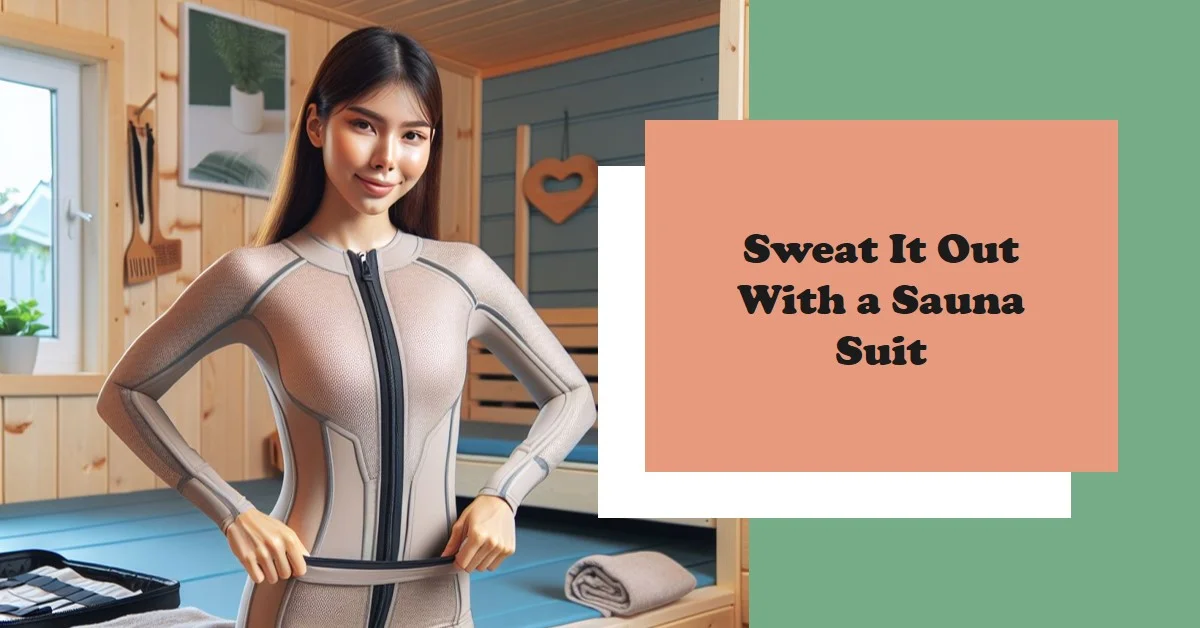
Sauna Suit Weight Cutting: Risks, Water Loss & Safer Options

Sauna suit weight cutting mainly changes body water, not body fat. The suit can increase sweating and make the scale drop temporarily, but that short-term change comes with more heat strain and does not provide a reliable shortcut to fat loss.
If you are trying to make a weight class, this guide explains why fixed time or pound-loss targets are unreliable, which warning signs mean you should stop, and why sport-specific medical guidance is safer than a DIY dehydration plan. If your goal is choosing a garment for ordinary training instead, use our sauna suit buying guide.
Quick Answer: Does a Sauna Suit Help You Cut Weight?
It can increase sweating, so body weight may drop temporarily because fluid has been lost. That is different from losing fat. Once fluid is replaced, much of the short-term scale change returns.
| Your goal | What a sauna suit changes | Better decision |
|---|---|---|
| Long-term fat loss | More heat and sweat; little evidence of a meaningful calorie advantage | Use a sustainable nutrition and training plan instead of sweat loss |
| Make a competition weight | Can accelerate fluid loss and heat strain | Do not use a DIY dehydration protocol; follow your sport’s rules and qualified sports-medicine guidance |
| Train in cold weather | Adds insulation and reduces heat loss | Use only as normal training apparel if appropriate for the conditions and manufacturer instructions |
| “Detox” | Increases sweating | Do not use detox claims as a reason to dehydrate yourself |
Why the Scale Drops: Water Loss Is Not Fat Loss
A sauna suit reduces the body’s ability to lose heat through clothing and evaporation. During exercise, that usually means more sweating. The immediate weight change is therefore mostly a change in body water, not a sudden loss of body fat.
A controlled high-intensity interval exercise study compared the same workout with and without a sauna suit. Energy expenditure was slightly higher with the suit, but the total exercise-plus-recovery difference was about 23 calories, which the researchers said may not meaningfully benefit weight loss. Read the study on PubMed.

Why More Sweat Also Means More Heat Strain
The feature that makes a sauna suit increase sweat is also the reason it requires caution: it restricts heat loss. In a controlled study, exercising in restrictive heat-loss clothing increased sweat rate, core-temperature rise and physiological strain compared with normal clothing. The strain increased further when the exercise environment was already hot. See the heat-strain study on PubMed.
That is why this page does not give a universal 5-minute, 20-minute, 60-minute or “one-hour maximum” rule. Heat strain depends on the garment, exercise intensity, air temperature, humidity, acclimatization, hydration status and the person wearing it. An arbitrary timer cannot turn intentional dehydration into a predictable process.
Rapid Weight Cutting Is a Different—and Higher-Risk—Use Case
Using a sauna suit for a weigh-in is not the same task as wearing one during an ordinary training session. The purpose of a rapid cut is usually to reduce body mass quickly through fluid loss. That can compromise thermoregulation, cardiovascular function, electrolytes and performance.
The National Federation of State High School Associations describes intentional dehydration from sweatsuits, saunas, hot baths and fluid restriction as dangerous and says these practices can contribute to heat illness, rhabdomyolysis, kidney failure and cardiac arrest. Its wrestling guidance recommends prohibiting sweatsuits and similar dehydration methods for weight cutting. Read the NFHS guidance.
For that reason, there is no responsible universal answer to “How many pounds can I cut in a sauna suit?” A number presented as a target can encourage someone to keep sweating after warning signs appear. Competition athletes should use their sport’s current weight-management rules and work with qualified sports-medicine and sports-nutrition professionals rather than copying an online dehydration schedule.
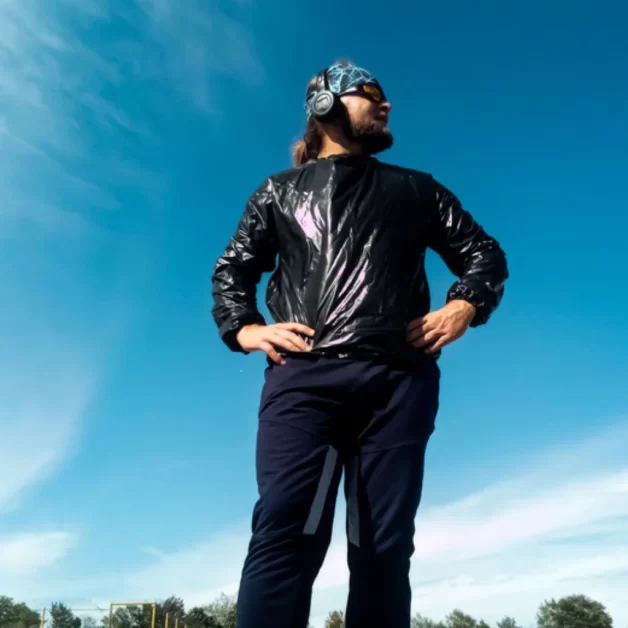
Warning Signs: Stop the Session Instead of Chasing a Target
The CDC advises athletes who feel faint or weak to stop activity and move to a cool place. Heat-related illness can also involve dizziness, headache, weakness, nausea, heavy sweating, muscle cramps or confusion. Review CDC heat guidance for athletes.
- Stop exercising if you feel faint, weak, dizzy, confused or unusually nauseated.
- Move to a cooler environment rather than trying to “finish the cut.”
- Do not add a sauna, steam room, hot bath or hot outdoor conditions just to force more sweating.
- Seek urgent medical care for severe symptoms, loss of consciousness, confusion or suspected heat stroke.
Do Not Wear a Sauna Suit Inside a Sauna to Cut Weight
A sauna suit already restricts heat loss. Combining it with a sauna or other hot environment stacks two sources of heat stress. The controlled heat-strain study found the greatest physiological strain when restrictive heat-loss clothing was combined with hot conditions. If you are visiting a sauna room, wear what the facility allows instead; our sauna clothing guide covers that separate question.
What to Do Instead If You Need to Make Weight
The safer strategy is to solve the weight-class problem earlier, not to find a more aggressive way to sweat at the last minute. That means planning body mass, fueling and training far enough ahead that the final hours before weigh-in do not depend on severe fluid restriction or heat exposure.
- Check the rules first: your governing body may restrict sweat suits, dehydration methods or allowable weight-loss practices.
- Use qualified support: a sports physician, athletic trainer or sports dietitian can help build a plan around your sport, body size, competition schedule and medical history.
- Plan earlier: gradual body-composition management is different from trying to remove large amounts of fluid immediately before a weigh-in.
- Do not copy another athlete’s cut: sweat rate, heat tolerance, body size and competition rules differ.
Sauna Suit Weight-Cutting Red-Flag Checklist
If any of these statements describe the plan, it is a sign to stop and get qualified guidance rather than improvising:
- “I have to lose a specific number of pounds tonight.”
- “I’ll wear the suit in a sauna, steam room, hot bath or hot car to speed it up.”
- “I’ll keep going until the scale hits the number, even if I feel bad.”
- “I’ll copy a fighter’s or wrestler’s online water-cut schedule.”
- “The temporary scale drop means I burned that much fat.”
- “If I drink less, the sauna suit will work better.”
Sauna Suit Weight-Cutting FAQs
How much weight can you cut in a sauna suit?
There is no universal safe number to target. The short-term change is mostly fluid, and the amount lost varies with exercise, environment, garment coverage, sweat rate and the individual. Treating a pound target as a safe limit can encourage dangerous dehydration.
How long should you wear a sauna suit to cut weight?
There is no evidence-based universal time that makes rapid weight cutting safe. The old advice to start at 5–10 minutes and build toward 30–60 minutes creates a false sense of precision. If the purpose is deliberate dehydration for a weigh-in, use qualified sports-medicine guidance instead of an online timer.
Does a sauna suit burn belly fat?
No. A sauna suit cannot target belly fat. It can increase sweating and may slightly change exercise energy expenditure, but a sweaty workout is not the same as spot-reducing body fat.
Should you stop drinking water before a weigh-in?
This guide does not recommend deliberate fluid restriction. Intentional dehydration is the core risk in many rapid weight-cutting practices. Athletes making a regulated weight class should follow their sport’s current rules and qualified medical/nutrition guidance.
Can you wear a sauna suit in a sauna?
Do not use that combination to force faster weight loss. Both the suit and the hot room reduce your ability to shed heat, increasing physiological strain.
Are sauna suits banned for weight cutting?
Rules depend on the sport and governing body. NFHS wrestling guidance specifically recommends prohibiting sweatsuits and similar dehydration methods for weight cutting. Check the current rules that apply to your competition rather than assuming a method is allowed because another athlete uses it.
Bottom Line
A sauna suit can make you sweat more and temporarily reduce scale weight, but that does not make it a reliable fat-loss tool or a safe DIY method for making a weight class. Avoid fixed time targets, pound-loss promises and plans that combine the suit with extra heat or fluid restriction. If competition weight matters, use your sport’s rules and qualified sports-medicine support to plan well before weigh-in day.






2 Comments
Comments are closed.