
History of Sauna Bathing: Finnish Origins and Global Traditions

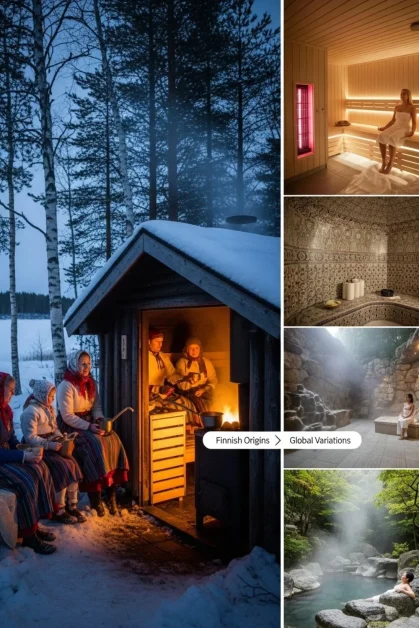
The history of sauna bathing stretches from ancient Finnish pit saunas to modern wellness centers around the world.
What began as a survival tool in cold climates eventually became a global tradition tied to relaxation, recovery, social connection, and heat therapy.
Even with modern infrared systems and smart sauna technology, the core sauna experience remains surprisingly similar to what people practiced thousands of years ago: heat, steam, rest, and recovery.
What Is Sauna Bathing?
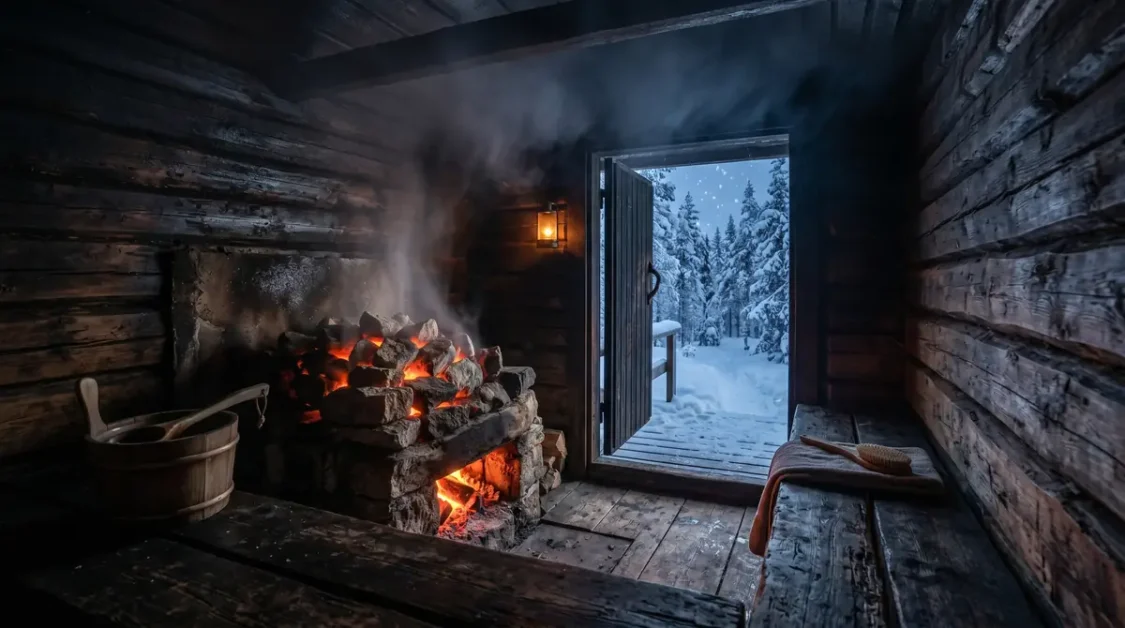
Sauna bathing is the practice of sitting in a heated room or enclosed structure designed to promote sweating, relaxation, and cleansing through heat exposure.
Traditional saunas use heated stones or stoves to create dry heat, while some versions add steam by pouring water over hot rocks. Modern saunas may also use infrared panels or electric heaters.
Typical sauna temperatures range between:
| Sauna Type | Typical Temperature |
|---|---|
| Finnish Sauna | 150°F to 194°F |
| Infrared Sauna | 120°F to 150°F |
| Steam Sauna | Lower heat with high humidity |
In real sauna sessions, the heat usually builds gradually during the first few minutes. After about 10 minutes, sweating becomes much heavier for most people.
If you want a deeper breakdown of modern sauna types and how they work, this guide to a complete sauna overview explains the basics clearly.
When Did Sauna Bathing Begin?
Sauna bathing dates back more than 10,000 years. Early forms appeared in Northern Europe, especially Finland, where people dug pits into the ground and heated stones to create warmth and steam.
These primitive pit saunas helped people survive harsh winters while also providing spaces for hygiene and relaxation.
Early Pit Saunas
The earliest saunas were simple underground structures lined with stones. People heated rocks with fire, then poured water over them to create steam.
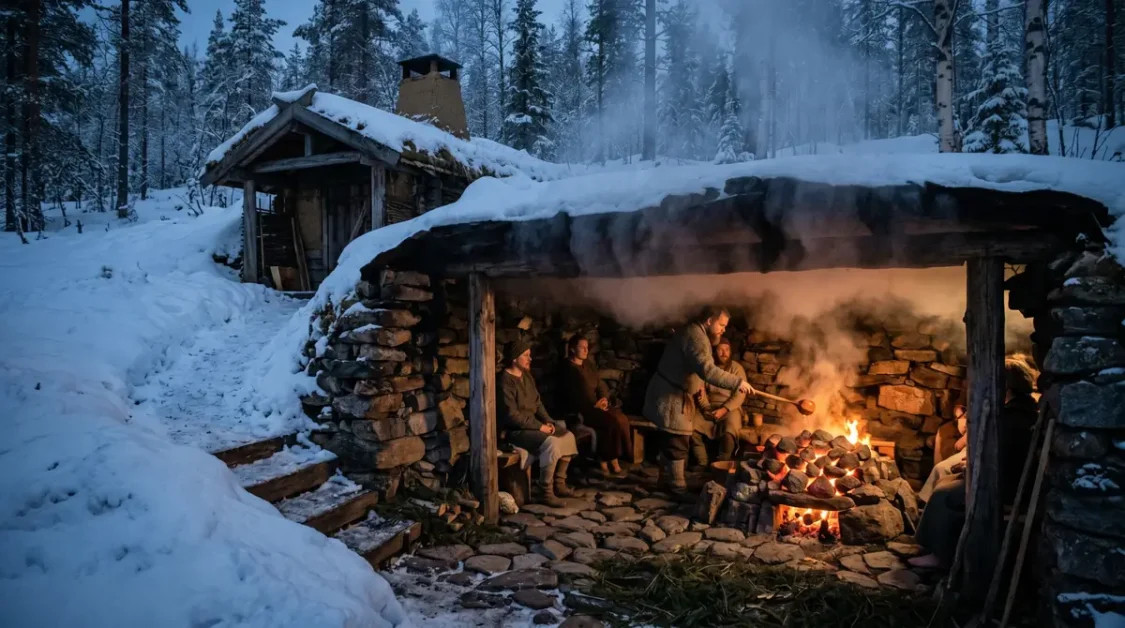
These early saunas were used for:
- Staying warm during cold winters
- Bathing and hygiene
- Relaxation
- Healing rituals
- Community gatherings
Archaeological discoveries across Finland, Scotland, Ireland, and other parts of Europe show that sweat bathing traditions existed in several ancient cultures.
Why Heat Therapy Became Popular
From a practical standpoint, heated rooms solved multiple problems at once. In cold climates, warm enclosed spaces provided comfort, helped with cleaning, and supported social interaction.
One thing people often overlook is that ancient homes rarely had running water or modern heating systems. Saunas became one of the cleanest and warmest places available.
Finnish Origins of the Sauna
Finland is the country most closely connected with sauna culture. The word “sauna” itself comes from Finnish language roots connected to earth pits and heated shelters.
Finnish sauna traditions shaped many of the modern sauna practices still used today.
Early Finnish Sauna Culture
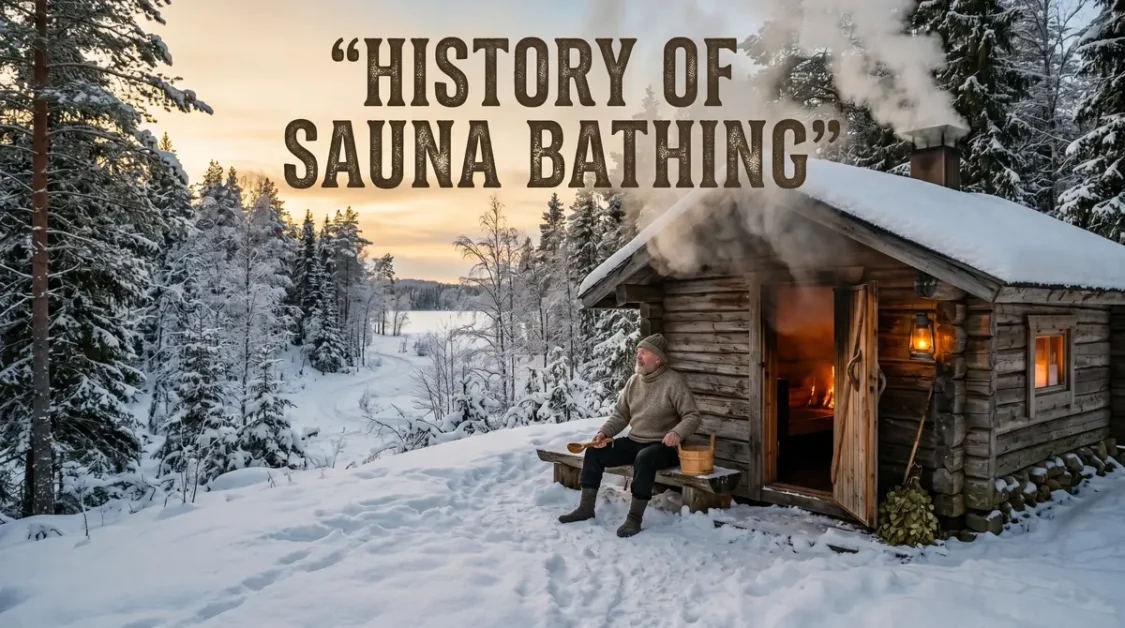
Ancient Finnish saunas began as smoke filled underground pits before evolving into wood built cabins with heated stones.
By the Middle Ages, Finnish saunas became an important part of daily life.
People used saunas for:
- Bathing
- Washing clothes
- Healing illnesses
- Childbirth
- Preparing food
- Relaxation
- Community gatherings
Many people today are surprised to learn that Finnish families often considered the sauna the cleanest room in the home.
The Spiritual Side of Finnish Saunas
Historically, Finnish saunas also carried spiritual meaning.
Saunas represented the balance of:
- Fire
- Water
- Earth
- Air
Finnish folklore included stories about the “Saunatonttu,” a sauna spirit believed to protect the sauna space.
In most traditional Finnish sauna practices, people treated the sauna with quiet respect rather than loud conversation.
You can explore more about classic Finnish heat bathing in this guide to the traditional sauna experience.
Finland’s Modern Sauna Culture
Today, Finland has around 3.3 million saunas for a population of roughly 5.5 million people.
That means there is approximately one sauna for every two people.
In 2020, UNESCO officially recognized Finnish sauna culture as part of the world’s Intangible Cultural Heritage.
Modern Finnish sauna culture still focuses heavily on:
- Relaxation
- Equality
- Wellness
- Community connection
- Stress relief
How Sauna Bathing Spread Around the World
As migration and trade expanded, sauna like traditions appeared in many regions across Europe, Asia, and the Americas.
Different cultures adapted heat bathing based on local climates, available materials, and cultural traditions.
Russian Banya
The Russian banya uses high humidity and steam with heated stones.
One thing people often notice in banyas is the use of “venik,” which involves lightly whisking the body with birch or oak branches.
Typical banya traditions include:
- Steam sessions
- Cold plunges
- Tea drinking
- Social gatherings
Turkish Hammam
The Turkish hammam developed from Roman bathhouse traditions.
Unlike dry Finnish saunas, hammams use humid steam rooms with heated marble surfaces.
Hammams became known for:
- Deep cleansing
- Body scrubbing
- Massage rituals
- Social bathing
Japanese Onsen
Japanese onsens use natural geothermal hot spring water instead of heated dry air.
These bathing traditions focus heavily on quiet relaxation and mineral rich soaking.
Korean Jimjilbang
Korean jimjilbang bathhouses combine:
- Dry saunas
- Steam rooms
- Hot tubs
- Sleeping spaces
- Relaxation areas
Many modern wellness centers today borrow ideas from Korean bathhouse culture.
Native American Sweat Lodges
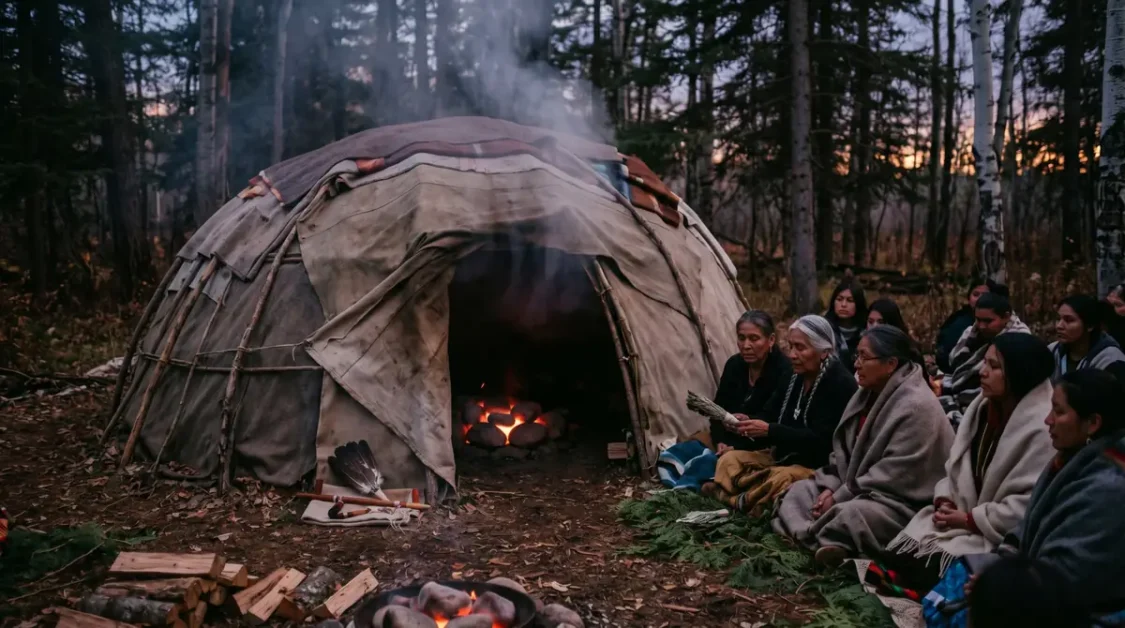
Long before European sauna culture reached North America, Indigenous communities used sweat lodges for spiritual ceremonies and purification.
These enclosed structures used heated rocks and steam to support:
- Prayer
- Healing rituals
- Cleansing ceremonies
- Community gatherings
Mayan Temazcal
In Central America, the temazcal tradition used dome shaped steam lodges with herbs and heated stones.
Temazcal ceremonies were often guided by spiritual leaders and focused on purification and healing.
The Oldest Sauna in the World
The oldest known sauna structures trace back more than 10,000 years to primitive Finnish pit saunas.
While no original prehistoric sauna remains fully intact, the oldest continuously operating public sauna building today is Rajaportti Sauna in Tampere, Finland.
Built in 1906, Rajaportti Sauna still uses a traditional wood fired stove and maintains many historic sauna customs.
Many sauna enthusiasts visit historic sites like Rajaportti to experience older forms of sauna bathing firsthand.
History of Sauna Bathing in America
Sauna culture in America developed through both Indigenous traditions and Finnish immigration.
Indigenous Sweat Lodge Traditions
Native American tribes used sweat lodges centuries before European settlers arrived.
These ceremonies focused on:
- Spiritual cleansing
- Physical purification
- Prayer
- Healing rituals
The Lakota inipi ceremony remains one of the best known examples.
Finnish Immigration and Sauna Expansion
Finnish immigrants brought traditional sauna culture to the United States during the late 1800s and early 1900s.
Large Finnish communities settled in:
- Michigan
- Minnesota
- Wisconsin
They built wood burning saunas that mirrored Finnish cabin designs.
Many home sauna owners today still prefer wood burning setups because they create a softer, more traditional heat experience.
Modern Sauna Growth in America
By the mid 20th century, electric saunas made home installation easier.
Saunas eventually spread into:
- Gyms
- Hotels
- Wellness spas
- Fitness centers
- Backyard home setups
Today, infrared sauna systems are especially popular because they operate at lower temperatures while still producing strong sweating effects.
This guide to infrared sauna benefits explains why many people now prefer infrared systems for home wellness routines.
History of Sauna Bathing in Europe
Sauna traditions evolved differently across Europe depending on local culture and climate.
Roman Bathhouses
Ancient Romans developed public bath systems called thermae and balneae.
These facilities included heated rooms designed for:
- Bathing
- Relaxation
- Social interaction
- Hygiene
Roman bathhouses influenced many later European steam and bathing traditions.
Estonian Smoke Saunas
Estonian smoke saunas resemble early Finnish smoke saunas but operate without chimneys.
The smoke fills the room during heating before being ventilated out.
This creates a distinctive aroma and softer heat.
UNESCO added Estonia’s smoke sauna tradition to its Intangible Cultural Heritage list in 2013.
Decline During the 16th Century
Many Western European heat bathing traditions declined during the 1500s because public baths became associated with disease spread.
However, Finland and Eastern Europe continued preserving sauna culture.
Modern European Sauna Revival
By the 19th and 20th centuries, saunas regained popularity across Europe.
Electric heaters and modern wellness culture helped expand sauna use into urban areas.
Today, Europe remains one of the largest global sauna markets.
Modern trends include:
- Outdoor saunas
- Smart sauna controls
- Mobile saunas
- Barrel saunas
- Minimalist Scandinavian designs
If you enjoy modern Nordic inspired layouts, these modern sauna design ideas show how traditional sauna culture blends with contemporary architecture.
Modern Sauna Types and Trends
Modern sauna technology has changed how people experience heat therapy.
Traditional Finnish Sauna
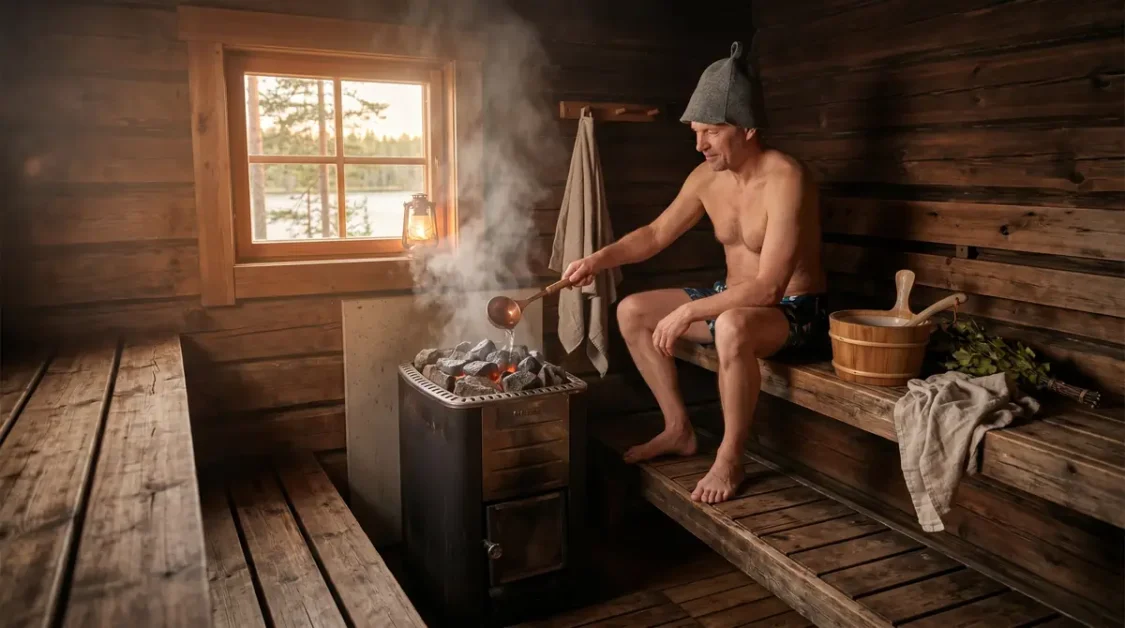
Traditional Finnish saunas still use heated rocks and dry heat.
Water can be poured over stones to create steam called löyly.
Many experienced sauna users prefer traditional saunas because of the stronger heat and authentic atmosphere.
Infrared Sauna
Infrared saunas use infrared heating panels instead of heated air.
These systems typically run at lower temperatures while heating the body more directly.
Many beginners find infrared sessions easier to tolerate during their first few uses.
Steam Sauna
Steam saunas focus on high humidity rather than dry heat.
The moist environment can feel very different compared to a dry Finnish sauna.
Popular Sauna Design Trends in 2026
Current sauna trends include:
- Barrel saunas
- Outdoor spa integration
- Smart Wi Fi controls
- Minimalist Scandinavian interiors
- Energy efficient electric heaters
- Compact backyard sauna cabins

In most home sauna setups, ventilation and insulation become two of the most important design decisions.
Sauna Health Benefits and Wellness Use
People have used saunas for relaxation and wellness for centuries.
Modern research continues studying how regular sauna use may support overall wellbeing.
Physical Benefits
Many people use saunas after workouts because the heat may help muscles relax.
Commonly reported sauna benefits include:
- Relaxation
- Increased circulation
- Stress reduction
- Temporary muscle relief
- Recovery support
Some users also report improved sleep after evening sauna sessions.
You can learn more about long term sauna benefits and usage if you want a deeper wellness breakdown.
Mental Wellness Benefits
Regular sauna use is often associated with reduced stress and a calming post session feeling.
When people start using a sauna regularly, many notice the experience becomes more relaxing over time as the body adapts to the heat.
What About Cortisol and Stress?
One of the common People Also Ask questions is whether saunas help with high cortisol levels.
Sauna heat may help support relaxation and stress management for some people, but results vary by individual.
Saunas should not replace professional medical treatment for chronic stress or hormonal conditions.
Research on Sauna and Heart Health
A Finnish study published in Mayo Clinic Proceedings followed more than 2,300 middle aged men over 20 years.
Researchers observed that frequent sauna use was associated with lower cardiovascular risk.
Still, sauna research continues evolving, and individual health conditions matter.
Sauna Risks and Safety Tips
Although saunas are generally safe for healthy adults, heat exposure still requires caution.
Common Sauna Risks
Potential risks include:
- Dehydration
- Dizziness
- Overheating
- Heat exhaustion
- Low blood pressure
Most first time users underestimate how important hydration is during sauna sessions.
Who Should Be Careful?
People with the following conditions should speak with a healthcare provider before sauna use:
- Cardiovascular disease
- Pregnancy
- Heat sensitivity
- Low blood pressure conditions
Avoid alcohol before sauna sessions because it increases dehydration risk.
A good starting point is reading basic sauna safety guidelines before developing a regular sauna routine.
What Is the 200 Rule for Saunas?
The “200 rule” is a traditional sauna guideline suggesting that sauna temperature and humidity percentages together should stay around 200.
For example:
- 180°F with 20% humidity
- 170°F with 30% humidity
This rule helps balance comfort and breathing conditions.
How to Start Sauna Bathing Safely
If you’re new to sauna bathing, starting slowly usually leads to a much more comfortable experience.
Beginner Sauna Tips
- Drink water before entering.
- Start with 10 to 15 minute sessions.
- Cool down gradually afterward.
- Rest between multiple rounds.
- Avoid very high heat during your first sessions.
Many beginners expect the heat to feel instant, but sauna heat builds gradually.
Sauna Etiquette Basics
Good sauna etiquette includes:
- Showering before entering
- Sitting on a towel
- Respecting quiet environments
- Following local customs
In everyday sauna use, small etiquette habits help shared spaces stay comfortable for everyone.
If you’re unsure what to bring or wear, this guide explains how to dress for the sauna.
FAQs
What’s the history behind sauna baths?
Sauna bathing started more than 10,000 years ago in Finland using heated stone pits for warmth, cleansing, and relaxation.
Which country is most famous for sauna culture?
Finland is the country most associated with sauna culture because sauna traditions remain deeply connected to everyday life there.
Did Finnish people really give birth in saunas?
Yes. Historically, Finnish saunas were considered one of the cleanest and warmest spaces available, so childbirth sometimes took place there.
Is sauna bathing good for stress relief?
Many people use saunas to relax and unwind after stressful days. Heat exposure may help support relaxation and muscle comfort.
What’s the best sauna type for beginners?
Many beginners start with infrared saunas because the lower temperatures often feel easier to tolerate.
Will sauna help with muscle soreness?
Some people use saunas after workouts because heat may help muscles relax and support post workout recovery.
How long should a sauna session last?
Most beginners start with 10 to 15 minute sessions before gradually increasing duration over time.