
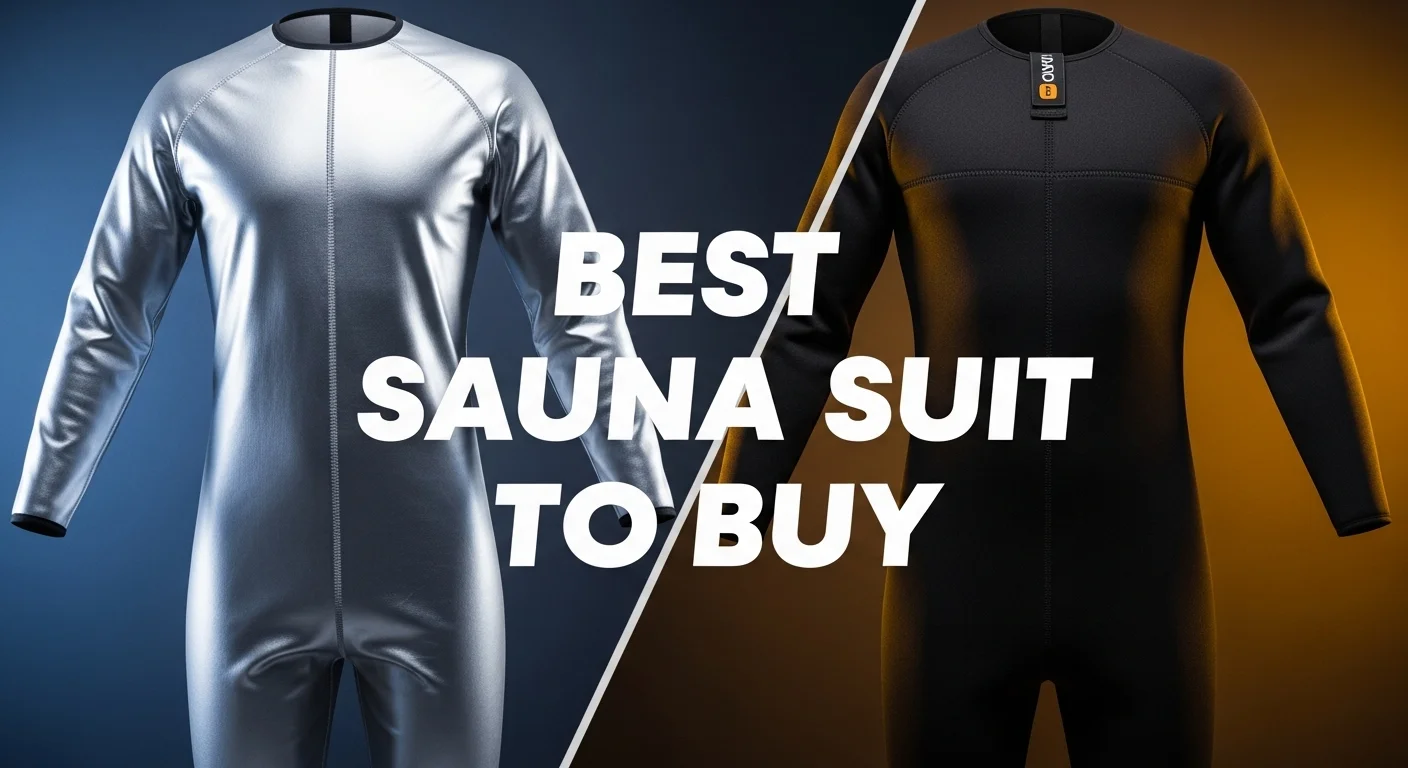
Best Sauna Suit to Buy: Materials, Fit & Safety Guide

The best sauna suit to buy is one that fits the way you train, lets you move normally, has durable seams and closures, and comes with a clear size chart and care instructions. Neoprene, polyester/nylon, and coated technical fabrics can all be reasonable choices; no single material is automatically best for every buyer.
This guide helps you compare fit, materials, construction, cleaning needs, safety, and current models using published manufacturer details. If your main goal is making weight for a competition rather than choosing a suit, see our sauna suit weight-cutting guide instead, because rapid fluid loss is a separate, higher-risk decision.
Quick Answer: What Should You Buy?
There is no single sauna suit that is best for every buyer. Use this decision table to narrow the field before comparing brands.
| Your priority | What to look for | What to avoid |
|---|---|---|
| General gym or cardio use | Comfortable range of motion, secure cuffs, easy cleaning, clear size chart | Very restrictive fit or buying solely for maximum sweat |
| Boxing or combat-sport training | Reinforced seams, shoulder mobility, durable closures, sport-rule awareness | Using the suit as an unsupervised rapid weight-cutting tool |
| First sauna suit | Clear return policy, straightforward care instructions, moderate price | Paying extra for unsupported detox or fat-burning claims |
| Frequent use | Strong stitching, replaceable or durable closures, manufacturer-supported washing instructions | Products with no care guidance or unclear material description |
| Fat-loss goal | A normal training plan and nutrition strategy | Buying a sauna suit because the scale drops after sweating |
What a Sauna Suit Actually Does
A sauna suit reduces heat loss and increases sweating during exercise. That changes how hot and difficult a workout can feel, but it does not turn sweat into body-fat loss.
In a controlled high-intensity interval exercise study, wearing a sauna suit increased total exercise-plus-recovery energy expenditure by about 23 calories compared with the same workout without the suit. The researchers concluded that the increase may not meaningfully benefit weight loss. Read the study on PubMed.
Another controlled study found that restrictive heat-loss clothing increased sweat rate and physiological strain, with the strain becoming greater when exercise was also performed in hot conditions. See the heat-strain study on PubMed.
- Extra sweat: yes, that is the garment’s main effect.
- Temporary scale change: possible, primarily because of fluid loss that returns with rehydration.
- Large fat-loss advantage: not supported by the controlled calorie study above.
- Detox, cellulite removal or spot-fat reduction: do not use these marketing claims as buying criteria.

How We Evaluate a Sauna Suit Before Buying
For a useful buying comparison, the important details are the ones you can verify before ordering. Ignore vague phrases such as “maximum fat burn” and compare the garment itself.
- Published material: the listing should state what the garment is actually made from.
- Real size chart: chest, waist, hip, height or weight measurements are more useful than “runs small” comments alone.
- Movement: shoulders, hips, knees and elbows should move normally for the exercise you plan to do.
- Construction: inspect seam design, zipper quality, cuffs and high-stress areas.
- Care instructions: sauna suits finish workouts wet. A product with clear washing and drying instructions is easier to maintain.
- Return policy: check hygiene exclusions before wearing the garment. Some brands restrict returns once a sauna suit has been used.
Sauna Suit Materials: Neoprene vs Polyester, Nylon and Coated Fabrics

Neoprene
Neoprene can provide a close, stretchy fit and is common in premium sauna suits. Thickness and panel design vary significantly, so do not assume every neoprene suit feels or performs the same. A thicker garment may feel more restrictive and hotter; flexibility panels can matter more than the material name by itself.
Polyester or Nylon
Polyester- and nylon-based suits are often lighter than thick neoprene and may use coatings, elastic cuffs or layered construction to reduce heat loss. These fabrics are not automatically “budget” materials: current boxing-oriented sauna suits also use polyester. Check the exact garment construction rather than judging by the fiber name alone.
PVC, Vinyl and Other Coated Materials
PVC or vinyl-style sweat suits can be inexpensive and effective at trapping heat, but thin versions may feel stiff, noisy or less durable. If you are considering one, pay extra attention to seam reinforcement, movement and the manufacturer’s care instructions.
Fit Matters More Than “Maximum Sweat”
A sauna suit should let you complete the intended movement without pinching, binding or restricting your normal range of motion. There is no reliable universal rule to “always size up.” Current brands use different sizing systems.
For example, Kutting Weight publishes its own sizing guidance, while BOXRAW publishes chest, waist, hip and inseam measurements plus model-specific fit notes for the Hagler Sauna Suit 2.0. The useful lesson is simple: measure yourself and use the specific model’s current chart instead of copying a size recommendation from another brand.
Features Worth Paying For
- Reinforced seams: especially around the crotch, underarms, shoulders and knees.
- Reliable closures: zippers, drawstrings and cuffs should be easy to operate when the garment is wet.
- Movement panels: mesh or stretch panels can improve comfort, although they may also change how much heat the suit retains.
- Useful pockets: only if they are positioned where a phone, key or card will not interfere with training.
- Clear care instructions: follow the manufacturer rather than a universal cleaning recipe.
A hood is not automatically an upgrade. More coverage can increase heat retention and may also increase heat strain. Choose a hood because it suits your training and weather conditions, not because “more sweat” sounds better.
Current Sauna Suit Models Worth Comparing
These are current manufacturer examples, not a hands-on performance ranking. We include them because their manufacturers publish useful construction, sizing or care information. Prices and availability change, so check the live product page before buying.
| Current line | Verified manufacturer details | Why compare it |
|---|---|---|
| Kutting Weight Sauna Suit V4 | Manufacturer lists 2.4 mm elastic neoprene, mesh panels, triple-reinforced stitching and sizes XS–6XL | Useful reference if you want a thick neoprene suit with detailed construction information |
| BOXRAW Hagler Sauna Suit 2.0 | Manufacturer publishes a detailed body-measurement size chart, model-specific fit notes and cold-wash/no-tumble-dry care guidance | Useful reference if you want a boxing-oriented suit with detailed fit and care information |
| HOTSUIT 904 line | Current 904 ranges use the brand’s technical heat-retaining fabric approach, with separate product lines and size guidance | Useful reference if you want to compare coated technical-fabric designs rather than thick neoprene |
Do not treat manufacturer claims about “fat burn,” “detox,” body composition or faster weight loss as proof that one model is better. Compare the construction facts you can verify, then choose the fit and care routine you can realistically maintain.
Sauna Suit Safety Before You Buy
A sauna suit deliberately makes heat harder to shed. That is the feature you are buying, and it is also the reason safety matters. The CDC advises athletes to stop activity and move to a cool place if they feel faint or weak, and lists symptoms such as dizziness, headache, weakness, nausea, heavy sweating and shortness of breath among warning signs of overheating. Review CDC heat guidance for athletes.
Do not combine a sauna suit with extra heat simply to force more sweat. The controlled heat-strain research found that restrictive heat-loss clothing increased physiological strain, with an even greater strain in hot conditions.
Rapid weight cutting is a separate, higher-risk use case. The National Federation of State High School Associations warns that intentional dehydration and sweat-suit methods can impair performance and increase heat-illness risk, and recommends prohibiting sweatsuits for weight cutting in school wrestling. Read the NFHS weight-cutting guidance. This buying guide does not provide a dehydration or weigh-in protocol.
If you actually meant clothing for sitting inside a sauna room, that is a different question. See our sauna clothing guide. A sauna suit is exercise apparel, not normal sauna-room clothing.
Cleaning and Care: Follow the Specific Suit
The old advice to hand-wash every sauna suit is too broad. Current manufacturers differ: some publish machine-wash options while others specify cold washing, inside-out cleaning or air drying. Read the garment label and current manufacturer instructions first.
- Do not let the suit remain wet in a closed gym bag.
- Check seams, cuffs and zippers as part of routine care.
- Do not assume a vinegar mix, fabric softener rule or dryer setting is safe for every material.
- Retire a suit if the material is cracking, seams are failing or closures no longer work reliably.
For a dedicated cleaning walkthrough, use our sauna suit washing guide, then compare its general steps with your product’s care label.
Sauna Suit Buying Checklist
- What exercise will I actually do in it?
- Does the manufacturer publish the exact material?
- Can I match my measurements to a real size chart?
- Can I move my shoulders, hips and knees normally?
- Are the seams and closures designed for repeated movement?
- Can I realistically follow the washing and drying instructions?
- What is the return policy once the garment has been tried on or worn?
- Am I buying it for a real training preference rather than a detox or rapid fat-loss promise?
Sauna Suit FAQs
Do sauna suits burn belly fat?
No sauna suit can target belly fat. Wearing one may slightly change exercise energy expenditure, but the controlled HIIT study found a small calorie difference that the researchers said may not meaningfully benefit weight loss. A quick drop on the scale after a sweaty workout is primarily fluid loss.
Is neoprene always the best sauna suit material?
No. Neoprene can be flexible and durable, but polyester, nylon and coated technical fabrics can also make practical training garments. Compare the individual suit’s thickness, seam construction, movement, sizing and care requirements.
How tight should a sauna suit be?
It should allow normal movement without binding. Use the exact model’s size chart instead of assuming all sauna suits should fit like compression clothing or that you must always size up.
Should I wear a shirt under a sauna suit?
Check the manufacturer’s instructions. A light base layer may improve comfort and reduce skin friction for some garments, but the best choice depends on the suit design, your activity and how the manufacturer expects it to be worn.
Can I wear a sauna suit inside a sauna?
Do not assume you should. A sauna suit already restricts heat loss, and research shows physiological strain rises further when restrictive heat-loss clothing is combined with hot conditions. Follow the garment instructions and do not stack heat exposure simply to increase sweating.
Is an expensive sauna suit worth it?
It can be if the extra cost buys a better fit, durable stitching, a useful size range, easier care or stronger return support. A higher price is not proof of better weight-loss results.
Bottom Line
The best sauna suit to buy is the one that fits your training, moves comfortably, has durable construction, comes with clear sizing and care instructions, and does not require you to believe exaggerated fat-loss claims. Compare current models by verified garment details first. If a listing mainly sells “detox,” “belly fat” or dramatic scale loss, keep shopping.








3 Comments
Comments are closed.