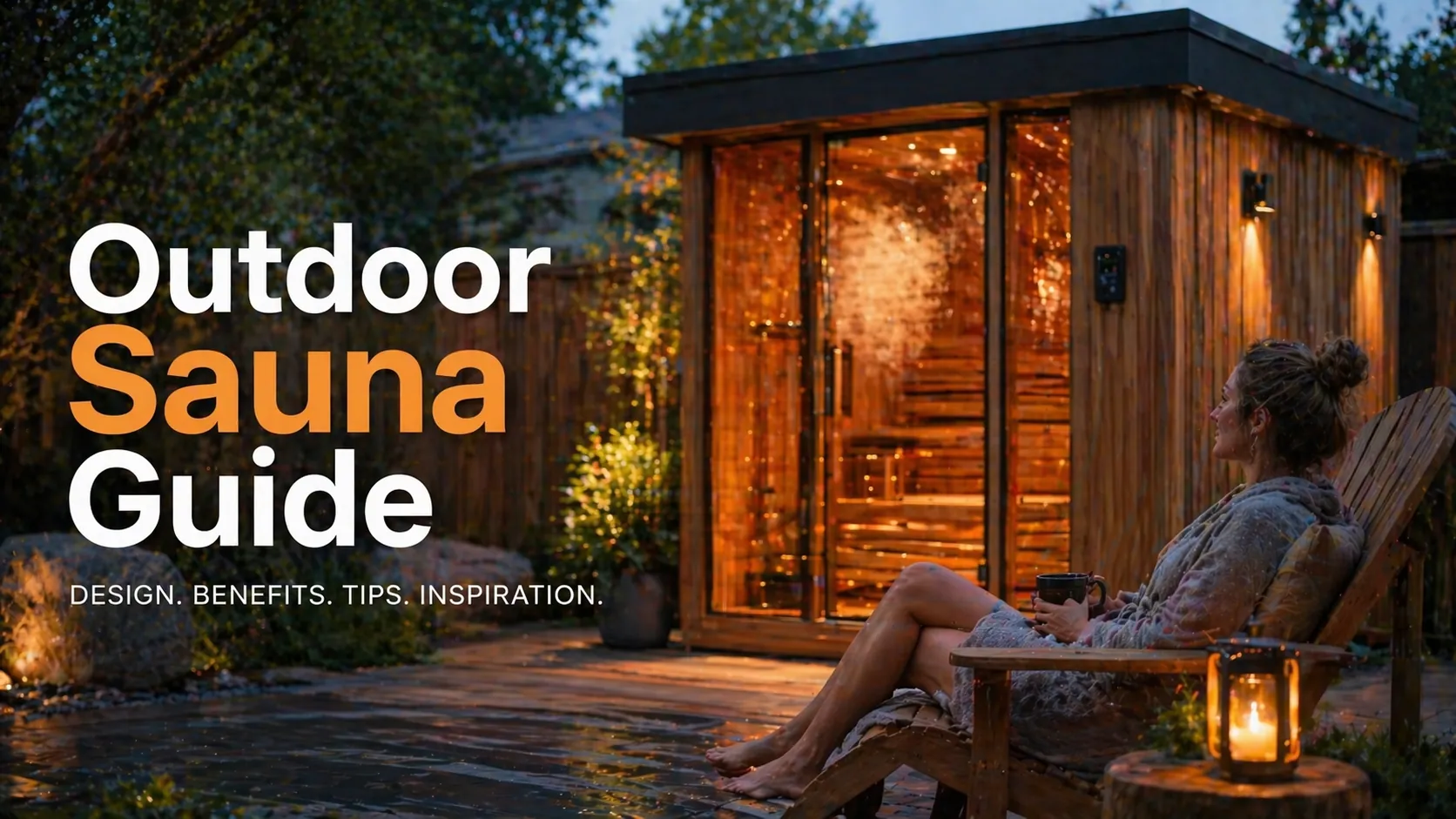
Outdoor Sauna Guide: How to Choose, Build, and Use One at Home

An outdoor sauna is one of the best ways to upgrade your backyard and improve your wellness routine. With the right setup, proper insulation, and correct heater choice, you can enjoy a reliable and relaxing sauna experience year-round.
But if you’re new to saunas, it’s easy to feel stuck. Which type should you choose, how much does it cost, and is building one yourself realistic?
In this guide, you’ll learn how outdoor saunas work, the different types available, how to install one, and how to use it safely for the best experience.
Who Should Consider an Outdoor Sauna?
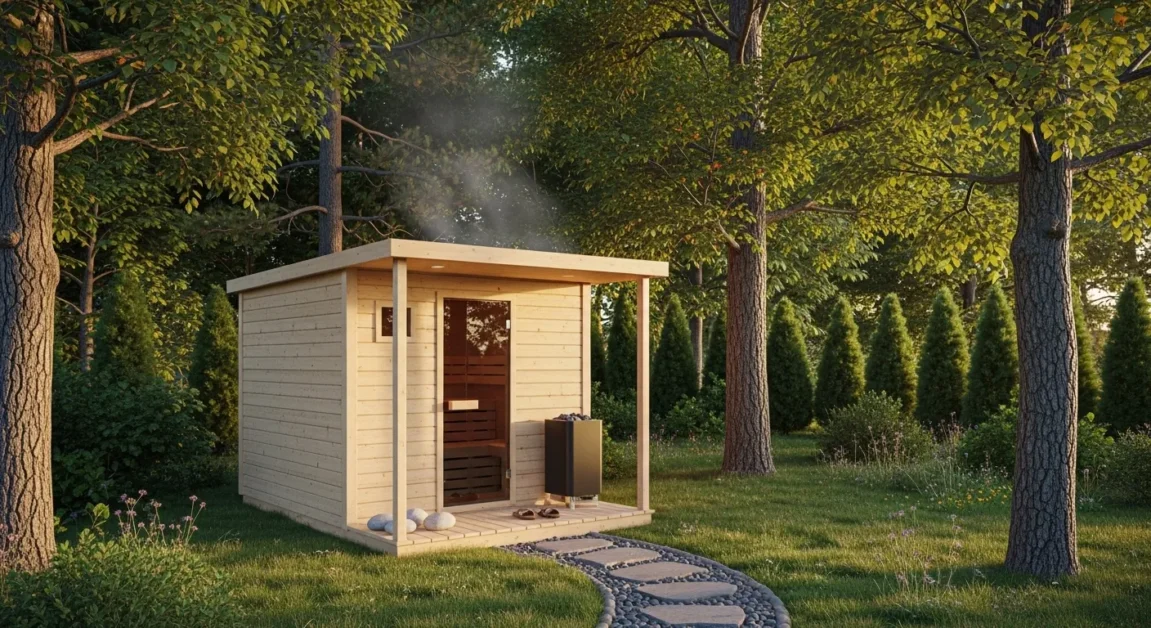
An outdoor sauna isn’t just for luxury homes. It works for a lot of everyday setups.
You might benefit from one if you:
- Want a relaxing backyard escape
- Enjoy heat therapy or recovery after workouts
- Have space for a small structure outdoors
- Prefer a traditional sauna experience
In most home sauna setups, people choose outdoor units because they feel more natural and less confined than indoor versions.
What Is an Outdoor Sauna?
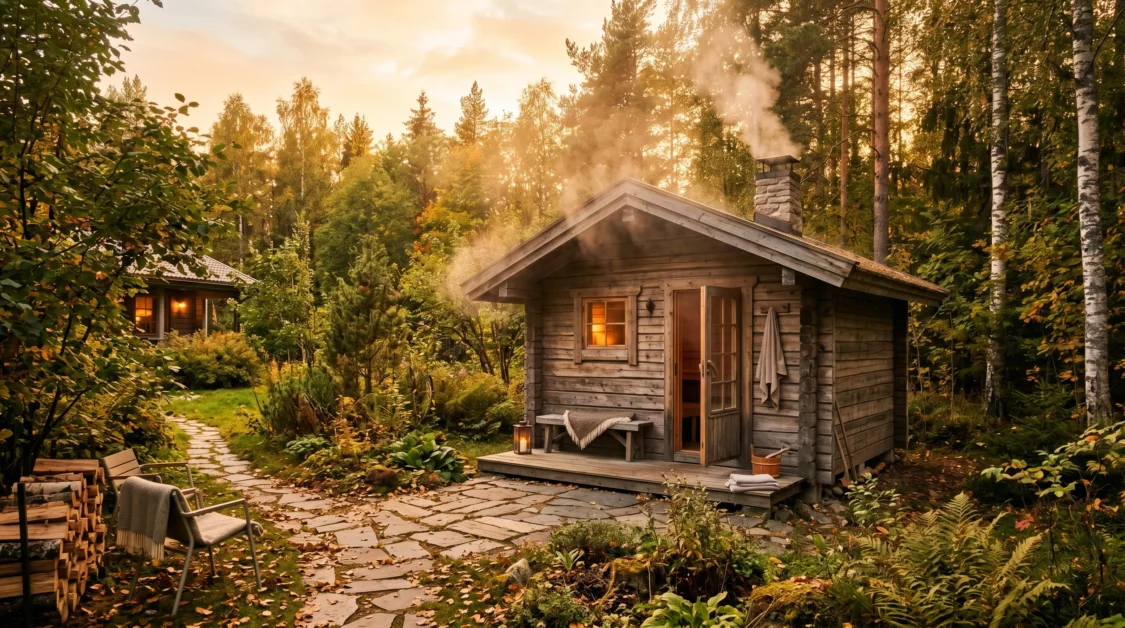
An outdoor sauna is a standalone structure placed outside your home, usually in a backyard or garden. It uses heat and sometimes steam to raise your body temperature and trigger sweating.
Most setups include:
- A sauna heater
- Sauna stones
- Wooden benches
- Insulated walls
- Ventilation system
One thing people often overlook is insulation. If it’s done poorly, your sauna will take longer to heat and lose energy quickly.
If you’re new, this complete sauna usage guide explains how sessions typically work.
Types of Outdoor Saunas
There are several outdoor sauna designs to choose from, and each one fits different spaces, budgets, and preferences. The right choice depends on how many people will use it, how fast you want it to heat up, and the overall style of your backyard.
Barrel Sauna
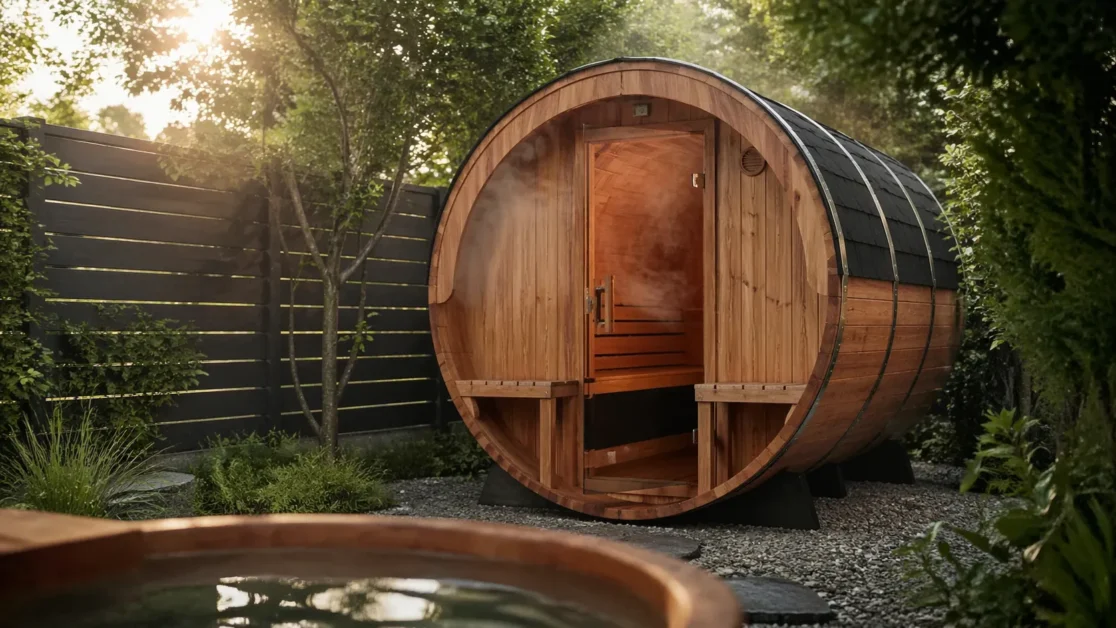
Barrel saunas are one of the most popular outdoor options. Their rounded shape helps heat circulate evenly, which means they warm up faster than many other designs.
- Fast heating time
- Space efficient
- Excellent heat circulation
If you want a deeper breakdown, check this barrel sauna guide.
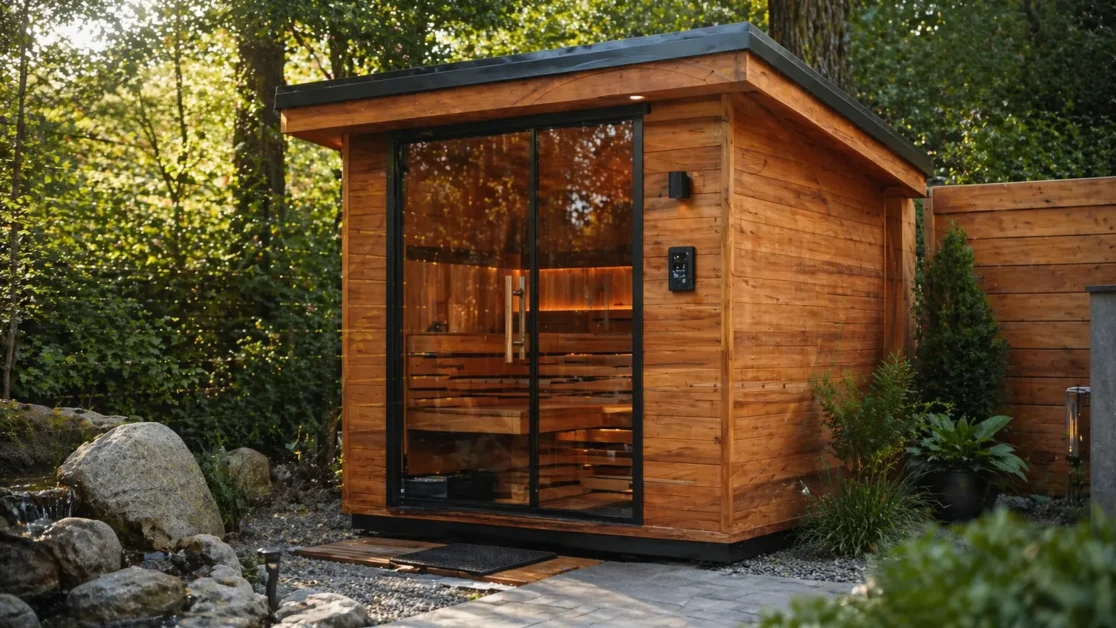
Cabin Sauna
Cabin saunas look like small wooden houses and offer more interior space. They’re ideal for families or anyone who wants a more spacious sauna experience.
- More interior space
- Better for families
- Multiple seating levels
Many homeowners prefer cabin saunas because they allow more flexible seating and layout options.
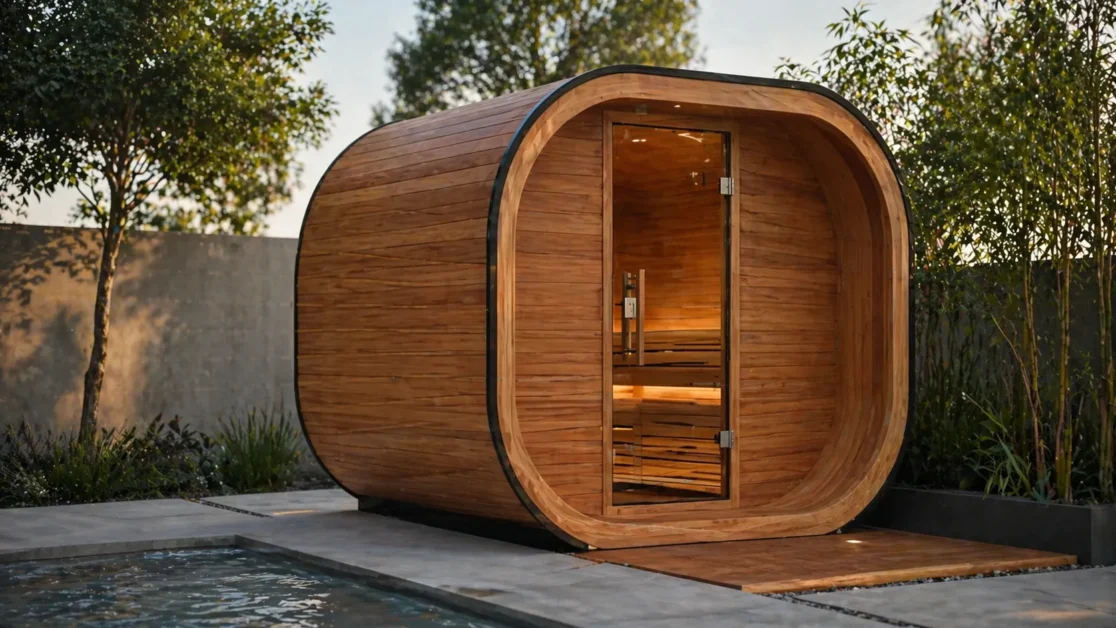
Pod Sauna
Pod saunas are a modern twist on traditional designs. Their curved structure combines style with efficiency, making them perfect for contemporary outdoor spaces.
- Modern curved design
- Compact footprint
- Stylish appearance
They work especially well in smaller yards where space is limited.
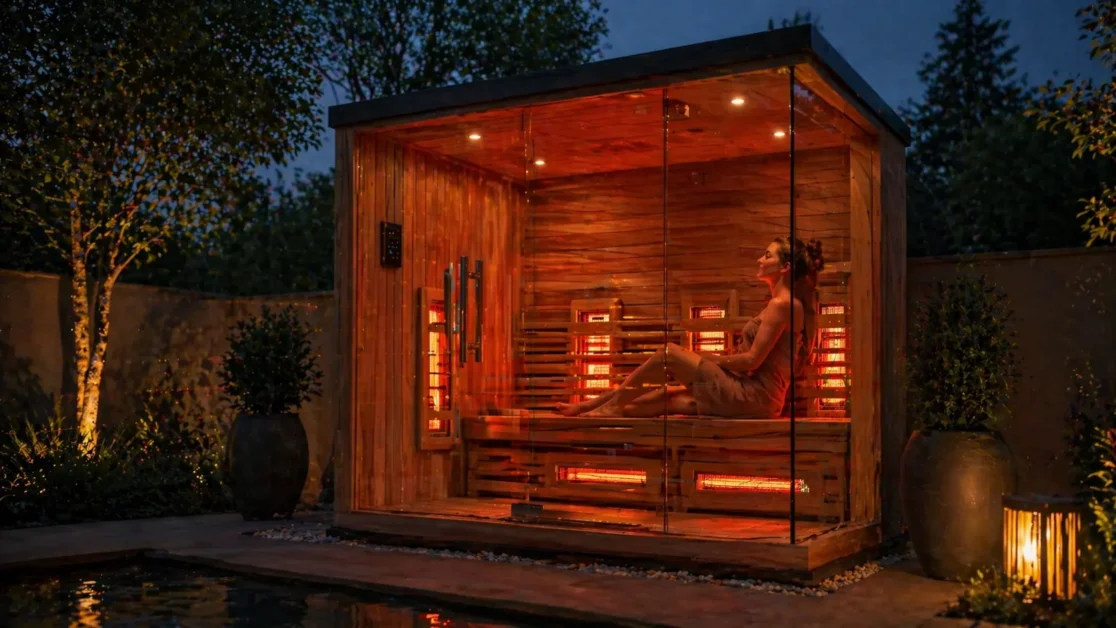
Infrared Sauna
Infrared saunas use radiant heat instead of heating the air. This creates a lower temperature environment that many beginners find more comfortable.
- Lower temperatures
- Heats the body directly
- Comfortable for beginners
They’re often used for gentle heat therapy and longer sessions.
How Outdoor Saunas Work
Outdoor saunas heat stones using a stove or heater. These stones then radiate heat into the air.
Here’s the process:
- Heater warms the stones
- Air temperature increases
- Water creates steam
- Body begins sweating
Many first-time users notice the heat builds gradually. After about 10 minutes, sweating becomes much more intense.
You can explore ideal ranges in this sauna temperature guide.
Best Heater Types for Outdoor Saunas
Choosing the right heater can make or break your sauna experience.
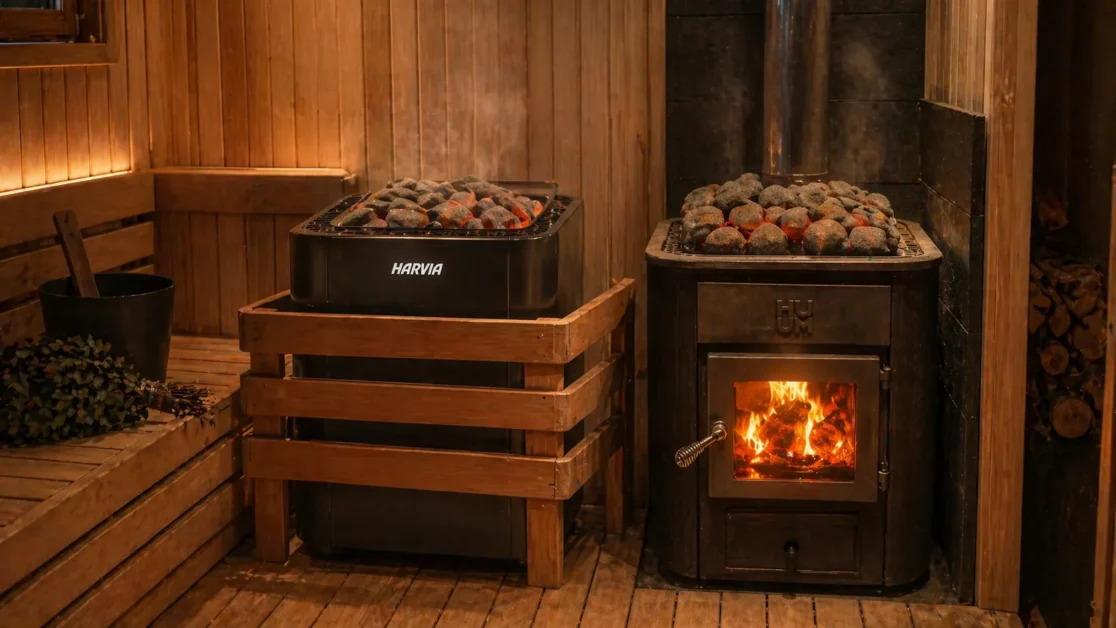
Electric Sauna Heater
- Easy to control
- Low maintenance
- Great for beginners
You can learn more about selecting the right sauna heater based on room size and heating speed.
Wood-Burning Sauna Stove
- Traditional sauna feel
- Stronger heat
- No electricity required
The heater size is critical. Too small and your sauna won’t heat properly.
Use this sauna heater sizing tool to get it right.
Do Outdoor Saunas Work in Winter?
Yes, outdoor saunas work in all seasons if built correctly.
Here’s what happens:
- Heating takes longer in cold weather
- Insulation becomes more important
- Wind reduces efficiency
In backyard setups, placing your sauna near a wall or trees helps block wind and retain heat.
Outdoor Sauna Benefits
Regular sauna use is associated with several wellness benefits.
- Improved circulation
- Muscle relaxation
- Stress relief
- Skin cleansing
Many people use saunas after workouts, and over time, relaxation improves significantly.
Read more in this sauna benefits guide.
Outdoor Sauna Cost Breakdown
Outdoor sauna costs vary depending on size and materials.
Average Price
- Sauna kits: $2,500 to $7,000
- DIY builds: $1,500 to $5,000
- Custom builds: $10,000+
Hidden Costs
- Electrical installation
- Foundation setup
- Maintenance
- Energy usage
Check this sauna operating cost guide for ongoing expenses.
How to Choose the Best Location
Choose the sauna location only after you know the model’s exterior dimensions, door position, heater type, and installation requirements. The site needs enough room for the structure plus the access and service space required by the manufacturer.
- Access: Check the path from the street or driveway to the final location, including gates, corners, steps, overhead branches, and staging space.
- Ground and drainage: Use a stable, level base approved for the sauna model and keep runoff from collecting around or beneath the structure.
- Utilities: Plan electrical service, lighting, or other utilities before permanent site work. A licensed electrician should confirm requirements for an electric heater.
- Clearances: Use the exact sauna and heater manuals for walls, roof overhangs, vents, chimneys, service access, and door swing.
- Local requirements: Check permits, setbacks, and other rules that apply at your property before construction or delivery.
For a detailed pre-delivery workflow, use our outdoor sauna site preparation checklist.
What Size Outdoor Sauna Do You Need?
Advertised “2-person” or “4-person” labels are useful for narrowing options, but they do not tell you how comfortable the interior will feel. Compare the actual bench dimensions and floor plan before buying.
Start With How You Will Actually Use It
- Count the people who will usually use the sauna at the same time, not the largest party you can imagine.
- Decide whether users only need seated space or whether someone should be able to recline on a bench.
- Check upper- and lower-bench dimensions, heater placement, door swing, and any changing or porch area.
- Use exterior dimensions for yard planning and interior bench dimensions for comfort.
Measure-Before-You-Buy Worksheet
| Check | What to record | Why it matters |
|---|---|---|
| Regular users | Typical simultaneous bathers | Prevents paying for unused capacity or buying too small |
| Bench space | Usable length, depth, and levels | Shows whether sitting or reclining will be comfortable |
| Exterior footprint | Width, depth, height, roof overhang | Confirms the sauna fits the chosen site |
| Entry | Door swing, steps, porch | Prevents conflicts with fences, walls, and paths |
| Service space | Manufacturer-required access around equipment | Keeps maintenance and inspection practical |
| Delivery route | Gate widths, turns, slope, overhead obstacles | Confirms the sauna or kit can reach the site |
If two models have the same advertised capacity, the better choice is usually the one whose bench layout fits your real use and whose exterior footprint leaves enough installation and service space.
Outdoor Sauna Setup Checklist
- Confirm the exact sauna and heater model before permanent site work.
- Prepare a stable, level base approved for the model.
- Plan drainage so rain and snowmelt move away from the structure.
- Verify delivery access and assembly space.
- Check model-specific clearances and ventilation requirements.
- Have electrical requirements confirmed by a qualified professional when applicable.
- Check local permits, setbacks, and inspection requirements.
How to Build an Outdoor Sauna (Step-by-Step)
Building your own sauna can be rewarding if done right.
- Plan layout and size
- Prepare foundation
- Build frame
- Add insulation and vapor barrier
- Install benches and vents
- Set up heater and stones
Many DIY builders underestimate insulation, but it’s one of the most important factors.
How to Use an Outdoor Sauna Properly
Using your sauna the right way improves comfort.
- Preheat for 30–60 minutes
- Sit for 10–15 minutes
- Cool down outside
- Repeat cycles
Most experienced users alternate heat with cooling breaks.
Outdoor Sauna Maintenance Tips
To keep your sauna working well:
- Clean benches regularly
- Check ventilation
- Protect exterior wood
- Inspect heater
Small maintenance steps make a big difference over time.
Outdoor Sauna Safety Tips
Saunas are safe when used properly.
- Stay hydrated
- Limit session time
- Avoid alcohol
- Take cooling breaks
For more details, read this sauna safety guide.
Pros and Cons of Outdoor Saunas
Pros
- Natural outdoor experience
- Better airflow
- More space
Cons
- Weather exposure
- Longer heating time in winter
- Installation effort
FAQs:
Can I use an outdoor sauna every day?
Yes, as long as you stay hydrated and limit session time.
Do I need electricity for an outdoor sauna?
Only for electric heaters. Wood-burning stoves do not require power.
Is it okay to use a sauna in winter?
Yes, properly insulated saunas work well in cold weather.
What’s the best size for a backyard sauna?
A 2–4 person sauna works best for most homes.