Outdoor Sauna Guide:

Outdoor saunas have become one of the most popular backyard wellness upgrades. They combine the relaxation of traditional sauna bathing with fresh outdoor air and beautiful surroundings, turning a simple yard into a personal retreat.
But many homeowners aren’t sure where to start. Should you choose a barrel sauna or a cabin style? How much does it cost to install one? And is building an outdoor sauna yourself actually realistic?
In this guide, you’ll learn how outdoor saunas work, the different types available, how to choose the right location, and how to build or install one safely in your backyard.
What Is an Outdoor Sauna?
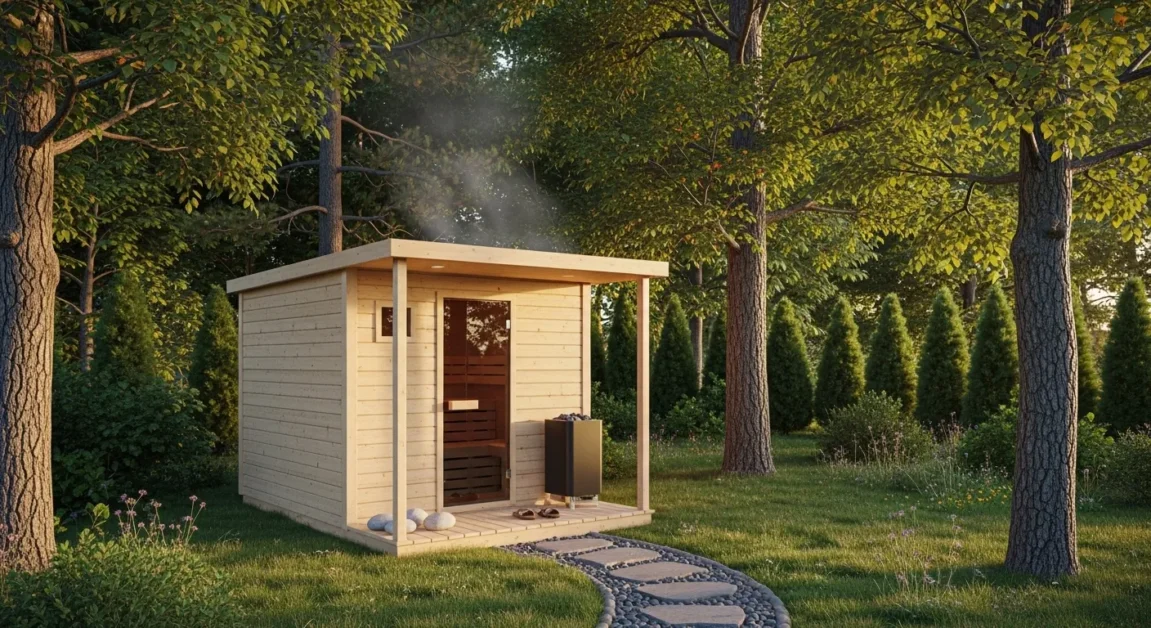
An outdoor sauna is a standalone structure designed to provide the traditional sauna experience outside the home, usually in a backyard, garden, or near a pool area.
Like indoor models, outdoor saunas use a sauna heater and heated stones to create high temperatures that warm the air and encourage sweating. The key difference is that outdoor units are built with weather-resistant materials and insulation to handle changing climates.
Most outdoor saunas include:
- A sauna heater or stove
- Sauna stones for creating steam
- Wooden benches for seating
- Proper ventilation for airflow
- Insulated walls to maintain heat
In most backyard sauna setups, insulation and ventilation play a huge role in heating efficiency. Poor insulation can make a sauna take twice as long to reach temperature.
If you’re new to sauna bathing, reading a complete guide to sauna use can help you understand how sessions typically work and what to expect during your first experience.
Types of Outdoor Saunas
Outdoor saunas come in several designs. Each type has its own advantages depending on space, heating speed, and style preferences.
Barrel Sauna
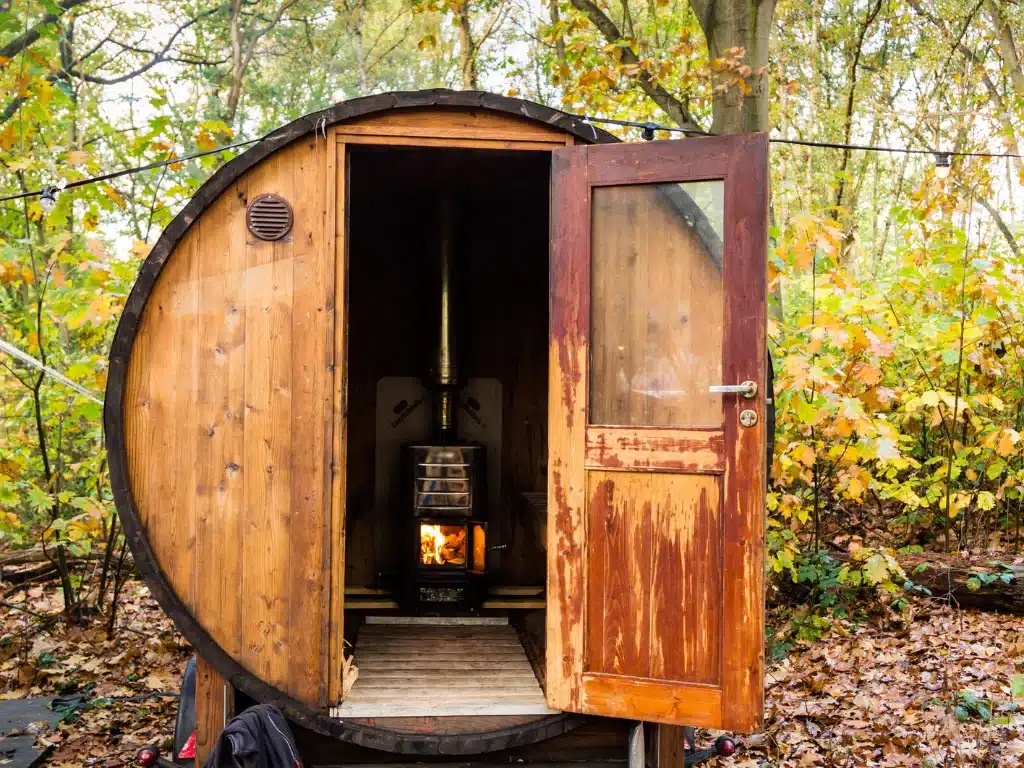
Barrel saunas are one of the most recognizable designs. Their cylindrical shape allows heat to circulate efficiently, which helps them warm up faster than many other sauna types.
Key advantages include:
- Fast heating time
- Compact design
- Efficient heat circulation
- Attractive backyard appearance
Barrel saunas are often a great choice for smaller yards or homeowners looking for a ready-to-install sauna kit.
You can explore the design and setup options in this complete guide to barrel saunas.
Cabin Sauna
Cabin saunas resemble small wooden buildings. Their rectangular structure provides more interior space and allows for multiple bench levels.
They’re ideal for:
- Families or multiple users
- Larger backyard spaces
- Extended sauna sessions
Many homeowners prefer cabin saunas because they offer more flexibility in bench layout and ventilation design.
Pod Sauna
Pod saunas are modern versions of barrel designs with a curved shape and compact footprint. They combine efficient heating with stylish aesthetics, making them popular for contemporary backyard spaces.
They work especially well for:
- Minimalist backyard designs
- Small outdoor areas
- Modern homes
Modular or Custom Outdoor Saunas
Modular saunas are fully customizable builds that can integrate into existing structures such as pool houses, decks, or garden cabins.
These setups allow homeowners to choose:
- sauna size
- heater type
- bench layout
- ventilation system
Custom builds are often used in luxury backyard wellness spaces.
Outdoor Sauna Comparison
| Sauna Type | Shape | Heating Speed | Best For | Cost Range |
|---|---|---|---|---|
| Barrel Sauna | Cylindrical | Fast | Small yards | $$ |
| Cabin Sauna | Rectangular | Moderate | Families | $$$ |
| Pod Sauna | Curved | Moderate | Modern homes | $$$ |
| Modular Sauna | Custom | Varies | Luxury builds | $$$$ |
How Outdoor Saunas Work
Outdoor saunas use heat generated by a sauna heater to warm stones placed inside the stove. Once heated, these stones release intense heat into the room.
The basic sauna heating cycle works like this:
- The sauna heater warms the stones.
- The air temperature rises.
- Water poured on the stones creates steam.
- The body warms and sweating begins.
During the first few minutes of a sauna session the heat often feels mild, but after about 10 minutes sweating increases noticeably.
Temperature typically ranges between 150°F and 195°F, depending on the sauna type and heater power. You can learn more about ideal heat levels in this detailed guide on sauna temperature ranges.
Health Benefits of Outdoor Sauna
Regular sauna sessions are widely associated with relaxation and wellness benefits.
Some commonly reported benefits include:
Improved Circulation
Sauna heat raises heart rate and encourages blood flow throughout the body, which many people find energizing.
Muscle Relaxation
Many people use saunas after workouts to relax muscles and ease tension.
Stress Relief
Sauna heat often promotes relaxation and calmness after long or stressful days.
Skin Cleansing
Sweating helps open pores and remove impurities from the skin’s surface.
Many people who use saunas regularly describe a calming post-session feeling that improves sleep and relaxation.
You can explore more wellness insights in this article about sauna benefits and usage.

How to Choose the Best Location for an Outdoor Sauna
Choosing the right location for your outdoor sauna improves both comfort and heating efficiency.
Important factors include:
- Accessibility from the house
- Privacy from neighbors
- Protection from wind
- Proximity to electricity
- Drainage and ground stability
One thing people often overlook is wind exposure. Strong winds can make it harder for the sauna to maintain temperature.
In most backyard sauna installations, placing the sauna near a fence, trees, or a structure helps protect it from wind and weather.
Outdoor Sauna Cost
Outdoor sauna prices vary depending on size, materials, and whether the sauna is prebuilt or custom constructed.
Typical cost ranges include:
Prefabricated Sauna Kits
Many homeowners purchase ready-to-assemble sauna kits.
Average cost:
$2,500 to $7,000
DIY Outdoor Sauna
Building your own sauna using raw materials can reduce costs but requires carpentry skills.
Average cost:
$1,500 to $5,000
Custom Outdoor Sauna
Luxury outdoor saunas with advanced lighting, larger interiors, and premium materials can exceed $10,000.
Operating cost also depends on the heater. Electric heaters require power while wood-burning stoves use firewood.
If you’re planning your build, using a sauna heater size calculator helps ensure the heater matches the room size.
Materials Needed to Build an Outdoor Sauna
Outdoor saunas rely on materials that tolerate heat, humidity, and weather exposure.
Wood
Common woods include:
- Cedar
- Spruce
- Hemlock
These woods resist moisture, heat, and expansion.
Insulation
Mineral wool insulation is commonly used because it tolerates high temperatures and improves energy efficiency.
A foil vapor barrier is usually added to prevent moisture buildup inside the walls.
Sauna Heater
The heater is the core of any sauna system.
Two main types include:
- Electric sauna heater
- Wood-burning sauna stove
You can learn more about selecting the right sauna heater based on room size and heating speed.
Sauna Stones
Stones are heated by the stove and produce steam when water is poured over them.
Granite or volcanic stones are typically used because they tolerate repeated heating.
Step-by-Step Guide to Building an Outdoor Sauna
Building an outdoor sauna can be a rewarding project if planned correctly.
Step 1: Plan the Layout
Determine the sauna size, bench placement, heater position, and door location.
Proper spacing ensures comfortable seating and safe heater operation.
Step 2: Prepare the Foundation
Outdoor saunas need a stable base.
Common options include:
- Gravel base
- Concrete slab
- Wooden deck platform
A stable foundation prevents moisture problems and structural shifting.
Step 3: Build the Frame
Construct the sauna frame using durable lumber. Many builders use pressure-treated wood for the bottom frame to prevent rot.
Step 4: Install Insulation and Vapor Barrier
Insulation helps retain heat while the vapor barrier protects the structure from moisture.
Many DIY builders underestimate how important insulation is for heating efficiency.
Step 5: Add Benches, Door, and Ventilation
Wooden benches are installed along the walls.
Ventilation vents should allow fresh air to enter and exit, helping regulate temperature and humidity.
Step 6: Install the Heater and Stones
Finally, install the heater and add sauna stones according to manufacturer instructions.
Correct heater placement improves heat circulation and safety.
Outdoor Sauna Maintenance Tips
Outdoor saunas require occasional maintenance to stay safe and efficient.
Cleaning
Wipe benches and floors regularly to prevent bacteria or mold buildup.
Ventilation Checks
Good airflow helps remove moisture and prevents odors.
Wood Protection
Exterior wood should occasionally be sealed or treated to protect it from rain and snow.
Heater Inspection
Inspect the heater periodically to ensure safe operation and proper heating.
Many sauna owners notice that simple ventilation adjustments can improve heating efficiency over time.
Outdoor Sauna Safety Tips
Saunas are generally safe when used properly.
Important safety practices include:
- Drink water before and after sessions
- Limit sauna sessions to about 10–20 minutes
- Avoid alcohol before sauna use
- Allow cooling breaks between sessions
- Maintain safe temperature levels
Most experienced sauna users alternate heat sessions with short cooling breaks. This helps regulate body temperature and improves comfort during longer sauna routines.
For more safety recommendations, review these sauna fire safety guidelines.
Common Outdoor Sauna Mistakes to Avoid
Many homeowners make small mistakes when installing or using their first outdoor sauna.
Common issues include:
- Choosing the wrong heater size
- Poor insulation inside the sauna walls
- Improper ventilation placement
- Installing the sauna in a windy location
- Skipping foundation preparation
These mistakes can affect heating speed, comfort, and overall sauna performance.
How Long Does It Take an Outdoor Sauna to Heat?
Most outdoor saunas take 30 to 60 minutes to reach full temperature.
Heating time depends on:
- heater type
- sauna size
- insulation quality
- outside temperature
Wood-burning stoves may heat slightly slower but often produce stronger, traditional heat.
Outdoor Sauna Size
Choosing the right sauna size depends on how many people will use it regularly.
Common sizes include:
2 Person Sauna
Best for couples or small spaces.
4 Person Sauna
Popular for families or small gatherings.
6 Person Sauna
Ideal for larger households or frequent entertaining.
Bench layout also affects comfort, allowing users to sit or lie down during sessions.
Outdoor Sauna vs Indoor Sauna
Outdoor saunas and indoor saunas offer similar wellness benefits but differ in installation and atmosphere.
Outdoor saunas provide:
- more space
- natural surroundings
- better ventilation
Indoor saunas are usually easier to install but may require additional ventilation planning.
For many homeowners, outdoor saunas feel more relaxing because they combine sauna heat with fresh air and nature.
Visit For more reading about hot tubs & patios and more information about Saunas.
FAQs:
How often should I use an outdoor sauna?
Most people safely enjoy sauna sessions two to four times per week depending on comfort and hydration.
Can outdoor saunas work in winter?
Yes. Properly insulated outdoor saunas work well in cold climates and can reach full temperature even in winter.
How long should a sauna session last?
Most sessions last between 10 and 20 minutes followed by a cooling break.
What wood is best for outdoor saunas?
Cedar, spruce, and hemlock are popular because they resist moisture and tolerate heat.
Do outdoor saunas require electricity?
Electric sauna heaters require electricity, while wood-burning saunas operate using firewood.
Conclusion:
Outdoor saunas combine relaxation, wellness benefits, and beautiful backyard design. Whether you choose a barrel sauna kit, a custom cabin sauna, or a DIY build, the key factors are proper insulation, heater sizing, and safe sauna use.
With thoughtful planning and regular maintenance, an outdoor sauna can become one of the most enjoyable and relaxing features of your home.