Sauna Fire Safety Guidelines: Prevention & Heater Checks

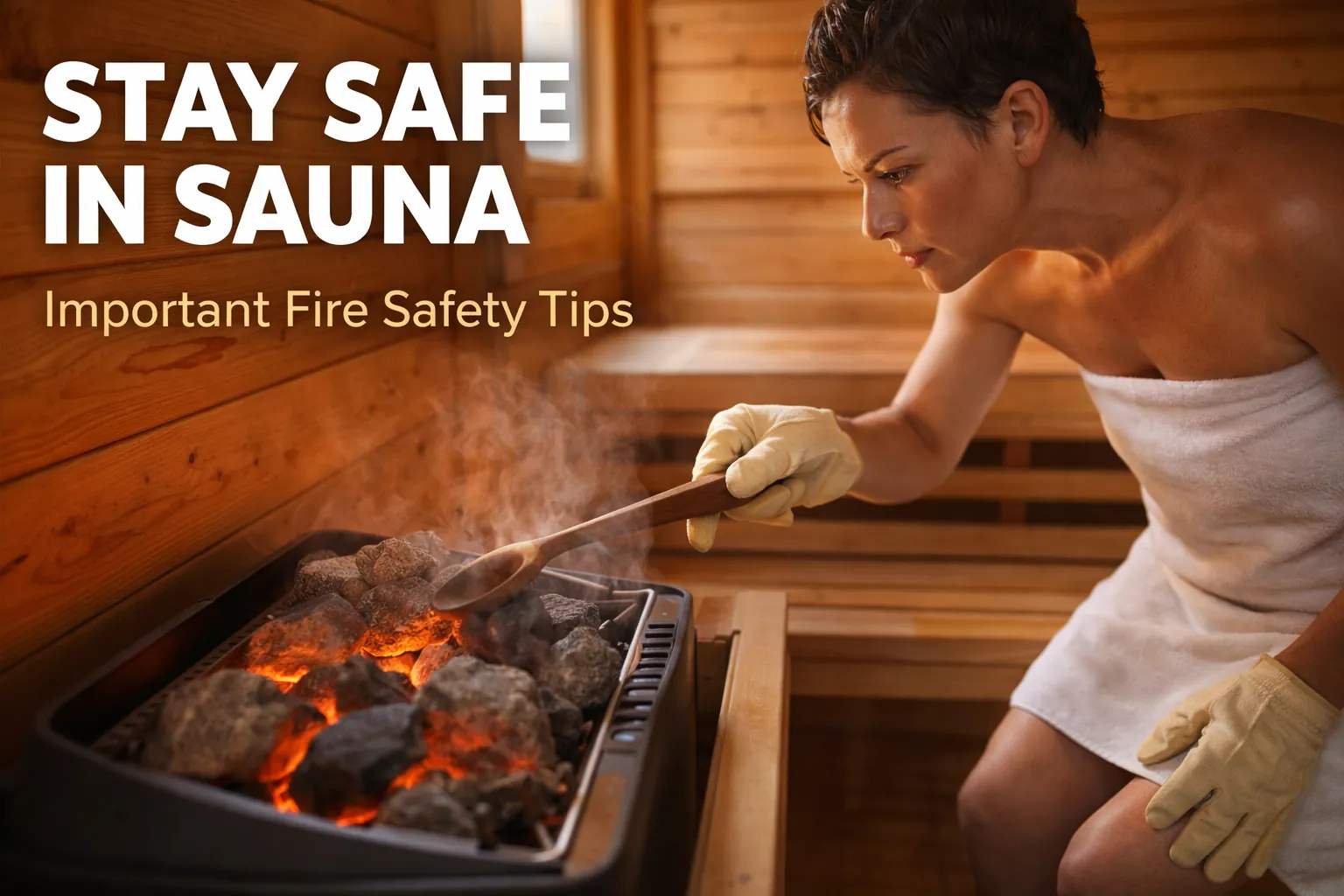
A towel left over the heater, a blocked safety gap, or a failing controller can turn a routine sauna session into a fire risk. Before you switch on your sauna, the most useful check is simple: Is the heating system clear, intact and operating exactly as its manufacturer intended?
Sauna fire safety guidelines, in brief: Never use the hot room to dry clothing or store items. Keep all specified clearances, check the sauna before heating, maintain the heater and chimney, and stop using any recalled or damaged equipment. Electric, infrared and wood-fired units need different checks. The downloadable pre-start card below helps you remember them; it cannot certify an installation.
Sauna Fire Safety: Quick Rules Before You Switch On
| Check | What to do before heating |
|---|---|
| No combustible items | Remove towels, clothes, paper, decorations and stored objects from the hot room, especially above the heater. |
| Safe clearances | Confirm that benches, walls, guards and nearby objects meet the specific heater and flue manuals. Never substitute a generic distance. |
| Working controls | Check the heater’s external controls and displayed faults. If safety cutoffs keep tripping or a switch is damaged, stop and arrange qualified service. |
| Clear exit | Ensure the door opens freely and users can leave without crossing stored equipment or tripping hazards. |
| No recall or visible fault | Verify the unit’s model and recall status. Stop using affected products until the manufacturer’s prescribed remedy is completed. |
The Harvia electric-heater safety guidance emphasizes clearing items from the heater and checking the sauna before switching on. The Finnish National Rescue Association (SPEK) likewise advises against storing or drying laundry inside a sauna.
What Actually Causes Sauna Fires?
A sauna heater is designed to produce intense heat. Fires are more likely when that heat reaches something it should not, a heater or flue is incorrectly installed, or a fault is ignored. Common problems include combustibles left on a heater; incorrect clearances; damaged heating components; incompatible stove and chimney parts; and unsafe ash storage.
Do not rely on a thermometer reading alone. A temperature that feels typical to a bather does not establish that heater clearances, hidden construction or wiring are safe. There is no universal safe room temperature that overrides the equipment instructions.
The Finnish Sauna Society’s fire-safety guidance describes installation mistakes, insufficient separation from combustible material and chimney defects as major concerns. For personal heat exposure and stopping symptoms, see our separate sauna-use safety guide.
Electric Sauna Heater Fire Safety
The biggest day-to-day precaution is to keep the heater and the space above it empty. A towel can fall from a drying rack; a cleaning cloth can be left after wiping a bench; someone may temporarily store a basket in the hot room. Clear the space before every startup, including when another household member last used the sauna.
- Preserve manufacturer clearances: use the actual model’s instructions for guards, benches and wall spacing, not a distance copied from another heater.
- Keep wiring and controls professional: damaged cables, nuisance tripping or hot electrical smells require a qualified electrician or authorized service provider. Do not remove covers or bypass protective devices.
- Inspect controls without taking them apart: confirm timers, temperature controls and safety functions show no unexplained fault; follow the manual if a fault appears.
- Do not improvise the installation: circuit requirements, sensor position, heater mounting and protective devices are model-specific.
For planning, the sauna electrical requirements guide addresses supply and professional installation questions. If the heater has power but does not heat correctly, the safe heater troubleshooting guide explains when to stop and seek service. Neither guide authorizes do-it-yourself electrical repair.
Wood-Burning Sauna Fire Safety: Stove, Chimney and Ashes
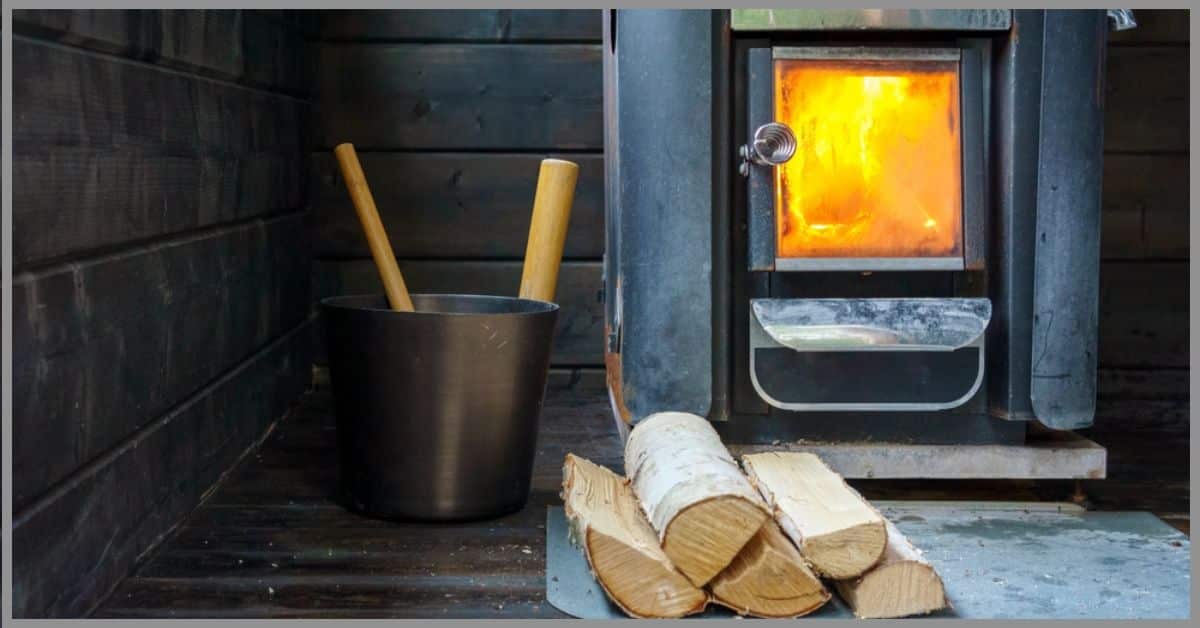
Wood-fired saunas add a chimney, firebox and ash-handling steps. Before use, ensure the stove and flue are a compatible combination, required clearances and floor protection are in place, and chimney inspection or sweeping has been completed under the rules applying to your location.
Harvia’s wood-burning heater guidance instructs owners to follow the model’s safety distances for both the stove and chimney and notes that protective bases may be required beneath the stove. These distances are not interchangeable between models.
- Fuel: use only fuel approved in the stove instructions. Do not burn rubbish, packaging, treated wood or unspecified fuels.
- Firebox and flue: treat cracks, poor draft, smoke leakage or an unusually hot chimney as reasons to stop and obtain professional inspection.
- Ashes: collect them in a lidded noncombustible metal container on a suitable noncombustible surface, away from combustible buildings or materials. Ashes can retain heat long after the visible fire ends.
- Heating: attend the stove during operation and avoid overfiring. Never assume more wood or a bigger fire is harmless.
Chimney requirements and permitted clearances vary by model and jurisdiction. Our wood-burning sauna planning guide covers the setup in more detail; the sauna permit guide explains local approval questions. Follow the stove maker and local fire authority over a generic internet diagram.

Infrared Sauna Fire Risks and Product Recalls
Infrared panels and controllers can develop electrical faults, and a low cabin-air reading does not make an electrical fire impossible. Avoid covering the panels, keep vents clear, and stop using the product if you notice melted plastic, charring, an unusual burning odor or a damaged controller.
Recall checked November 10, 2026: The U.S. Consumer Product Safety Commission announced a September 17, 2026 recall affecting certain Sauna360 infrared and hybrid saunas and infrared kits because infrared panels can short-circuit and overheat. The notice instructs affected owners to stop using the sauna immediately and contact Sauna360 for a free professional repair.
A different March 26, 2026 CPSC recall of DIY Sauna Heater Kits concerned overheating conductors. These are examples of actual recalled products, not a claim that every sauna or infrared model is defective.
Use the model and serial number from your own unit to check the current CPSC recalls database and the manufacturer’s notices. A visual inspection alone cannot clear a product subject to a recall. The precise remedy must come from the recall notice.
Remote-Start Sauna Safety: Before You Tap the App
Remote or delayed starting is a special hazard because no one may be standing beside the heater when heating begins. Do not wire a generic smart plug or home-automation relay to a sauna heater. Only use remote features that the heater manufacturer explicitly supports, with the required safety system installed correctly.
In its June 2026 electric-heater safety-device guidance, Harvia explains that remote app or automation control needs an appropriate safety device for the configurations described by its product guidance. Home setups may use a compatible door switch or integrated device; commercial setups and certain heater categories follow different rules. A door switch is not a universal substitute for following the full controller instructions.
A door sensor can prevent remote start after the door has been opened without re-arming, but it does not necessarily shut off the heater when the door opens during a session. Harvia specifically explains this limitation. Have required sensors connected and tested by a qualified installer, and check the sauna for items that could contact the heater before arming any remote-start function.
If the app will not connect or a controller produces faults, see our sauna app troubleshooting guide for user-safe checks. Never disable an interlock to make remote heating work.
Sauna Stones, Maintenance and Airflow
Heater stones can crumble, settle and block air movement as they age. That can contribute to overheating or protective cutoffs operating. However, not every sauna heater requires a blanket once-a-year replacement of every stone. Follow its own manual and the condition of the stones.
For example, Harvia recommends yearly stone changes for a family heater used around twice a week and periodic restacking; its maintenance guide advises yearly restacking and replacing stones that crumble or show wear. The specific heater, stone type and use intensity are decisive.
- Switch the heater off and let it cool completely before any stone handling permitted by the manual.
- Check for cracked, crumbling or severely packed stones, and remove loose debris as the manufacturer directs.
- Restack only with the correct compatible stone type, size, loading pattern and amount; avoid packing away the intended airflow.
- Replace damaged stones and follow the model’s maintenance interval. Do not use ordinary landscape rocks as replacements.
Our sauna stones guide provides a separate inspection and restacking worksheet. If the high-limit protection repeatedly trips, do not keep resetting it without having the cause checked.
Two-Minute Pre-Start Fire Safety Checklist
A common failure in shared household saunas is assuming someone else cleared the hot room. The checklist below makes the person starting the sauna verify the heater area, visible condition, recall status and the extra checks that apply to the heating system.
How to use it: Choose your sauna type, tick only checks you can actually verify, and record whether you know of any fault. A missing check means HOLD; a known defect or open recall means STOP. Even when boxes are checked, this is not a certificate or permission to bypass a professional inspection.
Sauna Fire Safety Pre-Start Card
Choose the heating system and tick the visual checks you have actually completed. The downloadable PNG is a record-keeping aid, not a fire-safety certificate, and cannot replace your model’s instructions or a qualified inspection.
Every sauna
Electric-heater checks
STOP means no use: If any recall, fault, smoke, charring or unsafe installation remains unresolved, do not operate the sauna. Do not open an electrical panel, bypass safety devices, or inspect a live heater. Manufacturer instructions and professional checks still control.
Warning Signs: Stop Using the Sauna
| What you notice | What to do |
|---|---|
| Burning or electrical smell, smoke, sparks, glowing damage or active charring | Stop use, leave the area and call emergency services if fire or smoke is present. Do not investigate a live heater. |
| Melted or discolored panels, damaged wiring or broken controller | Do not operate. Arrange manufacturer or qualified service guidance. |
| Repeated high-limit cutoff or breaker trip | Leave it out of service and have the cause diagnosed professionally. Do not bypass or repeatedly reset protection. |
| Loose heater guards, damaged stove, cracked flue or poor draft | Keep the sauna off until the installer, chimney professional or relevant technician verifies a remedy. |
| Unresolved recall affecting the model or serial number | Stop use and follow the official manufacturer/CPSC remedy. |
Smoke, fire or an emergency is not a troubleshooting moment. Do not delay evacuation to take photographs, save equipment or investigate which component failed.
What to Do if a Sauna Fire Starts
- Get everyone out. Leave the sauna and building by the safest exit. Do not go back for clothes or valuables.
- Call emergency services from outside. Use the local emergency number (911 in the United States). Give the precise location, including access information for a detached backyard sauna.
- Close doors behind you if safe to do so. Do not delay escape or trap yourself while trying to contain the fire.
- Do not throw water on energized electrical equipment. Do not attempt to open panels, move the heater or reach a breaker if it would put you in danger.
- Only attempt to use a suitable extinguisher if the fire is very small, your exit remains clear, and you are trained. If there is any doubt, evacuate and leave firefighting to responders.
The U.S. Fire Administration’s home fire guidance emphasizes getting out and staying out. Harvia’s electric heater advice also stresses avoiding personal danger when responding to a fire. After any fire, smoke event or serious equipment fault, keep the sauna out of service until qualified professionals have evaluated the installation.
Frequently Asked Sauna Fire Safety Questions
Can I leave a sauna heater unattended?
Do not leave a wood-fired stove burning unattended, and monitor electric heaters according to their manufacturer’s instructions. Never assume an ordinary timer makes a sauna safe to run out of sight. Approved remote-start systems have additional requirements.
Do sauna stones need replacing every year?
It depends on the model, stone condition and how often you use the sauna. Harvia recommends yearly stone changes for a typical family-use pattern, along with restacking. Other heater instructions may differ, so consult the manual rather than applying one interval to every sauna.
Can I dry towels or clothes inside a sauna?
No. Clothes and towels can fall against heating equipment or create a combustible load. Store and dry them outside the sauna hot room, not on benches, guards or above the heater.
What is the safest temperature to prevent a sauna fire?
There is no single room-air temperature that proves an installation is fire-safe. Safety depends on proper equipment, clearances, working controls and individual heat tolerance. Follow the sauna and heater manufacturer’s operating limits.
Are infrared saunas free from fire risk?
No. The September 2026 Sauna360 infrared and hybrid panel recall is a specific example of electrical overheating and fire risk. Verify your exact product against current recall notices and stop using any affected unit until the prescribed remedy is completed.
Should I reset my sauna’s overheat cutoff after it trips?
Follow the manufacturer’s troubleshooting instructions only when the cause is known and the manual permits a reset. If the cutoff trips again, stop use and arrange qualified inspection. Never bypass it.
Keep the Sauna Clear Before Every Startup
The best first step is not a complicated maintenance schedule: look at the heating system before every use, remove combustible items, and do not start a heater with a known fault or unverified recall. Keep manufacturer instructions and installer records available, especially for wood-fired flues and app-controlled heaters.
Use the pre-start card for visual reminders, then follow professional advice when a clearance, chimney, controller or electrical issue needs verification. For broader user comfort and heat-exposure precautions, our sauna safety guide covers that separate topic.