
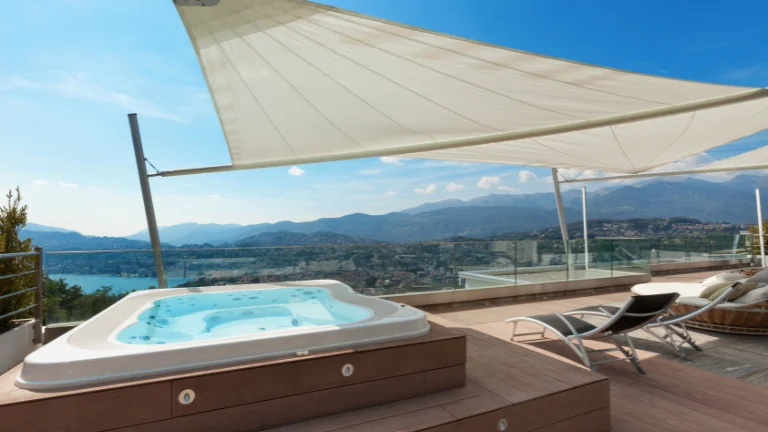
Hot Tub Deck Tips and Guide

If you’re planning a hot tub deck, the biggest thing to know is how much weight it needs to handle. Most hot tubs land somewhere between 2,500 and 6,000 pounds when filled, so the deck usually needs to be rated for 100 to 120 pounds per square foot.
Pick materials that hold up to moisture, leave room to walk around the tub, and always check the structure before installing.
A tool like a hot tub weight calculator makes planning a lot easier, especially if you’re working with an older deck.
Try this one for fast numbers: hot tub weight management tool.
Can Your Deck Support a Hot Tub? (Safety First)
You never want to guess here. A full hot tub weighs more than most people expect, and the load is concentrated in a pretty small area.
Typical Hot Tub Weights
| Hot Tub Size | Empty Weight | Filled Weight (No People) | Filled + 2–6 People |
|---|---|---|---|
| 2-person | ~300 lbs | 1,500–2,000 lbs | 2,000–2,800 lbs |
| 4-person | 400–500 lbs | 2,200–3,000 lbs | 3,000–4,200 lbs |
| 6-person | 600–800 lbs | 3,000–4,500 lbs | 4,500–6,000 lbs |
| Swim spa | 1,000–2,000 lbs | 7,000–12,000 lbs | up to 14,000+ lbs |
What Your Deck Needs to Handle
Most building pros aim for 100–120 pounds per square foot (psf).
Older decks usually aren’t built for that, so a quick inspection or reinforcement is pretty common. If your joists are undersized, spaced too far apart, or showing rot, reinforce before placing a hot tub.
A Quick Way to Check Deck Strength
This isn’t a replacement for a contractor, but it gives you a rough idea.
- Measure the square footage under the hot tub footprint.
- Divide the full water weight by that number.
- If it lands above 100 psf, the deck must be reinforced.
Signs your deck isn’t ready:
• bouncing when you walk
• cracked joists
• water damage
• posts set directly in soil instead of concrete
If you’re unsure, a structural inspection usually runs $150 to $300 and can save thousands in repairs.
If you’re unsure how much structural support your setup needs, the hot tub deck and patio building guide walks you through framing, footings, and reinforcement in a simple way.
Choosing the Right Spot for Your Hot Tub Deck
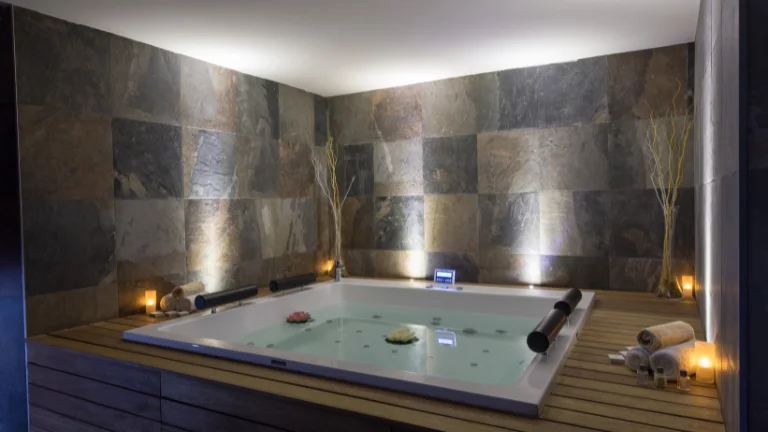
Picking the location is half the battle. A good spot feels private, stays dry, and gives you room to move around comfortably.
Think about:
Privacy
A privacy wall or hedge makes soaking way more relaxing.
Drainage
Water splashes everywhere. Make sure it flows away from your home.
Service Access
Your hot tub has panels you’ll eventually need to open. Leave at least 18–24 inches of working room.
Electrical Access
Most tubs need a GFCI outlet or dedicated 220V line. Keep the electrician happy with clear access.
Sun vs Shade
Shade saves energy. Full sun warms the water faster but can heat the cover.
Quick real-world example:
A homeowner in Colorado placed their hot tub on the sunny side of the deck for winter warmth but added a pergola for summer shade. Their yearly heating bill dropped about 15 percent after relocating.
When you’re figuring out clearances and walk space, the hot tub size and dimensions guide helps you plan the deck layout without guesswork.
What Size Deck Do You Need?
Your hot tub footprint is just the starting point. You still need room to walk, store the cover, climb in safely, and place accessories.
Simple size rules:
• Add 2 feet of walking room on all sides.
• Add 3–4 feet on one side if using a cover lifter.
• A typical 6-person tub needs at least a 10×12 deck.
If you’re working with a sloped yard, a multi-level deck lets you keep the tub stable while adding extra seating or privacy.
Best Materials for a Hot Tub Deck
Hot tubs create steam, splash water everywhere, and stay wet more often than not. Your materials need to handle all of that without warping or rotting.
Composite Decking
Smooth, low maintenance, long-lasting.
- Cost: $8–$15 per sq ft
- Lifespan: 25+ years
- Pros: slip-resistant options, doesn’t rot
- Cons: can get warm in full sun
PVC Decking
Virtually waterproof and great in humid areas.
- Cost: $10–$18 per sq ft
- Pros: best for moisture
- Cons: higher price
Cedar or Redwood
Beautiful natural look and smells amazing.
- Cost: $5–$12 per sq ft
- Pros: lightweight, good for raised decks
- Cons: regular sealing needed
Pressure-Treated Lumber
Most affordable and widely used.
- Cost: $3–$7 per sq ft
- Pros: budget-friendly
- Cons: warping if not maintained
Concrete or Paver Platform
The most stable base you can get.
- Cost: $6–$20 per sq ft
- Pros: unbeatable strength
- Cons: permanent placement only
Quick comparison visual:
| Material | Cost | Maintenance | Lifespan | Moisture Resistance |
|---|---|---|---|---|
| Composite | $$ | Low | 25+ yrs | High |
| PVC | $$$ | Very low | 30+ yrs | Very high |
| Cedar/Redwood | $$ | Medium | 15–20 yrs | Medium |
| Pressure-treated | $ | Medium | 10–15 yrs | Medium |
| Concrete | $$ | Very low | 30+ yrs | Very high |
If you want an idea of how much energy your setup will use, the hot tub electricity usage calculator gives you a quick monthly cost estimate.
Popular Hot Tub Deck Designs (And How to Make Them Work)
You can style a hot tub deck a lot of different ways, but a few setups tend to be favorites.
Sunken Deck
Looks sleek and private.
Tip: Leave a removable access platform so the pump is reachable.
Raised Deck
Great when you want a view or need room underneath for reinforcement.
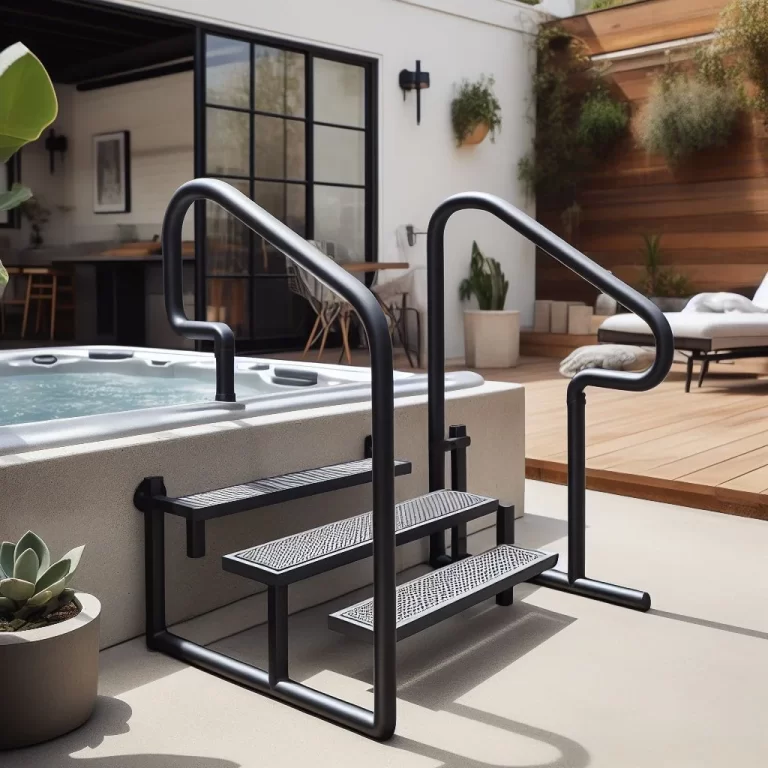
Tip: Add built-in stairs and handrails for safety.
Multi-Level Deck
Perfect for uneven yards.
Tip: Use the lower level as a lounge area or bar zone.
Pergola Deck
Shade plus privacy in one shot.
Tip: Add climbing plants or privacy slats to block wind.
Deck with Built-In Seating
Great for entertaining.
Tip: Choose water-resistant cushions.
For cold-weather setups, this hot tub in the winter guide shares insulation tips that protect both your spa and the surrounding deck.
How Much Does a Hot Tub Deck Cost?
Here’s what most homeowners end up paying.
- Basic wood deck: $3,000–$7,000
- Composite deck: $6,000–$12,000
- Concrete pad + steps: $2,000–$6,000
- Reinforcement: $600–$2,500
- Permits: $50–$400 depending on your city
Mini case example:
A family in Oregon added a 10×10 composite deck for their 6-person tub. After reinforcement, lighting, and a privacy wall, their total came to $9,800. The upgrade increased their home’s perceived value by about 5 percent according to the realtor.
If you want your deck to blend naturally into your backyard, these hot tub landscaping ideas offer simple ways to create a more polished space
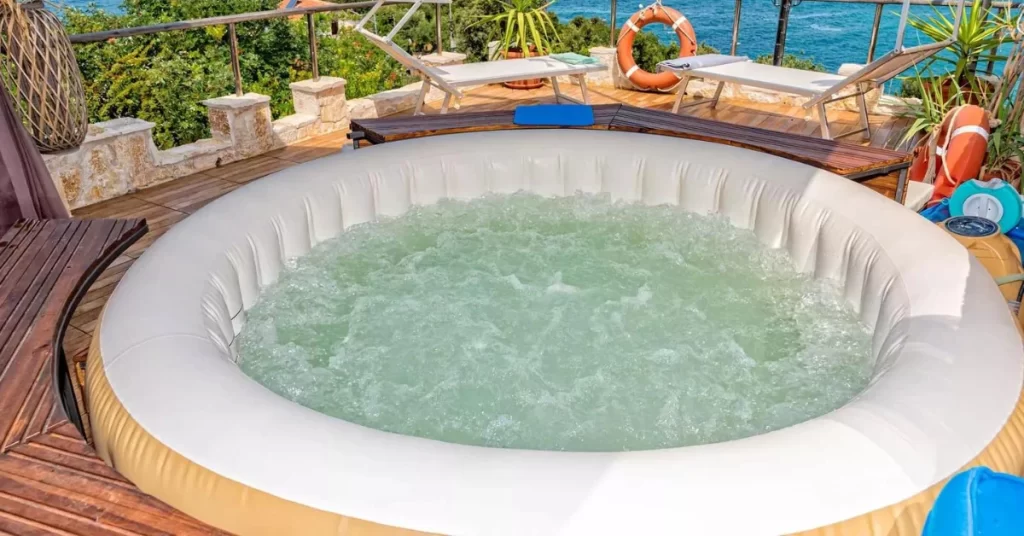
Inflatable Hot Tub on a Deck: What to Know
Inflatable hot tubs are lighter, but still heavier than people think.
Weight
Most inflatables hit 1,500–3,000 lbs when filled.
Deck Pad
A foam spa pad or rubber base helps control slippage and protects the boards.
Drainage
Inflatables splash more water. Make sure your deck doesn’t puddle.
Tip:
Inflatables work great on smaller decks because they spread weight over a larger footprint compared to acrylic tubs.
Smart Extras People Love Adding
A few additions make your setup feel like a little backyard retreat.
- LED strip lights under steps
- Non-slip stair treads
- A small outdoor shower
- Privacy screen sections
- Built-in storage benches
If you want ideas for small upgrades, this collection of hot tub accessories is a great place to poke around: hot tub accessories.
Mistakes That Lead to Deck Damage
A few common missteps can turn into pricey repairs.
- Not reinforcing joists before installation
- Forgetting drainage paths
- Placing the tub too close to the house siding
- Using slick deck boards around the tub
- Blocking access panels
- Letting debris build up under the deck
A contractor once noted that 70 percent of hot tub deck problems come from poor moisture control. Simple changes like ventilation gaps and flashing make a huge difference.
Real-World Hot Tub Deck Example
A homeowner in Tennessee wanted a clean look with room to lounge. Here’s how they built it:
- Deck size: 12×14
- Material: composite boards
- Reinforcement: doubled joists + two concrete footings
- Extras: pergola, privacy wall, LED step lights
- Total cost: about $11,400
- Outcome: They reported using the hot tub 3× more often because the space felt inviting and easy to access.
Final Tips to Keep Your Deck Looking Great
A little upkeep keeps your deck solid for years.
- Sweep debris off the deck weekly
- Check joist connections once a year
- Seal wood boards every 1–2 years
- Keep plants or furniture from trapping moisture
- Clear the area under the deck for airflow
Moisture is usually the enemy, so ventilation and sealing go a long way.
Before you finalize placement, the hot tub installation overview makes it easier to plan electrical spacing and access points before building your deck.
🔍 Want more info? Head over to Hot Tub Patio 🛁 or check our Guides 📖 for extra reading!




5 Comments