
How to Lower Hot Tub Energy Use Without Killing the Comfort

Owning a hot tub shouldn’t mean dreading your energy bill.
If your hot tub feels like it’s always running, losing heat too fast, or quietly driving up monthly costs, you’re not doing anything wrong. Most energy waste comes from a few fixable issues, not the tub itself.
This guide shows you exactly how to make your hot tub more energy efficient using what you already have. No upgrades you don’t need. No product pushing. Just the changes that actually lower energy use.
Inside, you’ll learn:
- Where hot tubs waste the most energy.
- Which adjustments save the most money first.
- How to keep water hot without running the heater nonstop.
- What’s worth fixing now vs later.
Scroll down to start with the biggest energy leaks most hot tub owners miss. You can use our Energy Savings Calculator.
Check out Energy And Water-Saving Tips For Hot Tub to Boost The Fun Factor.
My Journey to an Energy-Efficient Hot Tub
I first noticed something was off when my energy bill jumped right after installing the hot tub. What was supposed to be a relaxing upgrade was quietly using more power than I expected. After a few months of higher bills, it was clear I needed a better way to run it.
I wanted to cut costs without giving up the experience, and doing it in a more energy-friendly way felt like the right move. That’s what pushed me to start figuring out what actually makes a hot tub more efficient, and what doesn’t.
How Much Energy a Hot Tub Really Uses
Quick reality check. Hot tubs don’t secretly drain your wallet overnight, but they do pull steady power, especially when it’s cold out.
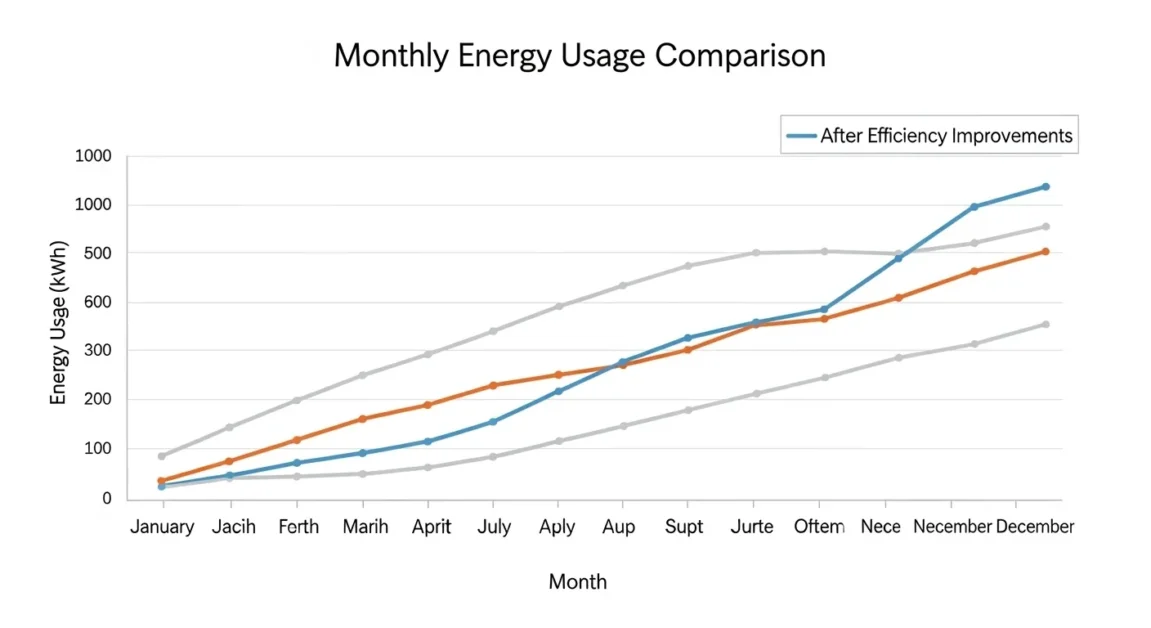
Most residential hot tubs use 250 to 400 kWh per month, depending on size, insulation, and how often you soak. That usually lands somewhere between $25 and $60 a month, but winter can push it higher.
Why it feels worse in colder months
When outdoor temps drop, your heater runs longer to keep water stable. Cold air, wind, and snow all speed up heat loss, so the system works harder just to stay even.
What “normal” actually looks like
If your tub is well-insulated and covered, daily use doesn’t mean crazy bills. If you’re unsure what’s realistic for your setup, using a hot tub electricity usage calculator gives you a fast sanity check based on real inputs.
Where Hot Tubs Waste the Most Energy
This is where most owners lose money without realizing it.
- Heat loss through the cover
A thin, waterlogged, or poorly fitted cover leaks heat nonstop, even when the tub isn’t in use. - Poor insulation and cabinet gaps
Air gaps let cold air circulate around the shell and plumbing, forcing the heater to compensate. - Temperature recovery after use
Every soak drops the water temp. The bigger the drop, the more energy it takes to recover. - Pumps and filtration cycles running too long
Over-scheduled filtration wastes power without improving water quality. - Wind and outdoor exposure
Wind strips heat fast, especially from uncovered sides and corners.
The 5 Biggest Ways to Make Your Hot Tub More Energy Efficient
This is the backbone. Same pattern every time. What’s happening, why it wastes energy, what to do.
1. Upgrade or fix your hot tub cover
What’s happening
Heat escapes straight up.
Why it wastes energy
The heater runs more often to replace lost heat.
What to do
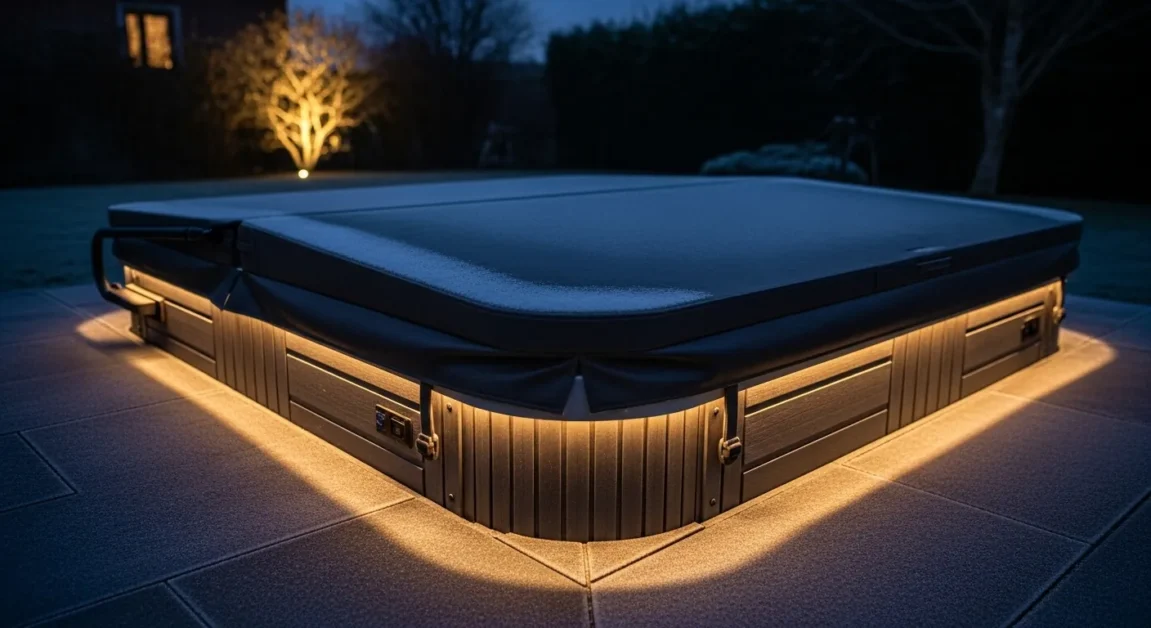
Make sure the cover seals tight and isn’t sagging or waterlogged. Even a basic upgrade can cut heat loss dramatically. If you want to understand what actually matters when choosing one, this hot tub cover guide breaks it down without sales noise.
2. Adjust temperature settings the smart way
What’s happening
Many tubs sit hotter than needed, 24/7.
Why it wastes energy
Every extra degree increases heater runtime.
What to do
Lower the set temp a few degrees when you’re not soaking daily. Small changes add up without killing comfort.
3. Improve insulation without replacing the tub
What’s happening
Heat leaks from the sides and base.
Why it wastes energy
Cold air circulates around plumbing.
What to do
Add rigid foam or thermal wrap inside accessible cabinet areas. Cheap materials, real impact.
4. Optimize filtration and pump run times
What’s happening
Pumps run longer than necessary.
Why it wastes energy
Motors pull power continuously.
What to do
Adjust filtration cycles to match usage and water conditions. More isn’t always better.
5. Reduce heat loss from wind and placement
What’s happening
Wind strips heat fast.
Why it wastes energy
Exposed surfaces cool quicker.
What to do
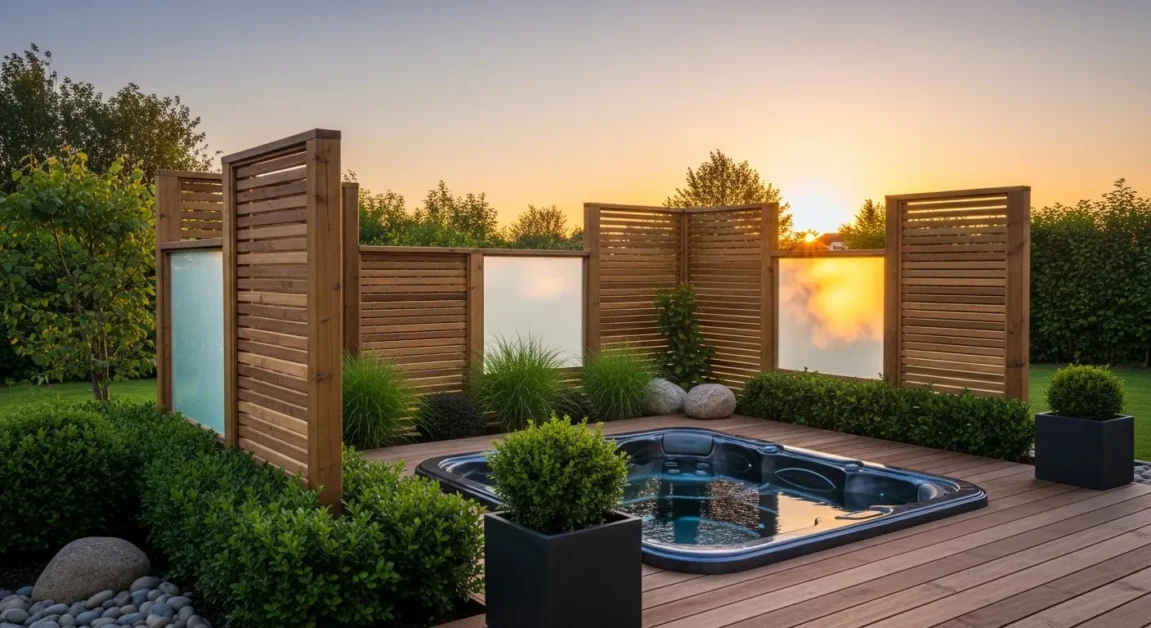
Block wind with fencing, panels, or landscaping. Even partial shielding helps.
The Best Temperature and Usage Settings for Lower Energy Bills
High-intent section, because this is where people hesitate.
Ideal temperature ranges
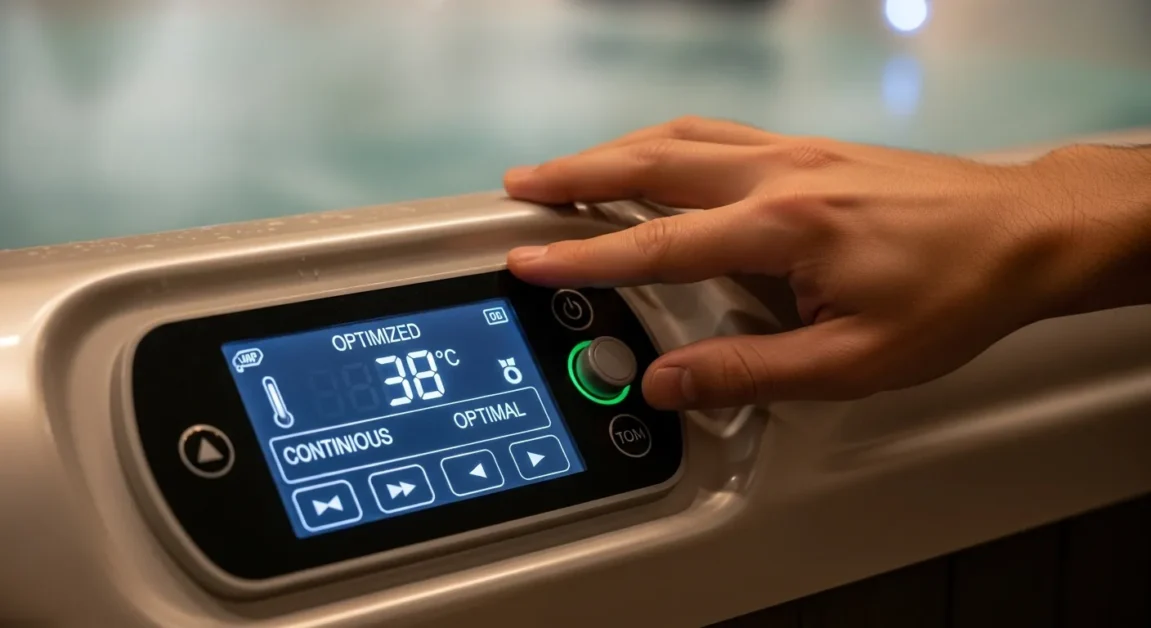
Daily use: 100 to 102°F
Occasional use: 98 to 100°F
When lowering temp actually saves energy
If you’re skipping several days, lowering the temp helps. Overnight or same-day drops don’t.
Why reheating costs more than maintaining
Heating cold water takes more energy than keeping warm water warm.
Seasonal adjustments that matter
In winter, smaller adjustments work better than big drops. In summer, you can back off more aggressively.
Maintenance Habits That Quietly Save Energy
This is the boring stuff that pays off.
- Clean filters improve flow
Dirty filters restrict circulation, making heaters and pumps work harder. - Balanced water reduces heater stress
Poor chemistry causes scaling and inefficiency. Staying on top of water balance lowers energy demand. This hot tub maintenance guide explains what actually affects performance. - Spot leaks early
Heat loss isn’t always obvious. Warm spots in snow or damp areas near the cabinet are red flags. - How often maintenance really matters
Light weekly checks beat deep monthly fixes every time.
Low-Cost Upgrades That Actually Reduce Power Use
No gadgets. No hype.
- Extra insulation where it counts
Cabinet walls and the base matter more than cosmetic areas. - Timers and scheduling
Run filtration during off-peak hours if your utility supports it. - Simple wind barriers
Privacy screens double as heat protection. - When a better cover pays for itself
If your heater cycles constantly, the cover upgrade usually pays back fastest.
Are Solar or Advanced Systems Worth It for Hot Tubs?
Short answer, sometimes.
When solar makes sense
Sunny climates with high electricity rates.
When it doesn’t
Cloudy regions or limited roof space.
Why most owners don’t need it
Basic efficiency fixes usually outperform solar ROI.
Climate and location matter
Before committing, running numbers with a solar hot tub calculator helps set realistic expectations.
Solar panels can indeed be used for energy-efficient hot tub solutions. solar-powered hot tubs can be a viable and eco-friendly solution, potentially offering significant energy savings.
How to Tell If Your Changes Are Actually Working
Google loves outcomes, and so should you.
Signs energy use is dropping
Heater runs less often, water holds temp longer.
What to check on your bill
Compare month-over-month usage, not just cost.
How long results usually take
Most changes show up within one billing cycle.
Common mistakes that hide savings
Changing too many variables at once or judging too fast.
Common Energy-Saving Myths That Don’t Actually Help
These waste more energy than they save.
- Turning it off completely
Reheating cold water costs more. - Overusing jets
Jets don’t heat water, but they cool it faster. - Draining too often
Fresh cold water is expensive to reheat. - Extreme temperature drops
Big swings backfire.
Final Takeaway, Save Energy Without Losing the Experience
You don’t need to soak less or suffer colder water to cut energy use. Most savings come from heat retention, smarter settings, and small maintenance habits. When you control heat loss, you control the bill, without giving up the part you actually bought the hot tub for.
For more read about 8 Eco-Friendly Chemical Alternatives for Hot Tub Care.
FAQs:
Can I lower my hot tub temperature every night to save money?
Not really. Small overnight drops don’t save much and often cost more to reheat.
Do covers really make that big of a difference?
Yes. A poor cover is usually the biggest source of heat loss.
Is it cheaper to turn the hot tub off when not using it?
Only if you won’t use it for weeks. Short-term shutoffs usually raise costs.
How long before I see energy savings?
Most people notice changes on the next electric bill.
Does winter automatically mean high hot tub bills?
Not if insulation, cover quality, and settings are dialed in.






5 Comments