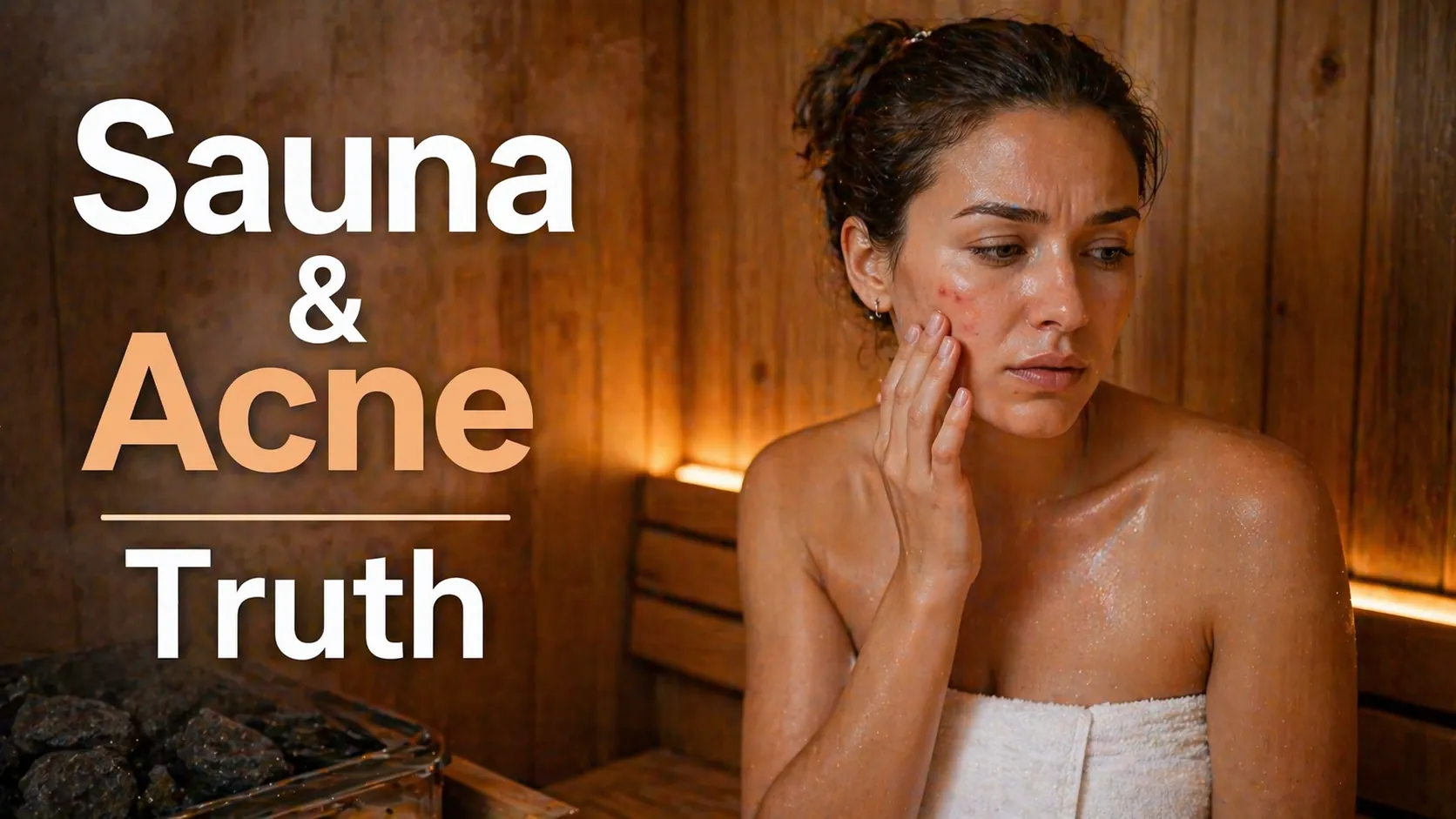
Does Sauna Make Acne Worse? What Actually Happens to Your Skin

If you’ve ever walked out of a sauna with glowing skin, then noticed a breakout later, you’re not alone. For related planning, see Does Crunch Fitness have a sauna?.
So here’s the real answer:
Saunas don’t directly cause acne, but they can make it worse if you don’t handle your skin properly before and after your session.
In this guide, you’ll learn:
- what sauna heat really does to your skin
- when it helps acne
- when it makes things worse
- how to use a sauna without triggering breakouts
What Happens to Your Skin in a Sauna
When you sit in a sauna, your body reacts fast.
- your skin heats up
- blood flow increases
- sweat production rises
- pores soften and loosen debris
Many first-time sauna users notice their skin looks clearer right after a session. That’s because heat helps loosen oil, dirt, and dead skin sitting inside pores.
This is part of why sauna therapy is often linked to sauna benefits and usage.
But here’s the catch.
👉 What happens after sweating matters more than the sauna itself.
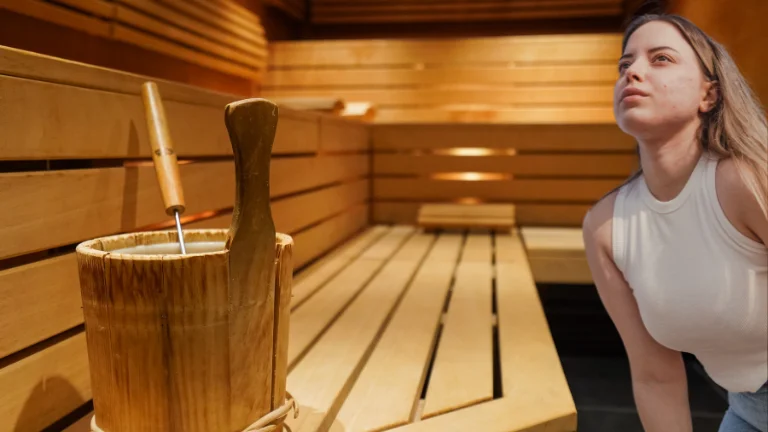
Can Sauna Help Acne?
In some cases, yes.
Here’s how it can help:
- Loosens clogged pores
Heat softens oil and debris, making cleansing more effective - Improves circulation
More blood flow helps skin repair faster - Reduces stress
Lower stress can reduce hormone-related breakouts - Temporary glow effect
Skin often looks smoother and less inflamed right after
From a practical standpoint, sauna use can act like a “reset” for your skin. But it’s not a treatment.
👉 It supports your routine, it doesn’t replace it.
When Sauna Can Make Acne Worse
This is where most people run into problems.
1. You Don’t Cleanse After Sweating
Sweat itself isn’t the issue.
But sweat mixed with:
- oil
- bacteria
- sunscreen
- makeup
…can clog pores fast.
A common mistake beginners make is sitting in a sauna, then just letting sweat dry on their face.
👉 That’s basically a breakout trigger.
2. You Have Inflamed or Cystic Acne
If your acne is already red, swollen, or painful:
- heat can increase inflammation
- blood vessels dilate
- redness gets worse
In real sauna sessions, people with sensitive skin often notice flare-ups instead of improvement.
3. You Stay Too Long
More heat is not better.
Long sessions can:
- dry out your skin
- trigger more oil production
- increase irritation
If you’re unsure, check this guide on how long should you stay in a sauna.
4. You Use Heavy Products Before Sauna
Lotions, oils, or sunscreen can:
- melt into your pores
- trap bacteria
- block sweat خروج
👉 Always go into a sauna with clean skin.

Acne-Friendly Ingredients That Can Help
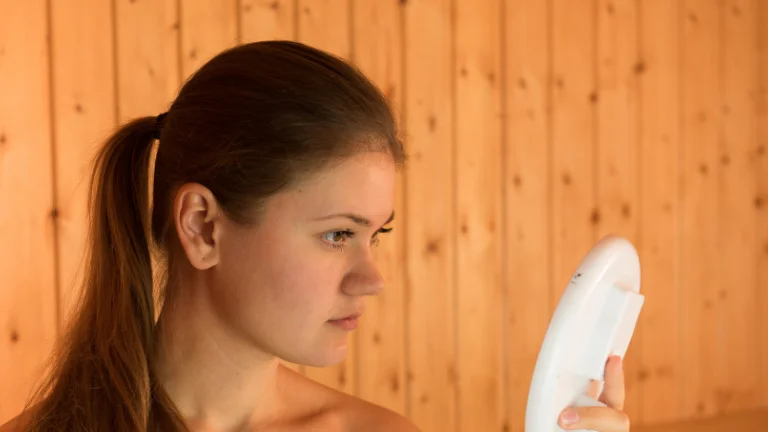
If you’re dealing with breakouts, especially after sauna sessions, the right skincare ingredients can make a big difference.
Sauna heat can loosen oil and debris, but if that isn’t properly cleared, it can lead to clogged pores. That’s where targeted acne ingredients come in.
Here are a few commonly used options:
- Benzoyl peroxide helps kill acne-causing bacteria and reduce inflammation. It’s especially useful if your breakouts are red or swollen. You can check benzoyl peroxide options here.
- Salicylic acid (BHA) works by exfoliating inside the pores and clearing out excess oil and dead skin. It’s a solid choice for blackheads and clogged pores. You can explore salicylic acid products here.
- Tea tree oil is a natural antibacterial ingredient that may help with mild acne and calm irritated skin. You can view tea tree oil options here.
One thing people often overlook is consistency. These ingredients work best when used regularly, not just after a breakout appears.
The Right Way to Use a Sauna for Acne
This is the part most articles miss, and it’s where you can actually win in rankings.
Step-by-Step Routine
Before Sauna
- wash your face with a gentle cleanser
- remove all makeup and sunscreen
- avoid heavy creams
During Sauna
- keep sessions around 10–20 minutes
- don’t touch your face
- stay hydrated
After Sauna (MOST IMPORTANT)
Act fast here.
- rinse your face immediately
- use a gentle cleanser
- pat dry with a clean towel
- apply a light, non-comedogenic moisturizer
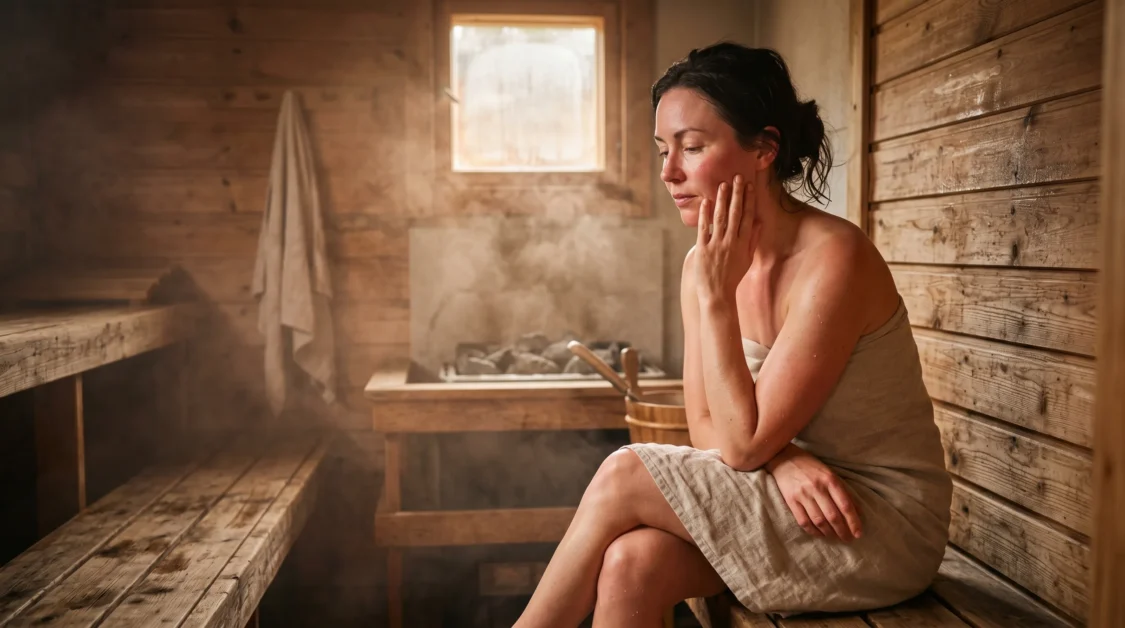
One thing people often overlook is that your pores are more vulnerable right after heat exposure.
👉 If you don’t clean properly, everything goes right back in.
Sauna vs Steam Room for Acne
Not all heat is the same.
| Type | Effect on Skin | Acne Impact |
|---|---|---|
| Dry Sauna | Low humidity, high heat | Easier to manage |
| Steam Room | High humidity | Can trap sweat + bacteria |
| Infrared Sauna | Lower heat, deeper penetration | Better for sensitive skin |
If you’re unsure which one fits your skin, this guide on infrared saunas helps break it down.
Common Mistakes That Trigger Breakouts
Let’s keep this simple.
Avoid these:
- skipping post-sauna cleansing
- staying too long
- using heavy skincare before sauna
- touching your face with sweaty hands
- not drinking enough water
Over time, most sauna users discover that hygiene matters more than the heat itself.
So, Does Sauna Make Acne Worse?
Here’s the honest answer again:
👉 Sauna can help or worsen acne depending on how you use it.
- helps: when skin is clean and you follow proper aftercare
- worsens: when sweat, oil, and bacteria sit on your skin
Think of sauna as a tool, not a treatment.
FAQs:
Can I use a sauna if I have acne?
Yes, but keep sessions short and always cleanse your skin right after.
Do I need to wash my face after a sauna?
Yes, this is the most important step to prevent clogged pores.
Is sauna better than steam room for acne?
Dry saunas are usually better because they don’t trap moisture and bacteria like steam rooms.
Can sauna cure acne?
No, it only supports your routine and doesn’t treat root causes like hormones or bacteria.
How often should I use a sauna for acne?
1 to 3 times per week works for most people without irritating the skin.
Quick Recap:
Saunas aren’t the enemy of acne, but they’re not a cure either.
Used correctly, they can help your skin feel cleaner and look healthier. Used the wrong way, they can trigger breakouts fast.
Stick to the basics:
- clean skin before
- short sessions
- immediate cleansing after
That’s what actually makes the difference.