
Can You Get an STD From a Hot Tub? What Actually Spreads

No, simply sharing hot-tub water with someone who has an STI is not considered a typical way to catch an STD or STI. Sexual activity in a hot tub can still transmit infections because the direct sexual or skin-to-skin contact is the exposure, not the water itself.
This distinction matters because hot tubs can spread some illnesses, including hot-tub rash and Legionella, but those are recreational-water infections rather than sexually transmitted infections. This guide separates the two so you know when to think about STI testing and when a hot-tub-related illness is more likely.
Planned Parenthood answers the hot-tub question directly: STIs are not acquired just by being in the water with someone who has one. CDC guidance likewise describes STIs such as chlamydia, gonorrhea, herpes, HPV, syphilis, HIV, and trichomoniasis as spreading through sexual contact, intimate skin contact, or specific body-fluid exposure rather than ordinary hot-tub water exposure.
Can You Get an STD From a Hot Tub?
Not from simply sitting in the same hot-tub water. The concern changes if vaginal, anal, oral, or other intimate sexual contact happens in the tub because those activities can transmit STIs in the same ways they can outside the water.
| Situation | STI concern? | Why |
|---|---|---|
| Sharing the same hot-tub water | Not a typical STI route | Ordinary water exposure is not how common STIs are transmitted |
| Sitting beside someone with an STI | Not from the water alone | No sexual or intimate skin contact |
| Vaginal or anal sex in the hot tub | Yes | Direct sexual contact can transmit STIs |
| Oral sex in the hot tub | Yes | Oral sexual contact can transmit several STIs |
| Direct contact with a herpes sore | Yes | Herpes spreads through infected oral or genital skin contact |
| Close sexual skin contact involving HPV | Yes | HPV spreads through intimate skin-to-skin contact |
| Rash after soaking without sexual contact | Consider a hot-tub-related skin problem | Hot-tub folliculitis can cause itchy red bumps after exposure |
Medical sources: Planned Parenthood and the CDC STI prevention guidance.

Can You Get Chlamydia From a Hot Tub?
Not from simply sharing hot-tub water. CDC says chlamydia spreads through vaginal, anal, or oral sex with a person who has the infection. A pregnant person can also pass it to a baby during childbirth.
If there was sexual contact in the hot tub, then chlamydia exposure is possible because of the sexual activity. The hot water itself is not the reason for that risk. See the CDC chlamydia guidance for current transmission and testing information.
Can You Get Gonorrhea From a Hot Tub?
Gonorrhea is not considered a hot-tub-water infection. CDC describes transmission through vaginal, anal, or oral sex with a person who has gonorrhea.
If sexual contact happened in the tub, the exposure should be treated like any other sexual exposure. Simply using the same properly operated hot tub is not the same thing as having sexual contact.
Can You Get Herpes From a Hot Tub?
Herpes is not acquired from ordinary hot-tub water exposure. CDC says genital herpes spreads through contact with infected oral or genital skin and specifically notes that people do not get herpes from swimming pools.
Direct skin contact during sexual activity can still transmit herpes, including when a visible sore is not present. For a deeper explanation, see our hot tub and herpes myths and facts guide.
Can You Get HPV From a Hot Tub?
Not from simply sharing the water. CDC says HPV spreads through intimate skin-to-skin contact, including vaginal, anal, or oral sex and close sexual skin contact.
That means sexual contact in a hot tub can carry HPV risk, but the mechanism is the intimate contact rather than the spa water. CDC also notes that HPV can spread even when a person has no signs or symptoms.
Can You Get Syphilis From a Hot Tub?
No, CDC specifically says syphilis is not acquired through casual contact with hot tubs, swimming pools, bathtubs, toilet seats, or similar objects. Syphilis spreads through direct contact with a syphilis sore during sexual activity and can also pass from a pregnant person to a baby.
See the CDC syphilis guidance for current transmission and prevention information.
Can You Get HIV From Hot-Tub Water?
Hot-tub water is not a recognized HIV transmission route. CDC explains that HIV transmission requires certain infected body fluids to reach a mucous membrane, damaged tissue, or the bloodstream. Most transmission occurs through anal or vaginal sex or shared injection equipment.
Sexual activity in a hot tub can still create HIV exposure if it involves the same kinds of sexual contact that carry risk outside the tub. The water does not make that exposure safe. See CDC’s HIV transmission guidance.
Can You Get Trichomoniasis From a Hot Tub?
Trichomoniasis is primarily transmitted through sexual contact, not ordinary hot-tub use. CDC says the parasite spreads mainly during sex and does not survive well in the external environment.
If there was sexual contact in the hot tub, testing decisions should be based on that sexual exposure rather than the fact that the encounter happened in water.
What Can You Actually Catch From a Hot Tub?
Hot tubs can spread infections, but the important ones are generally skin, respiratory, or gastrointestinal illnesses, not STIs. CDC says people can become ill when they swallow contaminated water, have contaminated water on their skin, or breathe mist and aerosols containing certain germs.
Hot-tub rash
Hot-tub rash, or Pseudomonas folliculitis, is caused by Pseudomonas aeruginosa. CDC says it often appears a few days after exposure to poorly maintained hot-tub water and can cause an itchy red bumpy rash and pus-filled bumps around hair follicles.
The rash can be worse in areas where a swimsuit held contaminated water against the skin. Our hot tub folliculitis guide explains the typical pattern and when to seek care.
Legionella
Hot tubs can also spread Legionella. CDC says people can develop Legionnaires’ disease or Pontiac fever after breathing in contaminated hot-tub mist.
People age 50 or older, current or former smokers, and people with chronic lung disease or weakened immune systems have a higher risk of serious Legionnaires’ disease.
Gastrointestinal illness
Swallowing contaminated recreational water can expose a person to diarrhea-causing germs. This is why CDC tells people not to swallow hot-tub water and to stay out of recreational water when sick with diarrhea.
For broader contamination prevention, see our hot tub hygiene best practices.
Rash After a Hot Tub: STI or Hot-Tub Folliculitis?
A rash after a soak does not automatically mean an STI. Hot-tub folliculitis commonly causes itchy red bumps or small pus-filled bumps around hair follicles and can be more noticeable under a swimsuit.
However, appearance alone cannot reliably diagnose an STI, folliculitis, an allergic reaction, or another skin problem. If you have genital sores, unusual discharge, pain with urination, a worsening rash, or concern after sexual exposure, contact a healthcare provider rather than trying to diagnose the cause from photos or symptoms alone.
If the main issue is itching after soaking rather than an STI concern, our hot tub itchiness guide covers common water and skin-related causes.
Should You Get an STI Test After Sharing a Hot Tub?
Sharing the water alone is not, by itself, a reason to assume you acquired an STI. Testing decisions should be based on sexual history, sexual exposure, symptoms, a partner’s STI status, and routine screening recommendations.
CDC notes that many STIs cause no symptoms and recommends discussing testing with a healthcare provider based on age, sexual practices, partners, and other risk factors. If sexual activity occurred in the hot tub, describe the type of exposure to your healthcare provider so they can recommend the right tests and timing.
Current U.S. testing guidance is available from the CDC STI testing page.
How to Reduce the Real Infection Risks in a Hot Tub
For hot-tub water safety, focus on the infections that recreational water can actually spread. CDC recommends keeping hot-tub disinfectant and pH within these ranges:
- Free chlorine: at least 3 ppm
- Bromine: 4 to 8 ppm
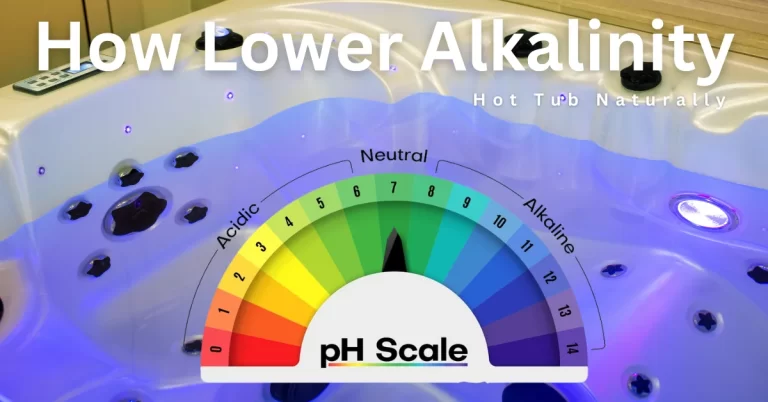
- pH: 7.0 to 7.8
CDC also recommends showering before entering a hot tub, not swallowing the water, staying out if you have diarrhea, and removing your swimsuit and showering with soap after soaking to lower the risk of hot-tub rash.
CDC sources: healthy hot-tub use, hot-tub rash prevention, and Legionella prevention.
Frequently Asked Questions
Can you get an STD from sitting in a hot tub?
No. Simply sharing hot-tub water is not considered a typical route for common STI transmission. Sexual or intimate skin contact in the tub can still transmit an STI.
Can you get chlamydia from a hot tub?
Not from sharing the water alone. CDC says chlamydia spreads through vaginal, anal, or oral sex with someone who has the infection.
Can you get gonorrhea from a Jacuzzi?
Gonorrhea is not considered a recreational-water infection. Sexual contact in a Jacuzzi can still transmit gonorrhea because of the sexual exposure itself.
Can you get herpes from hot-tub water?
Not from ordinary water exposure. CDC says herpes spreads through infected oral or genital skin contact and says it is not acquired from swimming pools.
Can you get HPV from a hot tub?
Not from simply sharing the water. HPV spreads through intimate skin-to-skin sexual contact, so sexual activity in a hot tub can still carry HPV risk.
Can you get HIV from a hot tub?
Hot-tub water is not a recognized HIV transmission route. HIV transmission requires specific infected body fluids to reach mucous membranes, damaged tissue, or the bloodstream.
Can you get syphilis from a hot tub?
No. CDC specifically states that syphilis is not acquired from hot tubs, swimming pools, bathtubs, toilet seats, or similar casual-contact surfaces.
Can sex in a hot tub transmit an STI?
Yes. Vaginal, anal, oral, and close sexual skin contact can transmit STIs in a hot tub because the relevant exposure is the sexual contact, not the water.
Is a rash after a hot tub an STD?
Not necessarily. Hot-tub folliculitis can cause an itchy red bumpy rash and pustules around hair follicles after contaminated-water exposure. A healthcare provider can help if the diagnosis is unclear or symptoms are concerning.
Should I get tested after sharing a hot tub with someone who has an STI?
Sharing the water alone is not a typical STI exposure. Testing may be appropriate if sexual contact occurred, you have symptoms, a partner has an STI, or you are due for routine screening.
Bottom Line
You do not normally get an STD from simply sharing a hot tub with someone who has an STI. Sexual contact in the water can still transmit STIs, while contaminated hot-tub water can cause different illnesses such as Pseudomonas folliculitis, Legionella infection, and gastrointestinal illness. Keep those risks separate so you can respond to the actual exposure instead of assuming every rash or illness after a soak is sexually transmitted.