Benefits Of Hot Tub Therapy: What Is Hot Tub Therapy?

If you’ve been wondering whether hot tub therapy is worth the hype, you’re not alone. Many people are thinking about the potential benefits of soaking in warm water, especially when it comes to easing muscle soreness, improving mental well-being, or even enhancing skin health.
Have you heard friends rave about their post-workout jacuzzi sessions or seen claims about the spiritual and stress-relieving aspects of hot tub therapy?
But, like anything that sounds too good to be true, there are risks and drawbacks to consider. You might be concerned about the health risks of sitting in water for too long or unsure if a hot tub is the right choice for your home. Plus, how does it really compare to other heat therapies, like saunas?
What Is Hot Tub Therapy and How Does It Work?
Hot tub therapy is a form of warm-water hydrotherapy that uses heat, water immersion, buoyancy, and sometimes massage jets to help the body relax. People commonly use it for sore muscles, joint stiffness, stress relief, and relaxation before sleep.
The benefits come from several effects happening at the same time:
| Part of Hot Tub Therapy | What It Does |
|---|---|
| Warm water | Helps relax tense muscles and increases blood flow |
| Buoyancy | Reduces the amount of weight placed on joints |
| Water pressure | Provides gentle support around the body |
| Massage jets | Can target tight or uncomfortable muscles |
| Quiet soaking | Creates time to relax and reduce physical tension |
Warm water can make stiff muscles and joints feel easier to move, while buoyancy reduces some of the pressure created by body weight.
Hot tub therapy should be viewed as a comfort and symptom-management tool, not a cure for arthritis, injuries, heart disease, diabetes, or other medical conditions.
How Long Should a Hot Tub Therapy Session Last?
For most healthy adults, a short session is a sensible starting point. Cleveland Clinic recommends limiting hot tub use to about 15 minutes or less, especially in hotter water.
Water temperature should never exceed 104°F (40°C).
Leave the hot tub sooner if you feel dizzy, unusually tired, overheated, nauseated, faint, or develop a headache.
Hot Tub Therapy Routine by Goal
The best way to use a hot tub depends on what you want from the session. Longer and hotter sessions are not necessarily better.
| Goal | When to Use It | How to Use the Hot Tub | Practical Tip |
|---|---|---|---|
| Muscle relaxation | After normal daily activity or exercise recovery | Let warm water relax the area and use moderate jets if comfortable | Avoid aggressive jets on an injured or painful area |
| Joint stiffness | Morning or after periods of inactivity | Use warm water with slow, comfortable movement | Do not force painful joints through their range of motion |
| Stress relief | After work or during a quiet part of the evening | Keep jets comfortable and remove distractions | Treat the soak as relaxation time rather than another task |
| Better sleep | About 1 to 1.5 hours before bed | Use a short relaxing soak, then allow your body to cool afterward | Avoid waiting until the moment you plan to sleep |
| General recovery | After your body has cooled following activity | Use a short session and stay hydrated | Stop if heat makes you feel weak or lightheaded |
Morning Hot Tub Therapy
A morning soak can be useful when stiffness is the main problem. Warm water may make gentle movement feel easier, especially after spending several hours in bed.
Try slow movements rather than simply sitting still. Comfort is the goal. Sharp or worsening pain is a reason to stop rather than push through it.
Hot Tub Therapy After Exercise
Warm-water immersion can help sore or tight muscles feel more relaxed after activity. Buoyancy also takes pressure off weight-bearing joints.
A hot tub should not be used to push through a suspected injury. New swelling, severe pain, weakness, or significant loss of movement needs proper evaluation rather than more heat.
Hot Tub Therapy Before Bed
A hot tub can also become part of an evening wind-down routine. Warm water raises body temperature temporarily, followed by cooling after you get out.
That cooling process may help prepare the body for sleep. Instead of soaking immediately before getting into bed, finish your session about an hour to an hour and a half beforehand.
What Hot Tub Therapy Can and Cannot Do
Hot tubs are useful for relaxation and temporary symptom relief, but some claims about hot water therapy go much further than the available evidence supports.
Hot Tub Therapy May Help With
- Temporary muscle relaxation
- Joint stiffness
- General aches after normal activity
- Stress and physical tension
- Relaxation before sleep
- Gentle movement when weight-bearing exercise is uncomfortable
Hot Tub Therapy Does Not
- Detox the body
- Cure arthritis or chronic pain
- Replace medical treatment
- Replace regular exercise
- Produce meaningful long-term weight loss on its own
- Treat diabetes or cardiovascular disease
- Guarantee faster recovery from an injury
- Strengthen the immune system simply by making you sweat
Sweating is one of the body’s ways of controlling temperature. It should not be confused with removing significant amounts of toxins. The liver and kidneys perform most of the body’s waste-processing work.
Hot tub therapy works best as a comfort and relaxation tool alongside appropriate exercise, recovery, sleep, and medical care when needed.
When Should You Skip the Hot Tub?
Heat affects blood pressure, body temperature, hydration, and circulation. That means a hot tub is not suitable for every person or every situation.
Stay Out of the Hot Tub If You:
- Have diarrhea or another illness that could contaminate the water
- Have an open wound, infected skin, or an unhealed piercing or tattoo
- Have been drinking alcohol or using substances that impair judgment
- Already feel dizzy, dehydrated, overheated, or unwell
Children younger than 5 should not use hot tubs.
Pregnant people should speak with their healthcare provider before using one. People with medical conditions affected by heat, circulation, or changes in blood pressure should also ask their healthcare professional about appropriate hot tub use.
Get Out Immediately If You Feel:
- Dizzy or lightheaded
- Nauseated
- Unusually weak
- Overheated
- Faint
- Short of breath
- Confused or unusually sleepy
Heat tolerance differs between people. Do not use the clock as a reason to remain in the water when your body is telling you to get out.
How to Check a Hotel, Gym, or Public Hot Tub Before Using It
A relaxing hot tub can become a health risk when the water is poorly maintained. Public, hotel, gym, resort, and vacation-rental hot tubs deserve a quick check before you get in.
Quick Public Hot Tub Safety Checklist
- Water temperature should be no higher than 104°F (40°C).
- The water and surrounding surfaces should look clean.
- Tiles should not feel unusually sticky or slippery.
- A strong chemical smell can signal a water-quality problem rather than extra cleanliness.
- Shower before entering.
- Never swallow hot tub water.
- Stay out if you have diarrhea.
- Avoid alcohol before and during a soak.
- Follow posted maximum-capacity rules.
If test strips are available, CDC guidance for hot tubs recommends:
| Water Check | CDC Guidance |
|---|---|
| Chlorine | At least 3 ppm |
| Bromine | 4 to 8 ppm |
| pH | 7.0 to 7.8 |
| Maximum water temperature | 104°F (40°C) |
If the sanitizer level or pH falls outside the recommended range, report it to the operator instead of getting into the water.
Poorly maintained hot tubs can spread germs through contaminated water and mist. Proper sanitation matters just as much as temperature when deciding whether a hot tub is safe to use.
Physical and Mental Benefits of Hot Tub Therapy
1. Stress Relief
In today’s fast-paced world, stress seems almost inevitable. But the solution could be as simple as stepping into a warm hot tub. The combination of soothing water, gentle jets, and warmth can create an oasis of calm, allowing you to relax and unwind.
Research shows that hydrotherapy not only helps with physical relaxation but also provides emotional relief by lowering cortisol levels, which are responsible for stress. Whether you’re soaking alone after a tough day or spending quality time with loved ones, the therapeutic properties of a hot tub can offer the mental escape you need.
2. Muscle Relaxation & Recovery
After a long workout, muscle soreness can creep in, slowing down your recovery and leaving you feeling stiff. That’s where hot tub therapy shines. The buoyancy of the water reduces the weight on your joints, allowing your muscles to relax without the strain of gravity.
The jets provide a gentle massage, improving circulation and helping to flush out lactic acid, a byproduct of exercise that contributes to muscle soreness. Studies show that soaking in hot water for just 20 minutes can significantly ease muscle tension and promote faster recovery.
3. Improved Sleep
Struggling to get a good night’s sleep? You’re not alone. Insomnia affects a significant percentage of adults, but a regular dip in a hot tub could be just the trick to help you drift off into dreamland.
Immersing yourself in warm water raises your body temperature, and as you cool down afterward, this natural drop signals to your brain that it’s time to sleep.
One study even found that those who soaked in a hot tub before bedtime experienced more restful, deeper sleep. If sleep has become elusive, making hot tub therapy part of your evening routine might just help you snooze more soundly.
4. Pain Relief
Living with chronic pain can make even the simplest tasks feel monumental. Hot tub therapy, however, offers a natural way to manage this discomfort. Hydrotherapy has been shown to reduce pain by improving blood flow, which in turn helps to loosen stiff joints and reduce inflammation.
Those with arthritis, fibromyalgia, or lower back pain often find significant relief through regular hot tub use. By relieving the pressure on sore joints and muscles, a soak in the hot tub can help make daily pain more manageable.
5. Better Circulation & Cardiovascular Health
Your heart works hard every day, and a soak in the hot tub could help it work even better. When you sit in warm water, your blood vessels dilate, improving circulation and reducing blood pressure.
This increased blood flow ensures that your body receives more oxygen and essential nutrients, which are vital for maintaining a healthy cardiovascular system.
Some research even suggests that regular hot tub use may mimic the benefits of light exercise by improving heart function and circulation, making it a great option for those with limited mobility.
| Benefit | How Hot Tub Therapy Helps |
|---|---|
| Stress Relief | Lowers cortisol levels and promotes mental calm |
| Muscle Relaxation | Eases muscle tension and aids post-exercise recovery |
| Improved Sleep | Regulates body temperature for better sleep quality |
| Pain Relief | Relieves chronic pain, arthritis, and joint stiffness |
| Better Circulation | Improves blood flow and lowers blood pressure |
Check out Hot Tub Therapy for Knee Replacement Patients.
Hot Tub Therapy for Specific Conditions
Relief for Fibromyalgia and Chronic Pain
For those living with fibromyalgia or chronic pain, hot tubs provide a welcome relief. The buoyancy of the water supports your body, easing pressure on painful joints and muscles. Studies show that regular hot tub use can reduce pain, improve sleep, and enhance mobility making it a gentle but effective way to manage discomfort.
Hot Tub Benefits vs. Sauna for Muscle Recovery
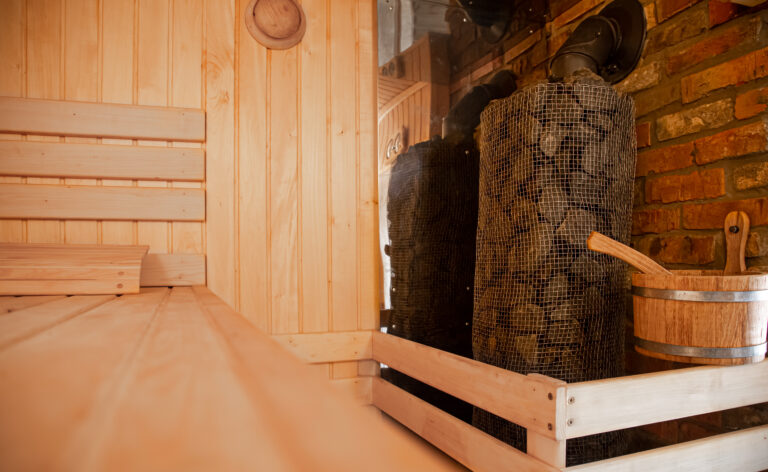
When it comes to muscle recovery, both hot tubs and saunas offer distinct benefits. Hot tubs excel in soothing sore muscles with targeted jets that massage and relax tension points. The water’s buoyancy reduces pressure on joints, which is particularly helpful after intense physical activity.
Saunas, on the other hand, use dry heat to penetrate deep into muscle tissue, promoting blood flow and speeding up recovery. While saunas offer a more intense heat experience, hot tubs provide a gentler, more focused recovery for aching muscles.
| Aspect | Hot Tub | Sauna |
|---|---|---|
| Muscle Recovery | Gentle massage from jets; reduces joint pressure | Intense dry heat penetrates deep into muscles; boosts circulation |
| Skin Health | Hydrates skin; opens pores for better cleansing | Promotes deep sweating to remove toxins rapidly |
| Detoxification | Helps with lymphatic drainage; mild detox | Enhances detox through intense sweating |
| Mental Benefits | Relaxing, meditative experience; ideal for social relaxation | More intense heat; promotes deep personal reflection |
| Spiritual Benefits | Soothing, shared experience fostering connection | Solitary, introspective environment |
WHAT IS THE BEST HOT TUB THERAPY MODE?
It is a well-known fact that hot water has many benefits in terms of physical and mental well-being, but did you know that different temperatures provide different benefits?
For example, water at a temperature of between 100 and 104 degrees Fahrenheit will soothe your muscles by increasing the blood flow to them.
Hotter water does not provide additional skincare benefits, and hot tubs are not a proven treatment for cellulite. Keep the water at or below 104°F (40°C), limit your session to about 15–20 minutes, and stop if you feel dizzy, overheated, or unwell.
If you are pregnant or have a heart condition, blood-pressure concern, diabetes, or another medical condition, ask your healthcare professional before using a hot tub.
Best Practices for Safe Hot Tub Use
How to Get the Most Out of Your Hot Tub Sessions
Balance is key. Keep it simple but effective:
- Limit sessions to 20-30 minutes.
- Use jets to target sore muscles.
- Hydrate regularly.
- Add calming elements like music or aromatherapy for a deeper relaxation.
Healthy Hot Tubbing Tips
Safety first! These quick tips will keep you enjoying the experience without the risks:
- Water temp: Keep it between 100°F – 104°F (38°C – 40°C).
- Avoid alcohol while soaking.
- Take breaks if you feel lightheaded.
- Pregnant or have heart issues? Check with your doctor.
Quick Setup Overview:
| Consideration | Key Point |
|---|---|
| Location | Level ground, private, near power |
| Water Temperature | 100°F-104°F for optimal comfort and safety |
| Maintenance | Weekly water tests, monthly filter cleaning |
For additional information, visit Hot Tub Patio, or if you’re interested in more reading, see Hot Tub Safety.
Frequently Asked Questions
Is hot tub therapy good for you?
For many healthy adults, a short hot tub session can help with relaxation, muscle tension, joint stiffness, and preparing for sleep. Hot tub therapy is best viewed as a comfort and relaxation tool rather than a treatment for medical conditions.
Can you use a hot tub every day?
Many healthy adults can use a hot tub daily if sessions are short, the water is properly maintained, and they stay hydrated. Stop if you feel dizzy, overheated, nauseated, weak, or lightheaded. People with medical conditions affected by heat or blood pressure should ask their healthcare provider about regular use.
How long should you stay in a hot tub for therapy?
A short soak is safer than staying in until you feel overheated. Around 15 minutes or less is a conservative starting point, especially when the water is close to the maximum temperature of 104°F (40°C). Get out sooner if you feel uncomfortable, dizzy, or unusually hot.
What temperature is best for hot tub therapy?
The water should never exceed 104°F (40°C). You do not need to use the maximum temperature to benefit from warm-water immersion. A slightly lower temperature may feel more comfortable, especially if you are heat-sensitive or plan to soak regularly.
Is a hot tub good for arthritis and joint stiffness?
Warm-water immersion may temporarily ease stiffness and make gentle movement more comfortable because buoyancy reduces some of the load on the joints. It does not cure arthritis or stop joint damage, so people with inflammatory or chronic joint conditions should continue their normal medical treatment.
Should you shower after using a hot tub?
Showering after a hot tub is a good idea, particularly after using a public or shared spa. Rinsing with soap and clean water helps remove disinfectants and reduces the amount of potentially contaminated hot tub water left on your skin. Wash your swimsuit after use as well.





10 Comments
Comments are closed.