
Infrared Sauna vs. Steam Room: Heat, Benefits & Risks

An infrared sauna and a steam room both expose the body to heat, but the environment is very different. Infrared cabins use radiant emitters and relatively dry air; steam rooms use hot, saturated air. Neither has been proven universally healthier. For related planning, see Small Sauna Room Designs That Save Space at Home. For related planning, see Is Sauna Bath Good for PCOS? What Helps and What’s Just Hype.
This page serves comparison intent only. For the complete infrared overview, use the infrared sauna guide.

Infrared Sauna vs. Steam Room
| Feature | Infrared sauna | Steam room |
|---|---|---|
| Heat source | Electric infrared emitters provide radiant heat | A steam generator supplies hot water vapor |
| Humidity | Generally low | Very high |
| Typical sensation | Radiant warmth with drier air | Moist heat that can feel intense at a lower air temperature |
| Preheating | Model- and room-dependent | Depends on generator, enclosure, and starting conditions |
| Maintenance focus | Wood or interior surfaces, emitters, controls, vents, and electrical components | Moisture control, drainage, mineral scale, grout or surface hygiene, generator, and ventilation |
| Primary risks For related planning, see Sauna for Arthritis Pain Relief. | Overheating, dehydration, low blood pressure, burns, falls, and electrical faults | Overheating, dehydration, low blood pressure, hot-surface or steam burns, falls, and moisture-related hygiene problems |
What About a Traditional Sauna?
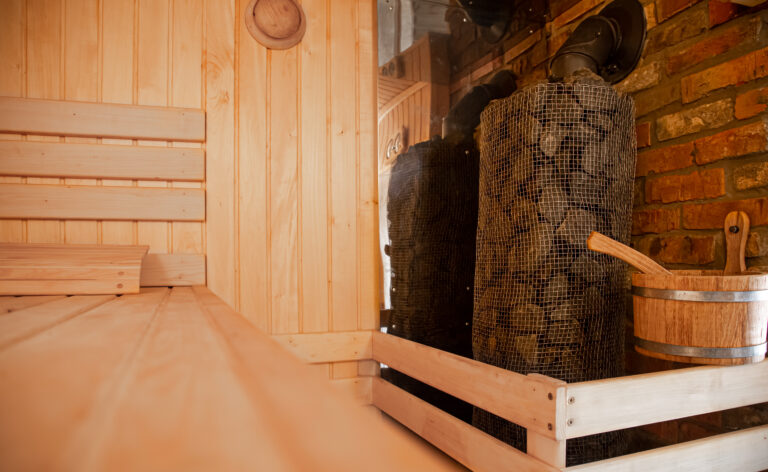
A traditional sauna is not the same as a steam room. It heats air and sauna stones, usually in a relatively dry room, with brief humidity changes when water is placed on approved hot stones. A steam room maintains much higher humidity and uses different construction and maintenance systems.
Which Feels Hotter?
Steam reduces the body’s ability to cool through evaporation, so saturated air can feel intense even at a lower thermometer reading. Infrared heat is radiant and can warm exposed skin while the cabin air remains drier. A temperature number alone cannot compare the total heat strain of the two environments.
Health-Benefit Evidence
Both environments can produce sweating, a temporary rise in heart rate, changes in skin blood flow, and subjective relaxation. Those physiological responses do not prove detoxification, fat loss, immune boosting, disease prevention, pain treatment, or cardiovascular treatment.
Sauna studies differ by device, humidity, temperature, exposure protocol, and population. Evidence from a traditional Finnish sauna, a supervised infrared clinical program, or a steam-room experience should not be transferred automatically to the other formats. The infrared benefits guide explains the research limitations.
Breathing and Skin Claims
Some people prefer moist air and others find it uncomfortable. A steam room does not treat asthma, infection, or another respiratory disease, and warm humidity can worsen symptoms for some people. Infrared heat does not detoxify skin or establish treatment for acne, eczema, psoriasis, or aging. Follow medical advice for a diagnosed condition.
Cleaning and Maintenance
Infrared sauna
- Power off, unplug where directed, and allow emitters and surfaces to cool.
- Use only manufacturer-approved methods around wood, panels, sensors, and controls.
- Keep ventilation and electrical components free of dust and blocked airflow.
See the infrared sauna cleaning guide.
Steam room
- Manage standing water, drainage, surface cleaning, grout or joint condition, and ventilation.
- Descale and service the steam generator under its manual and local water conditions.
- Address damaged waterproofing, mold, persistent odor, or slippery surfaces promptly.
How to Choose
- Choose infrared if you prefer drier radiant heat and can meet the unit’s electrical and placement requirements.
- Choose steam if you prefer humid heat and can support drainage, waterproof construction, ventilation, and generator maintenance.
- Choose neither when heat exposure conflicts with a medical condition, medicine, pregnancy guidance, implanted device, or current illness.
Comfort and practical ownership are better decision criteria than a claim that one format is healthier. Review the infrared risk guide and the manufacturer’s instructions before use.