
10 Sauna Benefits: Evidence, Limitations, and Safety
An evidence-based review of 10 possible sauna benefits, research limitations, observational findings, common myths, risks, and contraindications.

An evidence-based review of 10 possible sauna benefits, research limitations, observational findings, common myths, risks, and contraindications.

To maintain your hot tub in fall, drain and refill the water every 3-4 months, clean filters weekly, and test water chemistry twice weekly to keep pH at 7.2-7.8 and chlorine at 3-5 ppm….

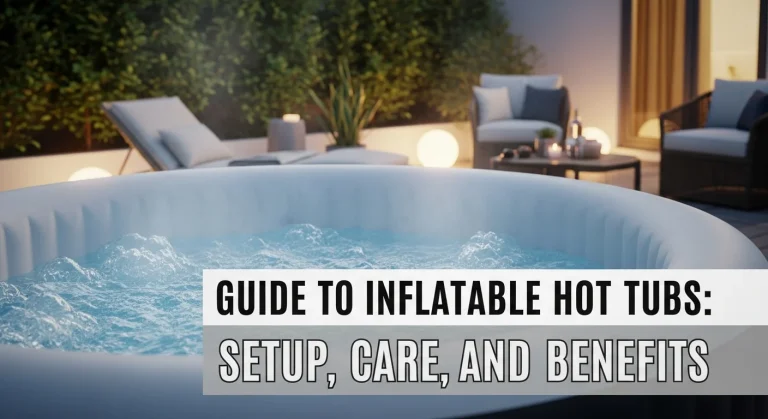
An inflatable hot tub is a portable spa made from durable vinyl that inflates with a built-in pump and plugs into a standard 110V outlet. Most models seat 2 to 6 people, heat water…

A plunge pool is a small, deep pool designed for quick dips or relaxation, while a cold plunge is kept at a much lower temperature for recovery and therapy. Cold plunges are small tubs…

Cold plunging, also known as cold water immersion or ice bathing, involves submerging the body in cold water (typically 50°F to 59°F) for a short period. It’s practiced for physical recovery, mental focus, and…

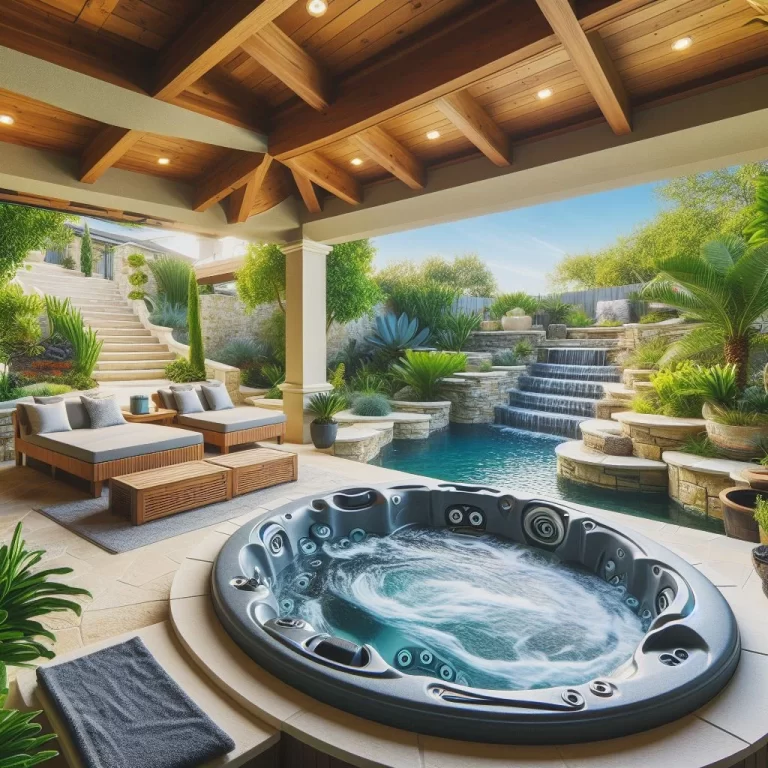
Built-in hot tubs blend luxury with smart design. From sunken styles to pergola-covered setups, they offer seamless integration, privacy, and visual appeal. Materials like concrete, tile, and wood enhance durability and aesthetics. If paired…

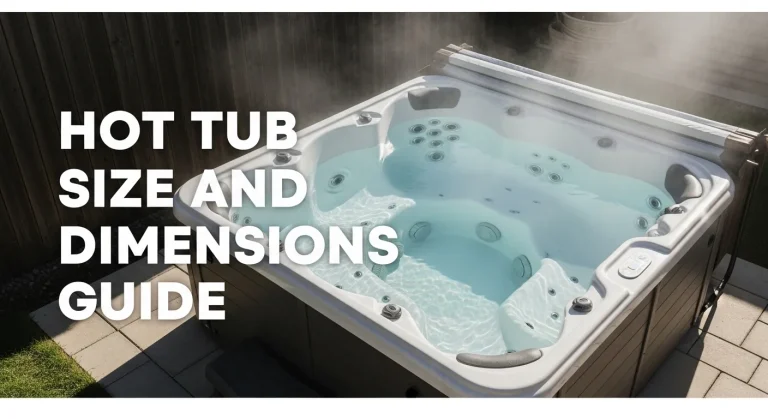
Small hot tubs fit 2–4 people (around 5×5 ft), medium fits 5–6 (about 7×7 ft), and large fits 7+ (8×9 ft or bigger). Choose based on space, power setup, and how often you entertain….

Keeping your hot tub pH balance within the recommended range of 7.2 to 7.8 is one of the simplest ways to protect your equipment, improve sanitizer performance, and enjoy cleaner, more comfortable water. Testing…

Winterizing a hot tub means draining the water, flushing the lines, blowing out the jets, adding RV antifreeze to the plumbing, and sealing everything so nothing freezes. This protects the pump, heater, and pipes…

A hot tub robe warmer is a heated storage unit or cabinet that keeps towels and robes warm while you soak. Most use electric heating or insulated chambers to maintain temperatures between 120–160°F. They’re…
End of content
End of content