

Hot Tub pH Balance: Ideal Levels, Easy Fixes, and Prevention Tips

Keeping your hot tub pH balance within the recommended range of 7.2 to 7.8 is one of the simplest ways to protect your equipment, improve sanitizer performance, and enjoy cleaner, more comfortable water.
Testing regularly and correcting total alkalinity before adjusting pH will prevent many of the common problems that frustrate new hot tub owners.
Once balancing your water becomes part of your regular maintenance routine, you’ll spend less time chasing chemical readings and more time enjoying your hot tub.
What Is the Ideal Hot Tub pH Level?
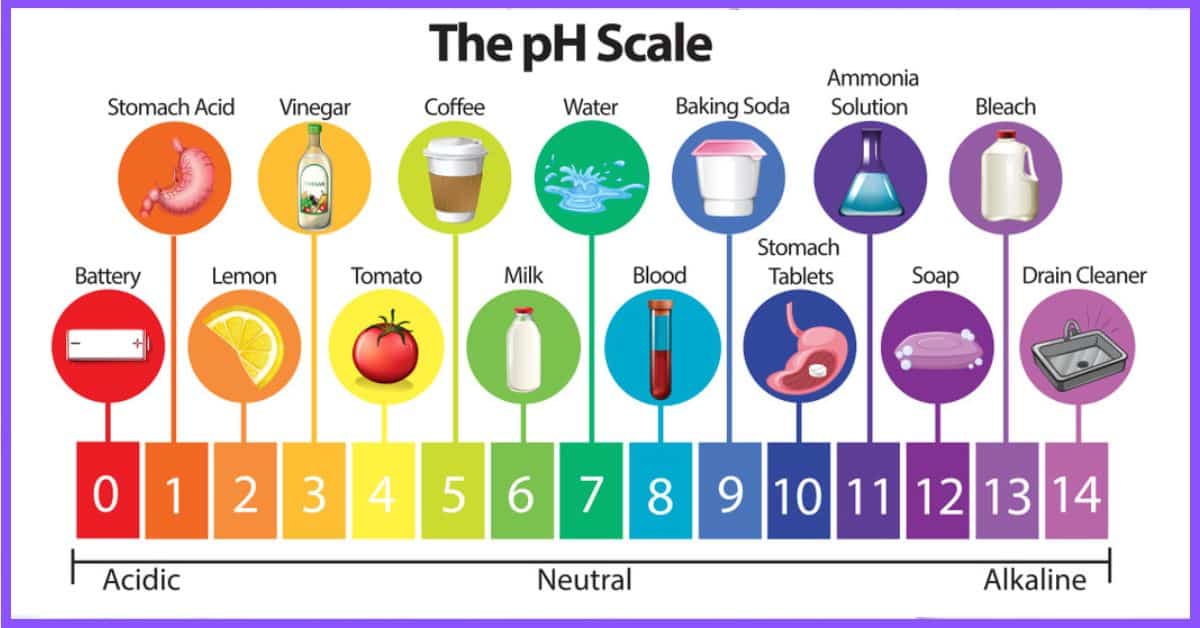
Hot tub water should have a pH between 7.2 and 7.8, with many manufacturers recommending 7.4 to 7.6 as the sweet spot. This range keeps the water comfortable for bathers, allows chlorine or bromine to sanitize effectively, and helps prevent corrosion and mineral scale.
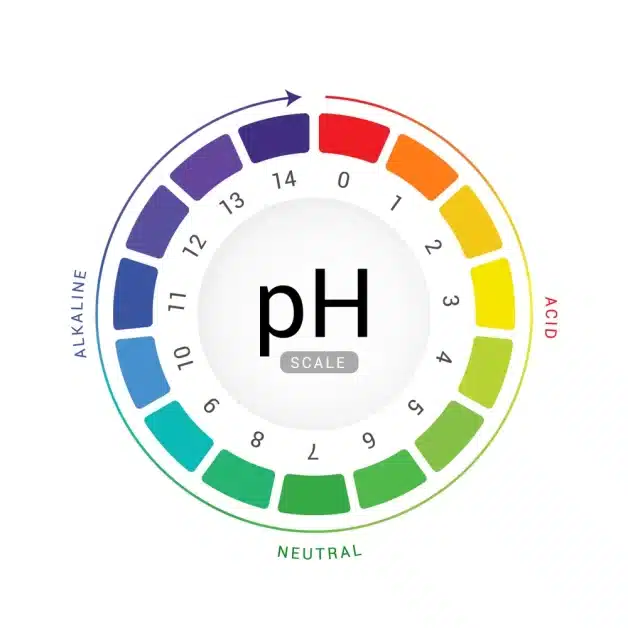
| pH Reading | Water Condition | What You Should Do |
|---|---|---|
| Below 7.2 | Too acidic | Raise the pH gradually with a pH increaser |
| 7.2–7.8 | Ideal range | Continue regular testing and maintenance |
| Above 7.8 | Too alkaline | Lower the pH with a pH decreaser |
Many new hot tub owners focus only on sanitizer levels. In reality, even the best sanitizer struggles when the pH drifts outside the recommended range.
If you’re building a complete water care routine, our Hot Tub Water Care Guide explains how pH, alkalinity, sanitizer, and calcium hardness work together.
Why 7.2 to 7.8 Is the Recommended Range
The recommended range is a balance between comfort and performance.
When pH stays within this window:
- Chlorine and bromine remain effective.
- Water feels softer on your skin.
- Eyes are less likely to become irritated.
- Pumps, heaters, and seals last longer.
- Scale and corrosion are less likely to develop.
Even a small shift outside this range can begin creating problems that become more expensive if ignored.
Why Hot Tub pH Balance Matters
Maintaining the proper pH isn’t just about passing a water test. It affects nearly every part of your hot tub experience.
It Helps Protect Your Skin and Eyes
Water that’s too acidic often causes itchy skin, burning eyes, and dry skin after soaking. High pH isn’t much better because it can leave the water feeling harsh and uncomfortable while reducing sanitizer performance.
Many owners notice discomfort before they notice anything unusual in the water itself.
It Keeps Sanitizers Working Efficiently
Chlorine and bromine work best when the water chemistry is balanced.
As pH climbs above the recommended range, sanitizer becomes less effective at killing bacteria. You may find yourself adding more chemicals without solving the underlying problem.
Balanced pH lets your sanitizer work as intended, reducing unnecessary chemical use.
It Prevents Corrosion
Low pH creates acidic water that slowly attacks metal components inside your spa.
Over time this may damage:
- Heater elements
- Pump seals
- Jets
- Metal fittings
- Internal plumbing
Small chemical imbalances can eventually lead to expensive repairs.
It Prevents Scale Buildup
High pH encourages dissolved minerals to leave the water and stick to surfaces.
Scale commonly appears on:
- The waterline
- Heater elements
- Spa shell
- Jets
- Plumbing
Besides looking unattractive, scale reduces heating efficiency and restricts water flow.
It Helps Keep Water Crystal Clear
Cloudy water is one of the first signs that pH or alkalinity has drifted out of balance.
Balanced chemistry allows filters and sanitizers to remove contaminants more effectively, making clear water much easier to maintain.
For a complete routine that keeps your water balanced throughout the season, see our Hot Tub Water Balance Maintenance guide.
Understanding Total Alkalinity Before Adjusting pH
Always balance total alkalinity before adjusting pH. Total alkalinity acts as a buffer that helps keep pH from changing too quickly. If alkalinity is too high or too low, your pH will continue drifting no matter how often you add pH increaser or decreaser.
This is one of the most common mistakes new hot tub owners make.
Ideal Total Alkalinity Range
Aim for a total alkalinity between 80 and 120 ppm (parts per million).
| Total Alkalinity | Effect on Water |
|---|---|
| Below 80 ppm | pH changes rapidly and becomes difficult to control |
| 80–120 ppm | Stable water chemistry and easier pH control |
| Above 120 ppm | pH tends to stay high and becomes difficult to lower |
Why Alkalinity Stabilizes pH
Think of alkalinity as a shock absorber for your water chemistry.
Without enough alkalinity, everyday factors can quickly change your pH, including:
- Heavy hot tub use
- Rainwater entering the spa
- Adding fresh water
- Aerating the water with jets
- Adding sanitizers
When alkalinity is balanced first, pH adjustments become smaller, more predictable, and longer lasting.
Why Your pH Keeps Fluctuating
If you find yourself adding pH chemicals every few days, chances are the problem isn’t your pH—it’s your alkalinity.
A few common causes include:
- Low total alkalinity
- High-calcium source water
- Frequent topping off with fresh water
- Heavy bather loads
- Overusing pH adjustment products
Correcting alkalinity first usually solves recurring pH swings far more effectively than repeatedly chasing the pH number itself.
If your alkalinity stays outside the recommended range, our Total Alkalinity in Hot Tub guide explains exactly how to test, adjust, and maintain it.
Check out How to raise pH in hot tub naturally 7 Natural Ways.
How to Test Hot Tub pH Correctly
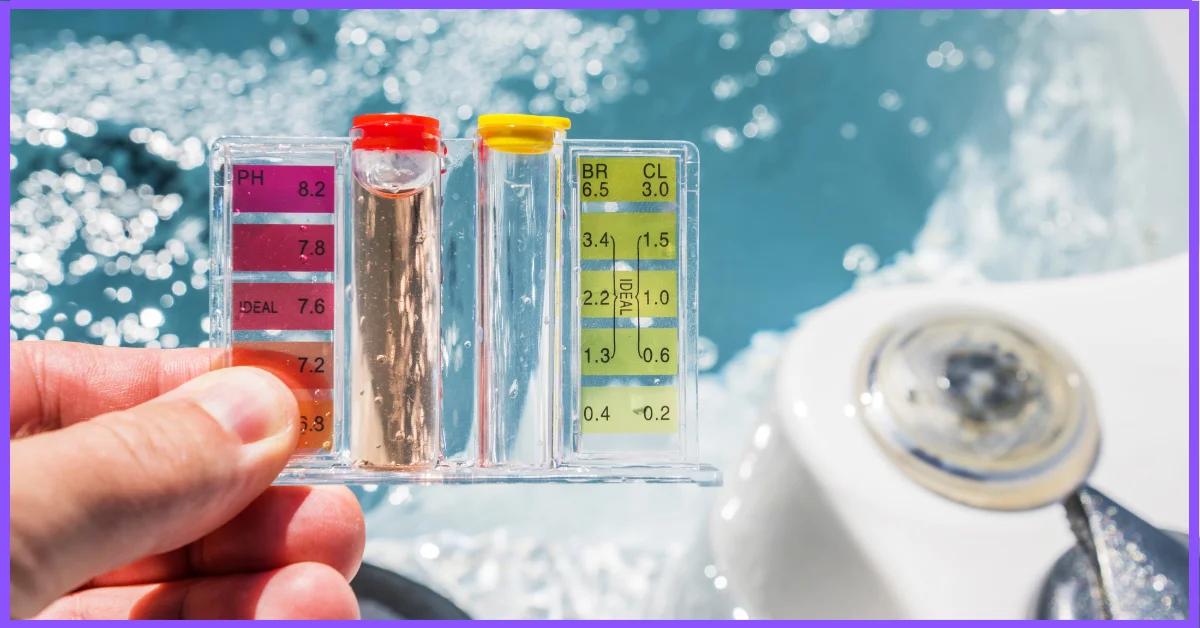
Testing your water regularly is the easiest way to prevent cloudy water, skin irritation, and constant chemical adjustments. For most homeowners, testing two to three times per week is enough. If your hot tub gets heavy use or you’ve just added fresh water, test it daily until the water stabilizes.
A common mistake hot tub owners make is waiting until the water looks cloudy before testing. By then, the chemistry has usually been out of balance for several days.
If you’re choosing new testing supplies, our Hot Tub Test Strips guide compares the most accurate options for home use.
Option 1: Test Strips
Test strips are the quickest and most affordable way to check your water.
- Turn on the circulation pump for a few minutes.
- Dip the strip about 12 inches below the surface.
- Remove it immediately.
- Wait the amount of time listed on the package.
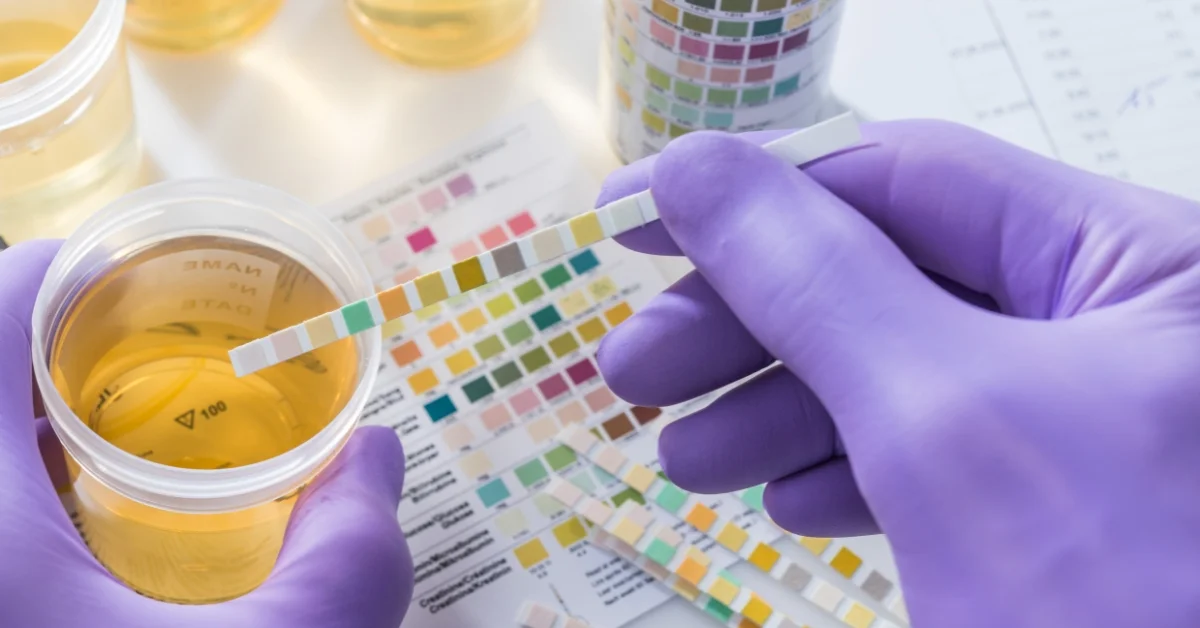
- Compare the colors to the reference chart.
Most quality strips measure:
- pH
- Total alkalinity
- Free chlorine or bromine
- Calcium hardness
Option 2: Digital pH Meters
Digital meters provide more precise readings and are useful if you frequently adjust your water chemistry.
For accurate readings:
- Calibrate the meter regularly.
- Rinse the probe after every use.
- Store it according to the manufacturer’s instructions.
When Should You Test?
Testing becomes much easier when you follow a routine.
Check your water:
- Before the first soak of the week
- After adding chemicals
- After heavy bather loads
- After heavy rain (for uncovered spas)
- After draining and refilling the hot tub
Many experienced owners also perform a quick test before weekend gatherings since multiple bathers can quickly change the water chemistry.
Common Testing Mistakes
Small mistakes often lead to unnecessary chemical adjustments.
Avoid these common errors:
- Testing immediately after adding chemicals
- Taking water samples directly beside a return jet
- Ignoring total alkalinity
- Using expired test strips
- Storing test strips in humid environments
Waiting about 30 minutes after adding chemicals before retesting usually provides much more reliable results.
Signs Your Hot Tub pH Is Too Low
A pH below 7.2 means your water has become too acidic. Low pH can damage your equipment and make soaking uncomfortable long before you notice obvious changes in the water.
Common Symptoms
Low pH often causes:
- Dry, itchy skin
- Burning or red eyes
- Metallic odors
- Corrosion around metal components
- Green or blue stains from dissolved metals
- Faster sanitizer loss
Many owners notice sore skin after soaking before realizing the water chemistry is the problem.
What Causes Low pH?
Several factors can lower pH over time:
- Acid-based chemicals
- Heavy rainfall
- Low total alkalinity
- Frequent sanitizer additions
- Organic waste from bathers
Freshly filled hot tubs may also start with naturally low pH depending on your local water supply.
How to Raise Low pH Safely
Raise pH gradually instead of adding large amounts of chemical all at once.
- Test pH and total alkalinity.
- Correct alkalinity first if necessary.
- Add a pH increaser according to the label.
- Run the pumps for 30 minutes.
- Retest the water.
- Repeat only if needed.
Adding too much increaser in one treatment often causes the opposite problem—high pH that’s just as difficult to correct.
If you’d rather use household alternatives when appropriate, our How to Raise pH in a Hot Tub Naturally guide explains safe methods.
Signs Your Hot Tub pH Is Too High
A pH above 7.8 means the water has become too alkaline. While it may not feel immediately uncomfortable, high pH reduces sanitizer efficiency and often leads to cloudy water and mineral deposits.
Common Symptoms
Watch for:
- Cloudy water
- White scale buildup
- Rough surfaces around the waterline
- Dry skin after soaking
- Poor chlorine performance
- Frequent sanitizer demand
Many owners mistake cloudy water for dirty filters when the real issue is high pH.
What Causes High pH?
Several situations commonly raise pH:
- High total alkalinity
- Hard fill water
- Excessive aeration from spa jets
- Overusing pH increaser
- Mineral-rich source water
Heavy jet use naturally raises pH over time because aeration releases dissolved carbon dioxide from the water.
How to Lower High pH
Lower pH slowly to avoid overshooting the target.
- Test pH and alkalinity.
- Lower alkalinity first if it’s above 120 ppm.
- Add pH decreaser in small doses.
- Allow the water to circulate for at least 30 minutes.
- Retest before making another adjustment.
Making several small corrections is much safer than one large correction.
If alkalinity is contributing to repeated pH problems, our How to Lower Alkalinity in a Hot Tub guide walks through the process step by step.
Step-by-Step: How to Balance Hot Tub pH
Balancing hot tub water becomes much easier when you follow the same order every time.
Step 1: Test the Water
Measure:
- pH
- Total alkalinity
- Sanitizer level
Write the readings down before making adjustments.
Step 2: Adjust Total Alkalinity
If alkalinity isn’t between 80 and 120 ppm, correct it first.
Stable alkalinity creates stable pH.
Step 3: Adjust pH
Once alkalinity is balanced:
- Raise pH if it’s below 7.2.
- Lower pH if it’s above 7.8.
Always follow product directions and make gradual adjustments.
Step 4: Circulate the Water
Run your circulation pump with the cover open for about 30 minutes so the chemicals mix evenly throughout the spa.
Step 5: Retest
Never assume the adjustment worked.
Retest the water after circulation and make another small adjustment only if necessary.
Step 6: Shock the Hot Tub (When Needed)
If the water remains cloudy, has an odor, or sanitizer levels remain unstable after balancing pH, perform a shock treatment according to your sanitizer system.
A balanced pH helps shock treatments work much more effectively.
To simplify future adjustments, you can calculate chemical amounts using our Hot Tub Chemical Dosage Calculator before adding products.
Hot Tub pH Troubleshooting Chart
| Problem | Most Likely Cause | Recommended Solution |
|---|---|---|
| pH stays low | Low total alkalinity | Raise alkalinity before adjusting pH |
| pH stays high | High alkalinity or hard water | Lower alkalinity, then reduce pH |
| Cloudy water | High pH or poor sanitizer performance | Balance pH and shock if needed |
| Skin irritation | Low pH or sanitizer imbalance | Test and rebalance water chemistry |
| Scale buildup | High pH and calcium hardness | Lower pH and inspect calcium hardness |
| Constant pH drift | Unstable alkalinity | Correct alkalinity and retest after circulation |
If your water still won’t stabilize after following these steps, visit our Water Care Troubleshooting guide for additional diagnostic tips.
What Causes Hot Tub pH to Fluctuate?
Even well-maintained hot tubs experience occasional pH changes. Understanding what causes those fluctuations helps you prevent them before they become bigger problems.
Heavy Bather Load
Every soak introduces:
- Sweat
- Body oils
- Cosmetics
- Lotions
More bathers usually mean more frequent water testing.
Source Water
Some municipal water supplies naturally contain high minerals or high alkalinity.
Testing your fill water before adding chemicals gives you a much better starting point.
Rainwater
Rainwater often lowers alkalinity and changes pH, especially if your cover was left open during a storm.
Aeration
Running massage jets for long periods naturally increases pH because the water releases dissolved carbon dioxide.
This surprises many first-time hot tub owners.
Chemical Products
Adding too much sanitizer, pH increaser, or pH decreaser can create a cycle of overcorrection that becomes difficult to manage.
Small adjustments almost always produce better long-term results.
Dirty Filters
A clogged filter reduces circulation, making water chemistry harder to stabilize.
Cleaning your filters regularly helps chemicals circulate evenly throughout the spa.
For a complete understanding of how these factors work together, read our How to Master Hot Tub Water Chemistry in 5 Easy Steps guide.
Common Hot Tub pH Balance Mistakes
Many hot tub owners assume balancing pH is simply a matter of adding a little pH increaser or decreaser. In practice, repeated water problems usually come from a few avoidable mistakes.
Adjusting pH Before Total Alkalinity
This is the most common mistake.
If total alkalinity isn’t between 80 and 120 ppm, your pH will continue drifting even after you adjust it.
Always test and correct alkalinity first.
If you frequently struggle with high alkalinity, our How to Lower Alkalinity in a Hot Tub Naturally guide offers additional methods.
Adding Too Much Chemical at Once
Large chemical doses often create the opposite problem.
Instead of correcting low pH, you may accidentally raise it above the recommended range and spend the next several days trying to lower it again.
Small adjustments followed by retesting produce much better results.
Retesting Too Quickly
Water needs time to circulate.
Wait about 30 minutes after adding chemicals before testing again. Testing immediately after treatment rarely gives an accurate reading.
Ignoring Your Fill Water
Many homeowners overlook the chemistry of the water coming from their garden hose.
Hard water or naturally alkaline water can affect pH before you even add sanitizer.
Testing fresh fill water makes balancing much easier.
Forgetting Routine Maintenance
Even perfectly balanced water won’t stay that way if the hot tub is neglected.
A consistent maintenance routine includes:
- Testing water two or three times each week
- Cleaning filters regularly
- Shocking the water when needed
- Draining and refilling every three to four months (or as recommended by your manufacturer)
Recommended Products for Balancing Hot Tub pH
Having the right products on hand makes routine maintenance much easier.
pH Increaser
Use a pH increaser when your water tests below 7.2.
It gradually raises pH while helping restore comfortable water conditions.
pH Decreaser
A pH decreaser lowers overly alkaline water and helps improve sanitizer performance.
Always add small amounts and retest before adding more.
Alkalinity Increaser
If total alkalinity falls below 80 ppm, use an alkalinity increaser before adjusting pH.
Stable alkalinity creates stable pH.
Water Clarifier
Water clarifiers don’t balance pH directly, but they help remove tiny particles that cause cloudy water after chemistry has been corrected.
Reliable Water Test Kit
Accurate testing is more valuable than constantly adding chemicals.
Many experienced hot tub owners upgrade from inexpensive strips to higher-quality strips or digital testers because more accurate readings lead to fewer chemical adjustments.
If you’re comparing products, our Best Hot Tub Chemicals Kit guide can help you choose the right supplies.
Tailored Action Plan
Use this simple routine to keep your hot tub water balanced throughout the year.
Weekly
- Test pH two or three times.
- Test total alkalinity.
- Check sanitizer levels.
- Inspect water clarity.
- Clean debris from the water.
Every Two Weeks
- Rinse the filter.
- Inspect the cover for dirt or mildew.
- Check for scale around the waterline.
- Review your chemical usage.
Monthly
- Deep-clean the filter.
- Inspect jets and circulation.
- Review calcium hardness if you notice scale.
- Record your water test results to identify recurring trends.
Every Drain and Refill
- Test your source water.
- Balance total alkalinity first.
- Adjust pH to 7.2–7.8.
- Balance sanitizer.
- Allow the water to circulate before using the spa.
Many homeowners find that keeping a simple maintenance log helps identify recurring issues before they become expensive repairs.
Downloadable Resource
Frequently Asked Questions
How do I fix the pH balance in my hot tub?
Test both pH and total alkalinity first. Adjust alkalinity if needed, then slowly raise or lower pH until it falls between 7.2 and 7.8, allowing the water to circulate before retesting.
What happens if my hot tub pH is too high?
High pH can reduce sanitizer effectiveness, create cloudy water, cause mineral scale, and leave your skin feeling dry after soaking.
What happens if my hot tub pH is too low?
Low pH creates acidic water that can irritate skin and eyes while slowly corroding heaters, pumps, and other metal components.
Should I adjust alkalinity or pH first?
Always adjust total alkalinity before pH. Balanced alkalinity helps prevent repeated pH fluctuations.
How often should I test hot tub pH?
Most homeowners should test pH at least two or three times each week, along with total alkalinity and sanitizer levels. Test more frequently after heavy use or adding fresh water.
Can high pH cause skin irritation?
Yes. High pH may leave skin feeling dry or itchy and can reduce sanitizer efficiency, allowing contaminants to build up more easily.
Will high pH damage my hot tub?
Over time, high pH encourages mineral scale that can coat heaters, clog jets, and reduce the efficiency of your equipment.
Why does my hot tub pH keep changing?
The most common causes are unbalanced total alkalinity, heavy bather loads, aeration from the jets, source water chemistry, and frequent chemical adjustments.
Can I use baking soda to raise pH?
Baking soda primarily raises total alkalinity, with only a modest effect on pH. It’s useful when alkalinity is low but may not be the best choice if your pH alone needs adjustment.
Why do some people put tennis balls in a hot tub?
Clean tennis balls can absorb small amounts of body oils and lotions from the water. They don’t balance pH or replace proper filtration, but some owners use them as a simple way to reduce surface oils.




5 Comments
Comments are closed.