Calming Scents for Hot Tubs: Best Picks for Stress Relief

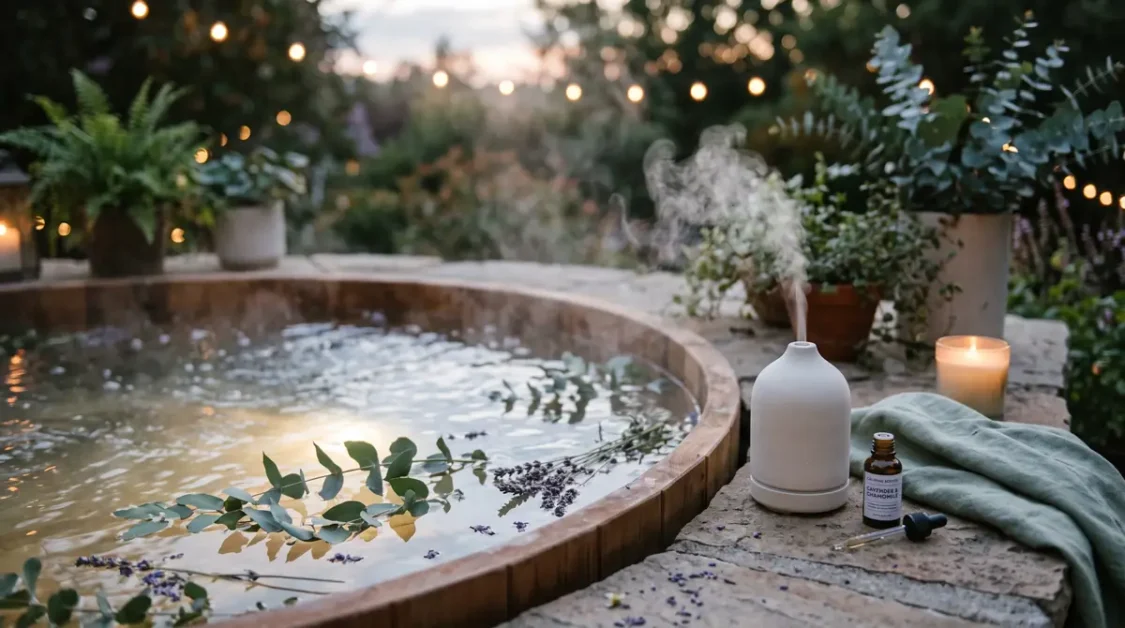
A calming scent will not undo a stressful day on its own, but paired with warm water, a few quiet minutes, and a little intention, it can make your hot tub feel like an actual reset instead of just a warm soak.
Start with one scent, build a simple routine around it, and adjust from there until it feels like your own.
Why Calming Scents Help You Unwind in a Hot Tub
Certain scents are closely linked to relaxation because of how they interact with your sense of smell and your nervous system. Lavender and chamomile in particular are associated with lower stress and tension when used consistently as part of a wind down routine.
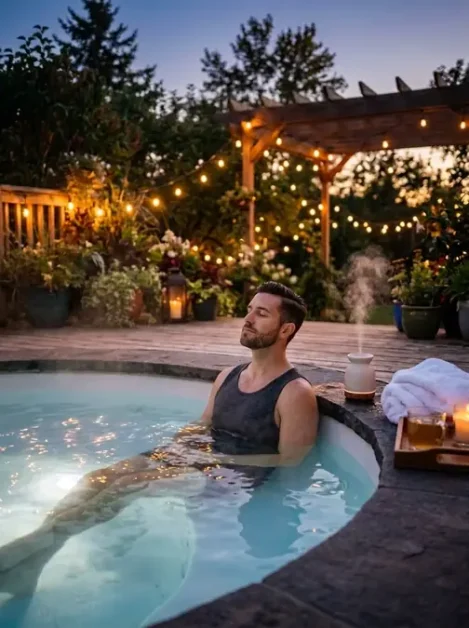
Pair that with warm water, and you get two relaxation cues working together instead of one. The heat eases muscle tension while the scent helps quiet a busy mind, which is part of why so many hot tub owners lean on this combination after a rough day.
If stress relief is your main goal, it is worth reading more about hot tubs for anxiety relief to understand the fuller picture beyond scent alone.
Best Calming Scents for a Relaxing Soak
You do not need a long list to get started. These calming scents are the ones hot tub owners come back to most often.
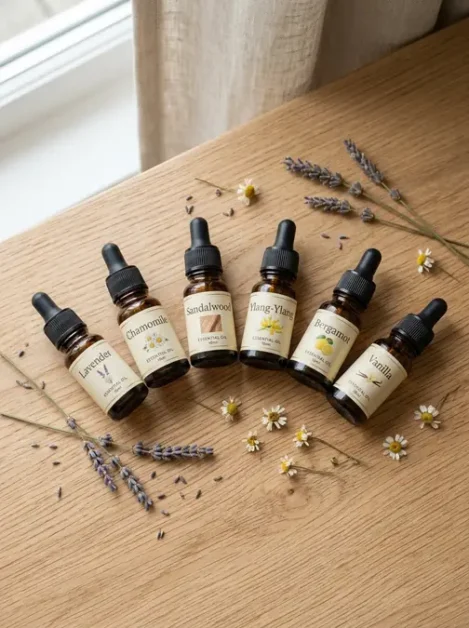
- Lavender. The most reached for calming scent, and for good reason. Its soft floral aroma is closely tied to easing stress and preparing the body for sleep.
- Chamomile. Gentle and soothing, chamomile works well if lavender feels a little strong. It is a good pick for a quiet evening soak.
- Sandalwood. Earthy and grounding, sandalwood is a favorite for owners who want a calming scent that feels deeper rather than sweet or floral.
- Ylang ylang. Rich and a little exotic, ylang ylang is often used to ease tension and slow things down after a stressful day.
- Bergamot. Calming with a light citrus edge, bergamot sits nicely between a floral scent and something brighter.
- Vanilla. Warm and familiar, vanilla creates a cozy atmosphere that many owners associate with comfort and winding down.
For the complete lineup of hot tub scents, including product picks and safe ways to add them, see our full guide to hot tub scents.
When to Use Calming Scents
Calming scents work best when you use them with intention rather than as an afterthought. A few situations where they make the biggest difference:
- Evening soaks. Using a calming scent in the hour or two before bed can help signal to your body that it is time to slow down.
- After a stressful day. If work or life has been heavy, a calming scent paired with warm water gives your mind something gentler to focus on.
- Before a busy morning. Some owners prefer a shorter calming soak the night before a demanding day, rather than trying to relax once the morning is already underway.
There is more on how a soak affects your body and mind in our guide to the benefits of relaxing in a hot tub.
How to Build a Calming Hot Tub Routine
Scent works best as part of a routine rather than a one time addition. A few simple ways to build one:
- Dim the lights around your hot tub area, or switch to soft LED lighting if you have it.
- Add your calming scent while the jets are running so it disperses evenly before you get in.
- Give yourself a few minutes without your phone. Even five distraction free minutes changes how relaxing the soak feels.
- Focus on slow, steady breathing for the first few minutes of your soak.
Small touches like lighting or a floating speaker can make this routine feel more consistent. Our guide to hot tub accessories worth owning covers a few options worth considering.
Choosing Safe Calming Scent Products
As with any hot tub scent, stick to products made specifically for spa use, such as crystals, liquids, or salts, rather than regular essential oils or bath products. This keeps your filtration system and water balance protected while you enjoy the calming effect.
For a full breakdown of safe formats, how they work, and how to avoid the most common mistakes, our hot tub water care guide is a good place to start.
Frequently Asked Questions
Do calming scents actually help with stress?
Many hot tub owners find that scents like lavender and chamomile help them relax more fully, especially when paired with warm water and a consistent evening routine.
What is the best time of day for a calming soak?
Evening soaks, particularly one to two hours before bed, tend to work best for winding down and preparing for sleep.
How often should I use calming scents in my hot tub?
You can use them as often as you like. Many owners reach for a calming scent a few times a week, especially after stressful days.
Can I mix calming scents together?
Yes, lavender and chamomile, or sandalwood and vanilla, are common combinations. Start with a small amount of each and adjust to your preference.
Should I test my water after using a calming scent product?
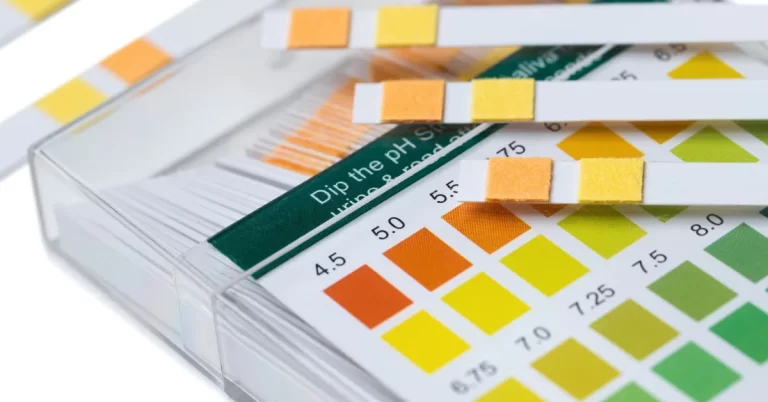
It is a good habit to check your water occasionally with hot tub test strips, especially if you use scent products regularly, just to confirm your chemistry stays balanced.







2 Comments
Comments are closed.