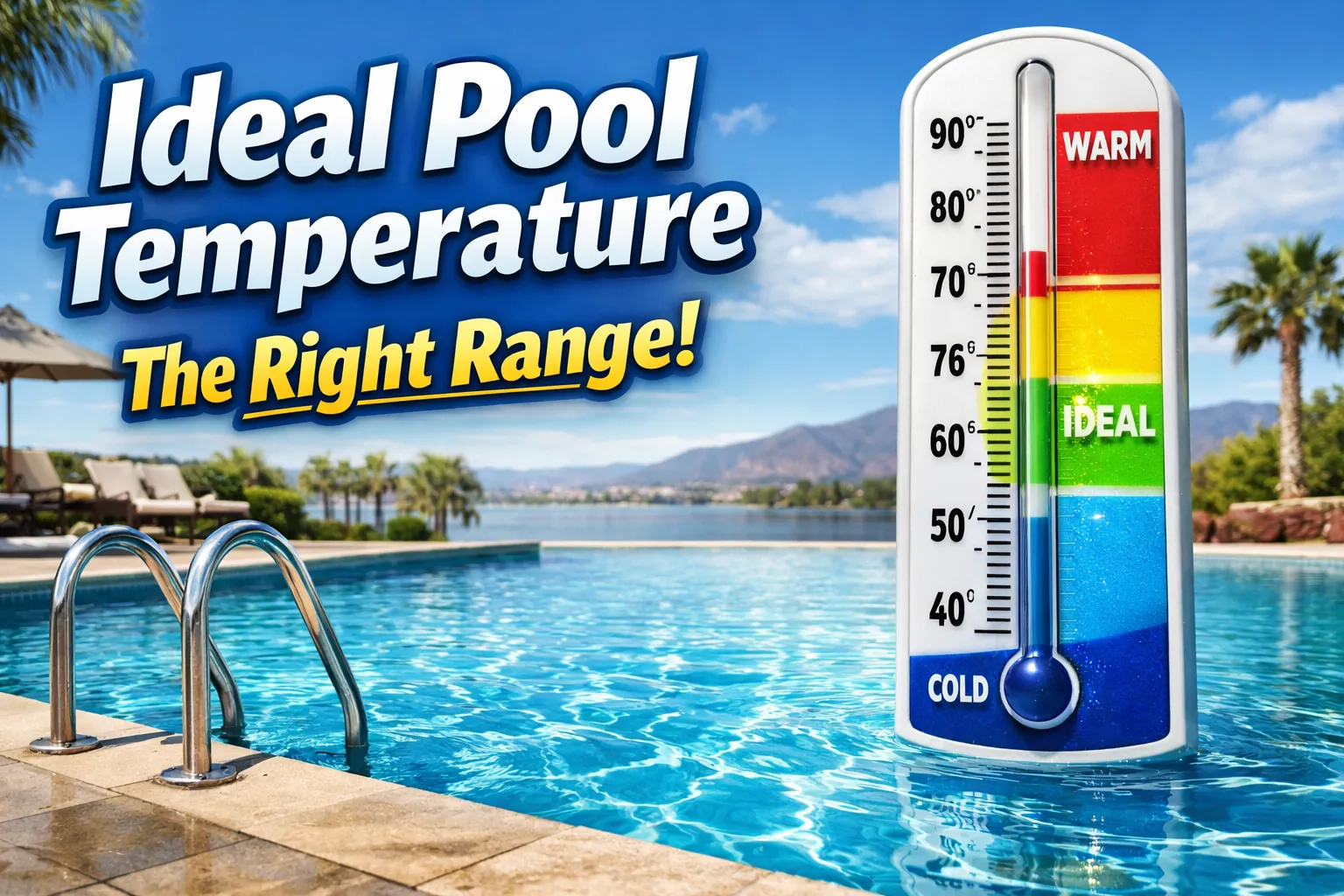
Ideal Pool Temperature: The Right Range (And How to Choose Yours)

Most people think there’s a single “perfect” pool temperature.
There isn’t.
What actually matters is how you use your pool. The wrong temperature doesn’t just feel off. It quietly increases costs, shortens swim time, and creates maintenance problems.
This guide helps you choose the right temperature for your situation, not just follow a generic number.
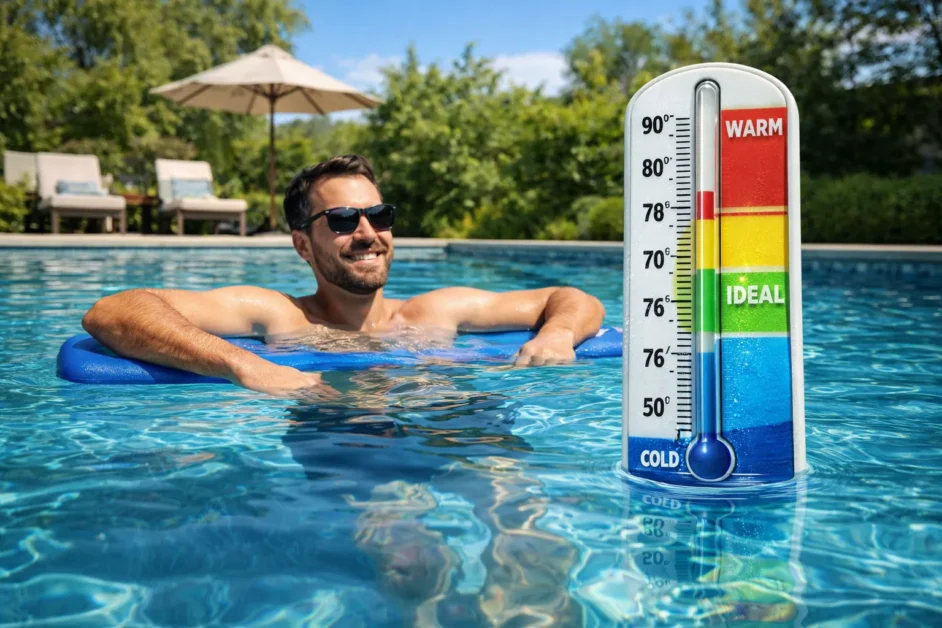
Pool Temperature Chart (Fahrenheit & Celsius)
If you prefer a quick reference instead of guessing, use this:
| Use Case | °F | °C |
|---|---|---|
| Competitive swimming | 77–80°F | 25–27°C |
| General swimming | 80–84°F | 27–29°C |
| Kids & seniors | 84–94°F | 29–34°C |
| Therapy pools | 90–96°F | 32–35°C |
This is the fastest way to match temperature to purpose without overthinking it.
The Ideal Pool Temperature (Quick Answer)
For most pools, the ideal range is 77–82°F (25–28°C)
But that’s only the baseline.
| Use Case | Ideal Temperature |
|---|---|
| Lap swimming | 77–80°F |
| General use | 80–84°F |
| Kids & seniors | 84–94°F |
| Therapy | 90–96°F |
The mistake is treating this as a fixed rule.
The smarter approach is adjusting based on use.
What Are You Using the Pool For
Exercise and Lap Swimming
- Cooler water improves performance.
- It helps regulate body temperature and prevents early fatigue.
- Best range is 77–80°F
- This fails if your pool is used casually because most people won’t stay in long.
Relaxation and Family Use
Warmer water increases comfort.
People stay in longer and enjoy the experience more.
Best range is 80–84°F
The trade-off is higher heating cost and faster chemical usage.
Kids, Babies, and Seniors
- Warm water is necessary, not optional.
- These groups lose heat faster and need more comfort.
- Best range is 84–94°F
- Too warm, however, increases bacteria growth risk.
Therapy and Recovery
- This moves into hot tub territory.
- Best range is 90–96°F
- Not suitable for general swimming and should be used with time limits.
- Warmer pool temperatures improve comfort for families and children
The Trade-Off Nobody Talks About
Pool temperature is a trade-off between comfort and cost.
Warmer Water
Feels better but costs more.
- Higher energy bills
- Faster chlorine loss
- Increased algae growth
If you want to reduce heating costs without sacrificing too much comfort, compare these fastest pool heating methods to see what fits.
Cooler Water
More efficient but less comfortable.
- Lower cost
- Better for exercise
- Shorter swim sessions
The real decision is simple
Do you want comfort or efficiency
You rarely get both.
When Pool Temperature Becomes Dangerous
Below 70°F
- Cold shock risk
- Muscle stiffness
- Unsafe for most swimmers
Above 90°F
- Bacteria grows faster
- Risk of overheating
- Dehydration increases
Who Should Be Careful
- Children
- Elderly
- Pregnant swimmers
Temperature is not just preference. It directly affects safety.
Is Your Pool Too Cold or Too Warm
Is 70°F Too Cold
For most people, yes.
- Feels like a cold plunge
- Short swim times
- Not suitable for kids
Only acceptable for short, high-intensity swimming.
Is 80°F Too Cold
No.
This is actually the optimal range for most swimmers.
- Comfortable for adults
- Efficient to maintain
- Ideal balance
Is 85°F Too Warm
Depends on usage.
- Good for relaxation
- Too warm for exercise
- Increases maintenance cost
Above this, you start trading efficiency for comfort.
What Temperature Should You Set
Use this decision shortcut
- For fitness choose 78°F
- For comfort choose 82–86°F
- For kids choose 84°F or higher
- For lower cost stay at or below 80°F
If your pool chemistry feels unstable, temperature might be the cause. This guide on pool water alkalinity and balance explains why.
Pool Thermometers: What Actually Works (And What Doesn’t)
Not all thermometers are equal.
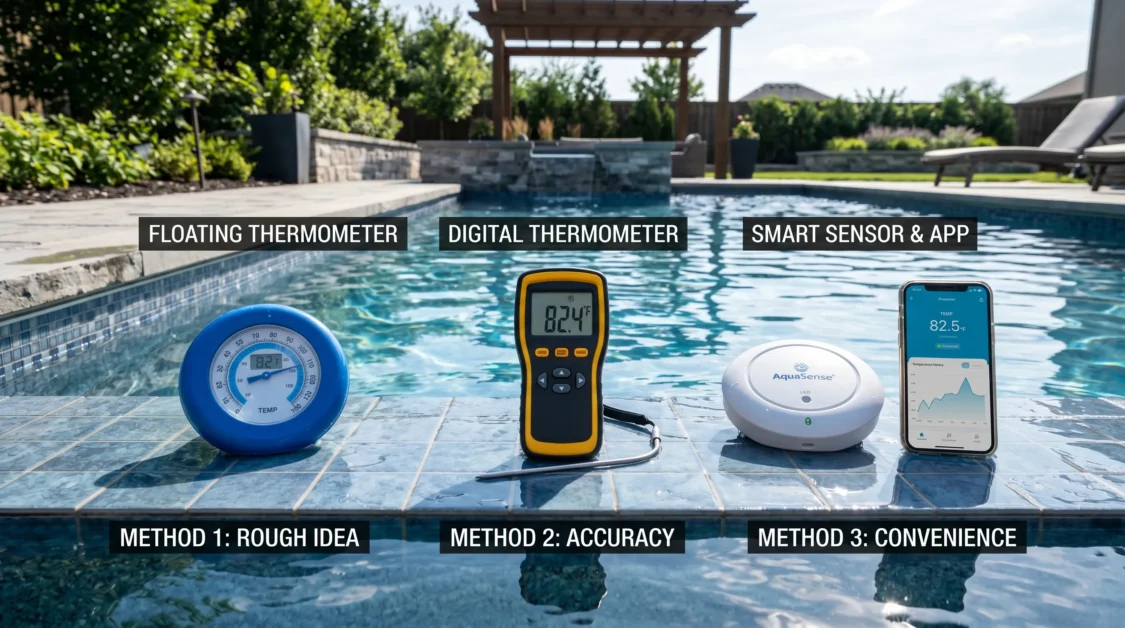
Floating Thermometers
- Cheapest option
- Easy to use
- Less accurate
Best for casual users.
Disclosure: This post may contain affiliate links. If you buy through these links, we may earn a small commission at no extra cost to you.
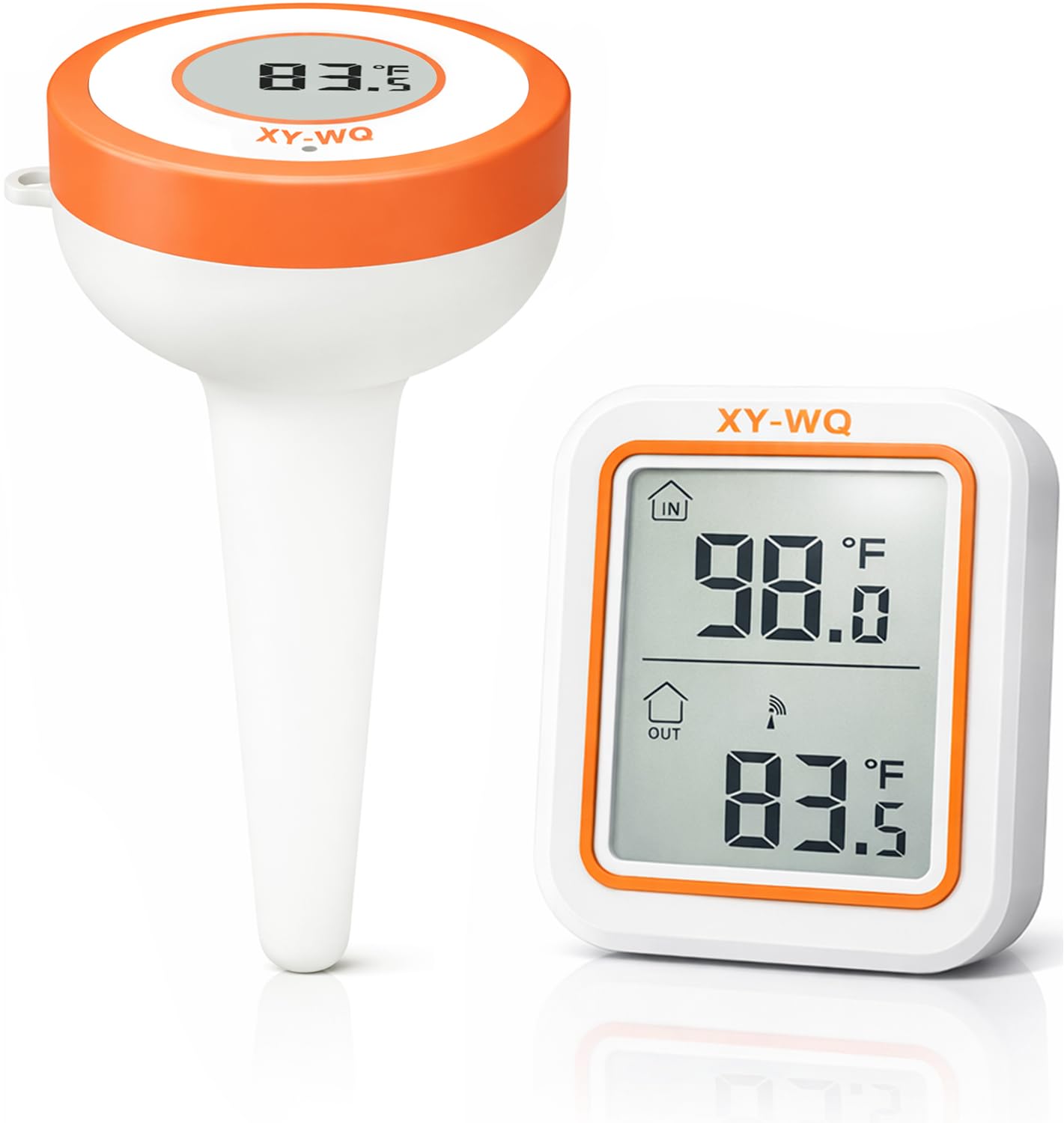
XY-WQ Wireless Pool Thermometer with Indoor Monitor
⭐ 4.6/5 rating | Amazon’s Choice | 100+ bought recently
💲 $24.99 (Save 24%)
- Check water temperature indoors with wireless monitor
- Up to 500 ft wireless range in open areas
- IPX8 waterproof floating sensor for pools and spas
- Large backlit display, easy to read day or night
- Bright orange float for quick visibility in water
Digital Thermometers
- More accurate
- Faster readings
- Moderate cost
Best for most pool owners.
Wireless & Smart Sensors
- Real-time monitoring
- Remote access
- Higher cost
Best if you want control without constant checking
Disclosure: This post may contain affiliate links. If you buy through these links, we may earn a small commission at no extra cost to you.
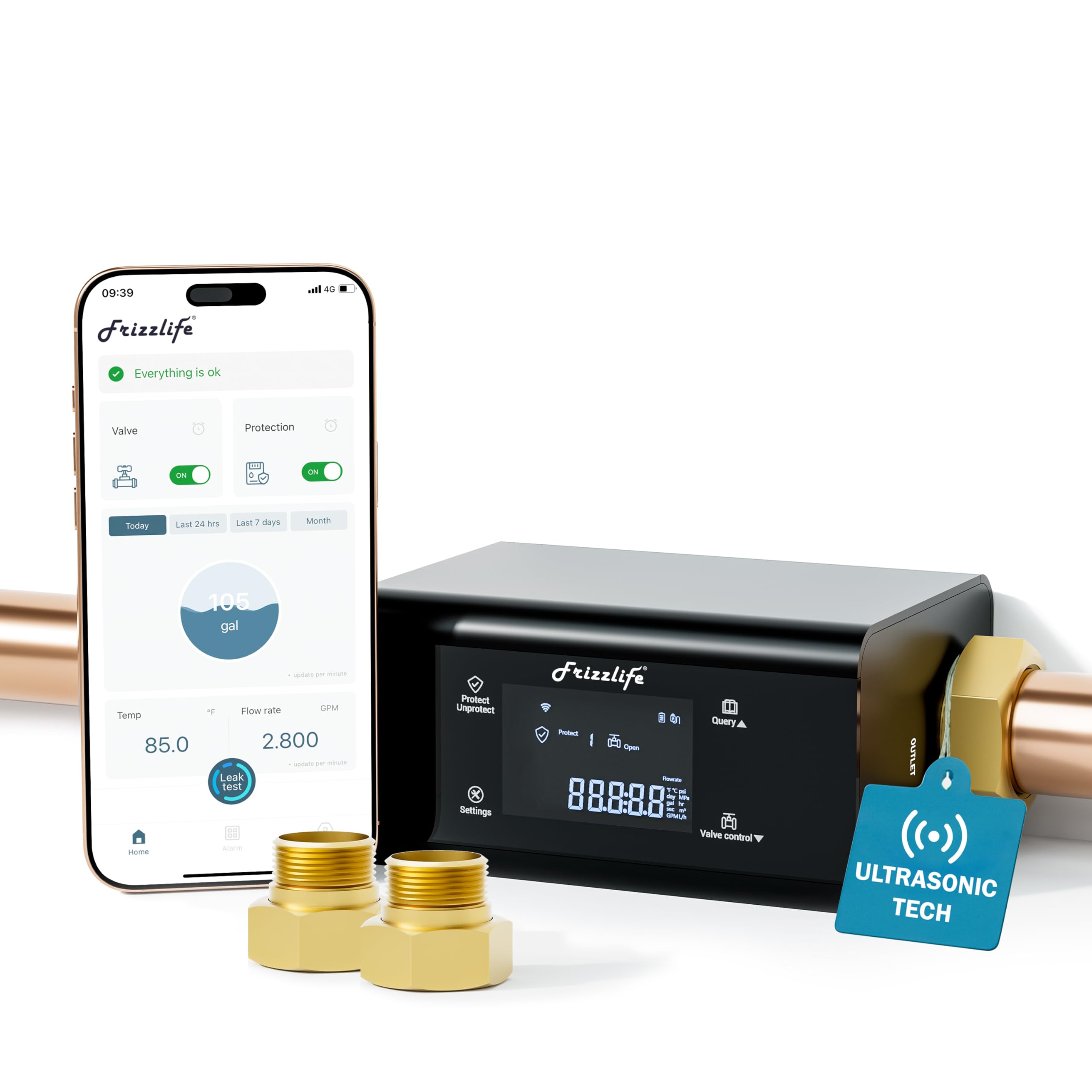
Frizzlife LP365 Smart Water Monitor & Automatic Shutoff
⭐ 4.4/5 rating | 200+ bought recently
💲 $329.99
- Automatic shutoff system to prevent water damage
- Detects micro leaks as small as 0.01 GPM
- Real-time alerts via app, SMS, and phone notifications
- Track water usage, temperature, and flow 24/7
- Works with Alexa, Google Assistant, and smart home systems
👉 Decision rule:
- Just want a rough idea → floating
- Want accuracy → digital
- Want convenience → smart sensor
How to Control Pool Temperature Without Wasting Money
Use a Pool Cover
Reduces heat loss and evaporation.
Heat Smarter
If speed matters, our heating guide breaks down what actually works.
Use Solar Heating
Lower long-term cost and more sustainable.
DIY options explained here: solar pool heater guide
Pool Temperature by Season (What Changes)
Summer
- Pools heat naturally
- Risk of overheating
- Less heating needed
👉 Focus on cooling or maintaining balance
Winter
- Heat loss increases
- Costs rise significantly
- Usage drops
👉 If you still want to swim, guidance on how to heat a swimming pool efficiently becomes essential.
Mild Climates
- Easier to maintain stable temps
- Lower long-term cost
👉 Your strategy should focus on consistency, not extremes
Indoor vs Outdoor Pools
Indoor pools need slightly warmer air than water to reduce evaporation
Outdoor pools lose heat quickly due to weather.
Same temperature setting does not mean same experience.
Common Pool Temperature Mistakes
- Keeping one temperature all year
- Heating for comfort instead of use
- Ignoring cost impact
- Not measuring accurately
The most expensive mistake is overheating a pool you barely use.
FAQs
Is 80°F pool water cold
No, it is ideal for most swimmers.
Is 70°F too cold
Yes for most people, especially for long swims.
What is the best pool temperature for kids
Around 84°F or higher.
What is the cheapest temperature to maintain
Around 78–80°F.
Explore More
Final Take
There is no perfect pool temperature.
Only the one that fits how you actually use your pool.
If you optimize for comfort, expect higher costs.
If you optimize for savings, expect less comfort.
The best choice is the one that matches your priorities.



2 Comments
Comments are closed.