
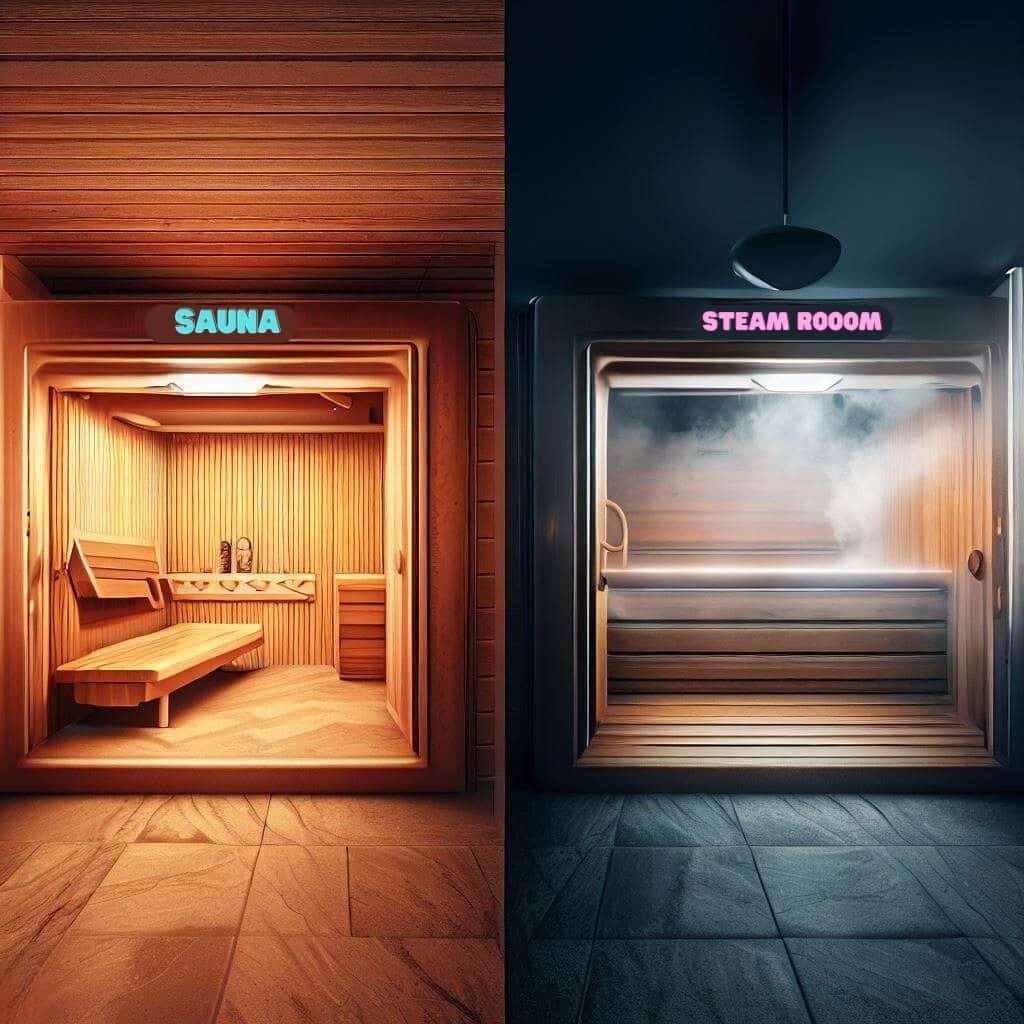
Sauna vs Steam Room: What’s the Difference?

Saunas and steam rooms both use heat, but they create different environments. The practical choice usually comes down to dry versus humid air, temperature preference, comfort, and how your body responds. For related planning, see Small Sauna Room Designs That Save Space at Home. For related planning, see Is Sauna Bath Good for PCOS? What Helps and What’s Just Hype.
Sauna vs Steam Room at a Glance
| Feature | Sauna | Steam room |
|---|---|---|
| Heat environment | Usually dry heat with low humidity. | Humid heat produced by steam. |
| Typical feel | Hotter, dry air; sweat can evaporate more readily. | Lower air temperature but very humid; sweat evaporates less readily. |
| Comfort | May suit people who prefer dry heat. | May suit people who prefer moist air, but humidity can feel heavy. |
| Practical use | Relaxation, quiet time, and a dry-heat routine. | Relaxation, moist-air comfort, and a humid-heat routine. |
| Safety priority | Limit heat exposure, hydrate appropriately, and leave if unwell. | Use the same precautions; humidity can make heat feel more intense. |
How a Sauna Works
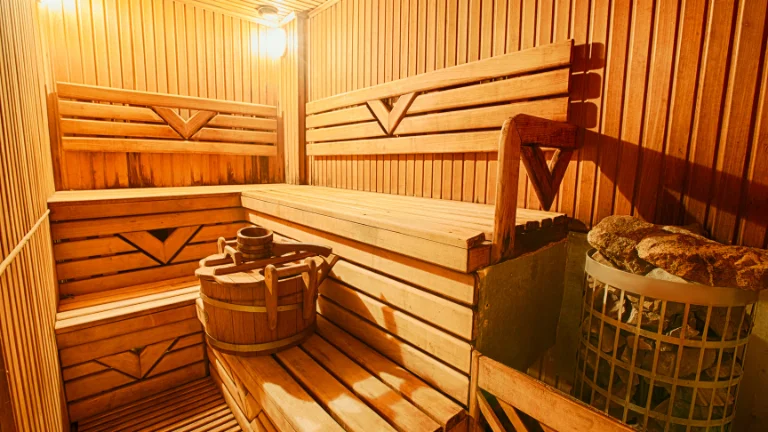
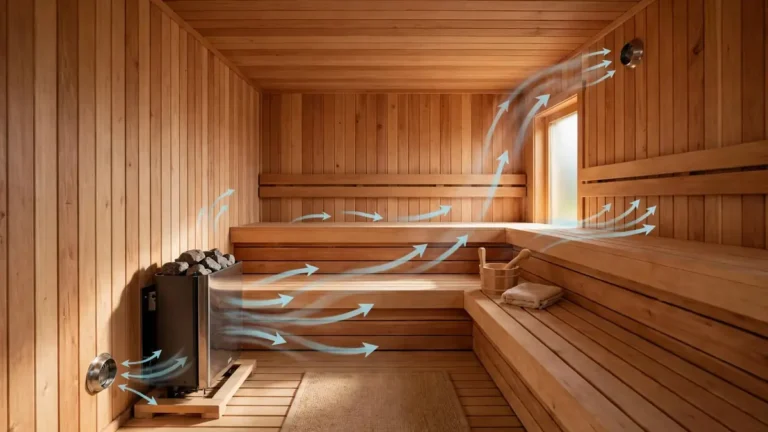
A traditional sauna warms the body with dry heat, commonly from a heater and stones. Infrared saunas use infrared emitters and generally operate at lower air temperatures. The room type, temperature, humidity, session length, and personal tolerance all affect how the experience feels.
How a Steam Room Works
A steam room adds water vapor to the air. The high humidity reduces sweat evaporation, so the room can feel intense even when the displayed temperature is lower than a traditional sauna. Moist air may feel comfortable to some people and oppressive to others.
Which Feels Better?
There is no universal winner. Choose based on the environment you tolerate comfortably:
- Choose a sauna if you prefer dry air and a hotter room.
- Choose a steam room if you prefer humid air and a lower displayed temperature.
- Try a shorter session first if you are new to either environment.
- Stop if the heat feels overwhelming or you feel unwell.
Relaxation, Skin, and Breathing Considerations
Both environments can feel relaxing and may loosen the sensation of stiff muscles for some people. A steam room’s humidity may feel soothing to some people with dry nasal passages, while it can feel uncomfortable to others. Neither environment should be presented as a treatment for a medical condition. Ask a healthcare professional if you have a respiratory, heart, blood-pressure, pregnancy, or medication concern.
Calories and Weight Loss: Keep the Question Separate
Both environments can cause sweating, but sweat is not a measurement of fat loss. A temporary scale change is mainly fluid-related, and heart-rate changes do not make passive heat equivalent to exercise. For the limited standardized reference that can be calculated and the reasons exact sauna calorie totals are uncertain, see the sauna calories calculator. To interpret measured before-and-after weights, use the temporary scale-change calculator.
Sauna and Steam Room Safety
- Start with a short, comfortable session.
- Hydrate appropriately and avoid alcohol before using either environment.
- Leave immediately if you feel dizzy, weak, nauseated, short of breath, or otherwise unwell.
- Ask a healthcare professional before use if you are pregnant, taking medication, or have a heart, blood-pressure, or other medical condition.
Cleveland Clinic’s sauna guidance also emphasizes short sessions, hydration, and individual medical considerations.
FAQs
What is the main difference between a sauna and a steam room?
A sauna usually provides dry heat with lower humidity, while a steam room fills the air with water vapor. That difference changes how sweat evaporates and how the heat feels.
Which is hotter, a sauna or a steam room?
A traditional sauna usually has the higher displayed air temperature. A steam room can still feel intensely hot because high humidity reduces sweat evaporation.
Which is better for relaxation?
Neither is universally better. A sauna may suit someone who prefers dry heat, while a steam room may suit someone who prefers humid air. Personal comfort and safe use matter most.
Does either one cause meaningful fat loss?
No. Sweating can produce a temporary fluid-related scale change, but it is not a measurement of body-fat loss. Neither environment replaces nutrition, exercise, or medical care.
Bottom Line
Saunas provide dry heat; steam rooms provide humid heat. The better option is the one you can use comfortably and safely for your intended relaxation routine. Compare the environment and practical experience, not unsupported calorie or fat-loss numbers.






2 Comments
Comments are closed.