DIY Sauna vs Sauna Kit vs Professional Installation: Which Is Best?

You have a place picked out for a home sauna, but the installation quotes are confusing. One seller offers a kit for you to assemble, another offers paid assembly, and a contractor quotes a finished sauna. The numbers are not comparable until you know exactly who is doing each job.
For a DIY sauna vs kit decision, compare four routes: build from raw materials, assemble a manufacturer-designed kit, hire a crew to assemble that kit, or commission a contractor-managed build. The cheapest purchase option is not necessarily the cheapest completed sauna.
The comparison below helps you choose based on skills, time, electrical and site requirements, then use a printable PDF checklist and an editable Excel cost calculator to check real quotes before paying a deposit.
DIY Sauna vs Kit vs Professional Installation: Quick Comparison
A kit is a product; professional assembly is a service. You can buy the same kit and choose to assemble it yourself or hire a crew. A fully contractor-managed project is a different scope and may include design and construction, but only if the contract says so.
| Route | Your construction role | Design control | Key uncertainty |
|---|---|---|---|
| Scratch-built DIY | Source materials, plan the build, perform suitable work and coordinate trades | Broad, within technical and legal limits | Skill, time, moisture details and rework |
| Self-assembled kit | Follow the specific model’s assembly manual and coordinate site work | Limited by kit layout and options | Delivery, helpers, missing components and trade work |
| Professionally assembled kit | Order the kit and pay a crew for specified assembly tasks | Same kit limitations | What assembly excludes |
| Contractor-managed build | Approve plans, scope, schedule and inspections | Often flexible | Contract completeness, changes and accountability |
None of these labels tells you whether site preparation, permits, electrical work, ventilation or heater commissioning is included. Those items must be assigned and priced separately. For the product-design question rather than who does the work, see our prefab vs custom sauna comparison.
What Are You Actually Paying Someone to Do?
1. Building a sauna from scratch
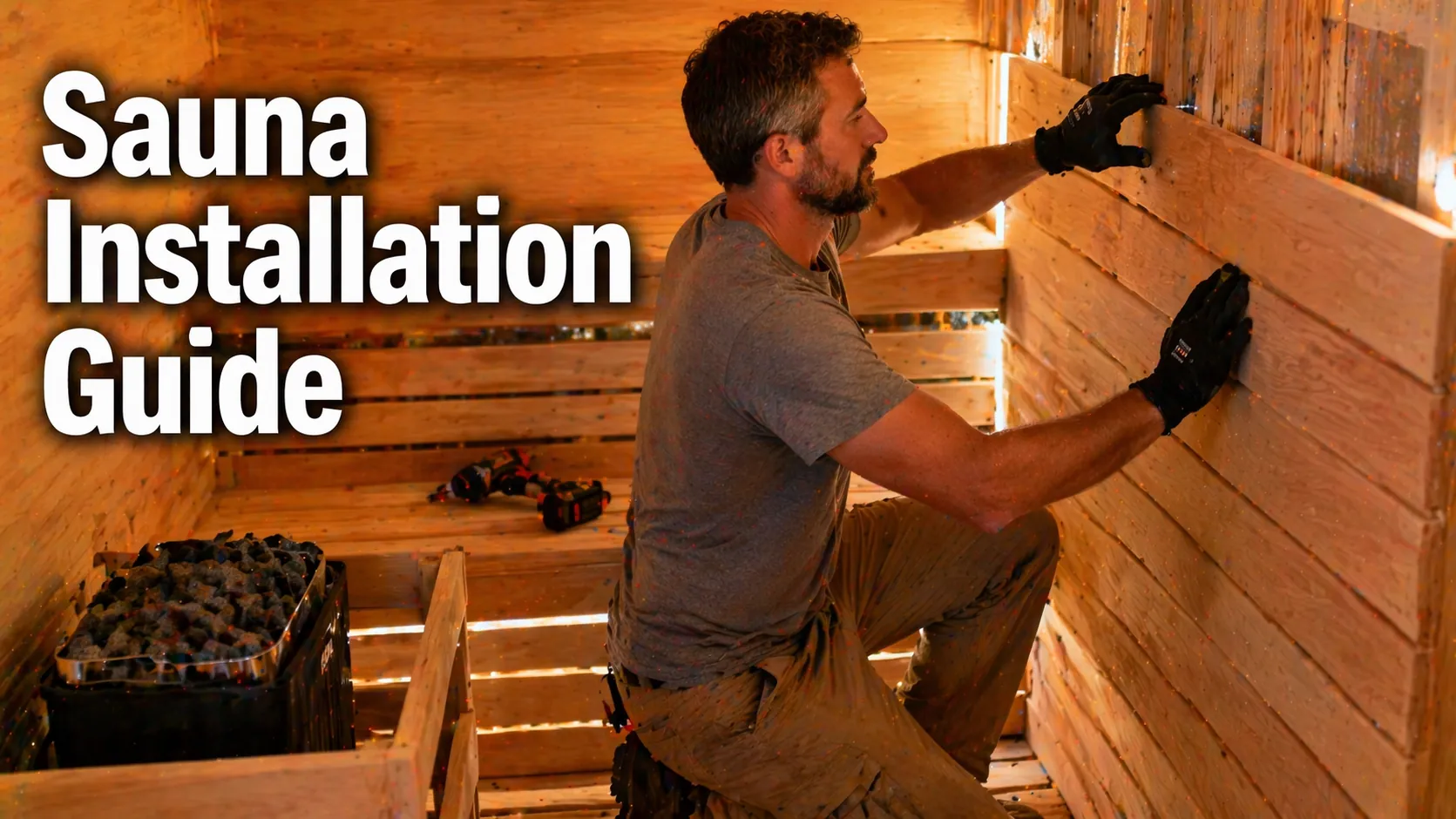
A scratch build means choosing plans and materials, coordinating the enclosure, insulation, interior wood, benches, door and heating system, then completing or subcontracting the work. It gives the greatest control but puts planning mistakes and sequencing decisions on the homeowner.
An outdoor scratch-built structure introduces a roof, weatherproofing, foundation, drainage and site access. An indoor conversion may involve existing framing, the floor assembly, ventilation and moisture control. Neither can be treated as ordinary finish carpentry without reviewing the building conditions and applicable requirements.
2. Buying a kit and assembling it yourself
A manufacturer-designed kit can remove much of the material selection and fabrication work. Yet kits are not all packaged the same way. Some use factory-made panels; others supply pre-cut lumber or loose components. Confirm the exact bill of materials before assuming it includes the heater, stones, controls, flooring or weather protection.
Almost Heaven’s official FAQ describes preassembled sections and predrilled holes for its own sauna kits, with some models requiring more extensive assembly. That is a useful manufacturer example, not a promise that every brand’s kit works the same way.
3. Paying someone to assemble a sauna kit
Professional assembly usually means the crew handles the physical kit components, but it may not include construction of the base, freight unloading, heater wiring or local inspections. This is the most easily misunderstood quote because the word installation sounds broader than the paid scope.
For a current example, Almost Heaven advertises assembly starting at $1,400, with a tailored final quote, and explicitly excludes electrical work. Its installation-service details describe licensed electrical connection as an optional add-on. This is one provider’s U.S. service offering, not a national installation price.
4. Hiring a contractor to manage the project
A contractor-managed sauna may bundle design, procurement, construction and trade coordination. It may also be a narrower labor-only job. Ask whether one business is responsible for the entire ready-to-use outcome or merely scheduling subcontractors. Look for written responsibilities for permits, inspections, commissioning and warranty claims.
A turnkey quote is worth more when it genuinely removes coordination and rework risk. It is not automatically a better deal if key systems and site work remain excluded.
Compare the Cost of a Finished Sauna, Not Just Materials
Scratch-building can reduce purchased assembly labor, but you still buy materials, tools or rentals, and qualified trade services. A kit can cost more upfront while reducing cutting and layout work. Paying a crew adds labor but may protect weekends or simplify handling heavy parts. No approach wins on cost without a shared scope.
| Expense to price | Scratch DIY | Kit / owner assembly | Kit / hired crew or managed build |
|---|---|---|---|
| Room package or materials | Line-by-line materials list | Exact kit price | Kit price or contractor materials |
| Site/base and delivery | Owner quote or trade quote | Usually separate unless confirmed | Ask about inclusion |
| Heater and controls | Separate or itemized | Confirm what’s included | Confirm specification and inclusion |
| Construction/assembly labor | Owner hours and hired specialists | Owner hours and helpers | Crew or contractor quote |
| Electrical, vents, permits | Qualified trades and local fees as applicable | Same model-specific checks | Verify each line in writing |
| Repairs, missing scope, changes | Owner carries coordination risk | Owner and supplier responsibilities vary | Contract governs |
Comparable project total = quoted materials or kit + delivery and unloading + site work + paid assembly/build labor + required trade work + permits/fees + tools and other required extras. Record a price as “Included” when it is already covered by another line. An unquoted item is not a zero-dollar item.
For broader equipment and installation budget categories, consult our home sauna cost guide. This article focuses on how much work the owner takes on and which costs remain outside a given contract.
When a Scratch-Built DIY Sauna Makes Sense
Start with scratch building only if the project matches skills you can demonstrate, the design is suitable for the space, and you have time to coordinate work that you should not perform yourself. Reading plans and measuring timber are not the same as designing a safe heater enclosure or managing moisture against an existing house wall.
- A good candidate: a competent builder with realistic plans, tools, help for heavy materials, and professional input for technical work.
- A poor candidate: an owner with no construction experience and no clear plan for insulation, drainage, heater clearances, inspection or ventilation.
- Before starting: confirm wall and ceiling assemblies, bench supports, door requirements, heat-rated materials and the heater manufacturer’s instructions.
- Stop and obtain help: when the work touches load-bearing structure, uncertain floor capacity, new circuits, combustible clearances, a chimney or regulated mechanical systems.
Avoid improvising the heater size or placement. Finnleo publishes separate manuals for room kits, heaters and controls because assembly details and heating-system requirements are not interchangeable.
When a Self-Assembled Sauna Kit Is the Better Fit
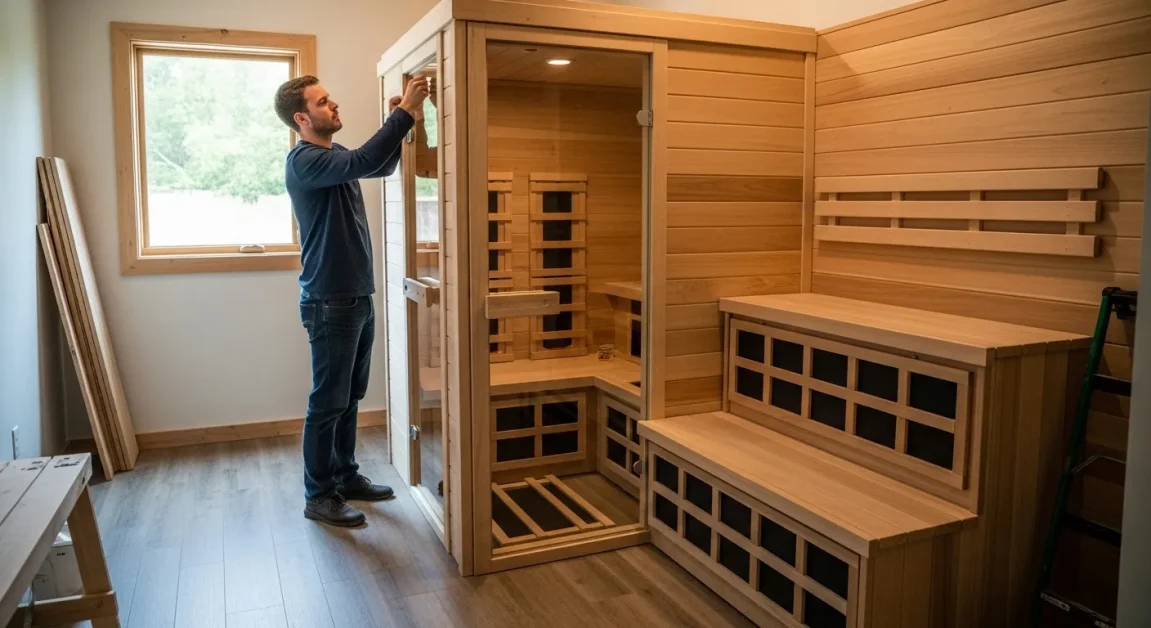
A kit can work well when the room dimensions fit a standard model and the site is accessible, level and ready. The real test is the manufacturer’s manual, not the product photo. Download the instructions before purchase, read the full assembly sequence and check what happens if a damaged or missing piece delays work.
- Confirm exterior and interior dimensions, ceiling clearance and the entire route from truck to final location.
- Check whether large panels, glass doors and roof sections require additional people or special lifting arrangements.
- Ask what is in the package: heater, controller, stones, benches, flooring, lights, roof covering, mounting hardware and accessories.
- Check the floor or foundation specifications and moisture management required for the actual installation location.
- Get the manufacturer’s written warranty terms for owner assembly, modifications and later relocation.
Kit assembly is model-dependent. Almost Heaven says two or three people can assemble many of its panel-based products in several hours, while some cabin-style saunas may take two to three full days. These figures describe its own models and do not cover delivery, site work or electrical connections. Review the manufacturer’s timing guidance rather than planning around a universal weekend estimate.
For barrel-specific components and site requirements, our barrel sauna kit checklist addresses the details that vary from panel cabins.
When Professional Assembly or a Managed Build Is Worth It
Hiring help is most useful when the job demands specialized skills, heavy handling, a coordinated deadline or accountability for several trades. Those reasons matter more than whether the kit itself looks simple.
- Heavy or fragile components: large glass, long roof sections, difficult stairs or restricted delivery access.
- Complex site: new foundation, outdoor weatherproofing, structural alterations or a room with unusual dimensions.
- Limited working time: the owner cannot set aside sufficient time for assembly, inspections and corrections.
- Several separate contractors: a lead contractor can be valuable if the contract actually includes coordination.
- Warranty or service priority: the buyer wants documented workmanship coverage and a named contact for corrections.
Compare the completed scope before paying for convenience. An assembly-only crew might finish the cabin while you still need an electrician, a ventilation adjustment and final inspections. Ask for a dated, itemized completion schedule rather than accepting “one-day installation” as a ready-to-use promise.
Who Should Handle Each Sauna Installation Job?
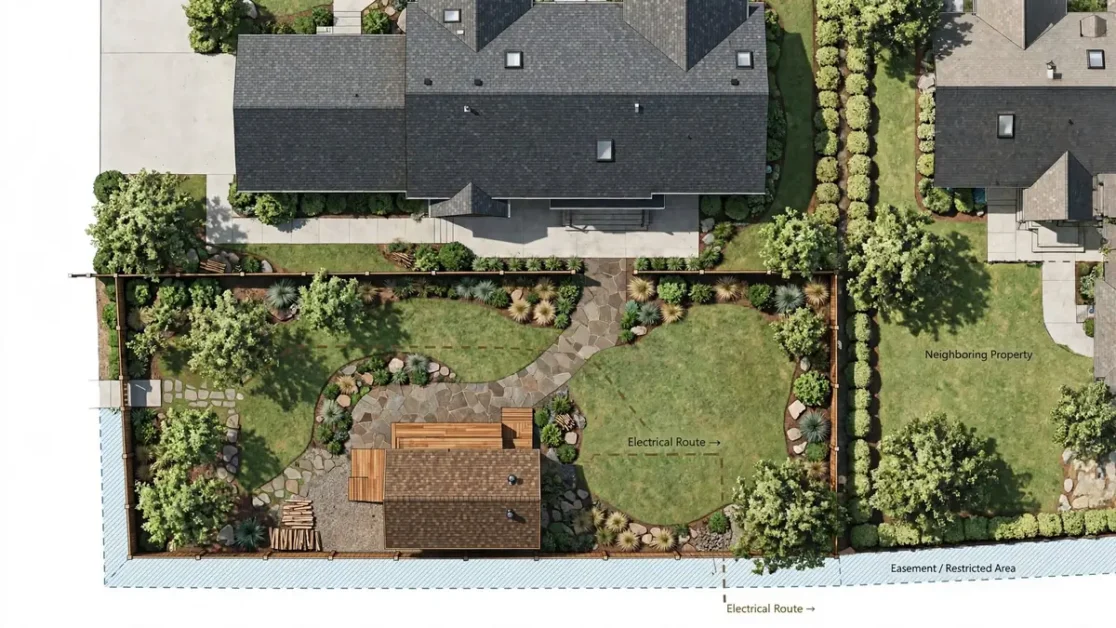
The owner may be able to inventory parts or assemble manufacturer-designed sections. Specialized or regulated jobs need the appropriate qualified professional and locally required approvals. The exact division depends on the sauna, installation manual, site and jurisdiction.
| Task | Homeowner may handle | Must be separately assessed or assigned |
|---|---|---|
| Inventory, drawings and delivery plan | Check components, take measurements and document damage | Supplier and freight provider for missing or damaged items |
| Kit panels, benches and door | Follow manual when safe and within capability | Installer for large, fragile or difficult assemblies |
| Floor, base, framing and load assessment | Routine preparation when suitable | Contractor/engineer when structural conditions are uncertain |
| Insulation and moisture details | Follow approved design for permitted DIY tasks | Qualified designer or contractor for unfamiliar assemblies |
| Heater location and clearances | Verify approved model information | Installer and heater manufacturer; never improvise clearances |
| Power and controller connections | Provide documents and coordinate access | Licensed electrician as required by instructions and local law |
| Ventilation and flue work | Plan around manual and site conditions | Qualified trade for ducting, mechanical work and wood-heater chimney |
| Permits, inspection and handover | Track approvals and retain records | Local authority and responsible contractor for required sign-off |
The Finnleo installation-manual library separates room installation and heater instructions. Its outdoor-room manual requires licensed electrical work and references applicable local regulations. Harvia’s ventilation guidance also distinguishes gravity from mechanical setups and warns that supply air must not interfere with a temperature sensor. Treat both as prompts to check your exact model, not substitute specifications.
For a more detailed technical scope, see our sauna installation planning guide and electrical planning guide. Local building and trade approvals also vary; confirm them using the sauna permit checklist.
Free printable: Sauna Build Decision Checklist (PDF)
The three-page, letter-size PDF includes a four-route decision table, site-readiness checks, a who-does-what worksheet and a print-and-fill quote grid. Print it before getting estimates, or fill it by hand at a contractor meeting.
After completing the PDF, transfer your line items into the Excel calculator below to compare written quotes without double-counting included components.
How Long Does Each Approach Take?
Time has three parts: lead time to get the product or materials, site readiness for utilities and the base, and hands-on installation through inspection and commissioning. A kit assembled in a day can still be delayed by freight scheduling or an unavailable electrician. A scratch build can stall when a required material or trade becomes the bottleneck.
| Stage | DIY scratch build | Kit self-assembly | Hired assembly or full-service |
|---|---|---|---|
| Before work | Plans, material takeoff, approvals | Model and manual review, site prep | Scope, site survey, scheduling |
| Delivery | Multiple purchases and storage | Kit freight and unloading | Deliveries may be separate from crew visit |
| Onsite work | Construction across multiple steps | Manual-based component assembly | Crew work per written scope |
| Ready-to-use handover | Trade inspections and final checks | Trade inspections and final checks | Verify inspections, testing and documentation |
Ask every bidder for an expected ready-to-use date and a list of assumptions. That is more useful than comparing only assembly hours or the date a kit leaves the factory.
Calculate Your Real Savings With the Free Excel Worksheet
The editable Sauna Cost & Labor Comparison Calculator compares scratch DIY, self-assembled kit, professionally assembled kit and a contractor-managed project using the same cost rows. It has three tabs: Quote Comparison, Task Ownership and How to Use.
Enter each written amount in its correct column. Type Included if the cost is already accounted for elsewhere. Leave unavailable prices unquoted rather than entering $0. The worksheet calculates a known-cost subtotal and flags missing lines, so incomplete bids are not mistaken for final totals.
Also record how much owner labor each route requires, who will arrange electrical or other trade work, the estimated date it could be used and the person responsible for warranty issues. A lower subtotal with several blank obligations is not yet the cheaper project.
A practical comparison before choosing
Suppose two bids contain the same sauna kit, but one includes assembly and the other does not. Copy the same kit price into both columns. Add the assembly charge to the hired-crew column, then enter the same required electrical and site costs in both unless a signed quote includes them. Only the differences you can verify belong in your savings calculation.
For outdoor projects, check site work first. A base, drainage solution or difficult delivery route can make labor savings irrelevant. Our outdoor sauna site-preparation guide shows what to assess before booking a delivery.
Five Mistakes That Make a Sauna Build More Expensive
- Ordering before reading manuals. Missing clearance or utility requirements can force a location change after the sauna arrives. Download the exact room, heater and control manuals first.
- Equating a kit price with installed cost. Freight, unloading, a suitable base, site wiring and inspections may all be separate. Use the worksheet to expose missing lines.
- Overestimating available time and help. Long or heavy panels may need extra hands; postponing work can affect weather exposure and scheduling. Plan for realistic labor availability.
- Assuming “professional installation” includes every trade. Ask specifically who connects the heater, signs off any inspection, removes debris and corrects issues.
- Ignoring warranty and rework terms. Confirm which modifications or assembly methods the supplier approves, and how damage, defects and workmanship corrections are handled.
Before Paying a Sauna Deposit: Final Checklist
- Exact model, dimensions, heater and full bill of materials are in writing.
- One person or company is assigned to freight unloading, site work, power, ventilation and required approvals.
- The installer has confirmed room access, floor/base suitability and manufacturer clearances.
- Kit assembly, electrical work, debris removal, testing and inspections are clearly included or excluded.
- Quotes show sales tax, fees, optional upgrades, cancellations, damage handling and change-order terms.
- The completion schedule identifies product delivery, crew availability and ready-to-use handover.
- The completed PDF decision checklist and Excel quote comparison support the choice rather than relying on the lowest headline price.
DIY Sauna vs Kit vs Professional Installation FAQs
Is it cheaper to build a sauna from scratch than buy a kit?
Sometimes, but a scratch build needs a complete materials list, suitable tools, sufficient work time and paid specialists where required. Compare the full ready-to-use cost against a kit quote, not lumber against a finished product.
Can a beginner assemble a sauna kit?
Some kits are designed for owner assembly, but difficulty depends on the model, site, lifting requirements and the person’s skills. Read the current manufacturer manual before buying and hire help for any step you cannot complete safely.
Does professional sauna assembly include electrical wiring?
Do not assume so. Almost Heaven’s assembly offer explicitly excludes electrical work. Other providers may offer an electrical add-on or bundled contract, so request a written line-item scope.
Should I buy a sauna kit and hire someone to assemble it?
That is a reasonable middle option when a standard kit suits the space but you lack time or help for the physical assembly. Obtain the assembly quote and separate utility/site quotes before ordering.
Do I need permits for a DIY or kit sauna?
Possibly. Requirements depend on the local jurisdiction, heater and electrical work, structure, and project location. Confirm building and trade requirements with the local authority rather than relying on a seller’s general FAQ.
Choose the Build Route That Fits the Work You Can Actually Do
Choose scratch-building when you have the relevant construction skills and a dependable plan. Choose owner-assembled kits when the manufacturer’s system fits the space and your team can handle the physical work. Pay an assembly crew when the kit is right but the labor is not. Choose contractor management when the work is complex enough that coordination and accountability add real value.
Before committing, complete the PDF responsibilities checklist, fill in the Excel comparison and ask every bidder to price the same ready-to-use sauna. A decision based on documented scope is stronger than one based on the lowest advertised package price.