
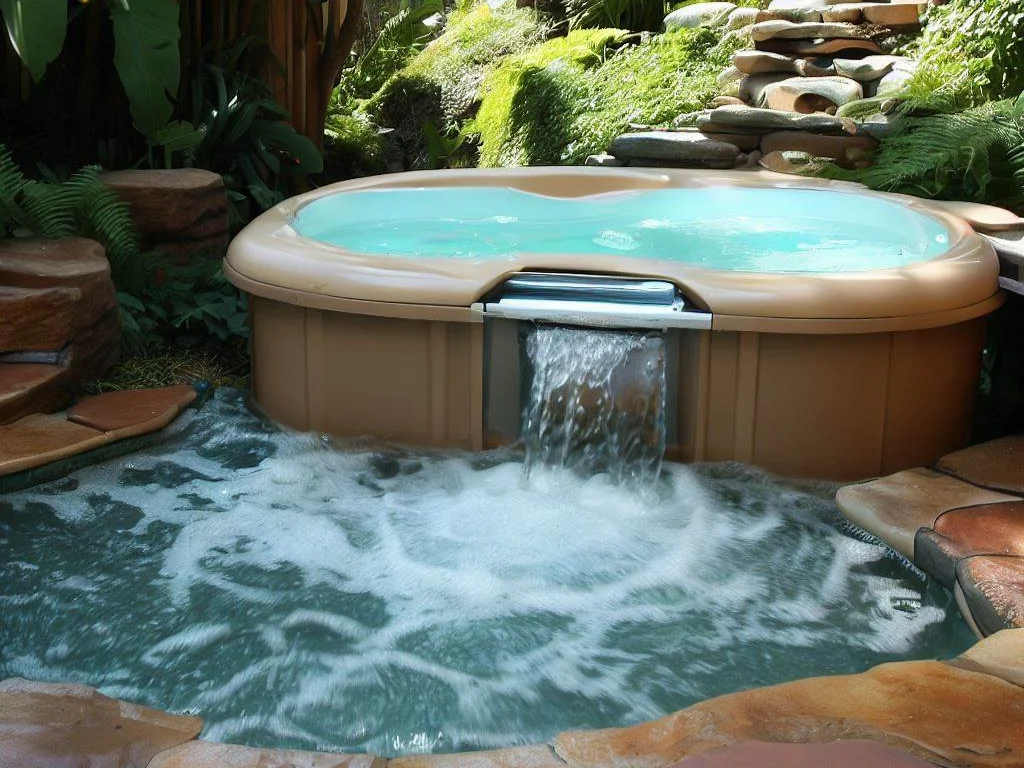
Small Pool and Hot Tub Combo: Types, Costs & Space Planning

A small pool hot tub combo can give you room to exercise, cool off, and soak without building a full-size pool—but “combo” can mean very different setups. Before choosing a design, find out whether the pool and spa share water, whether they can hold different temperatures, and what the installation needs around the unit. Those details affect comfort, space, cost, and upkeep more than the label does.
This guide compares the main combo types, explains the trade-offs buyers often discover too late, and gives you a checklist to use before requesting a quote.
What counts as a small pool and hot tub combo?
Retailers use “pool and hot tub combo” for several arrangements. The most important question is whether the swimming area and soaking area are physically and hydraulically separate. A single body of water generally has one set temperature; it cannot stay cool for exercise and hot for soaking at the same time.
1. Dual-zone swim spa
A dual-zone swim spa puts a swim or exercise area and a separate spa section in one long cabinet, with independent temperature control on models designed for two water zones. It saves some footprint compared with two separate installations, but it is not necessarily “small”: for example, one current Endless Pools dual-temperature model is listed at 20 feet long. Check the exact model dimensions, water-zone sizes, and service clearances rather than relying on the product category. See the manufacturer’s dual-temperature example and specifications.
2. Pool with an attached or spillover spa
An in-ground pool can have a raised spa beside it, sometimes with water spilling into the pool. Ask whether the two sections share water and heating equipment. In a shared-water design, the system may not provide a truly hot spa beside a cooler pool; designs with separate water and equipment can offer separate temperatures but add complexity and cost.
3. Separate compact pool and hot tub
A small plunge pool and a stand-alone hot tub sit next to each other but remain independent. This gives you more flexibility to choose each unit’s size and temperature, and either system can potentially be serviced without taking the other out of use. The trade-off is that you need room, access, and a budget for two installations. For a related design comparison, see our plunge pool hot tub combo guide.
Which setup is right for your yard?
| Setup | Best fit | Check before buying |
|---|---|---|
| Dual-zone swim spa | You want exercise and a hot soak in one integrated unit | Actual swim length, spa-seat capacity, separate water zones, delivery route, and equipment access |
| Attached pool and spa | You want a built-in look and a permanent backyard feature | Whether water and heating are shared; excavation, drainage, permits, and service access |
| Separate compact pool and hot tub | You want independent sizing, temperatures, and operation | Total footprint, two sets of equipment, utility needs, and ongoing maintenance |
If your main goal is lounging with family, prioritize comfortable seating and safe entry over swim-current power. If you want regular exercise, try the current in person if possible: swimming against a current takes practice and does not feel exactly like swimming laps in a conventional pool. Ask how much uninterrupted swim area remains after seats and steps are included.
Measure the whole installation—not just the water vessel
A common planning mistake is measuring only the shell. Draw the full layout to scale and include the cover as it opens, steps or a lift, a non-slip walking path, the equipment/service side, and room for people to get in and out. Confirm the manufacturer’s required clearances; do not assume the unit can be boxed tightly into a deck or fence.
- Check delivery access: measure gates, turns, overhead obstructions, and the route from the street. Ask the dealer whether a crane or special delivery is needed and price it before ordering.
- Confirm the base: a filled swim spa or pool is extremely heavy. Have the manufacturer and a qualified site professional confirm the required slab or support for your soil, structure, and model before installation.
- Plan utilities: ask for the exact electrical load, disconnect and circuit requirements, plumbing needs, drainage plan, and equipment-pad dimensions. Use qualified, appropriately licensed trades for electrical and structural work.
- Check local rules first: ask your local building department about permits, setbacks, barriers, covers, and electrical requirements. Requirements vary by location and installation type.
For more ideas on fitting a spa into a tight yard, browse our small backyard hot tub layout guide. If you are leaning toward a plunge pool, our step-by-step plunge pool installation guide covers the project sequence.
Budget for the installed project and the ongoing use
There is no dependable one-price answer for a small pool hot tub combo. A portable factory-built unit, a dual-zone spa, and a custom in-ground pool with an attached spa are different projects. A showroom or online unit price may exclude delivery, site preparation, electrical work, excavation, crane access, decking, drainage, fencing, permits, and landscaping.
Ask each bidder for an itemized, installed quote that includes the same scope. Also ask what is excluded, how warranty service works in your area, and what routine service, replacement filters, water care, and winterization will cost. Compare projected electricity use using the model’s insulation, cover, heater, pump schedule, local energy rate, and your climate; generic monthly estimates can be misleading.
A combo is not automatically cheaper to own. One integrated shell may save yard space, but dual-zone equipment can still have multiple pumps, heaters, and water-care needs. A shared-water setup may be simpler in some respects, but it can limit temperature choice. For an in-ground spa cost breakdown, see our guide to inground hot tub costs.
Maintenance and safety questions buyers should ask
Find out whether each section has its own filter, pump, heater, and water-care routine. In a dual-zone unit, ask the dealer to show you how each zone is tested and maintained. Follow the owner’s manual for cleaning, water balance, filter care, and winter operation; do not drain a system for freezing weather unless the manufacturer’s instructions or a qualified service technician say how to protect every line and component.
Make a safety plan before installation, especially if children or guests may use the area. Pool and spa barriers, gates, covers, alarms, and supervision all matter. CPSC guidance explains residential pool-barrier considerations and advises owners to check local code requirements; use the rules that apply where you live, not a generic online measurement. Read CPSC’s home pool and spa barrier guidance.
Questions to take to a dealer or installer
- Are the swim and spa sections separate bodies of water, and can they hold different temperatures simultaneously?
- What are the exact dimensions, water capacity, swim-area length, seat count, and manufacturer-required clearances?
- What does the installed quote include—and what are likely extra charges for delivery, crane access, base, wiring, drainage, permits, cover, and decking?
- What electrical service and structural support does this specific model require?
- What is the recommended water-care and winter procedure, and can each system be serviced independently?
- What barriers, gates, covers, and permits does my local authority require?
Frequently asked questions
Can a pool and hot tub in one combo have different temperatures?
Only if the design has genuinely separate water zones and independent temperature control. A shared-water pool and spillover spa usually operate as one connected water system, so confirm the plumbing and controls with the manufacturer rather than assuming the spa can stay hot while the pool stays cool.
Is a swim spa the same as a small pool hot tub combo?
Not always. Some swim spas are one-temperature exercise pools; some include a distinct spa zone with seats and jets; and some offer separate temperatures. Verify that the specific model has the features you want.
How much space does a combo need?
It depends on the model and layout. Measure the unit plus cover movement, steps, safe circulation space, equipment access, and the delivery path. A long dual-zone model can be around 20 feet in length, so “compact” does not necessarily mean small-yard ready.
Is one combo cheaper than buying a pool and hot tub separately?
It can reduce duplicated space or some construction work, but savings are not guaranteed. Compare itemized installed quotes and estimated operating costs for the same capacities and features. Site access, excavation, electrical upgrades, and equipment design can change the total substantially.
Can I put a swim spa on a deck or patio?
Only after a qualified professional confirms that the structure can support the filled unit, occupants, and any required equipment. Get the model’s filled weight and the manufacturer’s foundation requirements before you design or reinforce a deck.
What should I compare before choosing a combo?
Compare water-zone separation, temperature control, usable swim length, seating, total installed price, delivery access, electrical and foundation needs, service access, warranty support, and local safety requirements. A dealer demonstration and a written site assessment can reveal trade-offs that a product photo cannot.
Bottom line
The best small pool hot tub combo is the one that matches how you will actually use it and fits your site after installation and access needs are included. Decide first whether you need two temperatures, then compare dual-zone swim spas, attached pool-and-spa designs, and separate compact units on an itemized installed basis. Confirm the base, delivery route, utilities, maintenance plan, and local safety requirements before you commit.



7 Comments
Comments are closed.