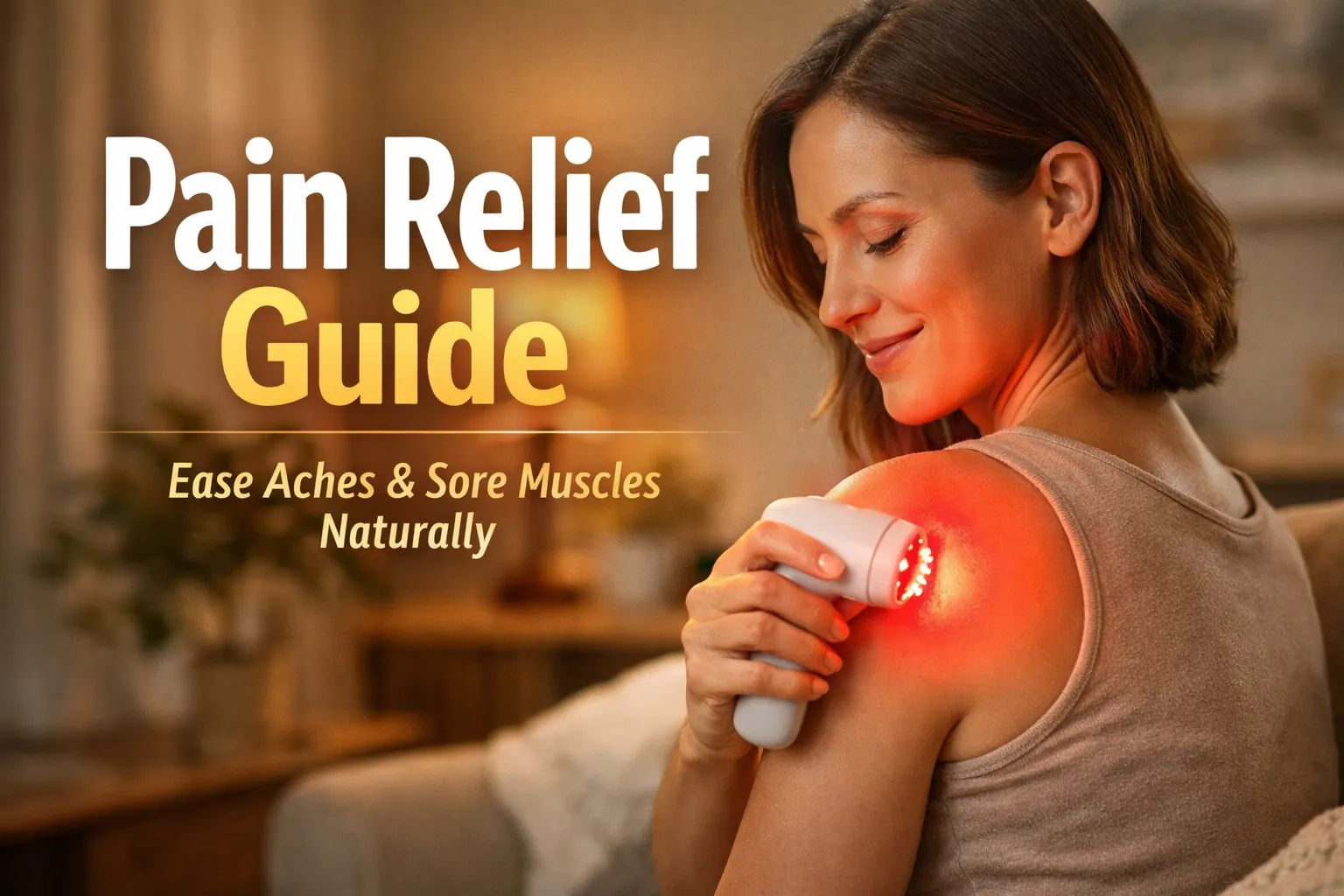
Red Light Therapy for Pain Relief: Beginner’s Guide

If you’re dealing with constant aches, sore muscles, or stubborn joint pain, you’ve probably tried a few things that didn’t really stick. That’s where red light therapy comes in. It’s getting popular because it’s simple, non-invasive, and doesn’t rely on medication.
In this guide, you’ll learn what red light therapy is, how it actually works, and how to use it safely for pain relief at home.
What Is Red Light Therapy?
Red light therapy, often called RLT, is a type of light-based treatment that uses low-level red wavelengths to reach beneath your skin.
You might also hear it called:
- low-level light therapy (LLLT)
- photobiomodulation
- biostimulation
It’s been used for things like skin health, wound healing, and more recently, pain management.
From a practical standpoint, it’s basically using targeted light to help your body recover faster.

Viconor Red Light Therapy Lamp (660nm + 850nm)
A popular home-use red light therapy device designed for both face and body. It combines visible red light and infrared light for deeper tissue support and skin benefits.
- 120 LEDs with 660nm + 850nm wavelengths
- Adjustable stand with 180° angle flexibility
- Great for skin care, joints, and muscle recovery
- Compact design for home use or small spaces
- Use 15–30 minutes daily for best results
💰 Price: $67.99 (was $89.99)
👉 Check Price on AmazonDisclaimer: This post contains affiliate links. If you purchase through these links, we may earn a small commission at no extra cost to you.
What is Red Light Therapy?
Red light therapy (RLT) is a form of phototherapy that uses low-level red wavelengths of light to penetrate the skin’s surface. It’s also known as low-level light therapy (LLLT), biostimulation, or photobiomodulation. RLT has been used for various purposes, including wound healing, skin rejuvenation, and pain relief.

How Red Light Therapy Works
Here’s the simple version.
When red light hits your skin, it goes deep enough to reach your cells. Inside those cells are mitochondria, which are like tiny energy factories.
What usually happens is:
- the light boosts cellular energy production
- cells repair and regenerate more efficiently
- inflammation starts to decrease
That extra energy helps your body do what it already does, just faster.
Many people notice that after a few sessions, the treated area feels less stiff and more relaxed.

Why Red Light Therapy Helps With Pain
Red light therapy isn’t just about feeling warm, it actually supports how your body heals.
Key benefits for pain relief
- Reduces inflammation
Swelling is one of the biggest causes of pain. RLT helps calm it down. - Improves blood flow
Better circulation means more oxygen and nutrients reach injured areas. - Supports tissue repair
This is especially helpful for muscle strains or joint discomfort. - Relieves muscle soreness
Many people use it after workouts for faster recovery.
If you’re already exploring heat-based recovery methods like sauna benefits and usage, red light therapy fits into a similar recovery routine, just without intense heat.
Who Can Benefit From Red Light Therapy?
This is where it gets interesting. It’s not just for one type of person.
RLT can help:
- athletes dealing with muscle soreness
- people with chronic pain conditions
- those recovering from injuries
- individuals who can’t tolerate medication side effects
Many first-time users are surprised at how gentle it feels compared to other treatments.
Are There Any Risks or Side Effects?
Red light therapy is generally safe, but it’s not completely risk-free.
Here’s what to watch for:
- Eye exposure
Never shine the light directly into your eyes. - Mild skin irritation
Some people notice slight redness at first. - Heat sensitivity
The treated area may feel warm, which is normal.
A common mistake beginners make is overusing the device, thinking more time equals better results. It doesn’t. Stick to recommended sessions.
If you’re already following general sauna safety tips, the same idea applies here, moderation and awareness matter.
How to Use Red Light Therapy for Pain Relief
Getting started is pretty straightforward.
Step-by-step process
- Choose the area you want to treat
- Position the device close to your skin
- Use it for the recommended time, usually 5 to 20 minutes
- Repeat consistently, a few times per week
In real use, consistency matters more than intensity.
Many users notice better results after a couple of weeks rather than after one session.
What a Session Feels Like
If you’ve never tried it before, it’s pretty simple.
During a session:
- you’ll feel gentle warmth on your skin
- there’s no pain or burning sensation
- some people feel slight tingling
Most first-time users expect something intense, but it’s actually very calm and relaxing.
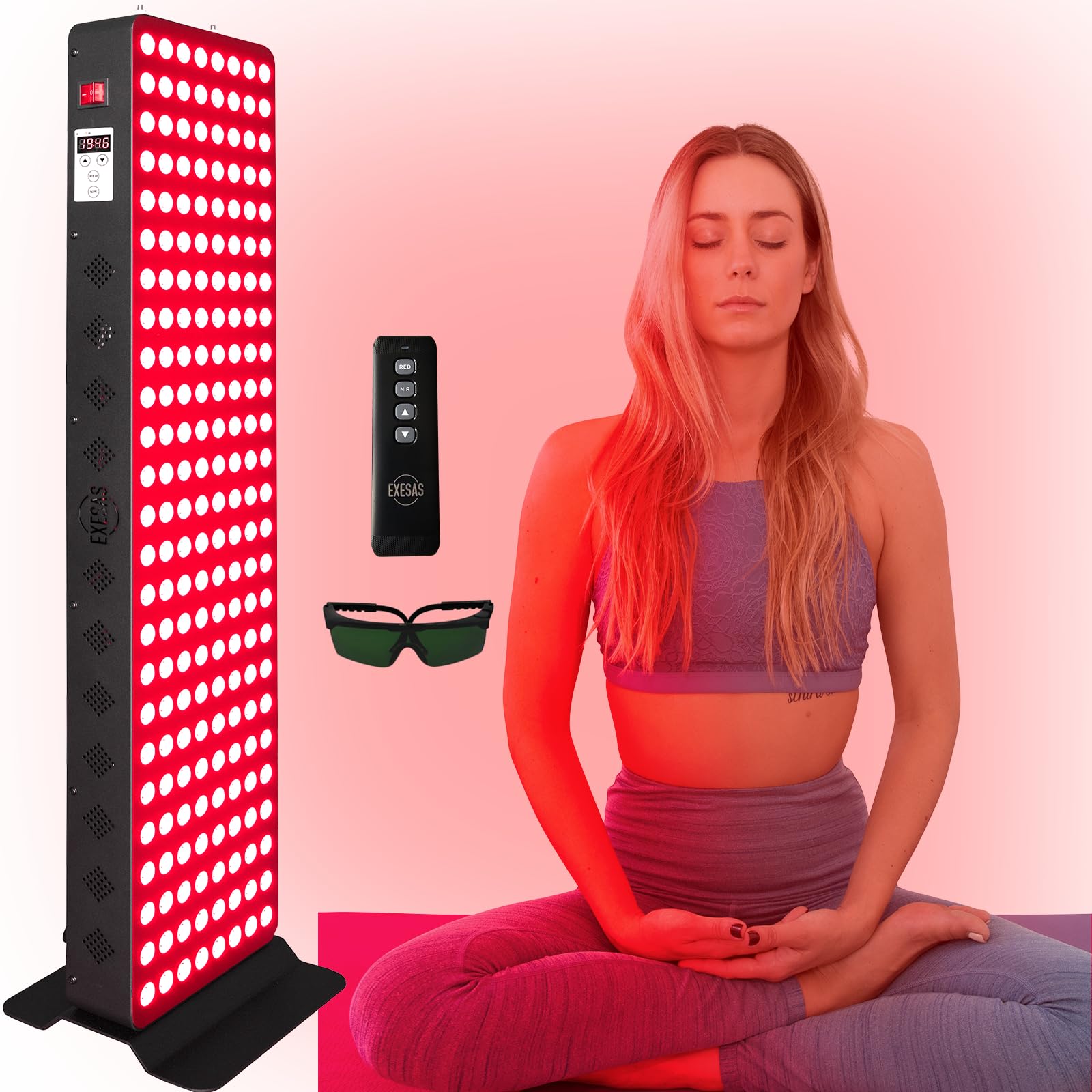
EXESAS Full Body Red Light Therapy Panel (1000W, 200 LEDs)
A powerful clinical-grade red light therapy panel designed for full-body use. Ideal for deeper recovery, skin improvement, and consistent at-home wellness routines.
- Multi-wavelength: 630nm, 660nm, 810nm & 850nm
- 200 dual-chip LEDs for strong light output
- Full-body coverage for faster sessions
- Supports muscle recovery, skin health, and circulation
- Clinic-style results at home
💰 Price: $529.00
👉 View on AmazonDisclaimer: This post contains affiliate links. If you purchase through these links, we may earn a small commission at no extra cost to you.
Types of Red Light Therapy Devices
There are 5 options depending on your needs and budget.
1. Handheld devices
- small and portable
- great for targeted pain areas
- affordable and beginner-friendly
2. Panel devices
- cover larger areas
- often used in clinics
- more powerful than handheld options
3. Full-body systems
- designed for total body exposure
- usually found in wellness centers
- very expensive
4. Face masks
- mostly for skin treatments
- can help with mild inflammation
5. Bulbs and tubes
- flexible for different setups
- often used for localized treatment
One thing people often overlook is choosing the right size. If you’re treating back pain, a tiny handheld device can take forever.
How to Choose the Right Device
Not all devices are equal, so it’s worth paying attention here.
Look for:
- Wavelength range
Typically between 600–900 nm for effective penetration - Power output
Higher output usually means deeper treatment - Coverage area
Match it to your needs - Portability
Useful if you plan to move it around
Also, check real user reviews before buying.
Safety Tips for Home Use
Using RLT at home is convenient, but you still need to be careful.
Simple safety tips
- don’t overuse the device
- avoid direct eye exposure
- follow manufacturer instructions
- stay consistent instead of increasing intensity
The easiest way to stay safe is to treat it like a routine, not a quick fix.
Red Light Therapy vs Other Pain Relief Options
Here’s how it compares to other common treatments:
| Treatment | How It Works | Invasiveness | Side Effects | Effectiveness |
|---|---|---|---|---|
| Red Light Therapy | Stimulates cellular repair | Non-invasive | Minimal | Effective for many types of pain |
| Medications | Blocks pain signals or reduces inflammation | Low to moderate | Possible side effects | Varies |
| Physical Therapy | Strengthens and improves movement | Non-invasive | Mild soreness | Very effective for specific cases |
| Acupuncture | Stimulates pressure points | Non-invasive | Minor discomfort | Works for some conditions |
It’s not about replacing everything else. Many people combine methods.
For example, pairing light therapy with heat recovery like infrared sauna benefits can create a more complete recovery routine.
Common Mistakes to Avoid
A few things trip people up early on.
- using the device too long
- expecting instant results
- inconsistent sessions
- buying low-quality devices
Over time, most users realize consistency beats intensity every time.
FAQs:
Can I use red light therapy every day?
Yes, but stick to recommended session times and avoid overuse.
Do I need to wear eye protection?
Yes, especially if the light is near your face.
Is it okay to combine RLT with other treatments?
Yes, many people combine it with physical therapy or heat-based recovery.
What’s the best way to see results faster?
Stay consistent with sessions and follow proper timing guidelines.
Can I use red light therapy for all types of pain?
It helps many conditions, but results vary depending on the cause of pain.