How to Get Sand Out of a Hot Tub: 5 Safe Methods

The easiest way to get sand out of a hot tub is to turn off the jets, let the grit settle, and remove it with a self-contained spa vacuum, turkey baster, or water-primed siphon. If there is a heavy layer of sand across the floor, draining and rinsing the spa is usually faster than trying to pick it up a little at a time.
Before you start, make sure the material is actually sand. White or chalky grit can be calcium scale or another water-balance problem, and vacuuming it out without correcting the cause may only give you a temporary fix.
First, Make Sure It Is Actually Sand
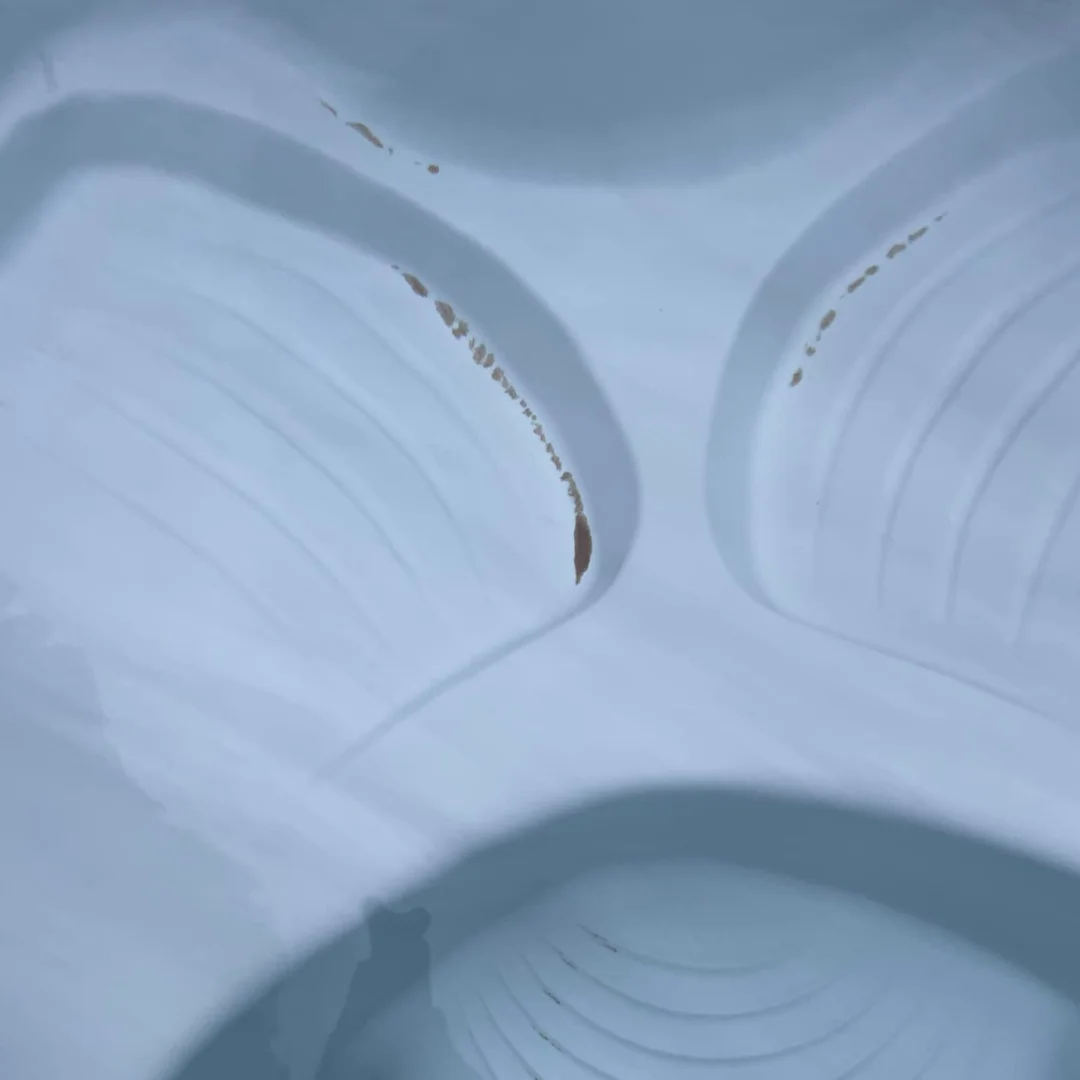
Loose grit on the bottom can come from feet, sandals, landscaping dust, wind, construction, or trips to the beach. But not every grainy deposit is ordinary sand.
| What you see | What it may be | Best next step |
|---|---|---|
| Tan or brown loose grit after beach or yard use | Sand or dirt | Vacuum or siphon it out |
| Small piles in the footwell or corners | Tracked-in sand or sediment | Turkey baster or spa vacuum |
| White chalky particles | Possible calcium scale | Check water balance and calcium |
| Shell feels rough like sandpaper | Possible scale buildup | Treat the scale problem rather than only vacuuming |
| White flakes keep returning | Possible calcium or other buildup | Diagnose the source before repeated cleaning |
If the debris is white rather than ordinary dirt or beach sand, compare it with our guide to white flakes in a hot tub or the steps for removing calcium flakes.
Before You Remove Sand, Let It Settle
Sand is much easier to remove when it is sitting in one place. Turn off the jets and air controls and wait until the visible grit settles to the floor, seats, or corners.
Avoid stirring the sand around on purpose. For most spas, it is more efficient to physically remove visible piles than to push them toward the suction fittings and rely on the filter to catch everything.
Method 1: Use a Self-Contained Manual Spa Vacuum
A manual spa vacuum is the best all-around choice for visible sand because it collects the debris instead of intentionally sending it through the hot tub circulation system. It is especially useful when sand is spread across the footwell rather than gathered in one small pile.
Current manual spa vacuums are designed specifically for small bodies of water. Beachcomber, for example, describes its Spa Vac as a manual unit that picks up sand, pebbles, and other debris into a removable chamber without electrical power.
- Turn the jets off and allow the sand to settle.
- Prime or operate the vacuum according to its instructions.
- Move slowly over the sand so you do not scatter it.
- Empty the debris chamber away from the spa.
- Repeat until the floor is clean.
If you are choosing a tool rather than improvising one, compare the options in our spa vacuum cleaner guide. Our hot tub cleaning tools guide also covers other useful maintenance equipment.
Example source: Beachcomber Spa Vac.
Method 2: Use a Turkey Baster for Small Piles
A clean turkey baster works well when there are only a few small piles of sand in corners, seats, or the footwell. It is slow for a large cleanup, but it gives you precise control and removes the grit from the water instead of redistributing it.
- Use a baster that has never held food grease, cleaners, or other residues.
- Squeeze the bulb before placing the tip beside the sand.
- Release the bulb slowly to pull in the grit and a small amount of water.
- Lift it out and empty it into a bucket.
- Repeat until the small piles are gone.
This method is best after one sandy soak or when only a handful of grains have collected. If you are spending more time emptying the baster than cleaning, move up to a spa vacuum or siphon.
Method 3: Use Vinyl Tubing as a Water-Primed Siphon
A small vinyl tube can siphon sand and water out of the spa at the same time, but start the siphon with water, not your mouth. This is a useful low-cost method when the tub is raised high enough for the discharge end of the tube to stay below the hot tub water level.
- Use clean flexible tubing long enough to reach from the spa to a lower drain or bucket.
- Submerge the tubing completely until it fills with water and the air is displaced.
- Cover both ends with your fingers while keeping the tube full.
- Place the outlet end below the spa water level and release it.
- Release the spa end near the settled sand and guide it slowly over the grit.
- Stop when the sand is gone or before the water level drops too far.
Never start a hot tub siphon by sucking on the hose. Priming it with clean water avoids putting hot tub water in or near your mouth.
Method 4: Use a Hand-Powered Siphon Vacuum
A hand-powered siphon vacuum is useful when you want stronger suction than a baster but still want the debris sent directly to waste. Some hot tub-specific tools start their siphon by shaking or pumping the unit in the water, so there is no need for mouth suction or an electrical connection.
Beachcomber’s current Quick Vac, for example, is hand powered and designed to pick up sand and small debris to waste. This type of tool is useful for repeated sandy-foot problems because it removes both the grit and a small amount of water in one pass.
Example source: Beachcomber Quick Vac.
Method 5: Drain and Rinse When There Is Too Much Sand
If there is a heavy layer of sand across the shell, draining the spa is often more practical than repeatedly vacuuming small amounts. This is especially true after landscaping work, a storm, construction dust, or repeated beach use.
- Follow the manufacturer’s shutdown procedure before draining.
- Drain the water to an appropriate location.
- Rinse loose sand toward the drain or collect it with a wet sponge or manual vacuum.
- Wipe the shell with a spa-safe cleaner if needed.
- Inspect the filter before refilling.
- Refill and rebalance the water according to your spa instructions.
For the full process, follow our guides to draining a hot tub and refilling a hot tub.
Should You Use the Hot Tub Filter to Remove Sand?
Let the filter handle fine suspended debris, but physically remove visible piles of sand first. Pushing a pile around with a water gun or running the jets just to move it toward the filter usually creates more work and can load the cartridge with grit.
After you finish removing the sand, inspect and rinse the cartridge because some fine particles may already be trapped in it. Our hot tub filter cleaning guide covers the full rinse and deep-clean process.
Methods to Avoid
Some shortcuts create more risk than value.
- Do not use a plugged-in hair dryer near the hot tub. The U.S. Consumer Product Safety Commission warns that a plugged-in hair dryer can cause electrocution if it contacts bath or tub water.
- Do not start a siphon with your mouth. Prime the tubing with water instead.
- Do not blast settled sand around with the jets. Remove visible grit rather than scattering it.
- Do not connect a pool vacuum to spa plumbing unless the manufacturer specifically supports that setup. Hot tub fittings and circulation systems are not all designed for pool-vacuum hoses.
Electrical safety source: CPSC hair dryer safety warning.
Why Does Sand Keep Coming Back?
If you clean the spa and see grit again a few days later, look for the source instead of repeating the same cleanup.
- Beach sand on feet, towels, or swimsuits
- Dirty sandals or bare feet from the yard
- Paver dust, loose gravel, or landscaping around the spa
- Windblown dirt when the cover is open
- Sediment trapped around seats, steps, or filter compartments
- White mineral deposits being mistaken for sand
Pay attention to when the grit reappears. If it returns immediately after a refill even though nobody has used the spa, inspect low spots, plumbing-adjacent areas, and the filter compartment for material that was not removed during the drain.
How to Keep Sand Out of Your Hot Tub
- Rinse feet before entering.
- Keep a small foot-rinse tub beside the spa when sand is a recurring problem.
- Use clean spa-only sandals between the house and hot tub.
- Sweep or rinse nearby decking and pavers.
- Keep the cover closed when the spa is not in use.
- Remove small deposits before they turn into a full cleanup job.
Frequently Asked Questions
How do you get sand out of a hot tub without draining it?
Turn off the jets, let the sand settle, and remove it with a manual spa vacuum, turkey baster, or water-primed siphon. These methods remove the grit without requiring a full drain.
Can I vacuum sand out of my hot tub?
Yes. A self-contained manual spa vacuum is one of the easiest ways to remove sand because it collects the debris instead of intentionally routing it through the spa’s circulation system.
Can I use a turkey baster to remove sand?
Yes, for small piles. A clean turkey baster works well for corners and the footwell, but it becomes slow when sand is spread across a large area.
How do I start a hot tub siphon without using my mouth?
Submerge the tubing completely so it fills with water, cover both ends, move the outlet end below the spa water level, and release it. Gravity will continue the flow once the siphon starts.
Why is there white sand in my hot tub?
White gritty material may not be ordinary sand. Calcium scale or other mineral deposits can look and feel grainy, so check water balance if white grit or flakes keep returning.
Should I clean the filter after removing sand?
Yes. Fine grit may already be trapped in the cartridge even if you removed the visible piles manually, so rinse and inspect the filter after cleanup.
When should I drain the hot tub instead of vacuuming?
Drain when sand covers a large part of the shell, keeps hiding in multiple areas, or would take repeated vacuuming to remove. A drain, rinse, filter check, and refill can be faster for a heavy contamination event.
Bottom Line
For most hot tubs, the safest way to remove sand is to let it settle and physically take it out with a manual spa vacuum, baster, or water-primed siphon. If the deposit is white, rough, or keeps returning, check whether you are dealing with calcium rather than ordinary sand. Skip electrical appliances and mouth-started siphons, clean the filter afterward, and drain the spa when the amount of grit is too large for spot cleaning.