
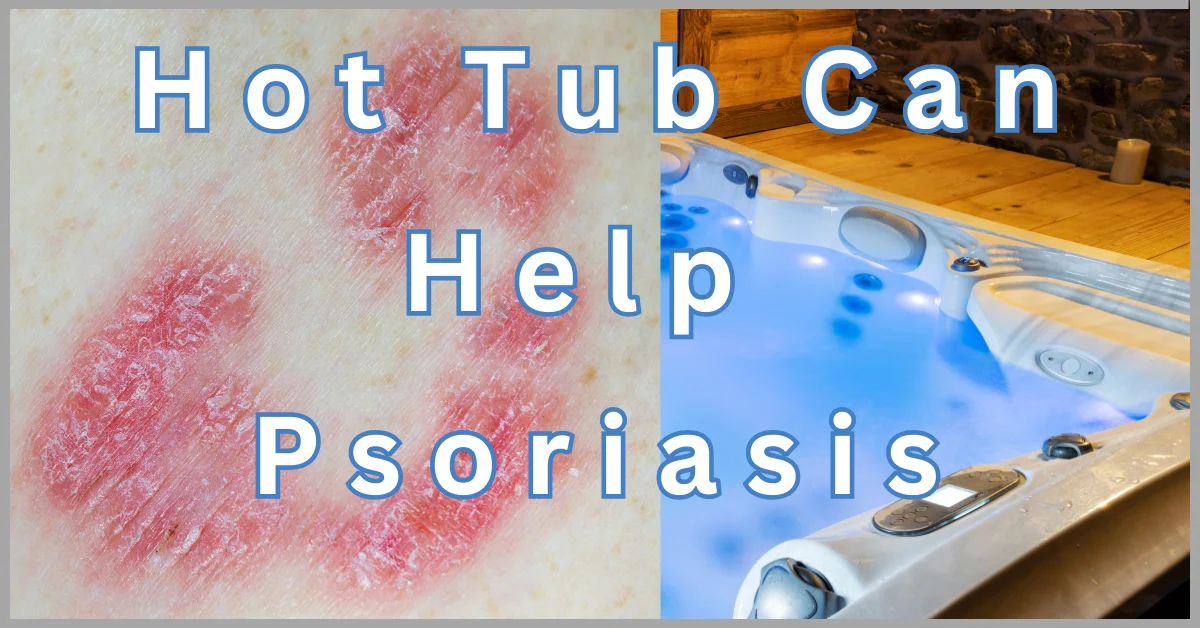
Can Hot Tubs Help Psoriasis? Risks, Safer Soaking & Skin-Care Tips

A hot tub is not a psoriasis treatment, and it can make symptoms worse for some people. Heat, long soaking, and disinfectants can dry or irritate already sensitive skin. A brief, comfortable soak may feel relaxing for some adults, but it does not treat psoriasis or replace a dermatologist’s treatment plan.
The key distinction is temperature: dermatologists commonly recommend warm, not hot, bathing for psoriasis. Because hot tubs are normally kept hotter than a standard warm bath, they are not automatically psoriasis-friendly. If you are considering using one, speak with your dermatologist first—especially if your psoriasis is flaring, painful, cracked, or infected.
Can hot tubs help psoriasis?
They may provide temporary relaxation or ease general muscle stiffness, but there is no good reason to think that a typical hot tub clears psoriasis plaques or slows the disease. In fact, hot water can strip moisture from the skin and trigger more dryness, itching, and irritation. What feels soothing during a soak can sometimes be followed by a flare afterward.
Why hot tubs can worsen psoriasis
- Heat can dry the skin. Psoriasis already weakens the skin barrier. Hot water and long soaking can increase dryness and itch.
- Disinfectants can sting or irritate. Chlorine and bromine are necessary for safer hot-tub water, but some people with sensitive or broken skin find them irritating.
- Germs are a concern in poorly maintained water. Hot-tub water can spread skin infections, including hot-tub folliculitis. Avoid a tub that looks cloudy, has a strong chemical smell, or is not being properly maintained.
- Scratching and friction can aggravate plaques. Jets, rough towels, loofahs, and scrubbing can irritate affected skin.
If your clinician says a hot tub is okay
Use the most conservative approach and stop if your skin stings, burns, becomes redder, or feels itchier afterward. These steps can reduce avoidable irritation:
- Keep the water comfortably warm rather than hot; do not try to use a hot tub as a substitute for a warm psoriasis bath.
- Keep the soak brief and leave at the first sign of discomfort.
- Use only a clean, well-maintained tub with appropriate disinfectant and pH levels.
- Rinse with fresh lukewarm water afterward, then gently pat—not rub—your skin dry.
- Apply a fragrance-free, thick cream or ointment while your skin is still slightly damp. The American Academy of Dermatology recommends moisturizing within five minutes after bathing.
Do not add Epsom salt, oils, oatmeal, or bath products to a hot tub
Some psoriasis bath routines use products such as salts or oatmeal in an ordinary bathtub. That does not mean they belong in a hot tub. These products can disrupt water chemistry, clog filters, create foam, or make sanitation harder. They can also worsen irritation for some people. Keep any dermatologist-recommended bath additive for a regular bath, not a shared or recirculating spa.
When to skip the hot tub
- Your plaques are cracked, bleeding, weeping, very painful, or showing signs of infection.
- You have a new unexplained rash, open skin, or a recent skin infection.
- The tub’s water quality is uncertain, cloudy, has a strong odor, or has not been recently tested and maintained.
- Heat has triggered itching, redness, dizziness, or worsening plaques in the past.
Psoriasis and psoriatic arthritis: an important difference
Warm water may feel good on stiff muscles and joints, but that is not the same as treating psoriatic arthritis. New joint pain, swelling, morning stiffness, heel pain, or a swollen finger or toe deserves medical attention. Early treatment for psoriatic arthritis can help protect joints.
A safer bathing routine for psoriasis
For many people, a short warm bath or shower is a lower-risk choice than a hot tub. Avoid hot water and harsh scrubs, use a gentle fragrance-free cleanser, pat dry, and moisturize promptly. Discuss any medicated cleanser, scale softener, or bath additive with your dermatologist so it fits your treatment plan.
Frequently asked questions
Does chlorine make psoriasis worse?
It can irritate or dry some people’s skin, but reactions vary. Do not stop disinfection in a hot tub—untreated water creates a different health risk. Instead, avoid the tub if it irritates you, rinse afterward, moisturize, and discuss persistent reactions with a dermatologist.
Is a saltwater hot tub better for psoriasis?
Not necessarily. Saltwater hot tubs still use a sanitation system and can still be hot and drying. “Saltwater” does not mean chemical-free or risk-free for sensitive skin.
Can I use a hot tub during a psoriasis flare?
It is best to check with your dermatologist. Skip the tub if your skin is cracked, bleeding, painful, infected, or reacting badly to heat or disinfectants.
When to call a clinician
Contact a healthcare professional for rapidly worsening plaques, spreading redness or warmth, drainage or pus, fever, severe pain, a new rash after using a hot tub, or possible psoriatic arthritis symptoms. Seek urgent care for signs of a serious allergic reaction or infection.
Sources
- American Academy of Dermatology: 8 ways to stop baths and showers from worsening psoriasis
- American Academy of Dermatology: Non-prescription psoriasis treatments
- National Psoriasis Foundation: OTC topicals and bath guidance
- MedlinePlus: Hot tub folliculitis