

Annual Cost of a Hot Tub: Real Costs + How to Save Money

If you’re thinking about getting a hot tub, or already have one, you’ve probably asked yourself, “How much does this actually cost per year?”
The good news is, it’s usually more affordable than people expect. But the real answer depends on how you use your hot tub, where you live, and how well you take care of it.
In this guide, I’ll walk you through the real annual cost of a hot tub, what drives those costs, and how you can keep your monthly bills under control without sacrificing your soak time.
What Is the Average Annual Cost of a Hot Tub?
Here’s the quick answer most people are looking for:
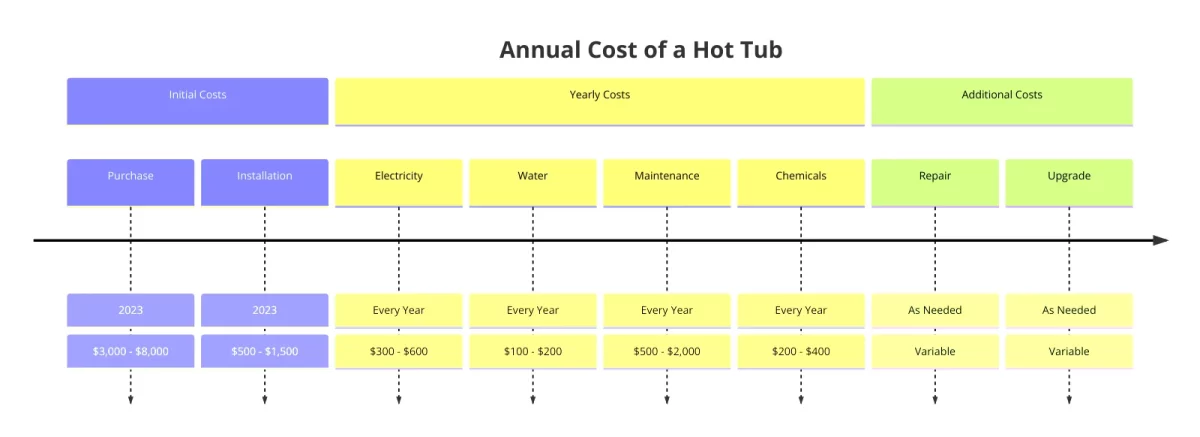
The average annual cost of a hot tub is between $500 and $1,000+, depending on usage, energy rates, and maintenance habits.
That range covers everything:
- Electricity
- Chemicals
- Water
- Basic repairs
Some owners stay closer to $500. Others, especially in colder climates or with heavy use, can go over $1,200 a year.
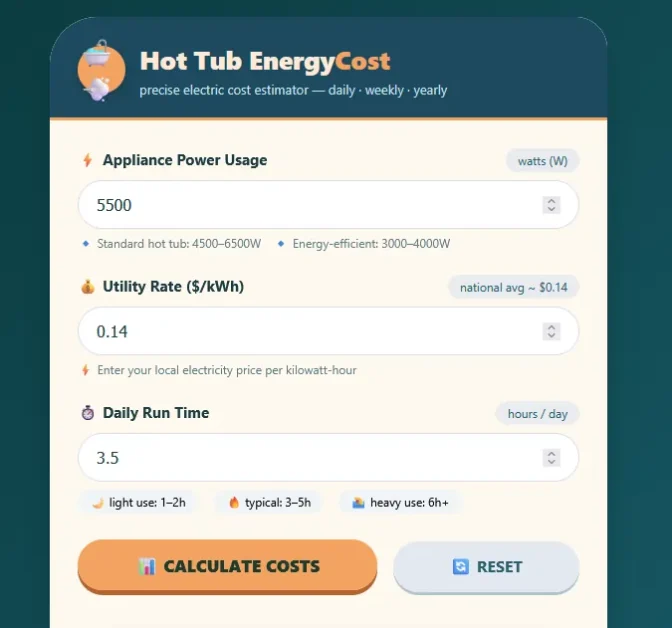
If you want a more precise estimate, you can use this hot tub running cost calculator to match your exact setup.
Hot Tub Cost Breakdown (What You Actually Pay For)
Let’s break this down so you know exactly where your money goes.
Electricity Costs (The Biggest Expense)
Electricity is the main cost driver for most hot tub owners.
Typical range:
- $20 to $50 per month
- Winter months can jump to $50 to $100+
Why it matters:
- Heating water takes the most energy
- Poor insulation makes your heater work overtime
- Cold weather increases heat loss
A well-insulated tub with a good cover can cut your energy costs significantly. If you're curious about reducing power use, check out these energy-efficient hot tub solutions.
Maintenance and Chemical Costs
Keeping your water clean isn’t optional, and skipping it usually costs more later.
Typical range:
- $20 to $30 per month
This includes:
- Sanitizers (chlorine or bromine)
- pH balancers
- Shock treatments
Why this matters:
If your water gets out of balance, you’ll deal with cloudy water, odors, or even equipment damage.
For a deeper dive, this hot tub water care guide breaks everything down in simple steps.d several thousand dollars to the overall cost.
Repairs and Replacement Costs
Some years you won’t spend anything. Other years, you might need a repair.
Typical range:
- $0 to $500+ annually
Common repairs include:
- Pump issues
- Heater replacements
- Minor leaks
Older hot tubs tend to cost more here, especially after the 5 to 7 year mark.
Water Usage Costs
This is the smallest expense, but still worth mentioning.
Typical range:
- $20 to $40 per year
Most hot tubs need to be drained and refilled every 3 to 4 months. The cost depends on your local water rates and tub size.
Initial Cost vs Annual Cost (What Most People Overlook)
A lot of people confuse the purchase price with the running cost.
Here’s the difference:
- Initial cost: $3,000 to $16,000+
- Annual cost: $500 to $1,000+
Installation can also add:
- Electrical work
- A solid base or pad
- Delivery setup
If you're still in the planning stage, this hot tub installation guide helps you understand what to expect upfront.
Monthly Hot Tub Cost (Simple Breakdown)
Let’s make this really simple.
Typical monthly costs:
- Electricity: $20 to $50
- Chemicals: $20 to $30
Total: $40 to $80 per month
In winter, you might see:
- $60 to $100+ monthly
That’s still comparable to things like:
- Gym memberships
- Streaming services + dining out
So it’s not cheap, but it’s not extreme either.
How Much Does a Hot Tub Cost in Winter?
Here’s the short answer:
Running a hot tub in winter usually costs $50 to $100 per month.
Why it goes up:
- Cold air pulls heat from the water faster
- The heater runs more often
- Wind exposure increases heat loss
If you live in a colder state, your setup matters a lot. Insulation, covers, and placement can make a huge difference.
For cold-weather tips, check out this guide on using a hot tub in winter.d frequently at high temperatures. Newer, energy-efficient models can help minimize electricity usage.
110V vs 220V Hot Tub Running Costs
This is something many new buyers don’t realize.
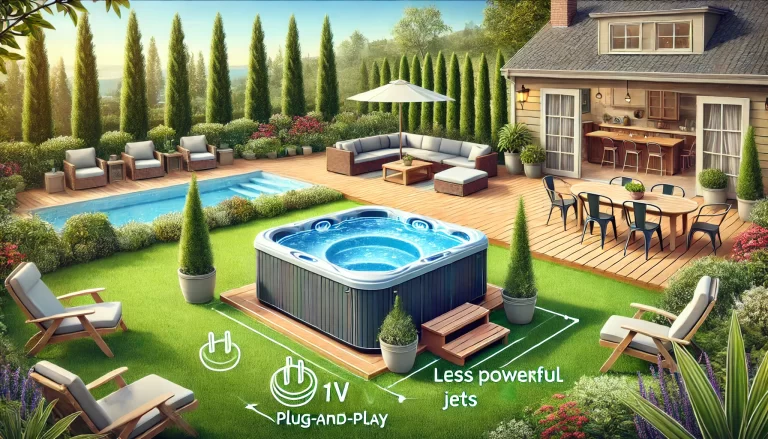
110V Hot Tubs
- Lower upfront cost
- Plug-and-play convenience
- Slower heating
- Higher long-term energy use
220V Hot Tubs
- Higher installation cost
- Heats faster
- More energy-efficient
In real life:
- 220V tubs often cost less to run over time
- 110V tubs are better for occasional use
Cost by Hot Tub Type (Inflatable vs Traditional)
Inflatable Hot Tub Costs
- Purchase: $300 to $1,000
- Lower upfront investment
- Higher heat loss
Good for:
- Occasional use
- Budget setups
If you’re considering one, this inflatable hot tub guide helps you decide if it’s right for you.
Hard-Shell Hot Tub Costs
- Higher upfront cost
- Better insulation
- Lower long-term energy bills
Better for:
- Frequent use
- Long-term investment
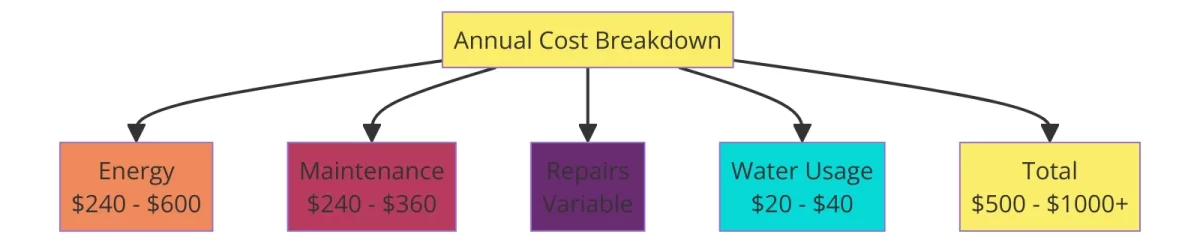
Real Example: Annual Cost Breakdown
Here’s what a typical year might look like:
| Expense | Annual Cost |
|---|---|
| Energy | $240 – $600 |
| Maintenance | $240 – $360 |
| Water | $20 – $40 |
| Repairs | Variable |
| Total | $500 – $1000+ |
This lines up closely with real-world usage data and gives you a solid baseline to plan around.
How to Reduce Your Hot Tub Running Costs
If you want to save money, this is where it really matters.
Use a High-Quality Cover
A good cover keeps heat in and reduces how often your heater runs.
Lower Temperature When Not in Use
Dropping the temperature by even a few degrees can cut energy costs.
Improve Insulation
Especially important if your tub is outdoors or exposed to wind.
Keep Water Balanced
Balanced water protects your equipment and prevents costly repairs.
If you want more practical ways to save, these energy and water saving tips for hot tubs are worth checking out.
Is a Hot Tub Expensive to Maintain?
Short answer, not really.
Most owners spend:
- $40 to $80 per month
When you compare that to:
- Gym memberships
- Weekend trips
- Entertainment costs
…it’s pretty reasonable for something you can use every day.
Should You Keep Your Hot Tub Running All the Time?
This is one of the most common questions.
Yes, in most cases it’s cheaper to keep your hot tub running.
Why:
- Reheating cold water uses more energy than maintaining heat
- Modern tubs are designed for constant temperature
But if you’re not using it for a while:
- Lower the temperature
- Use energy-saving mode if available
Pros and Cons of Hot Tub Ownership (Cost Perspective)
Pros
- Daily relaxation at home
- Improves lifestyle and stress relief
- Adds value to your backyard
Cons
- Ongoing monthly costs
- Regular maintenance required
- Occasional repairs
Best Way to Estimate Your Exact Hot Tub Cost
Every hot tub setup is different.
Your cost depends on:
- Local electricity rates
- How often you use it
- Tub size and insulation
For a personalized estimate, try this hot tub electricity usage calculator.
Common Mistakes That Increase Hot Tub Costs
A lot of extra expenses come from simple mistakes.
Avoid these:
- Leaving the cover off
- Ignoring water balance
- Running jets too often
- Skipping filter cleaning
These small habits can quietly double your costs over time.
Final Thoughts: Is a Hot Tub Worth the Cost?
For most people, yes.
A hot tub isn’t free to run, but it’s also not as expensive as it seems at first. Once you understand where the costs come from, you can control them pretty easily.
With the right setup and a few smart habits, you can keep your yearly costs low and enjoy your hot tub without stressing about your energy bill.
Frequently Asked Questions
How much does it cost per month to run a hot tub?
Most hot tubs cost between $40 and $80 per month, including electricity and chemicals.
Do hot tubs use a lot of electricity?
They can, especially older models, but modern energy-efficient tubs keep costs fairly low.
Is it cheaper to leave a hot tub on all the time?
Yes, maintaining a steady temperature usually uses less energy than reheating cold water.
How often should I change hot tub water?
You should drain and refill your hot tub every 3 to 4 months to keep water clean and balanced.
Are inflatable hot tubs cheaper to run?
They’re cheaper upfront, but often cost more in electricity due to lower insulation.




One Comment