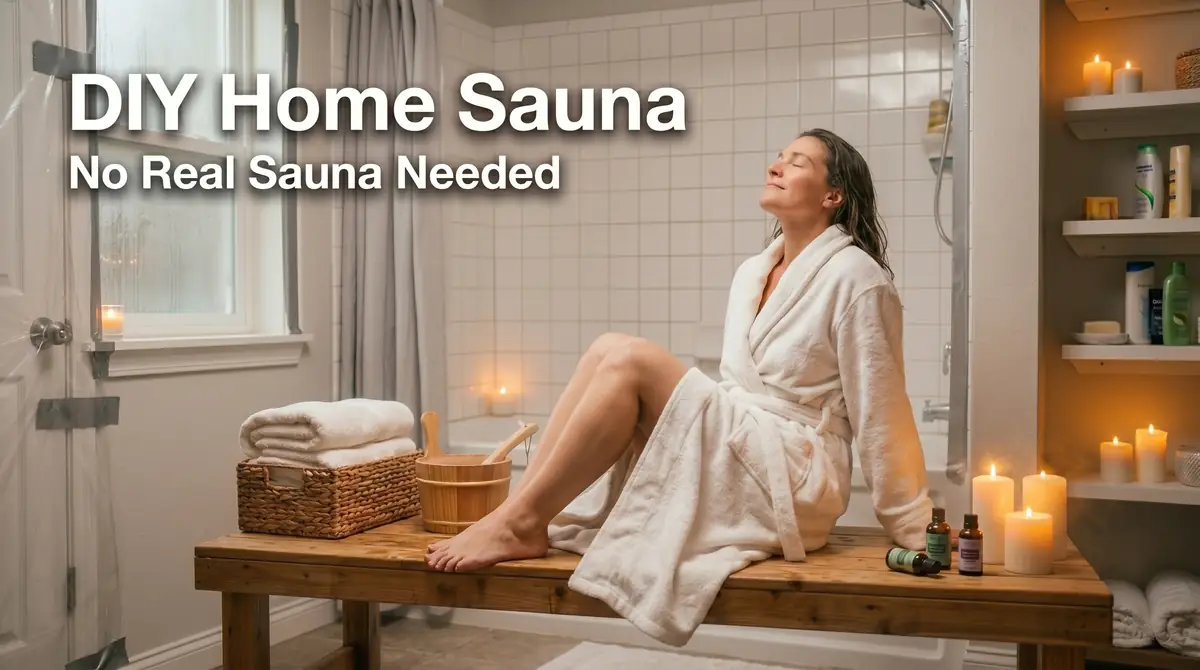
How to Create a DIY Home Sauna Experience Without a Sauna

Creating a DIY home sauna experience is a simple way to enjoy heat therapy, relaxation, and sweating without installing a full sauna system.
The best approach is starting safely, keeping expectations realistic, and building a comfortable routine that fits your space and budget. Many people begin with simple steam methods before deciding if a permanent sauna setup is worth the investment.

What Is a DIY Home Sauna?
A DIY Sauna Isn’t Always a Real Sauna
A DIY home sauna usually means creating a heat or steam therapy setup at home without installing a permanent traditional sauna.
Some people use:
- Hot showers
- Bathroom steam setups
- Sauna tents
- Portable infrared systems
- Steam generators
- Outdoor DIY sauna builds
Many beginners expect the heat to feel exactly like a Finnish sauna, but homemade setups usually create a milder experience.
Why People Create DIY Sauna Setups
Common reasons include:
- Lower cost
- Limited space
- Apartment living
- Trying sauna therapy before buying one
- Temporary wellness setup
If you eventually want a permanent setup, this guide to outdoor sauna ideas explains common home sauna options.
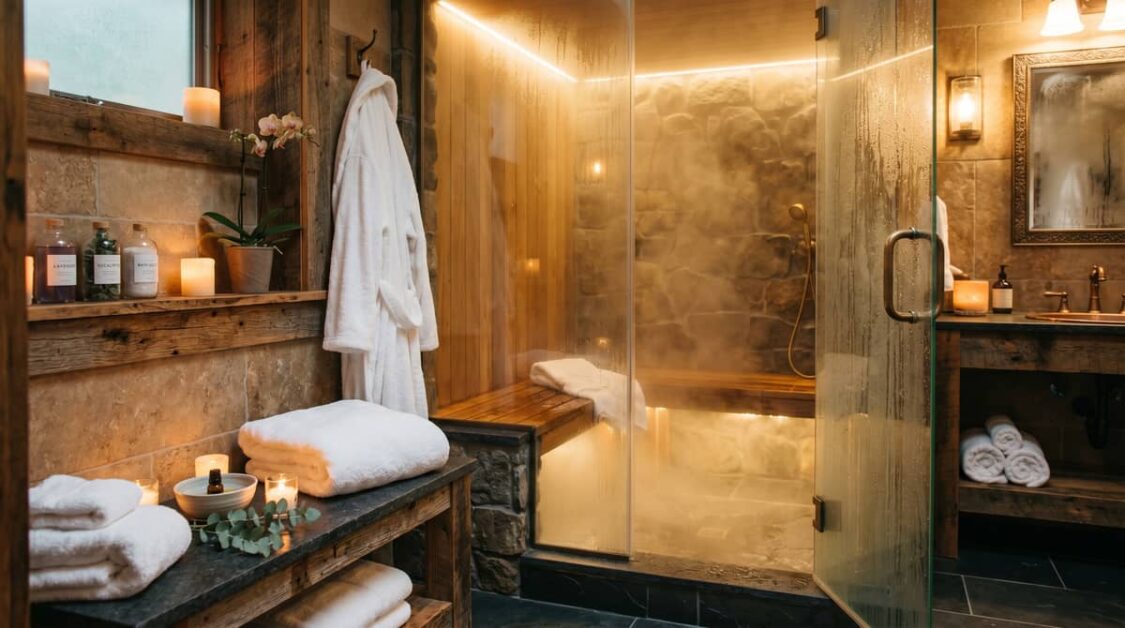
Can You Get Sauna Benefits Without a Real Sauna?
You can recreate some relaxation and sweating effects at home, especially with steam-based setups, but the experience usually feels different from a traditional dry sauna.
What DIY Sauna Setups May Help With
- Relaxation
- Temporary stress relief
- Sweating
- Warm muscle comfort
- Spa-like recovery routines
What DIY Setups Usually Cannot Replicate
- Extremely high sauna temperatures
- Long dry heat exposure
- Traditional Finnish sauna airflow
- Commercial-grade sauna consistency
In everyday sauna use, people often notice the environment matters just as much as the heat itself.
Best DIY Home Sauna Methods
Bathroom Steam Sauna Method
This is the easiest and cheapest option for most beginners.
How It Works
You create steam by running a hot shower while trapping heat inside the bathroom.
What You’ll Need
- Hot shower
- Towels
- Closed bathroom door
- Low lighting
- Water bottle
- Optional eucalyptus oil
Beginner Tips
Many first-time users underestimate how quickly small bathrooms heat up. Ventilation and moisture control become important during longer steam sessions.
DIY Sauna Tent Setup
Portable sauna tents have become popular because they create a stronger sauna-like environment without permanent installation.
Why People Like Sauna Tents
- Budget friendly
- Easy storage
- Better heat retention
- Portable design
- Lower installation costs
Common Downsides
- Less durable
- Smaller interior space
- Heat consistency varies
- Requires nearby electrical outlet
Portable Infrared Sauna Options
Portable infrared sauna systems use infrared heating panels instead of steam or hot air.
How Infrared Heat Feels Different
Many beginners prefer infrared heat because lower temperatures feel easier to tolerate compared to traditional dry sauna heat.
Best For
- Indoor apartments
- Small spaces
- Relaxation routines
- Gentle heat sessions
If you’re comparing heat styles, this guide to infrared saunas explains the differences in more detail.
DIY Outdoor Sauna Ideas
Some homeowners build simple backyard sauna setups using small sheds, barrels, or converted outdoor structures.
Common Outdoor DIY Sauna Builds
- Barrel sauna kits
- Shed conversions
- Small cabin saunas
- Wood-burning sauna builds
What Most DIY Builders Overlook
Many DIY sauna builders underestimate ventilation requirements. Proper airflow and moisture control are critical in most home sauna builds.
How to Create a Simple Bathroom Steam Sauna
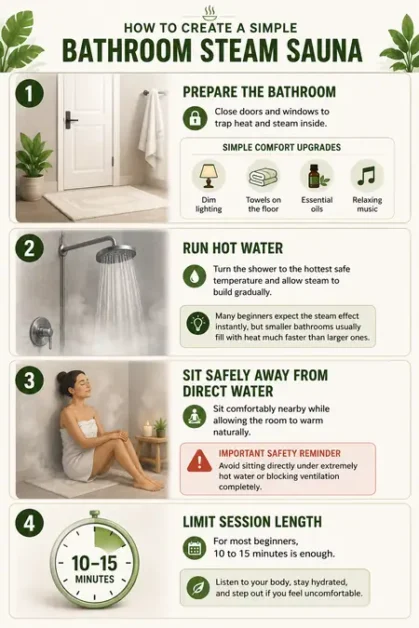
Step 1: Prepare the Bathroom
Close doors and windows to trap heat and steam inside.
Simple Comfort Upgrades
- Dim lighting
- Towels on the floor
- Essential oils
- Relaxing music
Step 2: Run Hot Water
Turn the shower to the hottest safe temperature and allow steam to build gradually.
Many beginners expect the steam effect instantly, but smaller bathrooms usually fill with heat much faster than larger ones.
Step 3: Sit Safely Away From Direct Water
Sit comfortably nearby while allowing the room to warm naturally.
Important Safety Reminder
Avoid sitting directly under extremely hot water or blocking ventilation completely.
Step 4: Limit Session Length
For most beginners, 10 to 15 minutes is enough.
Signs You Should Stop
- Dizziness
- Headache
- Nausea
- Breathing discomfort
- Feeling overheated
If the heat feels overwhelming, stepping out briefly helps regulate body temperature.
Step 5: Cool Down Gradually
After the session:
- Drink water
- Rest briefly
- Cool down slowly
- Avoid sudden intense cold exposure
The easiest way to avoid dehydration is drinking water before and after steam sessions.
DIY Home Sauna Safety Tips
Moisture Control Matters
One practical tip builders learn quickly is proper airflow planning. Excess steam without ventilation may lead to moisture problems over time.
Watch for These Problems
- Mold growth
- Excess humidity
- Water damage
- Poor airflow
- Slippery floors
Don’t Overheat Small Spaces
Small bathrooms trap heat faster than many people expect.
A common mistake beginners make is trying to force extremely high temperatures too quickly.
Stay Hydrated
Sweating heavily without replacing fluids often causes headaches or fatigue afterward.
Hydration Tips
- Drink water before sessions
- Avoid alcohol
- Take cooling breaks
- Stop if dizzy
For additional safety advice, read this guide to sauna safety.
DIY Home Sauna vs Traditional Sauna
| Feature | DIY Steam Setup | Traditional Sauna |
|---|---|---|
| Cost | Low | Higher |
| Installation | Minimal | Permanent |
| Heat Type | Steam | Dry heat |
| Temperature | Lower | Much hotter |
| Moisture | High humidity | Lower humidity |
| Setup Time | Fast | Long term build |
| Experience | Casual | Full sauna experience |
Many people start with DIY heat therapy setups before deciding whether to invest in a permanent sauna.
Is It Cheap to Build Your Own Sauna?
Simple DIY sauna setups can cost very little if you already have a bathroom steam option.
Estimated DIY Sauna Costs
| Setup Type | Estimated Cost |
|---|---|
| Bathroom steam setup | Very low |
| Sauna tent | Moderate |
| Portable infrared sauna | Moderate to high |
| Backyard sauna build | High |
The heater size is often the biggest cost factor in permanent sauna installations.
Common DIY Sauna Mistakes
Expecting Commercial Sauna Heat
Homemade setups usually feel milder than professional sauna rooms.
Ignoring Ventilation
Poor airflow can make steam sessions uncomfortable and increase moisture buildup.
Staying Too Long
New sauna users often stay too long during their first session.
Using Unsafe Heating Methods
Never use unsafe space heaters, charcoal burners, or enclosed heating devices in small spaces.
Who Should Avoid DIY Sauna Sessions?
Some people should talk with a doctor before using steam or heat therapy regularly.
This Includes
- People with heart conditions
- Those sensitive to heat
- Pregnant women
- People with breathing conditions
- Anyone prone to dehydration
Ways to Improve Your DIY Sauna Experience
Add Relaxation Elements
- Soft lighting
- Aromatherapy
- Sauna music playlists
- Cooling towels
Build a Recovery Routine
Many experienced sauna users combine heat sessions with stretching, hydration, and cool-down breaks.
You can also learn more about sauna therapy routines.
FAQs
Can I make a sauna at home without building one?
Yes. Many people create steam-based DIY sauna experiences using bathrooms, sauna tents, or portable infrared systems.
Is a DIY home sauna safe?
DIY sauna setups are generally safe when used carefully with proper ventilation, hydration, and moderate session lengths.
How long should a DIY sauna session last?
Beginners usually start with 10 to 15 minute sessions before gradually increasing time.
What’s the cheapest DIY sauna method?
Bathroom steam setups are usually the lowest-cost option because they require little equipment.
Can a hot shower replace a sauna?
A hot shower can create steam and relaxation benefits, but it won’t fully replicate the heat and airflow of a traditional sauna.
Do DIY sauna tents actually work?
Many portable sauna tents provide noticeable heat and sweating effects, though they usually feel different from permanent saunas.