
Sauna Sand Timer: How to Use, Install, and Maintain It

A sauna sand timer is a heat-tolerant hourglass used to track elapsed time without bringing an ordinary phone, watch, or household timer into the hot room. It is simple, silent, battery-free, and easy to glance at—but it is only a timekeeping aid, not a device that determines how long a sauna session is medically safe. For related planning, see Sauna Norms in Swedish Hotels.
What Is a Sauna Sand Timer?
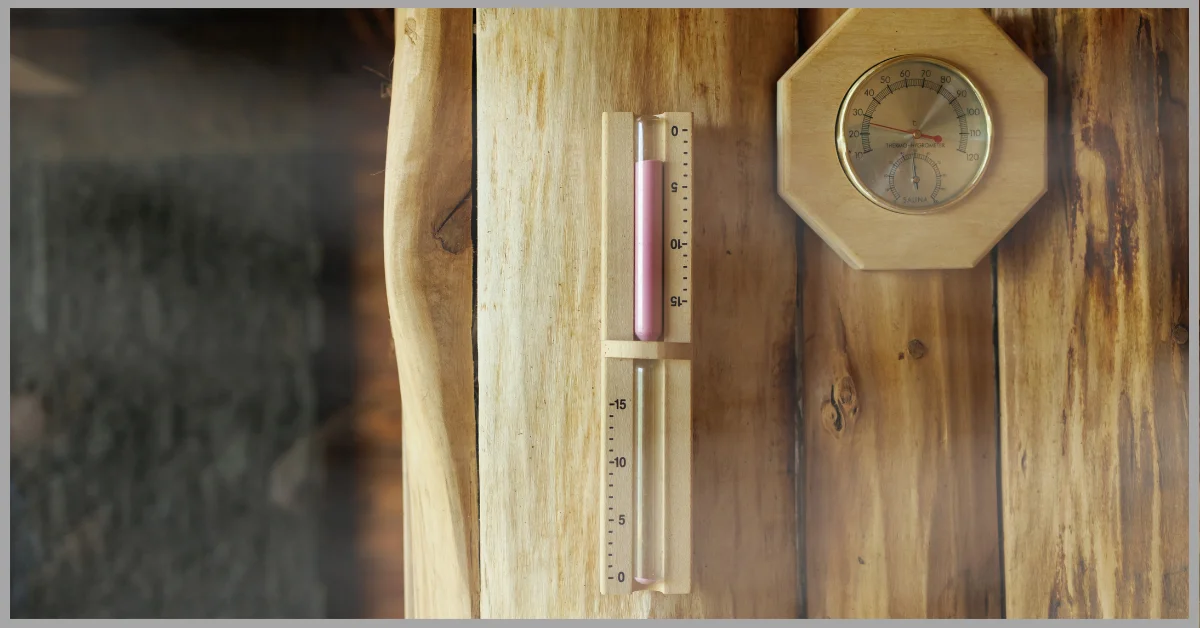
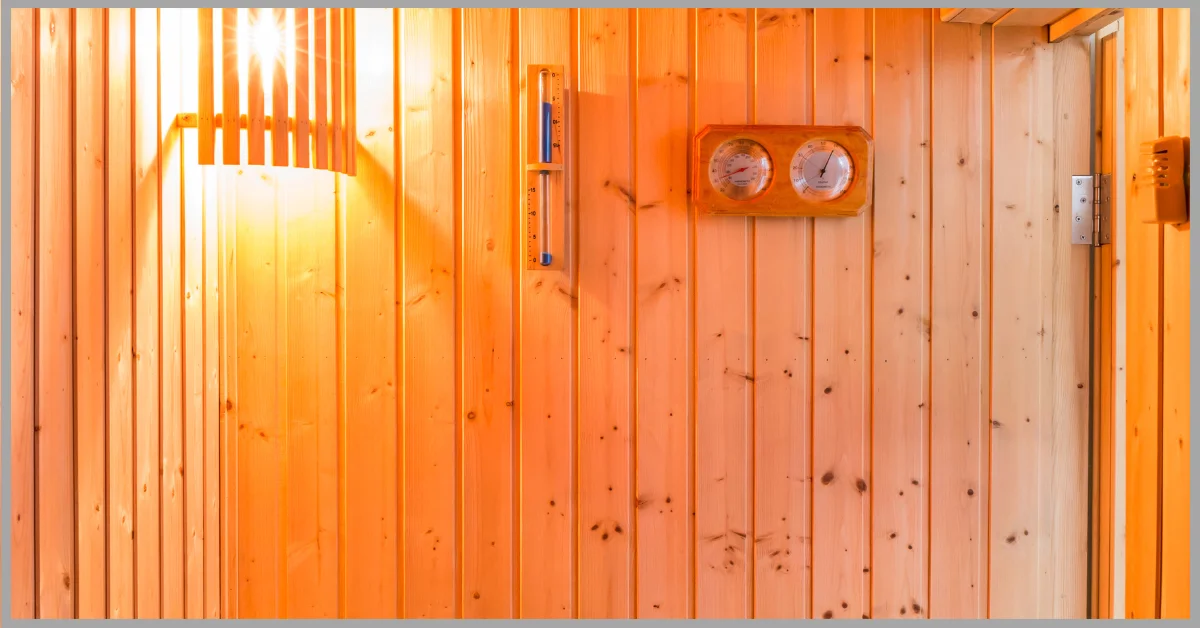
A sauna sand timer has two sealed glass chambers joined by a narrow opening. Fine sand moves from the upper chamber to the lower chamber at a calibrated rate. Sauna models are commonly held in a wood or heat-tolerant frame that rotates on a wall-mounted bracket.
The markings beside the glass provide an approximate elapsed-time scale. Unlike a heater control timer, the sand timer does not turn the heater on or off. It also does not measure temperature or humidity; those jobs belong to the sauna controls, thermometer, and hygrometer.
How a Sauna Sand Timer Works
- Rotate the timer so all the sand is in the upper chamber.
- Gravity pulls the sand through the narrow opening.
- Read the printed or engraved scale beside the glass to estimate elapsed time.
- When the sand reaches the lower chamber, one complete timer interval has passed.
Sand timers are not precision instruments. Indicated time can vary slightly with manufacturing tolerances, tilt, moisture, wear, or sand clumping. Use one for convenient visual tracking, not for a task requiring exact seconds.
Common Sauna Sand-Timer Durations
Sauna timers are sold with different total intervals. Common product scales include:
| Total interval | Practical use | What to remember |
|---|---|---|
| 5 minutes | Short check-in or cooling interval | Confirm the markings are visible from the bench |
| 10 minutes | Short elapsed-time tracking | Check whether intermediate marks are included |
| 15 minutes | A widely available general-purpose format | The full run is not a universal safety recommendation |
| 20 minutes | A longer visual scale | Leave sooner whenever appropriate |
| 30 minutes | Less common extended scale | Do not treat the complete interval as a target |
Select a duration for convenient tracking, not because the number printed on the timer is a universal recommendation. You can leave before the sand finishes, and flipping the timer again does not mean another interval is automatically appropriate.
Where to Install a Sauna Sand Timer
Follow the manufacturer’s location and temperature instructions. In general, choose a position that is:
- clearly visible from the bench
- reachable without standing on a bench or leaning toward the heater
- away from the stove, heating elements, steam outlet, and direct water splash
- on a stable wall where the timer can rotate without striking another object
- unlikely to be bumped by shoulders, towels, buckets, or the opening door
Do not mount the timer directly above the heater. Heat is not uniform inside a sauna, and the upper wall near the heater can be much harsher than the seating area. If the product specifies a maximum mounting height or distance from the heater, follow that requirement instead of a generic measurement.
How to Mount It
- Let the sauna cool completely and turn off the heater.
- Hold the mounting strip vertically and confirm that the hourglass can rotate freely.
- Check for concealed wiring, controls, and vapor-barrier concerns before drilling.
- Use the supplied hardware or sauna-compatible fasteners recommended by the manufacturer.
- Attach the bracket securely without overtightening against the wood or glass assembly.
- Rotate the timer through a full cycle and verify that it hangs vertically.
A wall-mounted rotating model is generally more practical than a loose hourglass on a bench or floor, where it can tip, break, or create a trip hazard. Do not rely on ordinary adhesive strips unless the timer manufacturer approves them for the sauna’s temperature and mounting surface.
How to Read and Use It
- Check that the glass is intact, the frame is secure, and the sand is loose.
- Rotate the hourglass once so the sand begins flowing from the upper chamber.
- Note the direction of the scale. Some models emphasize elapsed time; others make the remaining proportion easier to see.
- Leave whenever you intend to finish—or sooner if you feel uncomfortable. You do not need to wait for the chamber to empty.
- Let the sand finish or settle before rotating it again so the next interval is easier to interpret.
If several people enter at different times, one shared timer cannot accurately represent everyone’s elapsed time. Use appropriate separate timekeeping outside the hot room or establish a clear shared start point.
Heat-Resistant Materials to Look For
Choose a timer explicitly sold and rated for the type of sauna where it will be installed. Useful construction features include:
- Sealed heat-resistant glass: keeps sand contained and limits moisture entry.
- Sauna-compatible wood: a stable frame that tolerates repeated heating and cooling without excessive warping or odor.
- Corrosion-resistant hardware: appropriate screws and pivot components for a hot, humid environment.
- High-contrast sand and markings: easier to see against the wall and in subdued lighting.
- A protected rotating frame: prevents the glass from striking the wall while making the timer easy to reset.
A decorative household hourglass is not automatically sauna-safe. Generic plastics, adhesives, finishes, and glass may not tolerate repeated heat exposure. Exposed metal can also become hot to the touch. Use the product’s temperature rating and installation instructions as the deciding criteria.
Maintenance and Replacement
- Let the timer cool before cleaning or inspecting it.
- Wipe the frame and glass with a soft dry or slightly damp cloth according to the manufacturer’s instructions.
- Do not immerse the timer or force moisture into the sealed glass assembly.
- Check mounting screws and the rotating pivot periodically.
- Occasionally compare a complete run with a reliable clock to spot a major change in flow time.
Replace the timer if the glass is cracked, the frame is badly warped or charred, the hardware will not stay secure, the sand remains clumped after drying, the chamber leaks, or the timing becomes inconsistent enough to be confusing. Do not open and refill a sealed timer unless the manufacturer designed it for servicing.
Common Mistakes
- Mounting it above or beside the heater: direct heat can exceed the product’s rating.
- Using an unrated decorative hourglass: ordinary materials may crack, soften, warp, or release odors.
- Placing it loose on a bench or floor: it can fall, break, or become a trip hazard.
- Assuming the scale is exact: a sand timer provides an estimate, not laboratory timing.
- Waiting for the last grain despite symptoms: how you feel takes priority.
- Automatically starting another round: a second flip is not proof that another heat interval is suitable.
- Building a DIY timer with hot rocks, boiling water, or an unsealed jar: this creates unnecessary burn, steam, spill, and breakage hazards.
- Using it as the heater control: a sand timer cannot replace the sauna’s approved control system or automatic shutoff.
A Sand Timer Is Not a Medical Safety Limit
The full timer interval does not establish a universally safe sauna-session duration. Heat tolerance varies with temperature and humidity, health conditions, medications, age, hydration, recent exercise, alcohol use, and individual response. A 15-, 20-, or 30-minute timer only measures its labeled interval.
Leave before the timer ends if you feel dizzy, faint, weak, nauseated, confused, short of breath, or otherwise unwell. Do not use another flip as permission to continue. For contextual duration, hydration, alcohol, health-condition, and stop-sign guidance, use our dedicated sauna safety guide and follow the sauna manufacturer’s rules and your healthcare professional’s advice.
Frequently Asked Questions
Why use a sand timer instead of a phone?
A sauna-rated sand timer does not need batteries or power and is designed for the hot-room environment. An ordinary phone may overheat or be damaged. Keep non-sauna-rated electronics outside unless their manufacturer explicitly approves that use.
How accurate is a sauna sand timer?
It is adequate for approximate elapsed-time tracking, but small variations are normal. Mounting tilt, moisture, clumping, wear, and manufacturing tolerances can affect flow.
Can I use a 30-minute timer?
You can use any sauna-rated timer that suits your tracking needs, but its full interval is not a recommendation to remain in the sauna for 30 minutes. Leave earlier according to your plan, facility rules, and how you feel.
Can I install it in a steam room?
Only if the manufacturer explicitly rates that model for the steam room’s heat and near-saturated humidity. A product intended for a dry sauna may not be suitable.
Why did the sand stop flowing?
The timer may be tilted, damp, damaged, or internally clumped. Let it cool, verify that it hangs vertically, and follow the manufacturer’s troubleshooting instructions. Replace it if flow remains unreliable.
Bottom Line
A sauna sand timer is a simple visual tool for estimating elapsed time. Choose a sauna-rated model with heat-resistant glass, a stable frame, readable markings, and suitable hardware. Mount it where it is visible but protected from direct heat and water, inspect it regularly, and always treat the timer as a convenience—not a medical safety limit.