Above Ground Pools: Types, Costs, Pros Buying Guide

An above ground pool offers an affordable way to create a backyard space for relaxing, exercising, and spending time with family. With today’s variety of sizes, materials, and designs, there’s an option to fit almost every budget and yard.
Take time to compare construction types, estimate long-term ownership costs, and prepare the installation site properly before making your purchase.
A little planning at the beginning can lead to many summers of enjoyable, low-stress pool ownership.
If you’re just beginning your research, our Pools Guide & Reviews can help you compare different pool styles for your backyard.
What Is an Above Ground Pool?
An above ground pool is a freestanding swimming pool installed on top of the ground instead of being excavated into the yard. Most models include a durable liner supported by inflatable rings, steel frames, resin frames, or rigid steel walls.
Unlike inground pools, above ground pools usually require less construction, lower installation costs, and can often be installed within a day or two.
Modern above ground pools are available in many sizes and styles, making them suitable for:
- Families with children
- Homeowners on a budget
- Seasonal swimming
- Small backyards
- Vacation homes
- Renters looking for a temporary solution
Some premium hard-sided models can even remain installed year-round with proper maintenance.
Above Ground Pool vs. Inground Pool
Both options provide a place to swim and relax, but they differ significantly in cost, installation, and long-term ownership.
| Feature | Above Ground Pool | Inground Pool |
|---|---|---|
| Average Cost | Lower | Much higher |
| Installation Time | Hours to a few days | Several weeks |
| Construction | Minimal excavation | Major excavation |
| Portability | Some models can be moved | Permanent |
| Maintenance | Generally simpler | More extensive |
| Home Value Impact | Limited | Often increases value |
An above ground pool is often the better choice for homeowners who want affordable summer fun without committing to a major construction project.
Who Should Buy an Above Ground Pool?
Above ground pools work well for many homeowners, but they’re especially practical if you’re looking for a balance between affordability and convenience.
They may be a good fit if you:
- Have a limited backyard budget
- Want a pool ready before summer
- Prefer a simpler installation process
- Need flexibility to relocate or replace the pool later
- Have children who will enjoy seasonal swimming
- Don’t want the expense of an inground pool
If you expect to entertain large groups regularly or want a permanent luxury backyard feature, an inground pool may still be the better investment.
Types of Above Ground Pools
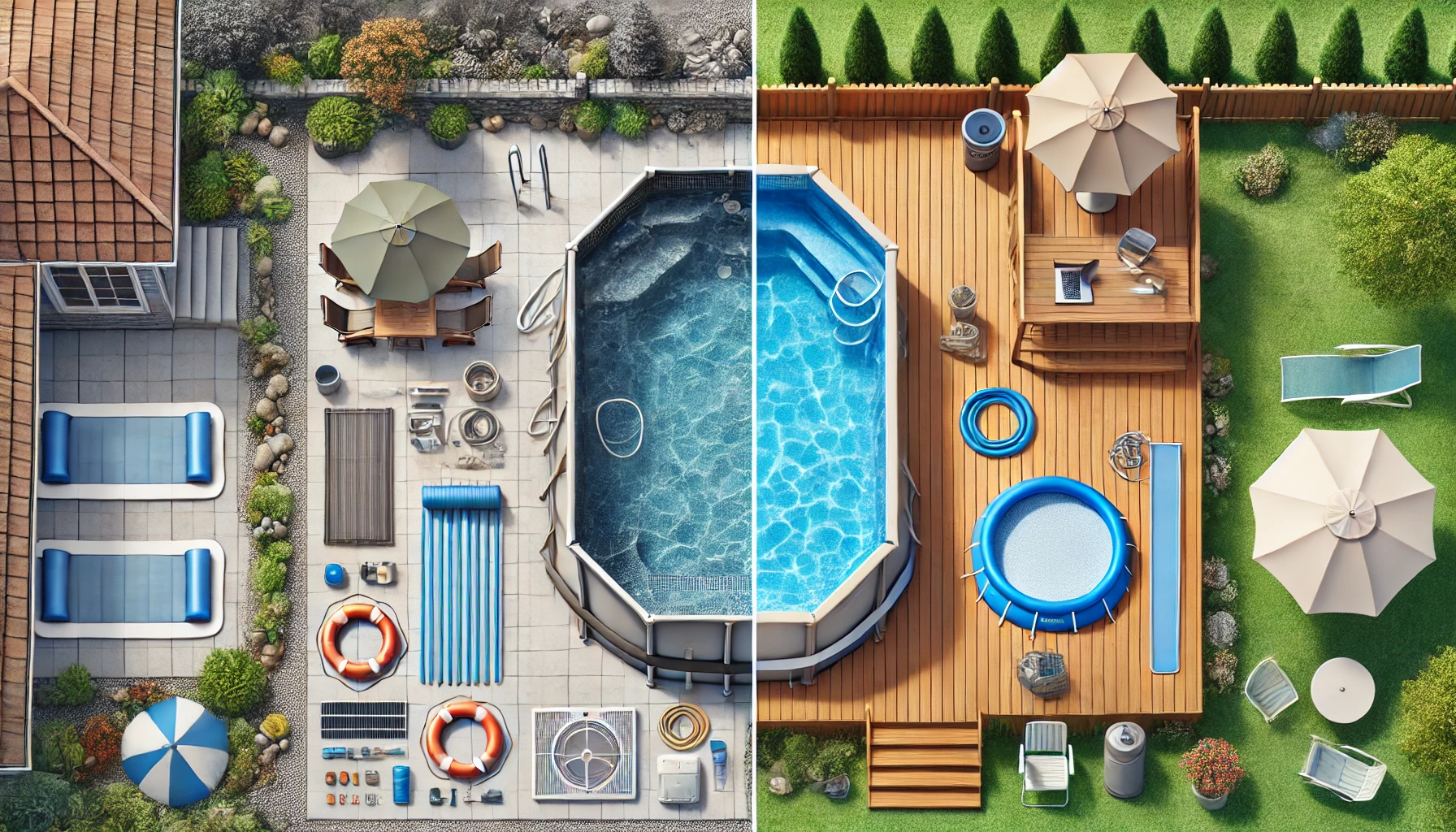
Above ground pools come in several construction styles. Each offers different advantages depending on your budget, expected lifespan, and maintenance preferences.
Easy Set Pools
Easy Set pools use an inflatable top ring that rises as the pool fills with water. They’re among the quickest pools to assemble and are popular with first-time buyers.
Best for:
- Small families
- Temporary summer use
- Limited budgets
Advantages
- Fast setup
- Lowest purchase price
- Easy to store during winter
- Lightweight construction
Considerations
- Less durable than framed pools
- More vulnerable to punctures
- Smaller size options
Metal Frame Pools
Metal frame pools use steel tubing to support the liner, creating a stronger structure than inflatable models.
Many homeowners choose these pools because they combine reasonable pricing with improved durability.
Best for:
- Regular family use
- Medium-sized backyards
- Multi-season ownership
Advantages
- Strong frame support
- Available in many sizes
- Good value
- Easier to repair than inflatable pools
Considerations
- Longer setup time
- Requires level ground
- Frame components need occasional inspection
Steel Wall Pools
Steel wall pools are designed for long-term installation and often resemble smaller versions of permanent inground pools.
Many include heavy-duty liners, reinforced walls, and decorative exterior panels.
Best for:
- Long-term homeowners
- Larger families
- Permanent backyard installations
Advantages
- Long lifespan
- Excellent stability
- Deep swimming options
- Attractive appearance
Considerations
- Higher cost
- Professional installation is often recommended
- More planning required before installation
Resin Above Ground Pools
Resin pools replace many steel components with heavy-duty resin materials that resist corrosion and weather damage.
They’re especially popular in humid climates where rust resistance is important.
Best for:
- Coastal regions
- Humid environments
- Homeowners seeking lower maintenance
Advantages
- Rust resistant
- Cooler surfaces during hot weather
- Attractive finish
- Long service life
Considerations
- Higher upfront investment
- Premium replacement parts
Hybrid Pools
Hybrid pools combine steel and resin components to balance strength with corrosion resistance.
This design offers many of the advantages of resin pools while helping keep costs lower than fully resin models.
Best for:
- Long-term ownership
- Families wanting durability without premium pricing
Semi-Permanent Above Ground Pools
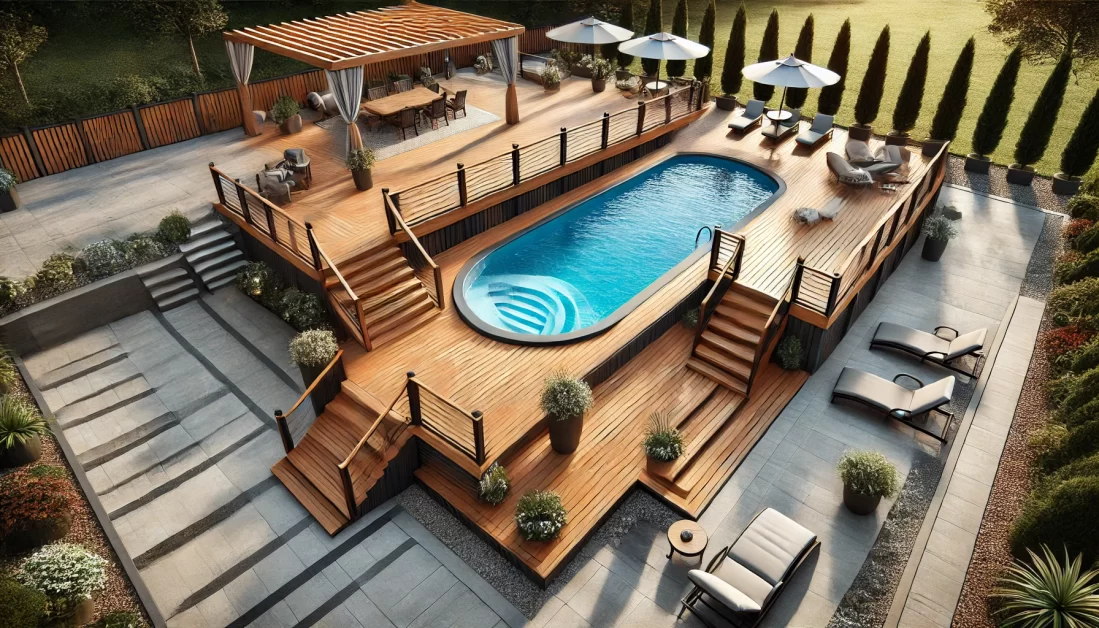
Semi-permanent pools are designed to remain installed year-round and often include stronger walls, upgraded filtration systems, and optional surrounding decks.
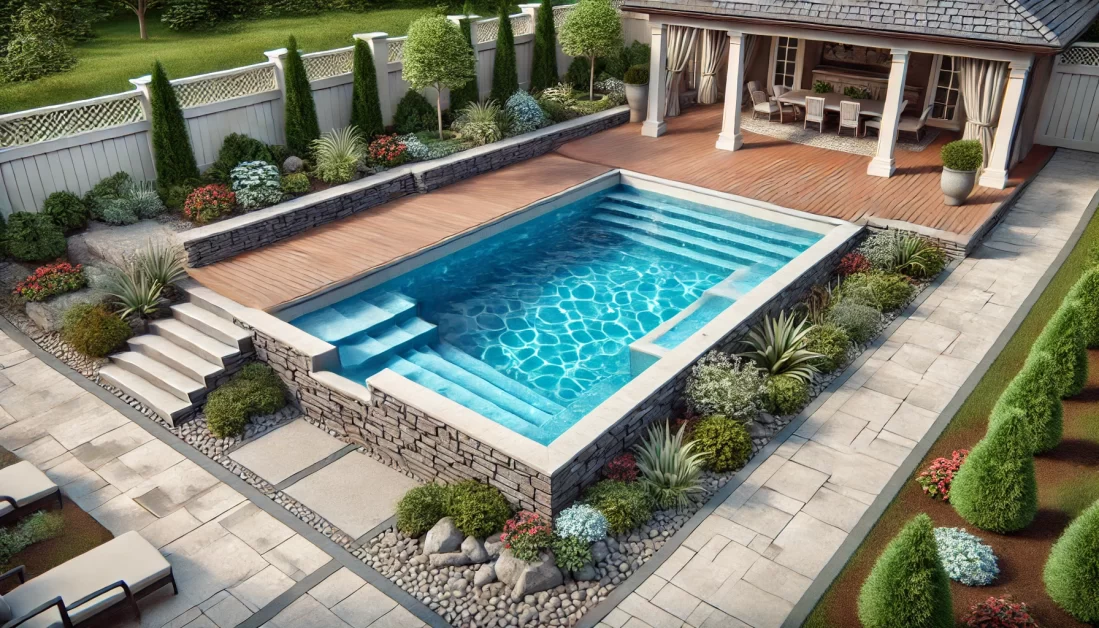
Some homeowners partially recess these pools into the ground to create a custom appearance similar to an inground pool.
These installations usually require additional planning, local permit approval, and professional installation.
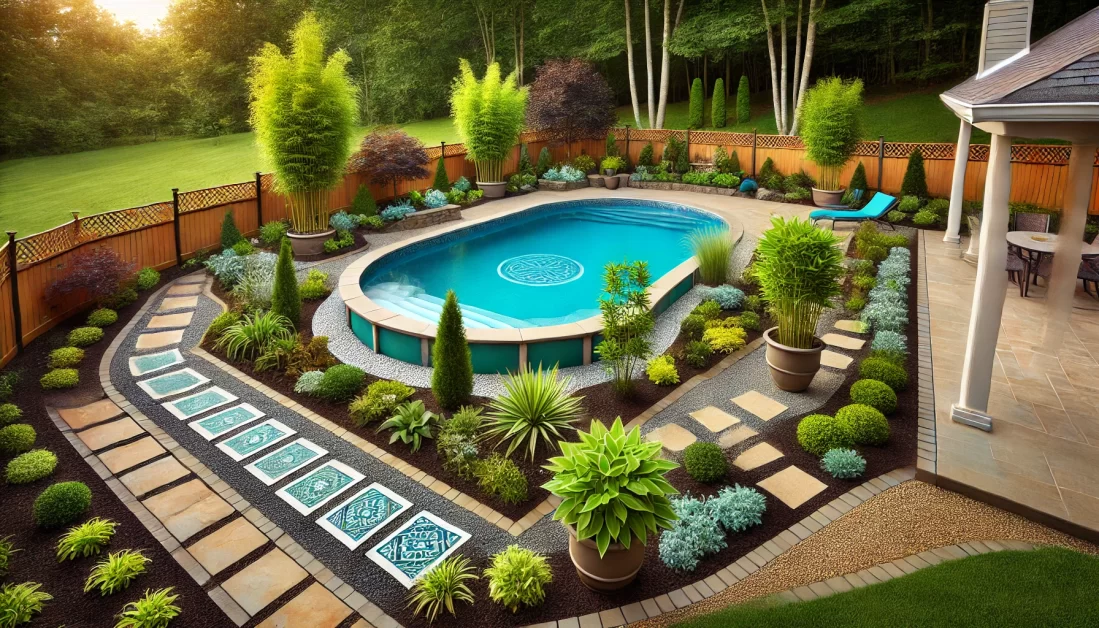
From simple touches to more elaborate designs, there are plenty of ways to enhance the look of your landscape around the pool without breaking the bank. Check out Above Ground Pools at Costco.
Above Ground Pool Shapes
Pool shape affects more than appearance. It also determines swimming space, installation requirements, and how efficiently the pool fits into your yard.
Round Pools
Round pools are the most common choice because water pressure is distributed evenly around the walls.
They’re ideal for:
- Smaller backyards
- Family recreation
- Easy installation
Oval Pools
Oval pools provide more swimming length without requiring as much yard width.
They’re popular for:
- Lap swimming
- Larger families
- Narrow backyards
Rectangle Pools
Rectangle pools maximize usable swimming space and fit well alongside patios, decks, and fences.
They work especially well in modern backyard designs but typically require stronger structural support.
Above Ground Pool Sizes
Choosing the right size depends on your available yard space, family size, and intended use.
| Pool Size | Typical Capacity | Best For |
|---|---|---|
| 10 ft | 1–2 people | Small children |
| 12 ft | 2–4 people | Small families |
| 15 ft | 4–6 people | Everyday recreation |
| 18 ft | 6–8 people | Larger families |
| 21 ft | 8–10 people | Frequent entertaining |
| 24 ft | 10+ people | Large backyards |
| 27–33 ft | Large groups | Permanent installations |
Before purchasing, measure your available yard carefully. Leave at least 3 to 5 feet of clearance around the pool for maintenance, ladders, and safe access.
If you’re unsure how much water a particular size holds, our guide on measuring a pool in gallons can help you estimate water capacity before installation.
How Much Do Above Ground Pools Cost?
The cost of an above ground pool depends on its size, construction material, brand, and whether you install it yourself or hire a professional. While inflatable pools can cost only a few hundred dollars, premium steel-wall pools with a surrounding deck can cost several thousand dollars.
Here’s a general price range for most homeowners in the United States.
| Expense | Typical Cost |
|---|---|
| Inflatable pool | $100–$700 |
| Metal frame pool | $300–$2,500 |
| Steel wall pool | $2,000–$8,000+ |
| Resin or hybrid pool | $3,000–$10,000+ |
| Professional installation | $1,000–$3,500 |
| Electrical work | $500–$2,000 |
| Pool accessories | $300–$1,500 |
Don’t forget to budget for ongoing expenses such as chemicals, replacement filters, electricity, and seasonal maintenance. If you’re planning for long-term ownership, Pool Maintenance and Cleaning explains what to expect throughout the swimming season.
Installation Costs
Installation costs vary depending on the type of pool and the condition of your yard.
Factors that affect installation costs include:
- Ground leveling
- Sand or crushed stone base
- Electrical installation
- Local permit fees
- Landscaping
- Deck construction
- Fence installation
Many inflatable and metal frame pools can be assembled by homeowners over a weekend, while steel-wall and semi-permanent pools often require professional installation.
Annual Ownership Costs
Besides the purchase price, every pool has yearly operating expenses.
Typical annual costs include:
- Water treatment chemicals
- Replacement filters
- Electricity for the pump
- Water replacement
- Winter closing supplies
- Occasional liner repairs
Planning for these costs helps prevent surprises after installation.
Best Above Ground Pool Brands
Buying from a reputable manufacturer often means better build quality, easier access to replacement parts, and stronger warranty coverage.
Here’s a comparison of several popular brands available throughout the United States.
| Brand | Best For | Pool Type | Price Range |
|---|---|---|---|
| Intex | Budget buyers | Easy Set, Metal Frame | $200–$2,000 |
| Bestway | Family pools | Steel Frame | $250–$2,500 |
| Doughboy | Long-term ownership | Steel Wall | $3,000–$10,000+ |
| Wilbar | Permanent installations | Steel Wall | $3,000–$9,000 |
| Aquasport | Premium residential pools | Hybrid, Resin | $4,000–$10,000+ |
Intex
Intex is one of the most recognizable above ground pool brands in North America. Its pools are affordable, easy to assemble, and widely available from major retailers.
Best for
- First-time buyers
- Families with children
- Seasonal swimming
Pros
- Affordable
- Easy setup
- Large selection
- Easy to find replacement parts
Cons
- Shorter lifespan than steel-wall pools
- Liners require careful handling
Bestway
Bestway’s Steel Pro and Power Steel series offer stronger frames while remaining affordable.
Best for
- Medium-sized families
- Longer seasonal use
Pros
- Strong steel construction
- Competitive pricing
- Good accessory packages
Cons
- Entry-level pumps may require upgrading
- Limited premium models
Doughboy
Doughboy has earned a reputation for building premium steel-wall pools designed for long-term installations.
Best for
- Permanent backyard pools
- Larger families
Pros
- Excellent durability
- Long warranties
- Deep pool options
Cons
- Higher purchase price
- Professional installation often recommended
Wilbar
Wilbar manufactures durable steel-wall systems sold through many specialty pool dealers.
They’re known for quality construction and dependable structural components.
Aquasport
Aquasport focuses on resin and hybrid construction that resists rust and corrosion.
These pools work particularly well in coastal and humid climates where metal components experience greater exposure to moisture.
Best Above Ground Pool for Different Buyers
Every homeowner has different priorities. The best pool for a family with young children may be very different from the best choice for someone building a permanent backyard entertainment space.
| Situation | Recommended Type |
|---|---|
| Small backyard | Round metal frame pool |
| Limited budget | Intex Easy Set |
| Large family | 21–24 ft steel frame |
| Permanent installation | Steel wall pool |
| Coastal climate | Resin pool |
| Best overall durability | Hybrid pool |
If you enjoy shopping warehouse deals, our Above Ground Pool Costco guide compares seasonal models frequently sold through Costco.
How Long Do Above Ground Pools Last?
A well-maintained above ground pool can last anywhere from 7 to more than 30 years, depending on its construction and how well it’s maintained.
Here’s what you can typically expect.
| Pool Type | Average Lifespan |
|---|---|
| Inflatable | 2–5 years |
| Metal frame | 7–15 years |
| Steel wall | 20–30+ years |
| Resin | 20–30+ years |
| Hybrid | 25–30+ years |
The liner usually wears out before the pool frame. Most vinyl liners require replacement every 6 to 12 years, depending on sun exposure, water chemistry, and general care.
To maximize your pool’s lifespan:
- Keep water chemistry balanced.
- Clean the filter regularly.
- Repair small liner tears promptly.
- Remove leaves and debris.
- Cover the pool when not in use.
- Winterize the pool correctly if it stays outdoors all year.
Pros and Cons of Above Ground Pools
Like any backyard investment, above ground pools have advantages and disadvantages.
| Pros | Cons |
|---|---|
| Lower purchase price | Shallower than many inground pools |
| Faster installation | Can reduce yard space |
| Easier maintenance | Liners eventually need replacement |
| Available in many sizes | Premium models can still be expensive |
| Portable options available | Less customization than inground pools |
| Lower repair costs | Some models require seasonal setup |
For many homeowners, the affordability and flexibility outweigh the limitations, especially when the goal is creating a fun outdoor space without major construction.
How to Choose the Right Above Ground Pool
Choosing the right pool starts with understanding how you plan to use it.
Consider these factors before making your purchase.
Available Yard Space
Measure both the pool location and the surrounding clearance. Leave enough room for ladders, maintenance, and safe walking areas.
Budget
Think beyond the purchase price. Include installation, chemicals, accessories, electricity, and future maintenance when calculating your total investment.
Family Size
Small pools work well for young children, while larger households usually appreciate pools that are at least 18 to 24 feet in diameter.
Construction Material
Inflatable pools are inexpensive but designed for shorter-term use. Steel-wall and resin pools cost more but generally last much longer.
Maintenance Commitment
Some owners enjoy maintaining their pool each week, while others prefer low-maintenance systems with upgraded filtration and automated cleaners.
Making a list of your priorities before shopping can help narrow your choices and reduce the chances of buyer’s regret later.
Installing an Above Ground Pool
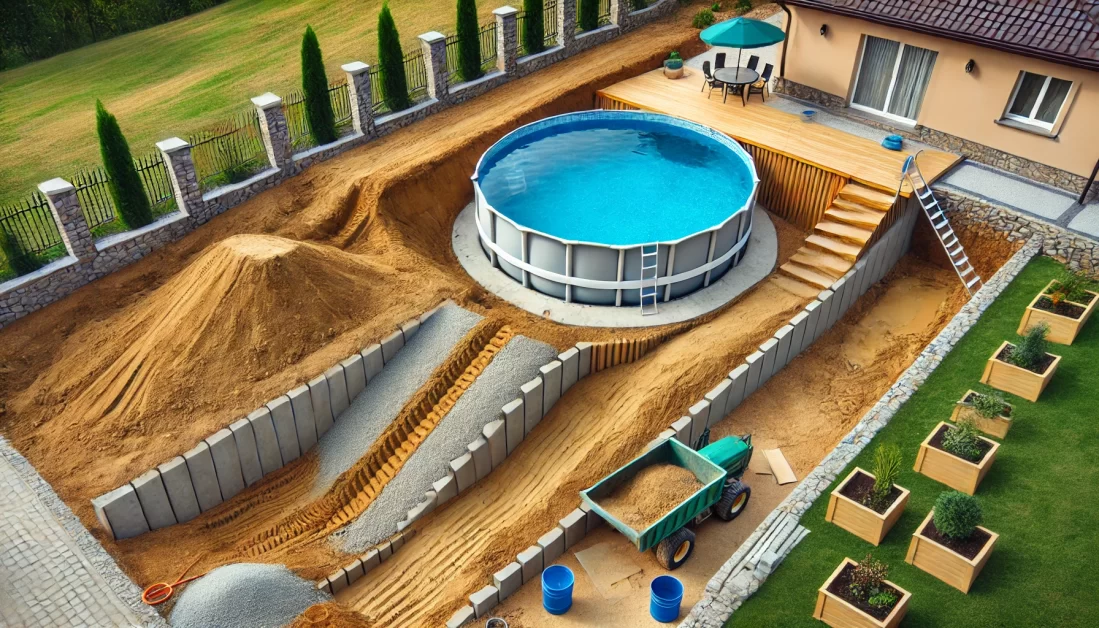
Proper installation is one of the biggest factors affecting how long your pool lasts. Even the highest-quality pool can develop leaks, wrinkles, or structural problems if it’s placed on uneven ground.
Many inflatable and metal frame pools are designed for DIY installation, while larger steel-wall pools often benefit from professional assembly.
Step 1: Choose the Right Location
Look for a level area that receives plenty of sunlight and is free from tree roots, overhead branches, and underground utilities.
A good location should have:
- Stable, well-drained soil
- Easy access to electricity
- Room for maintenance around the pool
- Space for future accessories or a deck
Avoid installing a pool in low spots where rainwater collects, as standing water can wash away the base over time.
Step 2: Prepare the Ground
Ground preparation is often overlooked, but it’s essential for keeping the pool level and protecting the liner.
Most installers recommend:
- Removing grass and roots
- Leveling the area
- Compacting the soil
- Adding a sand or crushed stone base
- Installing a ground cloth or protective pad
Skipping this step can lead to uneven water levels, liner damage, and additional stress on the pool frame.
Step 3: Assemble the Pool
Follow the manufacturer’s instructions carefully.
During assembly:
- Confirm every frame section is fully connected.
- Smooth out liner wrinkles before filling.
- Fill the pool slowly while checking that it remains level.
- Tighten fittings only after the pool has settled.
Having two or three people makes installation much easier, especially for larger pools.
Step 4: Install the Pump and Filter
Most above ground pools include a basic filtration system.
After connecting the equipment:
- Check all hose connections.
- Prime the pump if required.
- Test for leaks.
- Run the filtration system before adding chemicals.
Proper circulation helps distribute sanitizer evenly throughout the pool.
Step 5: Fill and Balance the Water
Once the pool is full:
- Test the water.
- Adjust pH and alkalinity.
- Add sanitizer.
- Run the pump continuously for the first 24 hours.
- Retest before swimming.
Balanced water protects the liner, keeps swimmers comfortable, and helps the filtration system work more effectively.
Above Ground Pool Maintenance
Regular maintenance doesn’t take much time, but it prevents many of the problems that shorten a pool’s lifespan.
A consistent routine also keeps the water clean, clear, and ready to enjoy throughout the season.
Daily Tasks
Spend a few minutes each day checking the pool.
Daily maintenance includes:
- Remove leaves and insects
- Check the water level
- Empty the skimmer basket
- Inspect the pump for normal operation
These simple habits help prevent larger cleaning jobs later.
Weekly Maintenance
Most pool owners follow a weekly maintenance schedule.
Tasks include:
- Test water chemistry
- Adjust sanitizer levels
- Balance pH and alkalinity
- Brush pool walls
- Vacuum debris
- Clean or rinse the filter
- Inspect hoses and fittings
Maintaining proper water chemistry also helps prevent algae growth and extends the life of your equipment. If you need help balancing your water, Pool Water Alkalinity explains why alkalinity is so important.
Monthly Maintenance
Once each month:
- Deep clean the filter
- Inspect the liner for wear
- Tighten loose hardware
- Lubricate O-rings if needed
- Check ladders and safety equipment
Small maintenance tasks completed early often prevent expensive repairs later.
Winterizing an Above Ground Pool
If your pool remains outdoors during winter, proper closing protects it from freezing temperatures.
Winterizing generally includes:
- Lowering the water level
- Cleaning the pool thoroughly
- Adding winter chemicals
- Draining the pump and filter
- Covering the pool securely
Homeowners in colder climates should complete winterization before temperatures regularly fall below freezing. Our Pool Closing guide walks through the seasonal shutdown process.
Essential Above Ground Pool Accessories
Accessories improve safety, reduce maintenance, and make your pool more enjoyable throughout the season.
Some are optional, while others quickly become everyday essentials.
Pool Cover
A quality cover helps:
- Keep debris out
- Reduce water evaporation
- Retain heat
- Lower chemical use
Ladder or Entry System
Choose a sturdy ladder with non-slip steps that matches your pool height.
Families with young children should consider ladders that can be locked or removed when the pool isn’t in use.
Pool Vacuum
Manual and automatic vacuums remove dirt that settles on the bottom before it affects water quality.
Skimmer
Surface skimmers collect leaves, bugs, and floating debris before they sink.
Solar Cover
Solar covers warm the water naturally while reducing heat loss overnight.
Pool Heater
A heater extends the swimming season by maintaining a comfortable water temperature during cooler weather.
Lighting
LED pool lights improve visibility during evening swims and create a more inviting backyard atmosphere.
Cover Pump
If you use a winter cover, a cover pump removes standing rainwater that can stretch or damage the cover over time.
Many homeowners gradually add accessories over several seasons instead of purchasing everything at once. If you’re deciding which upgrades provide the best value, our Swimming Pool Accessories List compares the most useful options.
Common Above Ground Pool Problems
Even well-maintained pools occasionally develop issues. Catching them early usually makes repairs faster and less expensive.
Cloudy Water
Common causes include:
- Poor filtration
- Low sanitizer
- High bather load
- Dirty filter
Green Water
Green water is usually caused by algae growth after sanitizer levels drop too low.
Liner Wrinkles
Wrinkles often develop when the ground settles or the liner shifts during installation.
Small Leaks
Inspect hoses, fittings, valves, and the liner if the water level drops unexpectedly.
Rust
Steel components can rust if protective coatings become damaged or if water is allowed to collect around the frame.
Pump Problems
Reduced water flow is often caused by clogged baskets, dirty filters, blocked hoses, or worn pump components.
Most pool issues begin as small maintenance problems rather than major equipment failures. Regular inspections help identify these issues before they become costly repairs.
Common Mistakes First-Time Buyers Make
Many homeowners are satisfied with their purchase, but a few common mistakes can make ownership more difficult.
Try to avoid these pitfalls:
- Buying a pool that’s too large for the available yard.
- Underestimating annual maintenance costs.
- Skipping proper ground preparation.
- Purchasing the cheapest filtration system available.
- Ignoring local permit or fencing requirements.
- Forgetting to budget for accessories and chemicals.
- Choosing a location with poor drainage.
- Failing to leave enough space around the pool for maintenance.
Spending a little extra time planning before buying often leads to years of trouble-free enjoyment.
Where to Buy Above Ground Pools
Above ground pools are available from many retailers, each offering different product selections and pricing.
Popular places to shop include:
- Costco
- Walmart
- Lowe’s
- Home Depot
- Amazon
- Local pool dealers
- Specialty outdoor retailers
Warehouse clubs often carry seasonal models at competitive prices, while local dealers may provide installation services and ongoing support. Compare warranties, included accessories, and replacement part availability instead of focusing only on the lowest purchase price.
Are Above Ground Pools Worth It?
For many homeowners, the answer is yes.
An above ground pool provides an affordable way to enjoy swimming, exercise, and outdoor family time without the cost and construction involved in building an inground pool.
They’re especially worthwhile if you:
- Want a lower upfront investment.
- Plan to use the pool throughout the summer.
- Prefer a quicker installation.
- Have a limited backyard budget.
- Want flexibility to upgrade or replace the pool in the future.
Choosing the right size, preparing the site properly, and following a regular maintenance routine will have a much bigger impact on your satisfaction than simply buying the most expensive model.
Tailored Action Plan
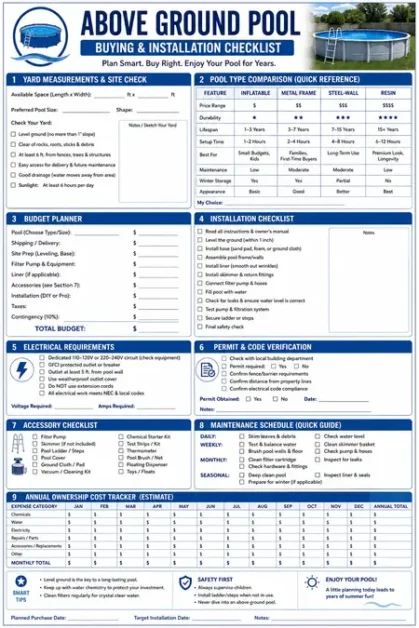
Use this checklist before purchasing an above ground pool.
- Measure your available backyard space.
- Decide how many people will regularly use the pool.
- Set a total budget that includes installation and accessories.
- Compare inflatable, frame, steel-wall, and resin models.
- Check local permit and fencing requirements.
- Plan your electrical and drainage needs.
- Select essential accessories before installation.
- Schedule weekly maintenance from the first day of ownership.
Downloadable Resource
Frequently Asked Questions
How long do above ground pools typically last?
Inflatable pools often last 2–5 years, while quality steel-wall and resin pools can remain in good condition for 20–30 years or more with proper maintenance.
What is the average cost of installing an above ground pool?
Professional installation usually costs between $1,000 and $3,500, depending on the pool type, ground preparation, and local labor rates.
What is the best above ground pool brand?
Intex and Bestway are excellent choices for budget-conscious buyers, while Doughboy, Wilbar, and Aquasport are popular for long-term, permanent installations.
Can above ground pools stay up year-round?
Many steel-wall and resin pools are designed to remain outdoors all year when they’re properly winterized. Inflatable pools are generally taken down before freezing weather.
Do I need a permit for an above ground pool?
Permit requirements vary by city and county. Check your local building department before installation, especially if electrical work or decking is involved.
What size above ground pool is best for a family?
An 18- to 24-foot pool provides enough swimming space for most families while fitting comfortably in many residential backyards.
Retaining walls is particularly useful in preventing pool ground leveling issues from resurfacing over time, ensuring your pool remains stable and secure. Check out Solar Pool Heater for Above-Ground and Inground Pools.