
Hot Tub Hygiene: Clean Water & Contamination Prevention

Hot tub hygiene starts before anyone gets into the water. Clean-looking water can still have low sanitizer, poor pH, or a heavy contaminant load from sweat, lotions, cosmetics, detergent residue, and other bather waste.
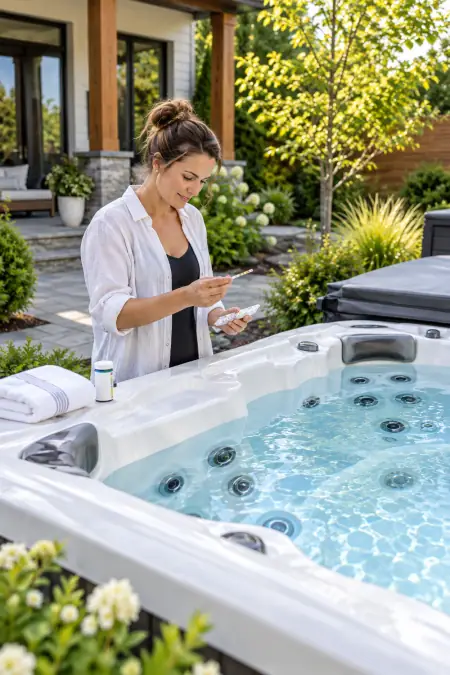
The most useful routine is simple: test the water, keep sanitizer and pH in range, reduce what bathers bring into the spa, and respond quickly when the water changes. For the broader maintenance side, use our hot tub water cleanliness guide; this page focuses on hygiene and contamination prevention.
Hot Tub Hygiene Targets to Check First
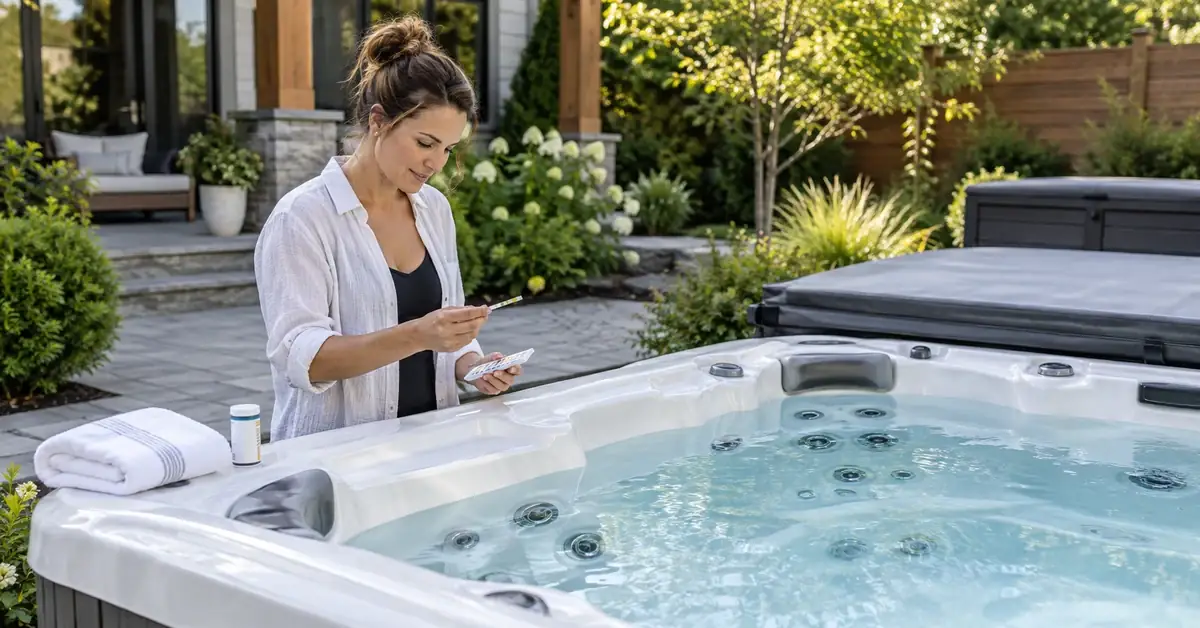
For hot tubs, the CDC currently recommends at least 3 ppm chlorine, 4 to 8 ppm bromine, and pH from 7.0 to 7.8. These are public-health reference targets; your sanitizer label or spa manufacturer may specify a narrower operating range, so follow those instructions when they are more specific.
| What to check | CDC hot tub guidance | Why it matters |
|---|---|---|
| Free chlorine | At least 3 ppm | Helps control germs in the water |
| Bromine | 4–8 ppm | Alternative primary sanitizer range |
| pH | 7.0–7.8 | Supports sanitizer performance and bather comfort |
| Water temperature | No higher than 104°F (40°C) | Reduces overheating risk |
CDC also advises checking disinfectant and pH frequently. For a private home spa, a practical minimum is to test before use and whenever bather load, water appearance, odor, or recent maintenance gives you a reason to question the water. Public hot tubs are managed under stricter operational testing schedules.
See the CDC’s home pool and hot tub water treatment guidance for the current sanitizer and pH recommendations.
What Makes a Hot Tub Unhygienic?
Most contamination enters the spa with people. Warm water, aeration, and a relatively small water volume mean each bather can have a noticeable effect on sanitizer demand.
- Sweat and body oils: increase the organic load the sanitizer has to handle.
- Lotions, sunscreen, makeup, and hair products: can contribute to foam, residue, and faster sanitizer depletion.
- Swimsuit detergent residue: is a common source of foaming in frequently used spas.
- Outdoor debris: leaves, dirt, pollen, and insects add more material for the filter and sanitizer to manage.
- Illness-related contamination: germs can spread through hot tub water when a sick bather enters the spa.
Clear water is not proof that the water is hygienic. A sanitizer reading and pH test tell you more than appearance alone.
Before You Soak: Reduce Contamination at the Source
A short pre-soak routine can reduce the amount of material that enters the water. CDC advises showering before getting into a hot tub and staying out when sick with diarrhea.
- Take a quick shower before entering.
- Remove heavy lotions, oils, makeup, and sunscreen when practical.
- Use a clean swimsuit that is not carrying a large amount of laundry detergent residue.
- Do not enter the hot tub when sick with diarrhea.
- Keep food, drinks, dirt, and outdoor debris out of the spa.
- Keep the number of bathers within the spa’s rated capacity.

These habits are useful even when your chemistry is well managed because sanitizer has less organic material to work through. For a deeper chemistry walkthrough, see our hot tub water chemistry guide.
How Bather Load Changes Your Hygiene Routine
One person soaking for a short session creates a different water-care demand than several guests using the spa for hours. Heavy use can consume sanitizer faster and add more oils, sweat, cosmetics, and detergent residue to the water.
After a busy soak, test the water again and follow your sanitizer system’s instructions for correcting the level. Clean the filter or extend filtration when the manufacturer’s maintenance schedule and current water condition call for it. Do not add random extra products just because the spa had guests.
Warning Signs That Need Attention
Several visible or sensory changes can point to a hygiene or water-quality problem, but none of them replaces testing.
- Cloudy water: can be linked to low sanitizer, poor filtration, high bather load, or water balance problems.
- Persistent foam: often increases when soaps, lotions, cosmetics, or detergent residue build up.
- Strong chemical odor: is not proof of a well-sanitized spa. CDC notes that a properly chlorinated hot tub should have little odor.
- Sticky or slippery surfaces: deserve cleaning and a closer look at water care.
- Repeated sanitizer loss: may signal a heavy contaminant load, maintenance issue, or a need for fresh water.
If cloudy water is your main problem, use our hot tub water care troubleshooting guide rather than treating appearance alone.
Legionella and Hot Tub Mist
Legionella deserves special attention because people can be exposed by breathing contaminated hot tub mist or aerosols. CDC says properly maintaining disinfectant and pH reduces the risk of germs such as Legionella spreading.
Do not rely on a vague “clean smell” or water clarity. Keep sanitizer and pH controlled, maintain circulation and filtration according to the spa manufacturer, and address slime or persistent water-quality problems rather than masking them with fragrance or clarifier.
For a focused explanation of the disease and exposure route, see our Legionnaires’ disease and hot tubs guide. CDC also provides hot tub Legionella prevention guidance.
After the Soak: A Simple Hygiene Finish
Post-soak hygiene matters too. CDC’s hot tub rash guidance recommends removing your swimsuit and showering with soap after leaving the hot tub, then washing the swimsuit before using it again.
- Shower with soap after the soak.
- Remove the wet swimsuit instead of leaving it against your skin.
- Wash the swimsuit before the next use.
- Test and correct the spa water after heavy bather use.
- Close the cover once the water-care steps required by your spa and chemical instructions are complete.
General temperature, pregnancy, child-use, alcohol, and other risk questions belong in our broader hot tub safety guide.
Hot Tub Hygiene Checklist
| When | Hygiene check |
|---|---|
| Before soaking | Test sanitizer and pH; shower; avoid entering when sick with diarrhea |
| During use | Keep food and debris out; stay within rated bather capacity; do not swallow the water |
| After normal use | Shower with soap; wash swimsuit; check water if the session noticeably changed it |
| After heavy use | Retest sanitizer and pH; follow the sanitizer and spa manufacturer’s recovery instructions |
| When water looks or smells different | Stop guessing; test the water and troubleshoot filtration, sanitizer, and contamination sources |
For a repeatable maintenance routine, keep a copy of our printable hot tub cleaning schedules with your water-care supplies.
Hot Tub Hygiene FAQs
What are the recommended sanitizer levels for a hot tub?
CDC guidance recommends at least 3 ppm free chlorine or 4 to 8 ppm bromine in hot tubs, with pH from 7.0 to 7.8. Follow the product label and your spa manufacturer if they specify a narrower operating range.
Should you shower before getting in a hot tub?
Yes. Showering before entering helps reduce sweat, body oils, cosmetics, and other contaminants that increase sanitizer demand and contribute to cloudy or foamy water.
Can you use a hot tub when you have diarrhea?
No. CDC advises staying out of hot tubs when sick with diarrhea because germs can spread through the water and expose other bathers.
Why does a clean-looking hot tub still need testing?
Water can look clear while sanitizer or pH is outside the recommended range. Testing is the reliable way to confirm the water is within the proper operating range.
What should you do after using a hot tub to reduce hot tub rash risk?
CDC recommends removing the swimsuit, showering with soap after leaving the hot tub, and washing the swimsuit before using it again.
Make Hygiene Part of Every Soak
Hot tub hygiene works best when it is treated as a short routine instead of a deep-cleaning project. Test the water, reduce contaminants before entering, follow your sanitizer system and spa manual, and act quickly when the water changes.
Those habits make the water easier to maintain and give you a clearer signal when something is actually wrong.