
Best Time of Day to Use a Sauna in Summer

The best time of day to use a sauna in summer is usually early morning or evening. For related planning, see Sauna Norms in Swedish Hotels.
Morning sessions offer cooler temperatures, mental clarity, and an easy way to start the day. Evening sessions provide relaxation, recovery, and a comfortable way to unwind before bed.
Ultimately, the ideal sauna schedule depends on your goals, daily routine, and local weather conditions. Focus on hydration, listen to your body, and choose a time that you can enjoy consistently and safely.
What Is the Best Time of Day to Use a Sauna in Summer?
The short answer is that early morning and evening are usually the most comfortable times for summer sauna use.
Many first-time sauna users assume timing doesn’t matter because the sauna itself controls the temperature. While that’s partly true, outdoor conditions still affect how your body responds to heat.
Why Timing Matters More During Summer
During summer, your body may already be dealing with:
- Higher outdoor temperatures
- Increased sweating
- Greater fluid loss
- Heat accumulation throughout the day
Choosing the right time can make a noticeable difference in comfort.
In most home sauna setups, users find that avoiding the hottest part of the afternoon creates a more enjoyable experience.
Morning and Evening Usually Win
For most people:
- Morning offers cooler temperatures and a fresh start to the day
- Evening provides relaxation and recovery after daily activities
- Midday often creates the highest heat stress
That doesn’t mean afternoon sessions are impossible, but they may require more attention to hydration and session length.
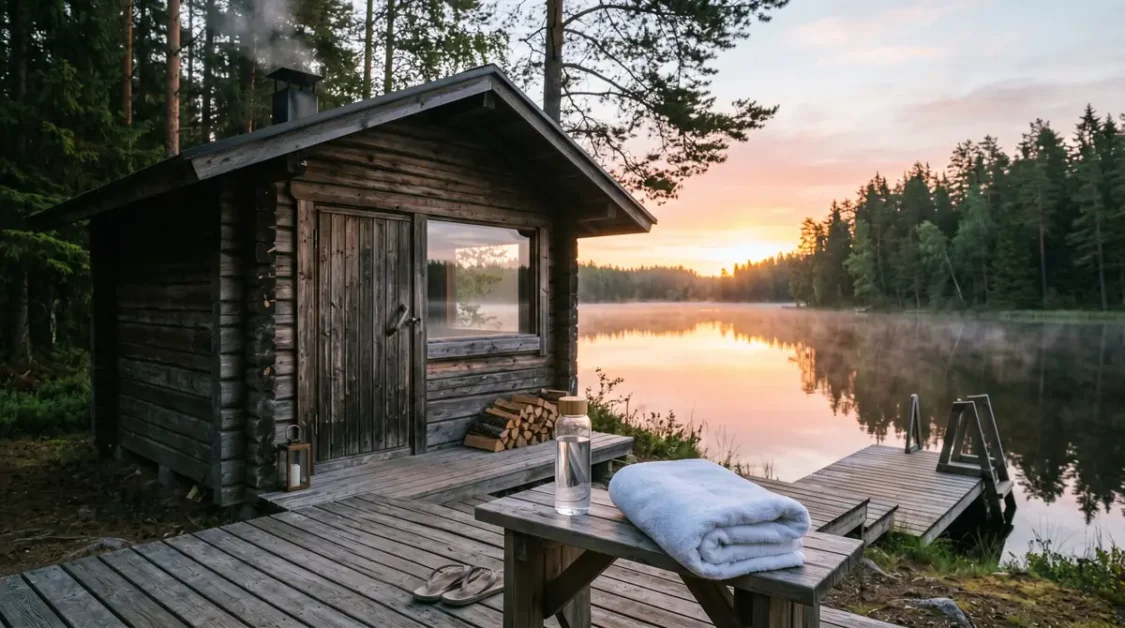
Why Morning Is Often the Best Time for a Summer Sauna
Morning sauna sessions are popular for good reason.
The body is usually well rested, outdoor temperatures are lower, and many people enjoy starting the day with a consistent wellness routine.
Cooler Outdoor Temperatures
One of the biggest advantages of a morning sauna is the environment outside the sauna.
At 7 a.m., outdoor temperatures may be significantly lower than they are at 3 p.m.
This means:
- Less overall heat stress
- Easier cooling afterward
- More comfortable transitions between sauna rounds
Easier Hydration Management
Many people wake up ready to hydrate before beginning their day.
Starting your sauna session while properly hydrated helps reduce the risk of headaches and fatigue later on.
A common mistake beginners make is entering a sauna after several hours of outdoor activity without replacing lost fluids.
Mental Clarity and Energy
Many sauna users describe morning sessions as an energizing way to start the day.
The combination of heat exposure and cooling afterward often leaves people feeling refreshed and alert.
For a broader look at how sauna use supports wellness habits, see our guide on sauna benefits and usage.
Building a Consistent Routine
Morning schedules tend to be easier to protect from interruptions.
Many people find that when they sauna first thing in the morning, they’re less likely to skip sessions later.
Is an Afternoon Sauna a Good Idea?
Afternoon sauna sessions can work well in some situations, but they also present unique challenges during summer.
Potential Benefits
An afternoon sauna may fit naturally into your day if you:
- Work out during lunch
- Have flexible work hours
- Prefer recovery sessions after exercise
Some people also enjoy a sauna as a midday reset.
The Main Drawback
The biggest issue is that afternoon is often the hottest part of the day.
Outdoor temperatures may already be at their peak.
When people start using a sauna regularly, they often discover that the same session feels much more intense at 3 p.m. than it does at 8 a.m.
When Afternoon Sessions Can Still Work
Afternoon sauna use may still be comfortable if:
- You’re indoors in air conditioning beforehand
- You’ve stayed hydrated
- You shorten your session slightly
- Outdoor temperatures are moderate
If you’re wondering whether sauna use is safe during hot weather at all, our guide on can you use a sauna in hot weather explains what precautions matter most.
Why Many People Prefer Evening Sauna Sessions
Evening is often the second most popular sauna time during summer.
After a busy day, many users enjoy slowing down and letting the heat help them relax.
Relaxation After a Long Day
Sauna heat often helps promote relaxation after stressful days.
People who sauna regularly often describe a calming post-session feeling that makes evenings especially appealing.
Cooler Outdoor Conditions
As the sun begins to set, temperatures usually start dropping.
This can make cooling down after the sauna feel more comfortable compared to afternoon sessions.
Supporting Better Sleep
Many users report better sleep after evening sauna sessions.
The relaxation that follows a sauna can become part of a consistent bedtime routine.
Creating a Wind Down Ritual
One thing people often overlook is how valuable routines can be.
An evening sauna, followed by a cool shower and quiet downtime, can signal to the body that it’s time to slow down.
How Outdoor Temperature Affects Sauna Timing
Not every summer day is the same.
Outdoor conditions play a major role in how comfortable your sauna session feels.
Early Morning Conditions
Benefits include:
- Lower temperatures
- Lower heat stress
- Easier recovery
Midday Heat Exposure
Challenges include:
- Increased sweating before entering the sauna
- Greater dehydration risk
- Higher overall body heat
Evening Cooling Trends
Many people find evening sessions easier because the day’s accumulated heat begins to fade.
Outdoor Sauna vs Indoor Sauna
Outdoor saunas are more affected by weather conditions.
Indoor saunas often provide a more controlled experience regardless of the season.
Best Sauna Time Based on Your Goal
The ideal sauna time isn’t the same for everyone.
What works best depends on what you’re trying to achieve.
For Relaxation
Evening is usually the winner.
After a busy day, sauna heat can help you unwind and disconnect from daily stress.
Many experienced sauna users make evening sessions part of their recovery routine.
For Energy and Focus
Morning sauna sessions often work best.
Many users report feeling more alert and mentally refreshed after a morning session followed by a cool shower.
This becomes noticeable after a few sessions as the routine becomes part of your day.
For Workout Recovery
The best time is usually after your workout.
Many people use saunas after exercise for muscle relaxation and recovery.
If you’re unsure about timing, our guide on sauna before or after workout explains the differences between both approaches.
For Better Sleep
Evening sessions generally provide the biggest advantage.
A sauna about one to three hours before bedtime often fits naturally into a sleep-friendly routine.
For Building Consistency
The best sauna time is often the one you can maintain regularly.
Over time, most sauna users discover that consistency matters more than finding the “perfect” hour of the day.
Summer Hydration Tips Based on Sauna Timing
Hydration becomes even more important during summer.
Many beginners underestimate how much fluid they lose throughout the day before they ever enter a sauna.
Morning Hydration Tips
Morning users should:
- Drink water soon after waking
- Avoid starting a session dehydrated
- Rehydrate after the sauna before beginning daily activities
Afternoon Hydration Tips
Afternoon sessions require extra attention because outdoor temperatures are often highest.
If you’ve been:
- Working outdoors
- Exercising
- Running errands in the heat
Take time to rehydrate before entering the sauna.
Evening Hydration Tips
Evening sessions may feel more comfortable, but hydration still matters.
Continue drinking water after your session and throughout the evening.
For additional recovery strategies, check out our guide on what to eat and drink after the sauna.
Warning Signs of Dehydration
Watch for:
- Headaches
- Dizziness
- Fatigue
- Excessive thirst
- Dark urine
If these symptoms appear, prioritize hydration before your next session.
Common Summer Sauna Timing Mistakes
Even experienced users occasionally make mistakes when temperatures rise.
Using a Sauna Immediately After Sun Exposure
A common mistake beginners make is moving directly from outdoor heat into the sauna.
If you’ve spent hours:
- At the beach
- Gardening
- Hiking
- Working outdoors
Allow yourself time to cool down first.
Going During the Hottest Part of the Day
For many people, mid-afternoon is the least comfortable time to sauna during summer.
Whenever possible, shift sessions toward morning or evening.
Skipping Water Before a Session
Many first-time sauna users notice headaches or fatigue because they started their session dehydrated.
Simple hydration habits often prevent this issue.
Staying Too Long Because You Feel Fine
During the first few minutes of a sauna session, the heat usually feels mild.
What usually happens is that heat stress builds gradually.
Always pay attention to how you feel throughout the session.
Ignoring Heat Wave Conditions
Extreme weather deserves extra caution.
Before your next session, review this printable Summer Sauna Safety Checklist to help reduce the risk of dehydration and overheating.
Sample Summer Sauna Schedules
Morning Sauna Routine Example
6:30 AM
- Drink water
- Light stretching
7:00 AM
- Sauna session
7:20 AM
- Cool shower
7:30 AM
- Breakfast and hydration
Afternoon Recovery Routine Example
After Workout
- Rehydrate
- Rest briefly
30 to 60 Minutes Later
- Sauna session
Afterward
- Cool down
- Replace fluids
Evening Relaxation Routine Example
7:00 PM
- Light dinner
8:00 PM
- Sauna session
8:30 PM
- Cool shower
9:00 PM
- Relaxation and hydration
FAQs
What time of day is sauna most beneficial?
The best time depends on your goals. Morning sessions are often preferred for energy and focus, while evening sessions are popular for relaxation and sleep support.
Is it better to sauna in the morning or evening?
Both can be excellent choices. Morning sessions may feel more energizing, while evening sessions often help people unwind after a busy day.
Should you avoid a sauna during the hottest part of the day?
Many people find morning and evening sessions more comfortable during summer because outdoor temperatures are lower than they are in mid-afternoon.
Is an evening sauna better for sleep?
Many sauna users report that evening sessions help them relax and prepare for bedtime, making sleep feel easier afterward.
Can you use a sauna after working outside all day?
Yes, but it’s important to cool down and rehydrate first. Entering a sauna while already overheated can increase discomfort and dehydration risk.
Does sauna timing affect benefits?
The benefits remain largely similar, but comfort, hydration needs, and how the session fits your routine can vary depending on the time of day.
What is the best time to use a sauna during a heat wave?
Early morning is often the most comfortable option because temperatures are typically lower and the body has not yet accumulated as much heat stress.