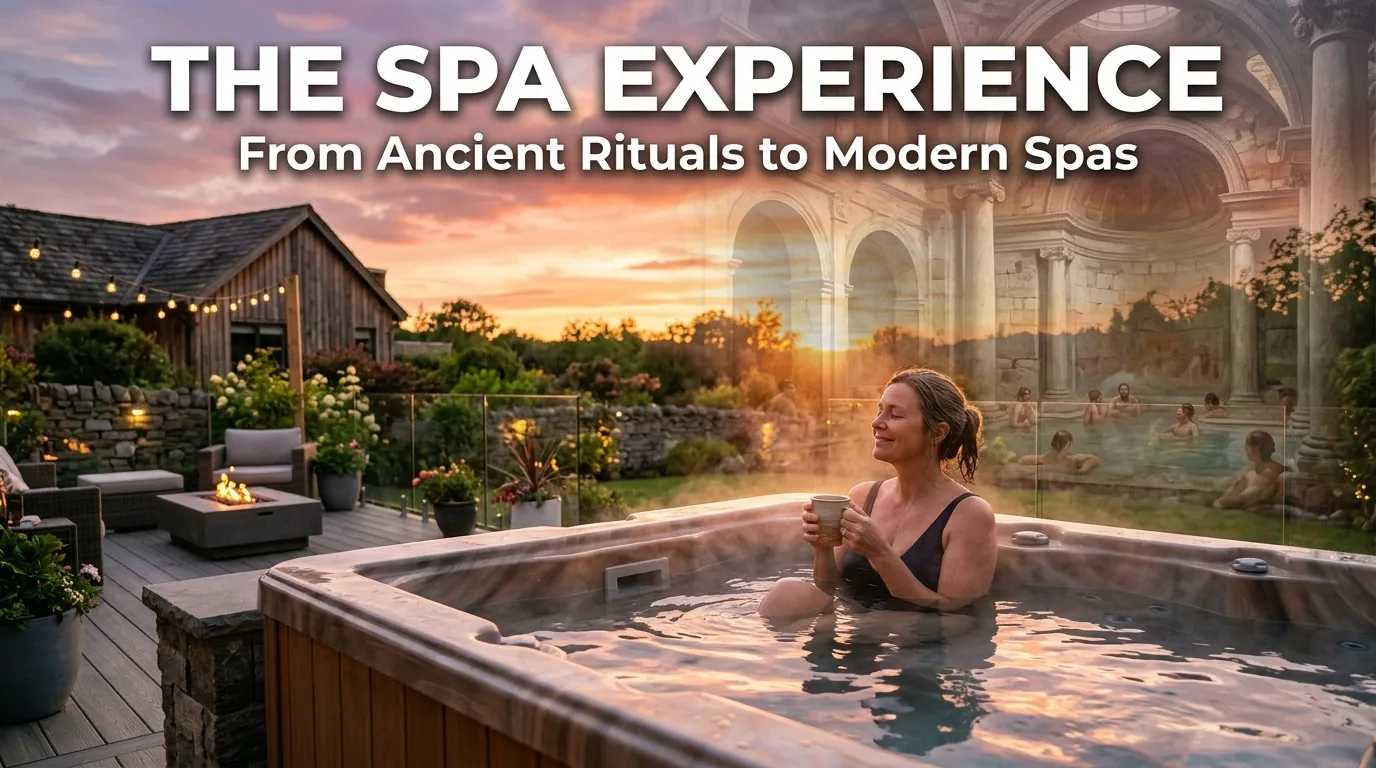
History of Hot Tub Soaking Tradition (From Ancient Rituals to Modern Spas)

Hot tubs might feel like a modern backyard luxury, but the idea of soaking in hot water goes back thousands of years.
Long before jets, heaters, and spa covers, people across the world were already using hot water for relaxation, healing, and even spiritual rituals. From Roman bathhouses to Japanese onsens, this simple act of soaking has always meant more than just getting clean.
In this guide, you’ll explore where hot tub soaking began, how different cultures shaped it, and how those traditions still influence the way you enjoy your hot tub today.
Where Did Hot Tub Soaking Begin?
The tradition of soaking in hot water didn’t start in one place. It showed up in different parts of the world, often for similar reasons.
Ancient Egypt and Early Hot Water Use
As far back as 5000 BC, ancient Egyptians used heated water for bathing and rituals. They believed water had cleansing powers, not just for the body but also for the spirit.
Bathing wasn’t just about hygiene. It was tied to health, beauty, and even religious practices.
Greek and Roman Bathhouses
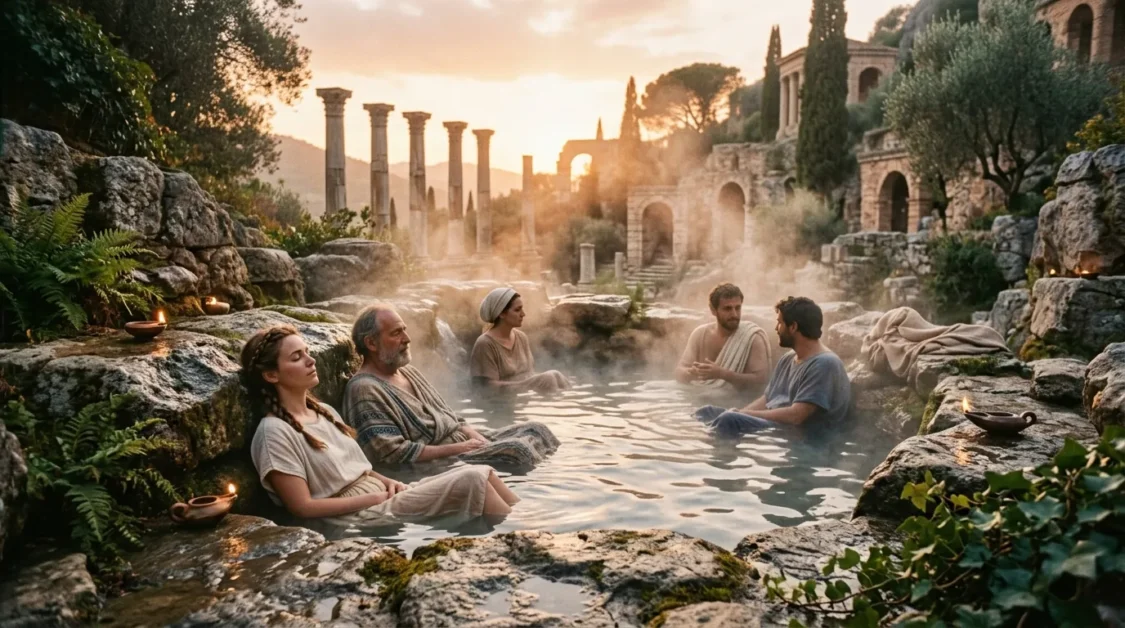
The Greeks were among the first to turn bathing into a social activity. Public baths became places where people gathered, relaxed, and even discussed ideas.
The Romans took things further.
They built massive bathhouses with:
- hot pools
- cold plunge pools
- steam rooms
- social areas
These spaces weren’t just for cleaning. They were central to daily life.
Why Ancient People Used Hot Water
Across these early civilizations, hot water soaking served a few key purposes:
- Relaxation after physical labor
- Relief from aches and pain
- Social interaction
- Spiritual cleansing
Even today, those same reasons still apply.
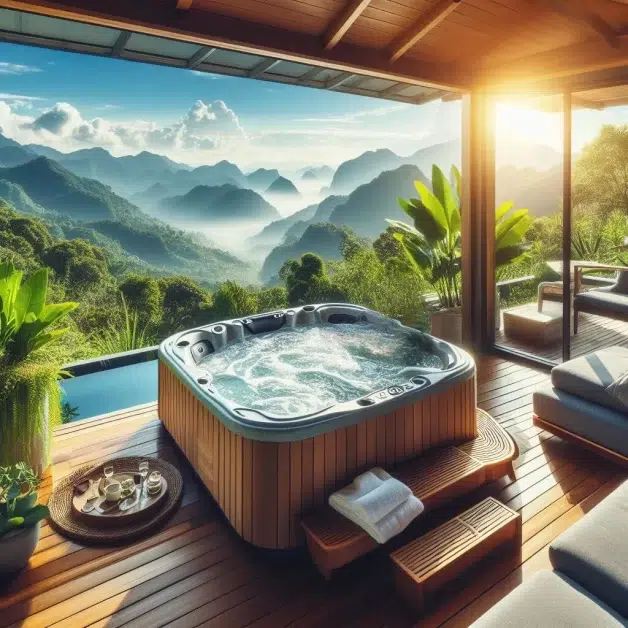
How Different Cultures Shaped Hot Tub Traditions
What’s interesting is how similar practices developed across completely different cultures.
Japanese Onsen Culture
Japan is famous for its onsens, natural hot springs used for centuries.
Soaking in an onsen isn’t rushed. It’s quiet, respectful, and almost meditative. People go there to unwind, reflect, and reconnect with nature.
This idea of slowing down is something many modern hot tub owners try to recreate.
Chinese and Ayurvedic Traditions
In China, hot water bathing was tied to medicine. Ancient texts from the Tang Dynasty mention its healing benefits.
In India, Ayurvedic practices encouraged warm water bathing to:
- improve circulation
- detoxify the body
- restore balance
These weren’t luxury experiences. They were part of daily health routines.
Native American Hot Springs Rituals
Many Native American tribes used natural hot springs for both healing and spiritual ceremonies.
Hot water was seen as a gift from nature, something to be respected and used thoughtfully.
This connection between water, nature, and well-being still carries into modern spa culture.
How Hot Tubs Evolved Into What We Use Today
The hot tub you use today didn’t appear overnight. It evolved step by step.
Wooden Tubs in Europe
In Europe, early versions of hot tubs were simple wooden barrels filled with heated water.
They were practical and often used for bathing, but they also started to take on a more relaxing role.
The Birth of Modern Hot Tubs
In the early 1900s, things started to change.
Mechanical pumps and heating systems were introduced, making it easier to maintain warm water for longer periods. This shifted hot tubs from basic bathing tools to comfort-focused experiences.
The California Hot Tub Boom
The real turning point came in the 1960s, especially in California.
Hot tubs became part of a lifestyle:
- relaxation
- social gatherings
- backyard leisure
This is where the modern image of a hot tub really took shape.
If you’re curious how hot tubs fit into everyday use today, this beginner guide to hot tub use is a great place to start.
Why Hot Tub Soaking Has Always Been Popular
Despite all the changes over time, the reasons people love hot tubs haven’t changed much.
Relaxation and Stress Relief
Warm water naturally relaxes muscles and calms the mind.
After a long day, stepping into a hot tub still feels just as good as it did thousands of years ago.
Social Connection
From Roman bathhouses to modern backyard spas, hot tubs have always been social spaces.
They bring people together in a way that feels easy and natural.
Health and Therapy
Hot water soaking has long been linked to physical and mental benefits.
Many people use hot tubs today for:
- muscle recovery
- joint relief
- better sleep
You can explore more about these benefits in this hot tub health benefits guide.
How Ancient Traditions Influence Modern Hot Tub Use
Even with all the modern technology, today’s hot tubs still reflect ancient habits.
From Public Baths to Private Spaces
In the past, soaking was often communal.
Today, it’s more private, but the purpose is still the same, relax and recharge.
From Rituals to Daily Habits
What used to be a ritual is now part of everyday life for many homeowners.
A quick soak after work or before bed follows the same idea as ancient practices, just adapted to modern schedules.
What We Still Do the Same
You may not realize it, but when you:
- sit quietly in warm water
- unwind after stress
- enjoy time with others
You’re continuing a tradition that’s been around for thousands of years.s. It’s a testament to our collective pursuit of simple pleasures found in the warmth of water. Here’s to your next hot water-soaking experience. May it be a journey of deep relaxation and revitalization!
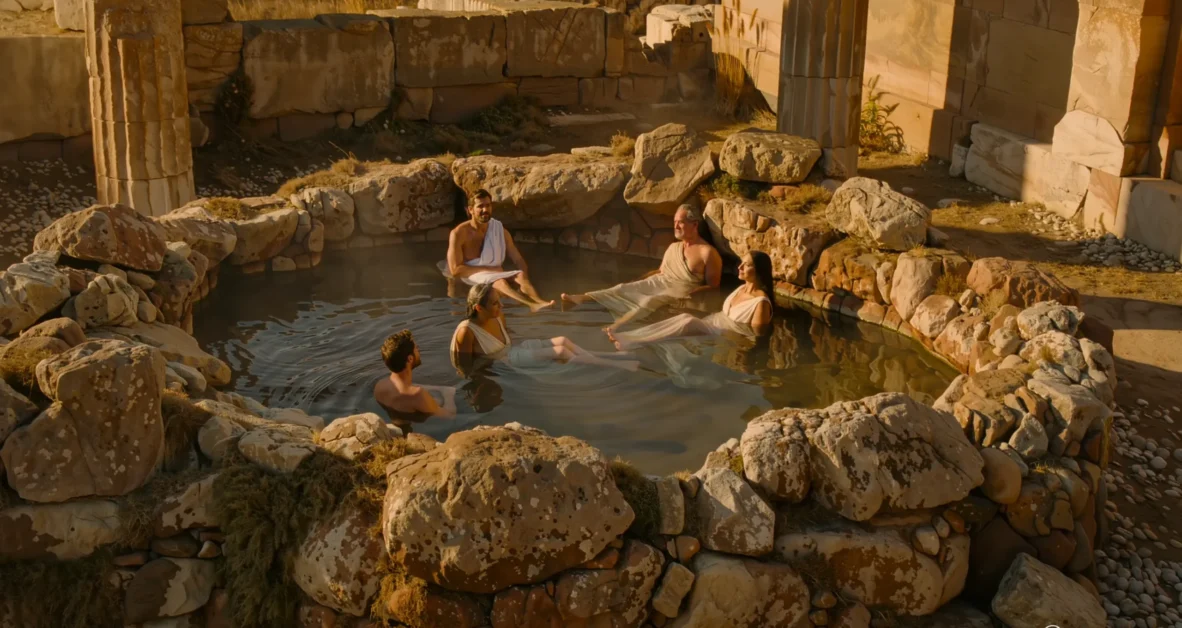
How to Recreate the Traditional Hot Tub Experience at Home
You don’t need a natural hot spring to enjoy the full experience. You can bring that same feeling into your own backyard.
Set the Right Temperature
Most people find 100°F to 104°F comfortable.
Too hot, and it becomes uncomfortable. Too cool, and you lose the relaxing effect.
Create a Calm Environment
Think about the atmosphere:
- soft lighting
- quiet surroundings
- minimal distractions
This helps recreate the peaceful vibe of traditional soaking.
Add Scents or Aromatherapy
Many ancient cultures used natural elements to enhance the experience.
Today, you can do the same with spa-safe scents. If you’re interested, check out these hot tub aromatherapy ideas.
Modern Hot Tubs vs Ancient Bathing Traditions
Here’s a quick comparison to show how things have changed.
| Feature | Ancient Traditions | Modern Hot Tubs |
|---|---|---|
| Purpose | Ritual, hygiene, healing | Relaxation, therapy, socializing |
| Location | Public or natural springs | Private homes, patios |
| Technology | Natural heat sources | Electric heaters, jets |
| Experience | Cultural and spiritual | Comfort and lifestyle |
Even though the tools are different, the core experience is surprisingly similar.
Why This Tradition Still Matters Today
Hot tub soaking isn’t just a trend. It’s something people have valued for centuries.
In today’s fast-paced world, it offers something rare:
- a chance to slow down
- a break from screens
- a moment to relax
That’s why it continues to grow in popularity.
Final Thoughts:
The history of hot tub soaking shows just how universal this experience is.
From ancient civilizations to modern backyards, people have always been drawn to warm water for comfort, connection, and well-being.
And even though your hot tub might have jets, lights, and advanced controls, the feeling you get when you step in is the same one people have been enjoying for thousands of years.
According to World History Encyclopedia, Roman baths were not just for cleaning but also served as social and cultural hubs, shaping early hot water soaking traditions (https://www.worldhistory.org/Roman_Baths/).
Frequently Asked Questions
When were hot tubs first used?
Hot water soaking dates back to around 5000 BC, with early use in ancient Egypt and natural hot springs around the world.
Why did ancient cultures use hot water bathing?
They used it for relaxation, healing, hygiene, and spiritual rituals.
Are modern hot tubs based on Roman baths?
Yes, modern hot tubs share similarities with Roman bathhouses, especially the focus on relaxation and social use.
What are the benefits of soaking in hot water?
Hot water soaking can help relax muscles, reduce stress, improve circulation, and support better sleep.








2 Comments
Comments are closed.