
Relaxing in a Hot Tub: A Calm Soak Routine

Relaxing in a hot tub is less about chasing health claims and more about creating a comfortable routine you actually look forward to. The right water temperature, softer lighting, moderate jets, a drink of water, and fewer distractions can make an ordinary soak feel much calmer.
This page focuses on the practical experience of relaxing in a hot tub at home. If you want evidence-based information about heat, blood pressure, pregnancy, waterborne illness, or other health considerations, see our separate guide to hot tub benefits and risks.
What Makes a Hot Tub Feel Relaxing?
A relaxing soak usually comes from several small choices working together. You do not need special equipment or a complicated routine.
- Comfortable water temperature: Warm enough to feel soothing without making you feel overheated.
- Supportive seating: Pick a seat where your shoulders, back, and feet can settle naturally.
- Moderate jet pressure: Stronger is not always more relaxing. Use enough pressure to feel comfortable rather than bracing against the jets.
- Low distraction: Fewer notifications, bright lights, and chores competing for your attention.
- An easy exit: Have a towel, robe, footwear, and water ready before you get in.
Set the Water for Comfort, Not Maximum Heat
The hottest setting is not automatically the most relaxing. Start lower and adjust for comfort, especially if you are new to hot tubs or plan to stay in for more than a few minutes.
The CDC says hot tub water should not be higher than 104°F. A lower setting can still feel comfortably warm and may be easier to enjoy without feeling flushed or overheated. Our hot tub temperature guide explains how temperature changes the soaking experience.
A 5-Minute Setup Before You Get In
Most interruptions are easier to fix before the cover comes off. A short setup keeps you from climbing out because you forgot something.
- Check the water temperature and make sure the spa is ready to use.
- Place a dry towel, robe, and slip-resistant footwear within easy reach.
- Bring drinking water in a non-breakable container.
- Lower bright patio lighting and leave enough light for safe entry and exit.
- Choose one activity: quiet, music, conversation, or a short breathing routine.
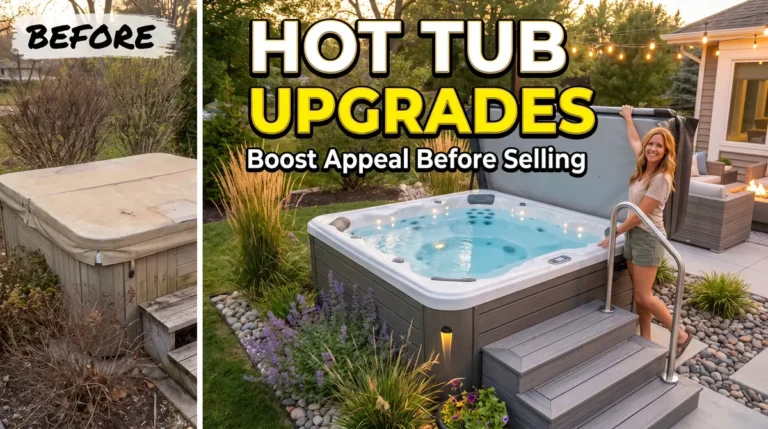
If the surrounding area feels cluttered or exposed, a few layout changes can help. See our outdoor hot tub area ideas for privacy, lighting, seating, and patio inspiration.
Try This Simple 15-Minute Wind-Down Routine
This is a relaxation template, not a universal soak-time rule. Your comfortable time will depend on water temperature, health, medications, and how you feel. Leave sooner if the heat stops feeling comfortable.
| Time | What to do | Why it helps the routine |
|---|---|---|
| Minutes 1-2 | Settle into a comfortable seat and adjust the jets | Prevents constant repositioning |
| Minutes 3-5 | Slow your breathing and let your shoulders drop | Creates a clear transition from chores or work |
| Minutes 6-10 | Use moderate jets on areas that feel tense | Keeps the soak comfortable instead of overly intense |
| Minutes 11-13 | Switch to quiet, soft music, or easy conversation | Reduces stimulation |
| Minutes 14-15 | Turn jets down, stand slowly, dry off, and drink water | Makes the end of the soak feel unhurried |
Use Lighting That Helps You Unwind
Bright overhead lighting can make a backyard feel more like a work area than a place to relax. Softer patio lights, warm pathway lighting, or the spa’s built-in lights can create a calmer setting while still keeping steps and walking surfaces visible.
Avoid making the area so dark that entry and exit become difficult. Relaxation should not come at the expense of seeing wet steps, handrails, or objects around the spa.
Choose Sound on Purpose
Some people relax better with quiet. Others prefer low music, a podcast, or natural backyard sounds. Pick one background sound instead of switching between apps and playlists throughout the soak.
Keep phones, speakers, chargers, and other electronics away from the water unless the product is specifically designed and rated for that environment. If checking your phone pulls you back into messages or work, leave it inside and use a separate speaker placed safely away from the spa.
Keep Towels, Robes, and Water Within Reach
A cold walk across the patio looking for a towel can undo the calm feeling quickly. Set up the exit before the soak starts.
- A large dry towel
- A warm robe for cool evenings
- Slip-resistant footwear for the walk back inside
- Drinking water in a non-breakable bottle or cup
For colder weather, compare absorbency, warmth, and fit in our guide to hot tub robes with hoods.
Use Spa-Safe Scents, Not Household Oils
Scent can change the mood of a soak, but ordinary essential oils, bath oils, and household fragrance products can leave residue, create foam, or interfere with spa surfaces and water care.
If you want fragrance, use a product specifically labeled for hot tubs and follow its directions. Our hot tub aromatherapy guide explains the difference between spa-safe products and products better kept out of the water.
Relaxing Alone vs. With Other People
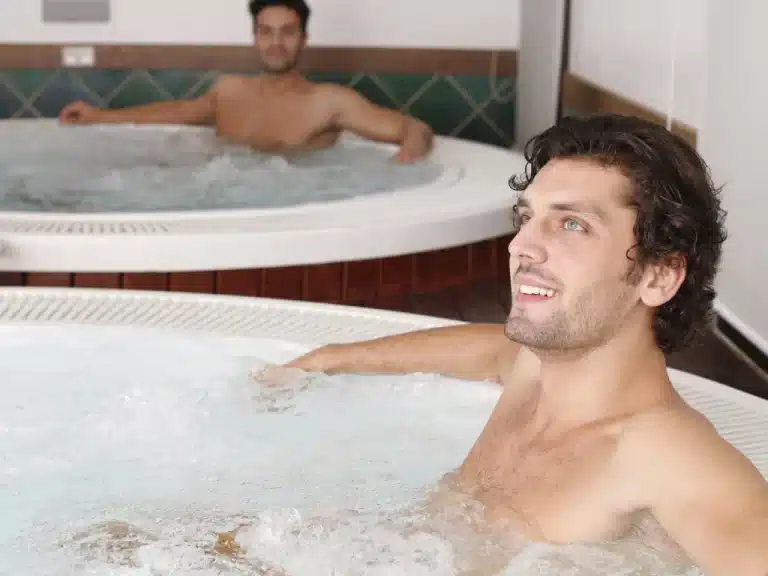
A solo soak works well when you want quiet and fewer decisions. Keep the routine simple: comfortable temperature, low lighting, water nearby, and one sound choice.
With a partner or friends, the most relaxing setup is usually the one with the least fuss. Keep conversation easy, give everyone enough personal space, and avoid turning every soak into a party. If one person prefers stronger jets or cooler water, adjust the seats or settings rather than assuming everyone relaxes the same way.
What Makes a Soak Less Relaxing?
- Setting the spa to 104°F by default even when a lower temperature feels better
- Running every jet at full power for the entire soak
- Checking work messages or social media every few minutes
- Using glassware around the hot tub
- Drinking alcohol before or during the soak
- Staying in after you feel dizzy, faint, nauseated, unusually weak, confused, or too hot
A Simple Evening Hot Tub Routine
For an evening soak, do the setup before you are tired. Put the towel and robe out, lower the lights, bring water, and decide how you want to spend the soak before getting in.
When you get out, keep the transition easy. Dry off, cover the spa, drink some water, and head inside rather than adding another round of screens, chores, or loud entertainment. The routine works best when it feels repeatable instead of elaborate.
Know When to End the Soak
A relaxing soak should still feel comfortable. Get out if you feel dizzy, faint, nauseated, confused, unusually weak, or overheated. Stand up and exit slowly if the heat makes you lightheaded.
The CDC’s hot tub safety guidance says water should not exceed 104°F and advises against drinking alcohol before or during hot tub use. Pregnancy, heart conditions, blood-pressure concerns, medications, and other medical situations need individual guidance; our health and safety review of hot tub benefits and risks covers those questions separately.
Frequently Asked Questions
How can I make my hot tub more relaxing?
Use a comfortable temperature, moderate the jets, lower harsh lighting, keep water and a towel nearby, and choose one low-distraction activity such as quiet music or conversation.
What temperature is best for a relaxing hot tub?
There is no single perfect comfort setting. Start below the 104°F maximum and adjust to a temperature that feels pleasantly warm without making you feel overheated.
Can I use essential oils in a hot tub?
Do not assume household essential oils are spa-safe. Use only fragrance or aromatherapy products specifically labeled for hot tubs and follow the product and spa manufacturer’s directions.
Should I listen to music in the hot tub?
Music can work well if it helps you settle down rather than gives you another device to manage. Keep electronics safely away from the water unless they are specifically designed for that environment.
How long should a relaxing hot tub soak last?
There is no universal time that fits every adult. Temperature, health, medications, and individual heat tolerance matter, so use comfort and symptoms as your guide and get out when the heat stops feeling good.
Make the Routine Easy to Repeat
The most useful relaxation routine is the one you can repeat without much preparation. Comfortable water, a ready towel, softer light, moderate jets, drinking water, and fewer distractions do more for the experience than adding a long list of accessories.
Set up those basics before your next soak and adjust one thing at a time until the routine fits your backyard, your schedule, and the way you prefer to relax.