

Wood-Fired Hot Tubs: Pros, Cons and Cost in

Thinking about a wood-fired hot tub but not sure if it’s the right choice for your backyard? You’re not alone, many people love the rustic charm but wonder about the extra work, the cost, and how it really compares to a traditional hot tub. Compare it with heat pumps, gas, solar, and other options in our alternative hot tub heating methods guide.
This guide breaks down the honest pros and cons, what you can expect to pay, and how wood-fired tubs stack up against electric models, so you can decide with confidence before you buy or build.
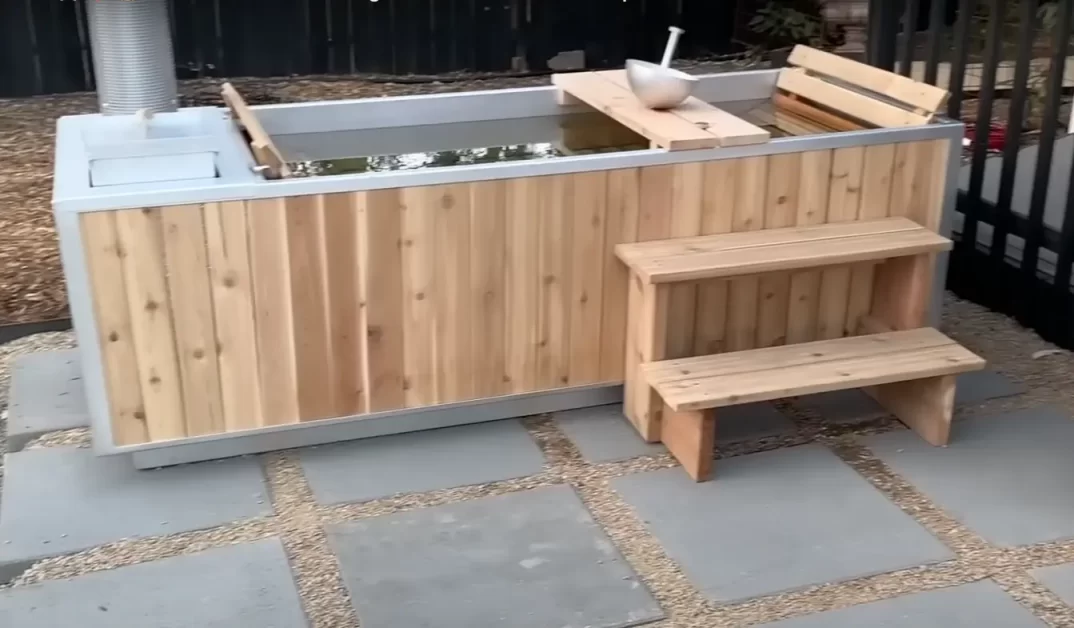
Here are the four new sections, formatted and ready to slot into the existing page (after the introduction, before “Types of Wood-Fired Hot Tubs”).
Pros and Cons of a Wood-Fired Hot Tub
A wood-fired hot tub costs less to run than an electric model and gives you that rustic, off-grid soak, but it takes more hands-on effort. You’ll need to tend a fire, store dry wood, and plan for a longer heat-up time before every use.
Pros of a Wood-Fired Hot Tub
- Lower running costs. Once you have a wood source, you’re not paying for electricity to heat hundreds of gallons of water.
- Works off-grid. No electrical hookup needed, which makes it a good fit for cabins, campsites, or remote properties.
- Natural, rustic feel. Cedar and redwood tubs bring a warmth and aroma that electric acrylic tubs can’t match.
- Simple mechanics. Fewer electronic parts means fewer things that can break down over time.
Cons of a Wood-Fired Hot Tub
- Slower to heat. Expect several hours to reach soaking temperature, especially in cooler weather.
- Requires active fire tending. You’ll need to feed the fire and monitor the temperature throughout your soak.
- Wood storage and mess. You’ll need a dry place to store fuel, and soot or ash cleanup becomes a regular chore.
- Less precise temperature control. Electric tubs hold a steady, exact temperature; wood-fired tubs take more attention to keep comfortable.
This is something many new hot tub owners overlook until after they’ve bought their first wood-fired tub. If a low-maintenance soak matters more to you than the rustic experience, it’s worth comparing wood-fired tubs against a traditional hot tub before you decide.
Wood-Fired vs. Traditional Hot Tubs: Which Is Right for You?
Wood-fired hot tubs are better if you want lower running costs, off-grid use, and a natural soaking experience, while traditional electric hot tubs are better if you want quick, consistent heat with less daily effort.
| Wood-Fired Hot Tub | Traditional (Electric) Hot Tub | |
|---|---|---|
| Heat-up time | Several hours | 30 minutes to a few hours, thermostat-controlled |
| Running cost | Cost of firewood only | Monthly electric bill |
| Effort per use | Fire tending, wood restocking | Turn on jets and go |
| Power needed | None | Standard electrical hookup |
| Temperature control | Manual, less precise | Precise, digital |
| Best for | Cabins, off-grid spots, rustic backyards | Everyday convenience, frequent use |
If quick, low-effort soaks matter more to you than the rustic experience, a traditional hot tub is usually the easier choice for everyday backyard use.
How Much Does a Wood-Fired Hot Tub Cost?
A wood-fired hot tub typically costs between $1,500 and $6,000 to buy or build, depending on size and materials, plus the ongoing cost of firewood instead of an electric bill.
Buying a pre-made wood-fired hot tub
- Stock tank and portable models: roughly $1,500 to $3,000
- Traditional cedar or redwood tubs: roughly $3,000 to $6,000
- Custom or larger builds (Japanese Ofuro tubs, hot tub boats): $6,000 and up
Building your own
As covered in the build guide below, a DIY wood-fired hot tub typically runs $1,500 to $3,000 in materials and takes one to two weeks to complete.
Ongoing running costs
Instead of a monthly electric bill, you’re mainly paying for firewood. Costs vary by region and how often you soak, but many owners find it cheaper per month than running an electric heater, especially with a well-insulated tub. Use our hot tub running cost calculator to compare wood-fired and electric costs side by side for your own usage.
Types of Wood-Fired Hot Tubs
Before making a choice, each type offers its unique benefits, making it important to consider your specific needs and preferences.
1. Traditional Wooden Hot Tubs
These hot tubs are made from durable woods like cedar or redwood, which are prized for their classic rustic charm, natural aesthetics, and excellent insulation.
- Features: Round or oval shape, deep soaking depth, wooden benches, wood-fired heater.
- Benefits: Offers a natural, rustic look that blends well with outdoor environments. The wood’s natural insulating properties help maintain water temperature.
- Ideal For: Outdoor enthusiasts and those who prefer a natural, classic look. Perfect for cabins, woodland retreats, or a rustic backyard setting.
2. Portable Wood-Fired Hot Tubs
Crafted from lightweight materials, these hot tubs offer easier mobility and setup than traditional wooden tubs.
- Features: Lightweight construction, easy assembly, portable heater, sometimes inflatable.
- Benefits: Can be moved and set up in different locations, making them ideal for camping trips, temporary setups, or smaller spaces.
- Ideal For: Those who enjoy flexibility and might want to change the location of their hot tub. Great for weekend getaways or those with limited space.
3. Wood-Fired Stock Tank Hot Tubs
Repurposing large metal tanks from agriculture, these budget-friendly hot tubs are popular for their simplicity and industrial-chic look.
- Features: Galvanized metal construction, typically round or oval, wood-fired heater.
- Benefits: Affordable, durable, and easy to maintain. The metal construction makes them sturdy and long-lasting.
- Ideal For: DIY enthusiasts and those who prefer a minimalist or industrial design. Perfect for modern backyards or urban outdoor spaces.
4. Cedar Barrel Hot Tubs
It offers with durable barrel design, and stylish and low-maintenance options due to its tight seal.
- Features: Barrel design, tight wood seal, built-in benches, wood-fired heater.
- Benefits: The barrel shape creates a natural seal that reduces leaks and improves insulation. Cedarwood adds a pleasant aroma and enhances the overall experience.
- Ideal For: Those who want a durable, low-maintenance tub with a unique look. Ideal for both modern and traditional outdoor settings. Check out more about Cedar Hot Tub.
5. Japanese Ofuro Tubs
Japanese Ofuro tubs bring an element of cultural tradition to the wood-fired hot tub experience. These tubs are designed for deep soaking, often in a sitting position, and are smaller in size compared to typical Western hot tubs.
- Features: Deep, square, or rectangular shape, designed for sitting, wood-fired heater.
- Benefits: Provides a unique soaking experience with a focus on relaxation and meditation. The compact size makes it ideal for smaller spaces.
- Ideal For: Those who appreciate Japanese culture and want a hot tub that encourages a peaceful, meditative experience. Perfect for serene gardens or small patios.
6. Wood-Fired Hot Tub Boats
For the adventurous, wood-fired hot tub boats offer a unique combination of relaxation and exploration. These floating tubs allow you to enjoy a warm soak while drifting on a calm body of water.
- Features: Boat structure with built-in hot tub, wood-fired heater, and steering mechanism.
- Benefits: Combines the pleasure of a hot tub with the freedom to explore. Ideal for lakes, calm rivers, or large ponds.
- Ideal For: Adventurers and those who love being on the water. Great for lakefront properties or as a unique feature at a waterfront resort. Check and read about Wooden Spa.
Frequently Asked Questions
Are wood-fired hot tubs any good?
Yes, for the right owner. They’re a great fit if you want lower running costs and don’t mind tending a fire, but they take more effort than an electric hot tub.
What are the disadvantages of a wood-fired hot tub?
The main downsides are longer heat-up times, the need to gather and store firewood, and less precise temperature control compared to an electric tub.
Are wooden hot tubs better than fiberglass or acrylic hot tubs?
Neither is universally better. Wooden tubs cost less to run and give a more natural experience, while fiberglass or acrylic electric tubs heat faster and need less daily effort.
How long does it take to heat a wood-fired hot tub?
Most wood-fired hot tubs take a few hours to reach a comfortable soaking temperature, depending on the size of the tub, insulation, and outdoor temperature.
Can I use a wood-fired hot tub in winter?
Yes, but you’ll need extra insulation, a thermal cover, and more firewood to reach and hold your target temperature in cold weather.