
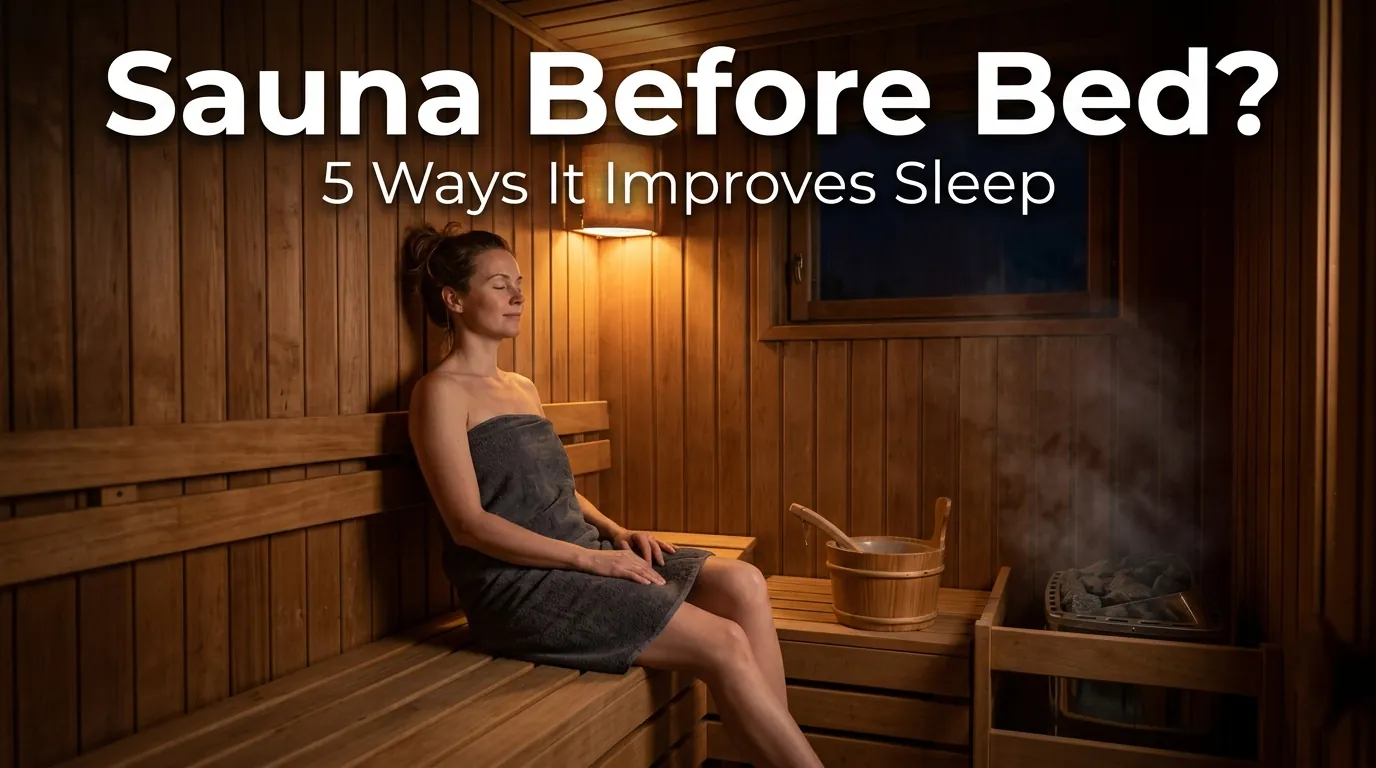
Is It Good to Have a Sauna Before Bed?

If you’ve ever stepped out of a sauna feeling completely relaxed, you’ve probably wondered, “Would this help me sleep better?” For related planning, see Does Crunch Fitness have a sauna?.
Short answer, yes, a sauna before bed can actually improve your sleep, if you use it the right way.
The heat, the quiet, and that full-body relaxation all work together to calm your mind and prepare your body for rest. But timing, safety, and routine matter more than most people think.
In this guide, you’ll learn exactly how sauna use affects your sleep, what benefits to expect, and how to build a simple nighttime routine that actually works.

What Happens to Your Body in a Sauna Before Bed?
When you sit in a sauna, your body goes through a few important changes that directly impact sleep.
Here’s what’s happening behind the scenes:
- Your blood vessels expand, improving circulation
- Your heart rate increases slightly, similar to light exercise
- Your muscles relax as heat loosens tight areas
- Your stress hormones begin to drop
That warm, heavy feeling you get afterward? That’s your nervous system shifting into relaxation mode.
It’s very similar to what many people experience when they unwind in warm water. If you’ve ever tried relaxing in a hot tub, you’ll notice the same calming effect, just with dry heat instead of water.

Can a Sauna Help You Sleep Better?
Yes, using a sauna before bed can improve sleep quality, especially if you struggle with stress or restlessness at night.
How heat affects your sleep cycle
Your body naturally cools down before sleep. A sauna speeds this process up.
After you step out, your body temperature drops faster than normal, which signals your brain that it’s time to rest.
Body temperature drop and sleep
This cooling effect is one of the biggest reasons saunas help with sleep. It mimics your natural sleep rhythm and makes it easier to fall asleep faster.
Melatonin and relaxation
Some studies suggest heat exposure may support melatonin production, the hormone that controls your sleep cycle.
Even without diving into science, you’ll feel it. Your body just feels ready to shut down and rest.
5 Proven Ways a Sauna Improves Sleep
Here’s where sauna use really shines. These are the real benefits most people notice.
1. Relieves muscle pain and tension
Heat loosens tight muscles and reduces soreness.
If you’ve had a long day, worked out, or just feel stiff, a sauna helps your body unwind physically, not just mentally.
2. Reduces stress and anxiety
This is probably the biggest benefit.
The quiet heat environment slows your breathing and calms your mind. It’s similar to meditation without needing to “try.”
If anxiety is something you deal with, you might also find this helpful alongside hot tubs for anxiety relief, which work in a similar way using water-based heat.
3. Helps lower blood pressure
Sauna use can improve circulation and support lower blood pressure over time.
That relaxed state carries into bedtime, making it easier to fall asleep without that restless feeling.
4. Supports natural body cooling
This is key.
After leaving the sauna, your body cools down quickly. That drop in temperature is exactly what your body needs before sleep.
5. May improve melatonin production
While research is still growing, many people report deeper sleep and fewer nighttime wake-ups after using a sauna regularly.
Sauna Before Bed vs Hot Tub Before Bed
Both are great, but they feel different.
Here’s a simple breakdown:
| Feature | Sauna | Hot Tub |
|---|---|---|
| Heat type | Dry heat | Wet heat |
| Relaxation feel | Deep, quiet | Soothing, buoyant |
| Muscle relief | Strong | Very strong |
| Hydration impact | Higher dehydration risk | Lower |
A sauna gives you that deep, still relaxation.
A hot tub adds buoyancy and water pressure, which can feel even more soothing for joints.
If you’re deciding between the two, this guide on sauna vs hot tub breaks it down in more detail.

The Best Time to Use a Sauna at Night
Timing matters more than most people realize.
Ideal timing
- Use a sauna 1 to 2 hours before bed
- This gives your body time to cool down properly
Session length
- 10 to 20 minutes is enough
- Longer sessions don’t improve sleep and can actually make you feel drained
Temperature range
- 150°F to 195°F is typical for traditional saunas
- Stay on the lower end if you’re new
The goal isn’t to push limits. It’s to relax your body and prepare it for sleep.
The Perfect Nighttime Sauna Routine
If you want the best results, keep things simple and consistent.
Step-by-step routine
- Hydrate lightly before your session
Drink a glass of water, but don’t overdo it - Sauna session (10–20 minutes)
Sit comfortably, breathe slowly, and relax - Cool-down period (10–15 minutes)
Let your body temperature drop naturally - Warm or lukewarm shower
Helps rinse off sweat and relax muscles further - Wind down without screens
Read, stretch, or just sit quietly
This routine works because it mirrors your body’s natural transition into sleep.
If you enjoy adding small comfort touches, things like scents or calming setups from hot tub aromatherapy options can also enhance the experience.
Is It Safe to Fall Asleep in a Sauna?
No, it’s not safe to fall asleep in a sauna.
This is one of the most important things to understand.
Here’s why:
- Your body continues to overheat
- Dehydration increases quickly
- You can lose awareness of how long you’ve been inside
Always leave the sauna before you feel too relaxed or drowsy.
For general safety habits around heat exposure, it’s worth reviewing these hot tub safety precautions since many of the same rules apply.
Who Should Avoid Using a Sauna Before Bed?
While saunas are safe for most people, some should be cautious.
You may want to skip nighttime sauna use if you have:
- Heart conditions
- Very low blood pressure
- Dehydration issues
- Recent illness or fever
Also avoid sauna use if you’ve been drinking alcohol. Heat and alcohol together can be risky.
When in doubt, check with your doctor, especially if you have any ongoing health concerns.
Common Mistakes to Avoid
A few small mistakes can completely cancel out the benefits.
Here’s what to watch for:
- Staying in too long, thinking more heat = better sleep
- Using the sauna too close to bedtime
- Not drinking enough water
- Combining sauna use with alcohol
- Skipping the cool-down phase
Most of these are easy fixes once you know what to look for.
Final Verdict: Should You Use a Sauna Before Bed?
Yes, a sauna before bed can help you sleep better, as long as you use it properly.
The biggest benefits come from:
- Relaxing your muscles
- Reducing stress
- Helping your body cool down naturally
If you keep your sessions short, give yourself time to cool down, and stay hydrated, it can become one of the easiest ways to improve your sleep.
Think of it as a simple nightly reset for your body.
Frequently Asked Questions
Is sauna better than hot tub before bed?
It depends on what you prefer. Saunas offer deep, quiet relaxation, while hot tubs provide soothing water pressure and buoyancy.
How long should you stay in a sauna at night?
10 to 20 minutes is ideal. Longer sessions don’t improve sleep and may lead to dehydration.
Can sauna help with insomnia?
It can help reduce stress and improve relaxation, which may make it easier to fall asleep, especially for mild insomnia.
Should you shower after a sauna before bed?
Yes, a warm or lukewarm shower helps your body cool down and improves comfort before sleep.
Is it okay to use a sauna every night?
For most healthy people, yes. Just keep sessions short, stay hydrated, and listen to your body.