
Most people miss one tiny requirement that can delay installation by weeks. Here’s how to avoid it.
Owning a hot tub sounds simple until you realize the setup takes a little planning. The good news, once you know the basics, the whole process feels way less stressful. This guide walks you through everything, from electrical needs to the best base to real mistakes people run into. If you’re setting up a hot tub anywhere in the US or you live in Bridgeport, Chicago, you’ll find everything you need right here.
Hot tub installation requires a solid base, a dedicated GFCI-protected electrical line, enough clearance for delivery, and proper drainage around the site. Most hot tubs weigh 3,000 to 5,000 pounds when filled, so they need firm support. Check permit rules and plan electrical access before delivery to avoid delays or extra costs.
Hot tubs, also known as spas, are versatile structures designed to provide a luxurious and therapeutic bathing experience. They typically consist of a large, insulated tub filled with heated water, often equipped with powerful jets for massage and hydrotherapy.
Quick Checklist Before You Install a Hot Tub
Here’s the stuff that matters before your hot tub even shows up on delivery day. You can use this as your personal prep list.
- Electrical: A dedicated line, GFCI breaker, and the right voltage (110v or 220v depending on the model).
- Base: Something that can handle weight. Filled hot tubs typically weigh 3,000 to 5,000 pounds.
- Location: Privacy, drainage, sunlight, wind protection, and at least 5 feet of clearance from walls or fences.
- Delivery Path: The route from the street to your yard needs enough space to carry a 700 to 900-pound shell.
- Water Access: You’ll need a hose nearby and decent drainage so the yard doesn’t flood during draining.
- Permits: Some cities require permits, especially if electrical upgrades or structural deck changes are involved.
If you want a simple reference for tools, chemicals, and general setup steps, the hot tub start-up guide comes in handy for new owners.
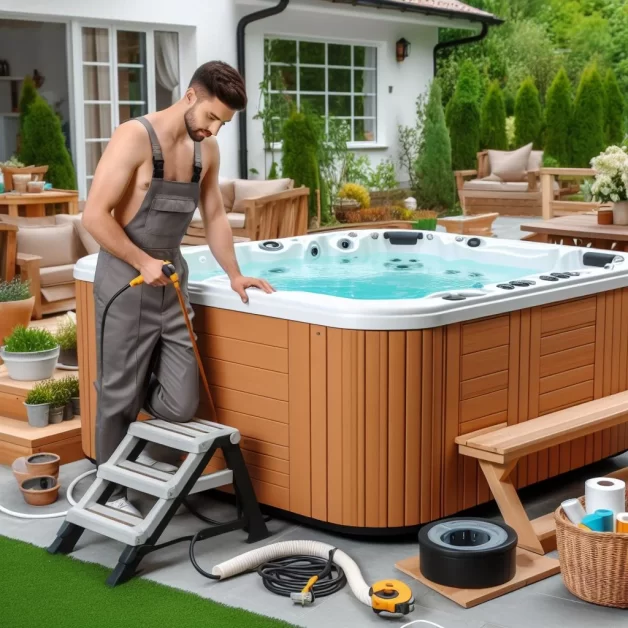
Why Invest in a Hot Tub?
- Health Benefits: Regular use of hot tubs can improve circulation, relieve muscle tension, and reduce stress.
- Outdoor Living: Enhance your backyard space and create a perfect area for social gatherings.
- Year-round Enjoyment: Enjoy your hot tub every season, whether it’s a warm summer night or a chilly winter evening.
Hot Tub Installation Requirements
Every hot tub has a few non-negotiables installers look for. When these aren’t in place, installation gets delayed or costs more than it should.
Electrical Requirements
Most hot tubs fall into two categories:
110v Plug-and-Play
- Plugs into a regular outlet
- Slower heating
- Fewer jets
- Great for small spaces
220v Hardwired
- Needs a licensed electrician
- Faster heating
- Runs more pumps
- Better temperature recovery in winter
Almost all 220v tubs require:
- A 50–60 amp GFCI breaker
- 6-gauge copper wiring
- Shutoff box within line of sight
Installers also prefer the electrical line to run in conduit, especially in snowy or wet climates.
If you’re planning to track power usage after setup, check the hot tub electricity usage calculator so you know what to expect.
Distance and Safety Rules
Here’s what most installers look for:
- 5 feet away from windows
- 10 feet away from overhead power lines
- At least 1 foot of clearance around all sides
- Flat, level surface, no more than 1 inch slope
Drainage Requirements
Hot tubs release a ton of water when drained. If the site doesn’t have proper drainage, you’ll end up with soggy soil or foundation issues.
Installers prefer areas with:
- Gentle slope away from the house
- Gravel edges
- French drain setups in tighter yards
Water Source
A standard garden hose is enough, but consider how far it needs to reach. The average hot tub takes 20–45 minutes to fill depending on water pressure.
Hot Tub Weight and Base Requirements
Most people underestimate how heavy a filled hot tub really is. Here’s a simple breakdown.
Typical Weights
- Empty tub: 500–900 lbs
- Water: 2,000–3,000 lbs
- People: 400–1,000 lbs
Total: often 3,000–5,000+ lbs
That means a stable base is the difference between a tub that lasts 20 years and one that cracks or shifts.
Best Base Options
Concrete Pad
This is the installer favorite.
- Minimum 4-inch thickness
- Reinforced with rebar
- Dead-level finish
Great for long-term stability and heavy models.
Gravel Base
A solid choice for portable or inflatable tubs.
- Needs 3–4 inches of compacted crushed gravel
- Good drainage
- Easy to level
Paver Patio
Looks great, but must be properly compacted.
- Needs a gravel base underneath
- Not ideal for extremely heavy tubs
Deck Installations
Decks can hold hot tubs, but only when designed for it. You’ll want to read the hot tub deck building guide if you’re planning to place your spa on an elevated surface.
Hot Tub Installation Cost Breakdown
Costs vary depending on location, electrical needs, and whether you’re installing indoors or outdoors. Here’s a realistic range based on national data.
Electrical Work
Most 220v installations cost:
$800 to $2,500
Higher in older homes that need panel upgrades.
Concrete or Base Prep
- Gravel base: $300–$900
- Concrete slab: $900–$3,000
- Reinforced deck: $1,500–$5,000+
Delivery Fees
$200–$600
Crane delivery may cost $800–$2,500 if your yard is fenced or inaccessible.
Permit Fees
Depends on the city.
Expect $50–$250, but some places require engineering reports for decks.
If you’re comparing long-term ownership costs, check the hot tub running cost calculator to estimate monthly expenses.
The Hot Tub Installation Process (Step-by-Step)
Here’s the process installers follow on a typical installation day.
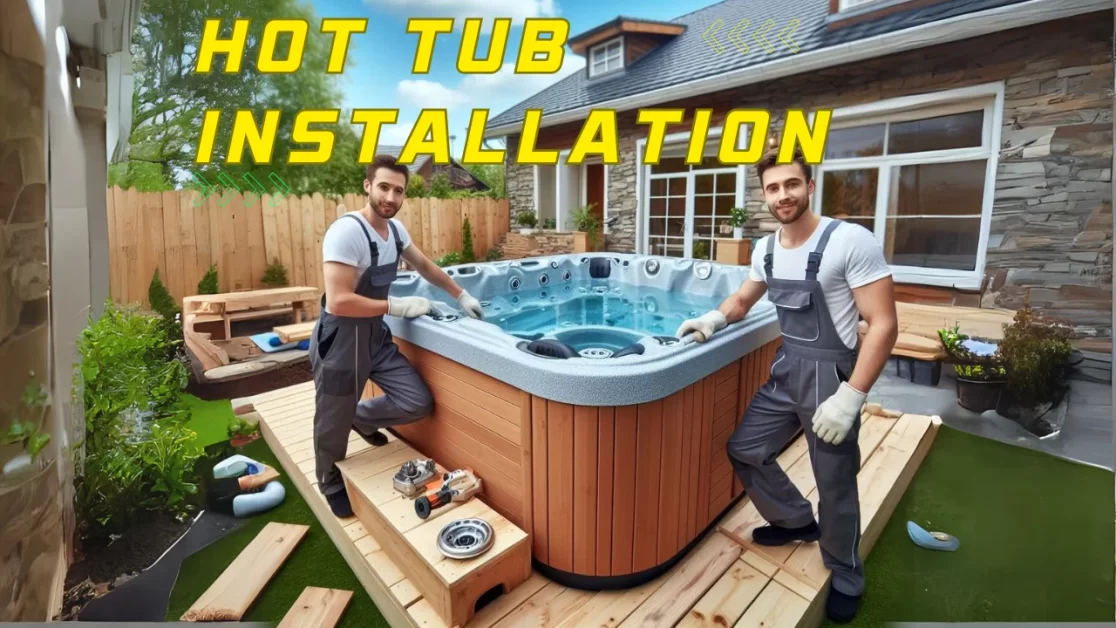
1. Delivery Path Check
Installers make sure the hot tub can move through gates, walkways, and turns. Most hot tubs need:
- 36–42 inches width clearance
- No sharp turns
- No low tree branches
2. Positioning the Tub
They set the tub in place, rotate it to align the controls, and check visibility and privacy.
3. Leveling
Hot tubs must be level to avoid damaging the shell or pumps.
4. Electrical Hookup
A licensed electrician connects the GFCI panel, runs conduit, and fires up the system. Check Energy efficiency standard guide.
5. Filling the Tub
Most installers fill with a garden hose through the filter area to reduce airlocks.
6. Priming, Heating, and Chemical Setup
Heating usually takes 6–12 hours depending on the heater size.
If you want a smooth first week, follow the spa start-up procedure to avoid cloudy water or foam.
Hot Tub Installation on a Deck
A deck can hold a hot tub, but only if it’s built to handle thousands of pounds.
Deck Load Basics
Most standard decks handle 40–60 pounds per square foot.
A hot tub needs 100–130 pounds per square foot.
When a Deck Needs Reinforcement
- Posts spaced too far apart
- No beams under the hot tub location
- Older wood that’s weakened
Best Spots on a Deck
- Corners (strongest structurally)
- Over beams
- Near posts
If you plan to add a hot tub to a deck later, the hot tub size and dimensions guide helps you pick a model that fits without crowding the space.
Hot Tub Electrical Setup (What Installers Look For)
Installers usually follow NEC (National Electrical Code) rules.
GFCI Disconnect Box
Must be:
- Within 6 feet of the hot tub
- But not closer than 5 feet to avoid splash zones
Wire Gauge Requirements
- Most 50 amp tubs use 6 AWG
- Long wire runs may require heavier gauge
Real Installer Example
A homeowner in Minnesota bought a 220v hot tub but didn’t upgrade their electrical panel. The electrician discovered the 100 amp panel couldn’t support the tub and charged an extra $1,600 for a 200 amp upgrade.
A simple panel check could’ve saved them weeks of waiting.
To help you avoid surprises like that, tools like the hot tub cost calculator give you a general idea of installation and setup expenses.
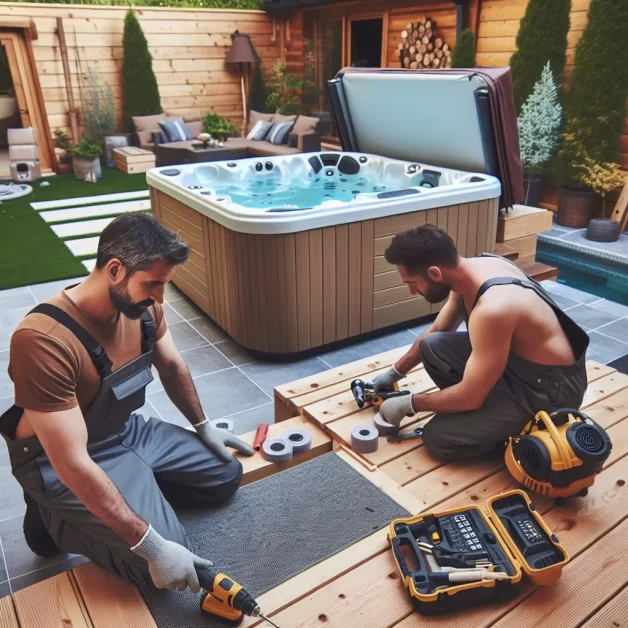
More about What to need to know before hot tub installation.
Local Guide: Hot Tub Installation in Bridgeport, Chicago (IL)
Chicago has specific rules and weather challenges homeowners should know before installation.
Permit Requirements in Chicago
Most hot tubs that require electrical upgrades or structural deck work need:
- Easy Permit for simple ground installations
- Full Building Permit for elevated decks or structural changes
- For a step-by-step breakdown, check out our complete hot tub permit guide.
Local Chicago Installers
Some well-known names include:
- Hot Tub Service Pros Chicago
- Chicago Constructions
- Happy Pool and Spa
Weather Considerations
Chicago winters can drop below zero, so insulation matters. Choose models that maintain heat efficiently or consider an enclosure.
Delivery Challenges in Bridgeport
Narrow alleys, fenced yards, and tight walkways sometimes require crane delivery.
If you need help figuring out total installation value, the hot tub value calculator can estimate how much your new spa adds to your home experience.
Maintenance After Installation
Once the hot tub is set up, these simple habits keep it fresh and clear.
Weekly
- Test pH and alkalinity
- Add sanitizer
- Check water clarity
Monthly
- Clean filters
- Add shock treatment
Every 3–4 Months
- Drain and refill
- Deep clean the shell
If you ever run into cloudy or green water, the hot tub water care guide helps troubleshoot problems fast.
Hot Tub Care
- Cleaning and Draining: Regular cleaning and periodic draining are crucial for maintaining water quality and tub longevity.
- Chemical Water Treatment: Use the appropriate chemicals to keep the water clean and balanced, preventing algae and bacteria growth.
- Filter Maintenance: Clean and replace filters as recommended to ensure efficient operation.
- Covering the Hot Tub: A quality cover helps maintain water temperature, keeps debris out, and ensures safety when the hot tub is unused.
Safety Considerations
- Hot Tub Covers and Fencing: Invest in a sturdy cover and consider fencing to enhance safety, especially if children or pets are present.
- Electrical Safety: Adhere strictly to electrical safety guidelines to prevent accidents.
- Supervision of Children and Pets: Always supervise children and pets around the hot tub to ensure their safety.
Hot Tub Installation Ideas:
Creating a backyard hot tub setup can be an exciting project that elevates your outdoor living experience. Whether you’re looking for relaxation, socialization, or a beautiful focal point, these ideas will help you find the perfect fit for your space.
1. Outdoor Hot Tub Designs
Creating a personal retreat outdoors involves thoughtful landscaping:
- Landscaping Tips:
- Use natural elements like stones and water features for a serene ambiance.
- Incorporate outdoor lighting, plants, and custom decking for a cohesive look.
- Themes can help unify the design.
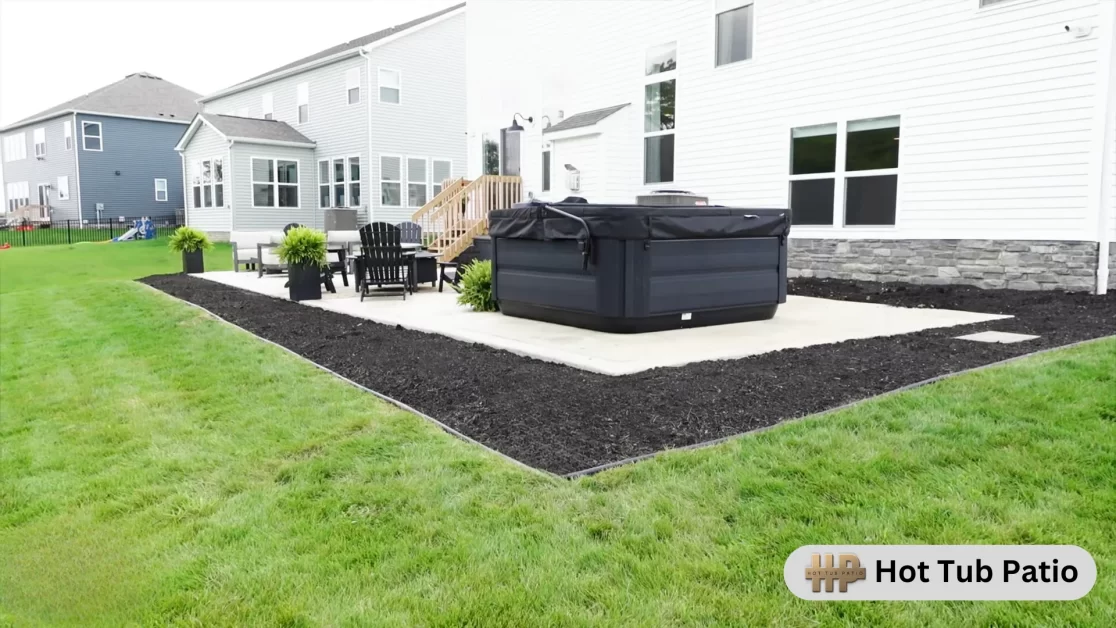
2. Backyard Hot Tub Ideas – 11 Smart Ways to Install a Spa
No matter your space, consider these expert-recommended hot tub ideas:
1. Nestle A Hot Tub Amongst Planting
- Surround your hot tub with greenery to create a relaxed environment.
- Use plants like ornamental grasses to soften hardscapes.
2. Add Drama with a Deck and Pergola Combo
- Create a private bathing area with a pergola or gazebo.
- Use durable timbers for an elegant finish.
3. Take A Natural Approach
- Recess hot tubs into wooden decks to blend with natural surroundings.
- Opt for wooden hot tubs for a rustic feel.
4. Enhance Your Outdoor Spa with Hard Landscaping
- A well-planned hardscape can create a beautiful destination.
- Ensure there’s ample space for seating and accessories around the tub.
5. Grow A Dense Hedge for Privacy
- Use hedges to create a natural privacy barrier.
- Choose evergreen plants for year-round coverage.
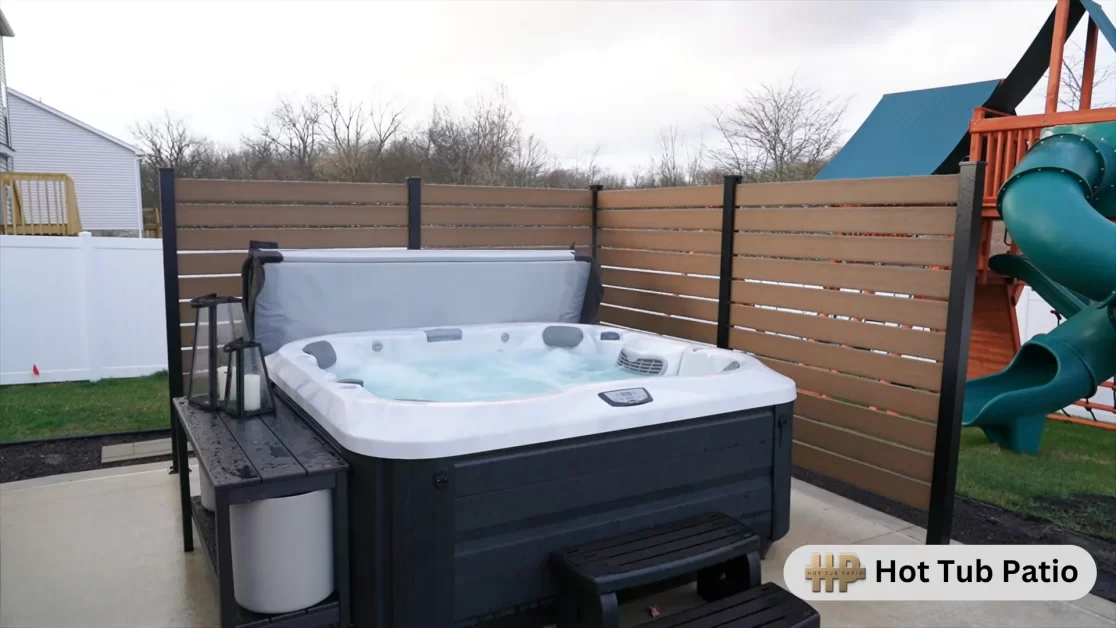
6. Choose A Built-In Tub for a High-End Finish
- Built-in hot tubs save space and offer a sleek design.
- Blend the hot tub into the landscaping for a cohesive look.
7. Blend Your Hot Tub Into Your Yard’s Overall Design
- Use consistent patio materials around the hot tub for a seamless look.
- Consider sunken designs for a dramatic effect.
8. Try A Portable Hot Tub
- Inflatable hot tubs are a budget-friendly way to experience hot tubbing.
- Test various locations before committing to a permanent installation.
9. Build Storage Into Your Tub Installation
- Consider integrated storage solutions for towels and accessories.
10. Themed Designs
- Location: Choose a specific theme, such as a tropical or Zen garden, for your hot tub area.
- Benefits: Adds a unique personality to your backyard oasis.
Hot Tub Ideas for Small Spaces: Maximizing Relaxation
Dreaming of a hot tub but have limited space? Don’t worry, it’s entirely possible to create a relaxing oasis even in a small backyard or patio. Here are 7 clever ideas to help you make it happen:
1. Choose a Compact Hot Tub:
- Smaller models: Opt for hot tubs designed for smaller spaces. These often have fewer seats but still provide a luxurious soak.
- Corner tubs: If your space is particularly narrow, consider a corner hot tub that fits snugly into the corner of your yard.
2. Utilize Vertical Space:
- Multi-level decks: Build a multi-level deck with the hot tub on the upper level, creating a sense of privacy and maximizing the space below for seating or gardening.
- Shelves and storage: Add shelves or built-in storage around the hot tub to keep your area organized and clutter-free.
3. Create a Cozy Corner:
- Intimate seating: Surround your hot tub with comfortable seating, such as lounge chairs or a small sofa, to create a cozy and inviting atmosphere.
- Privacy screening: Use plants, trellises, or privacy screens to create a sense of seclusion and relaxation.
4. Consider an Indoor Hot Tub:
- Dedicated room: If you have the space, consider converting a spare room or bathroom into a dedicated hot tub room.
- Portable tubs: For a more flexible option, explore portable inflatable hot tubs that can be easily moved indoors or outdoors.
5. Maximize Your Space:
- Minimalist design: Keep the surrounding area clean and uncluttered to avoid making the space feel cramped.
- Vertical gardening: Add greenery to your space using vertical gardening techniques, such as wall planters or hanging baskets.
6. Incorporate Natural Elements:
- Water features: Enhance the relaxing atmosphere with a small water feature, like a fountain or waterfall.
- Stone or wood accents: Use natural materials like stone or wood for the surrounding decking or patio to create a warm and inviting ambiance.
7. Consider a Hot Tub Cover:
- Space-saving: When not in use, a hot tub cover can help protect your investment and free up space.
- Insulation: A well-insulated cover can also help reduce energy costs.
Sure! Here’s a revised and polished version of your content with clean formatting and proper internal links included:
Additional Considerations
Hot Tub Boats in Chicago
If you’re after something a bit more adventurous, try a floating soak. Hot tub boating has become a unique way to unwind while cruising the city’s waterways. Learn more about it in our Hot Tub Boat Chicago guide.
Maintenance and Care
A smooth-running hot tub needs regular upkeep. Here’s what that looks like:
- Cleaning and Draining – Keeps water fresh and free from gunk.
- Chemical Treatment – Balances pH and prevents bacteria.
- Filter Maintenance – Helps your system run efficiently.
Looking for more hot tub tips? You’ll find plenty of advice and real-world stories over at Hot Tub Patio.
NOTE
Remember, the key to creating a relaxing hot tub experience in a small space is to prioritize comfort, functionality, and aesthetics. By following these tips, you can transform your limited space into a luxurious and inviting oasis.
Common Installation Mistakes to Avoid
Here are the mistakes pros see over and over.
1. Choosing the Wrong Base
Grass and dirt shift over time and cause cracking.
2. Forgetting Electrical Requirements
A lot of buyers assume any outlet works.
3. Not Checking Delivery Path
Narrow gates delay installation weeks.
4. Poor Drainage
Flooding around the base leads to mold and wood rot.
5. Installing Too Close to the House
Hot tubs need airflow and safe splash distance.
If something ever sounds off or the tub starts making strange noises, the hot tub troubleshooting and maintenance guide helps you find the cause quickly.